China introduces financial incentive as country struggles with low birth rate
It is the latest in a series of moves to encourage families to have children
China is set to introduce a comprehensive policy to cover all out-of-pocket childbirth expenses.
The move is the latest in a series aimed at boosting the nation's declining birth rate.
The national healthcare security administration announced that by 2026, the country intends to offer full reimbursement for all policy-covered medical costs associated with childbirth.
That will include essential prenatal check-ups.
In a report released on Saturday, the administration said it would “improve the level of medical expense coverage for prenatal examinations, striving to achieve 'no out-of-pocket expenses' for childbirth”.
The initiative comes as Beijing confronts a significant demographic challenge. China's population experienced its first decline in decades in 2022, a trend that persisted into 2024.
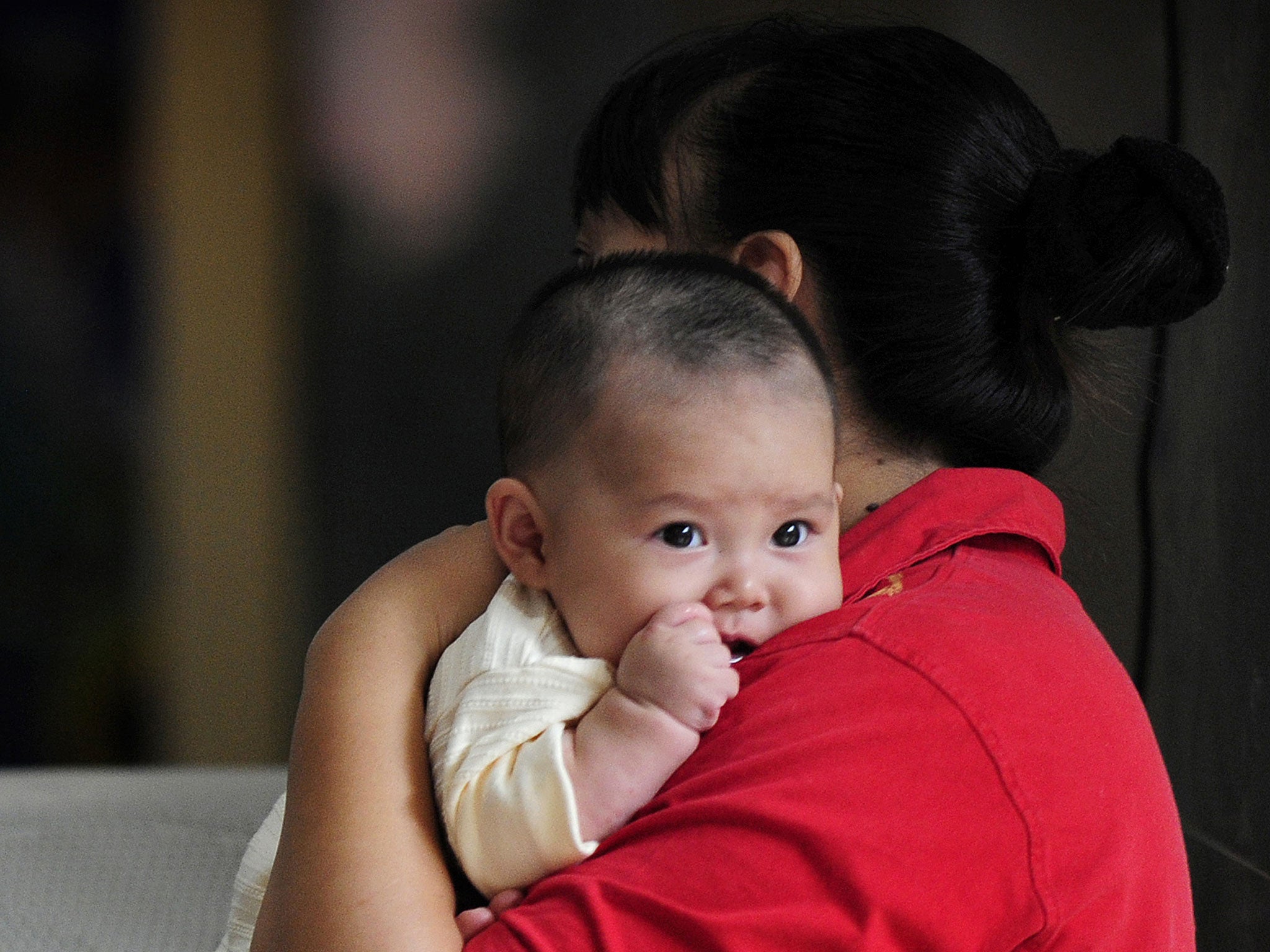
Demographers anticipate that this trajectory will continue due to falling birth rates, alongside a shrinking workforce.
In June, China mandated that all tertiary hospitals, those with over 500 beds, must offer epidural anaesthesia during childbirth by the end of 2025.
The initiative aims to foster a more "friendly childbearing environment" for women, according to the country’s National Health Commission (NHC).
The NHC also outlined further plans to extend these services to secondary hospitals, which have more than 100 beds, by 2027.
 China introduces ‘condom tax’ as it tries to get people to have more children
 Hospitals to be made to offer women epidurals to boost birth rates
 Cold calls and free vitamins: Inside China’s latest push for more babies
 China is worried its people ‘fear having children’ and is launching massive survey to find out why
 Thousands of kindergartens closed across China as birth rate declines sharply
Currently, around 30 per cent of pregnant women in China receive anaesthesia for pain relief during childbirth. This is in stark contrast to some developed countries, where the rate exceeds 70 per cent, according to the China Daily.
China also announced this year that it would offer parents an annual childcare subsidy of 3,600 yuan (£376) in an effort to arrest the country’s declining birth rate.
The scheme will cover all children under three. It will apply retroactively from 1 January 2025, but families with children born between 2022 and 2024 can also apply for partial subsidies, Xinhua news agency reported.
According to the NHC, the nationwide subsidy is expected to benefit nearly 20 million families. The subsidies will not be treated as taxable income or counted when determining eligibility for poverty assistance.
Join our commenting forum
Join thought-provoking conversations, follow other Independent readers and see their replies
Comments
Bookmark popover
Removed from bookmarks