Ancient find reveals secrets of lamp fuels
THE ARTICLES ON THESE PAGES ARE PRODUCED BY CHINA DAILY, WHICH TAKES SOLE RESPONSIBILITY FOR THE CONTENTS

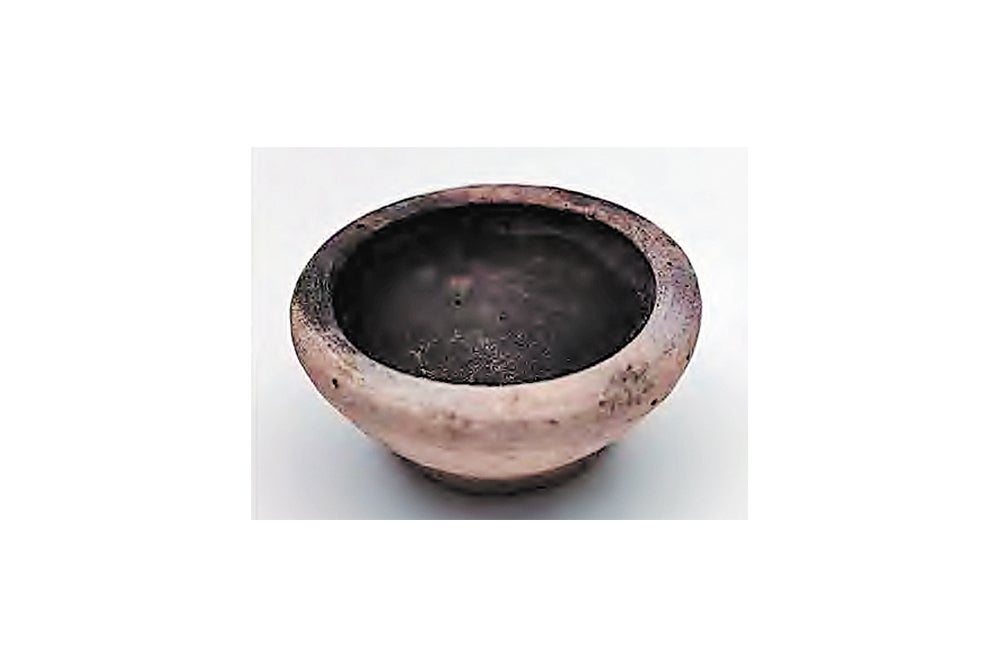
A 600-year-old porcelain lamp unearthed in Shanxi province in 2021 has turned the spotlight on the technical skills and cultural practices of that era, when people blended fuels to keep their oil lamps burning long, cleanly and brightly.
The tiny bowl-shaped lamp, retrieved from a tomb in the village of Nantou, dates back to the Ming Dynasty (1368-1644). Using high-sensitivity techniques, researchers discovered traces of fuel in the lamp — a surprising blend of linseed oil, mutton tallow and beeswax — that offered a rare peek into the everyday lives of people of the day. Most excavated lamps have yielded little or no residue at all, making this find exceptionally rare.
Wang Keqing, a researcher in the Institute of Conservation at the National Museum of China in Beijing, said there could be three reasons why a blend of fuels was used. The combination could have produced a bright flame with a pleasant aroma and relatively little smoke; the user may have been trying to reduce lamp oil consumption; or the fuels could have been used separately during different periods.
The presence of beeswax points to the possible desire for fragrance and less smoke. It probably made the fuel less prone to rancidity. The vegetable oil helped the flame burn brighter.
These fuels were probably used together to light the lamp, which was then placed in the tomb during the burial ceremony, Wang said. However, it could also be that different fuels were used to light the lamp at different times and that the lamp was a personal possession of the deceased, which is why it was interred with them as part of a ritual.
“The burial custom reflects ancient beliefs regarding life and death, and the anticipation of a good afterlife,” she said.
The ritual of lighting lamps for the deceased continues in modern China as a form of ancestor worship, said Li Gang, vice-president of the Xinzhou Institute of Cultural Relics and Archaeology.
The tomb occupant was probably not a high-ranking official but an affluent commoner, Li said. The use of mixed fuels further demonstrates that ancient lamps and their fuels were not standardised but were products of ingenuity and practical adaptation.
The lamp’s fuels also shed light on a broader historical pattern. Early lamps primarily used animal fats. Use of beeswax started during the Han Dynasty (206 BC-AD 220), and the practice became popular among elites. As the belief grew that smoke from tallow harmed health, including eyesight, new burning methods developed. The cultivation of white-wax insects for candle production expanded between the 10th and 14th centuries, and blends of vegetable oils and wax were primarily used to burn lamps during the Ming Dynasty.
Bookmark popover
Removed from bookmarks