Dual carbon goals spur green business into action
THE ARTICLES ON THESE PAGES ARE PRODUCED BY CHINA DAILY, WHICH TAKES SOLE RESPONSIBILITY FOR THE CONTENTS

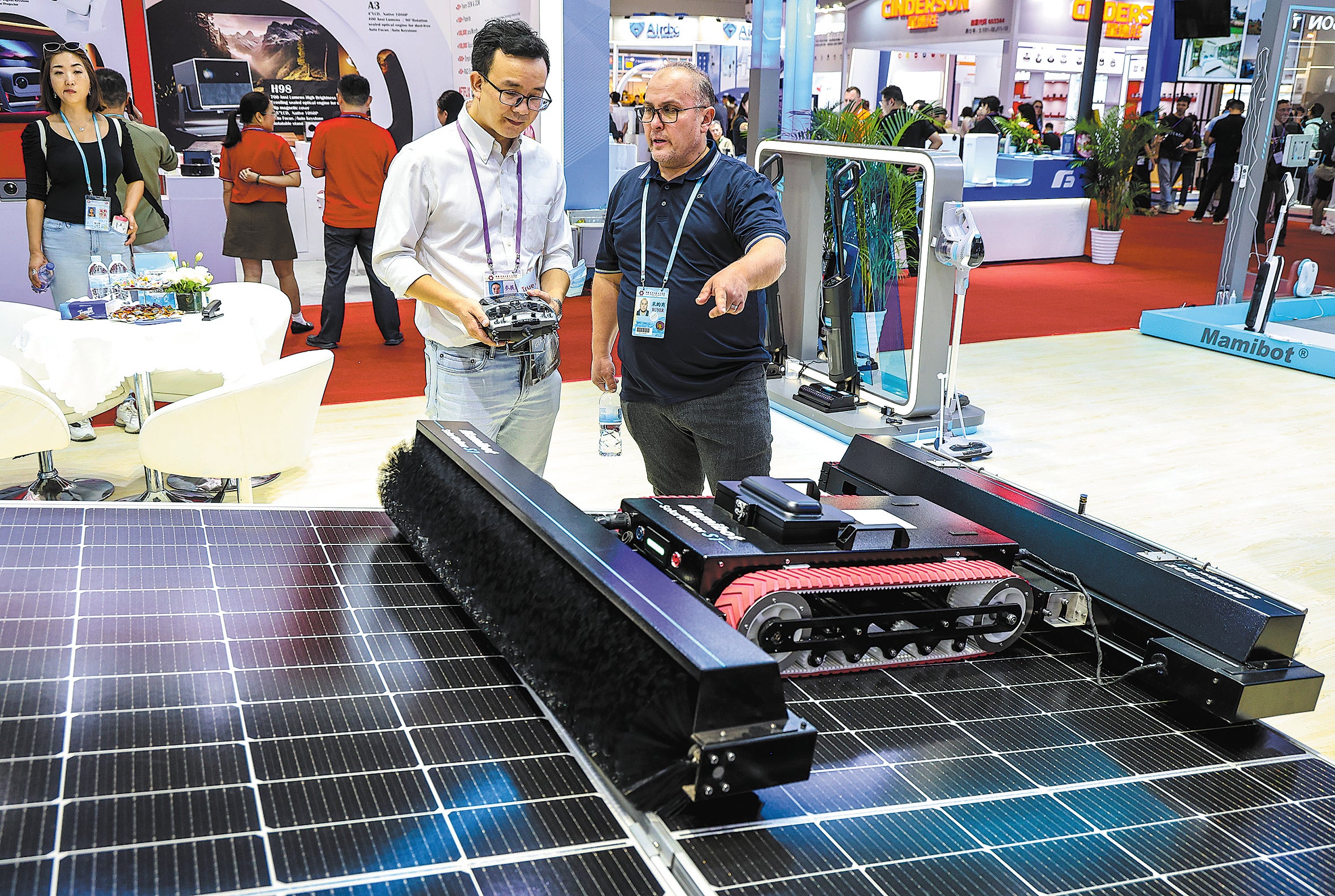
China has implemented a series of preferential policies to advance its dual carbon targets in the past five years, and companies in the low-carbon domain are keenly aware of the transformative impacts the goals have had nationwide.
The country announced in September 2020 that it would peak its carbon dioxide emissions before 2030 and achieve carbon neutrality before 2060.
The goals stirred excitement among the companies, enabling them to swiftly identify market opportunities and achieve rapid business growth. Also driven by a strong belief in and passion for the low-carbon development trend, they serve as a microcosm of China’s transition to a low-carbon future.
Before the official declaration of the dual carbon goals, entrepreneur Bai Yanhui had already pivoted her career towards building energy efficiency management — a move that positioned her to recognise firsthand how profoundly national climate commitments energise markets.
Originally specialising in centralised air conditioning and smart building controls, her firm, Nanjing Xiangtai System Technology Co, in Jiangsu province, saw explosive early success. In the early 2010s, the company’s revenue doubled yearly amid China’s push for large-scale infrastructure expansion.
By 2015, however, Bai sensed looming stagnation in the infrastructure sector. To navigate impending headwinds, Bai spearheaded market studies at home and abroad, and was greatly inspired during a visit to Europe.
The pollution-free vistas in Europe that feature blue sky and white clouds helped her crystallise a new vision for her company to contribute to the restoration of blue skies, white clouds and clean air in China.
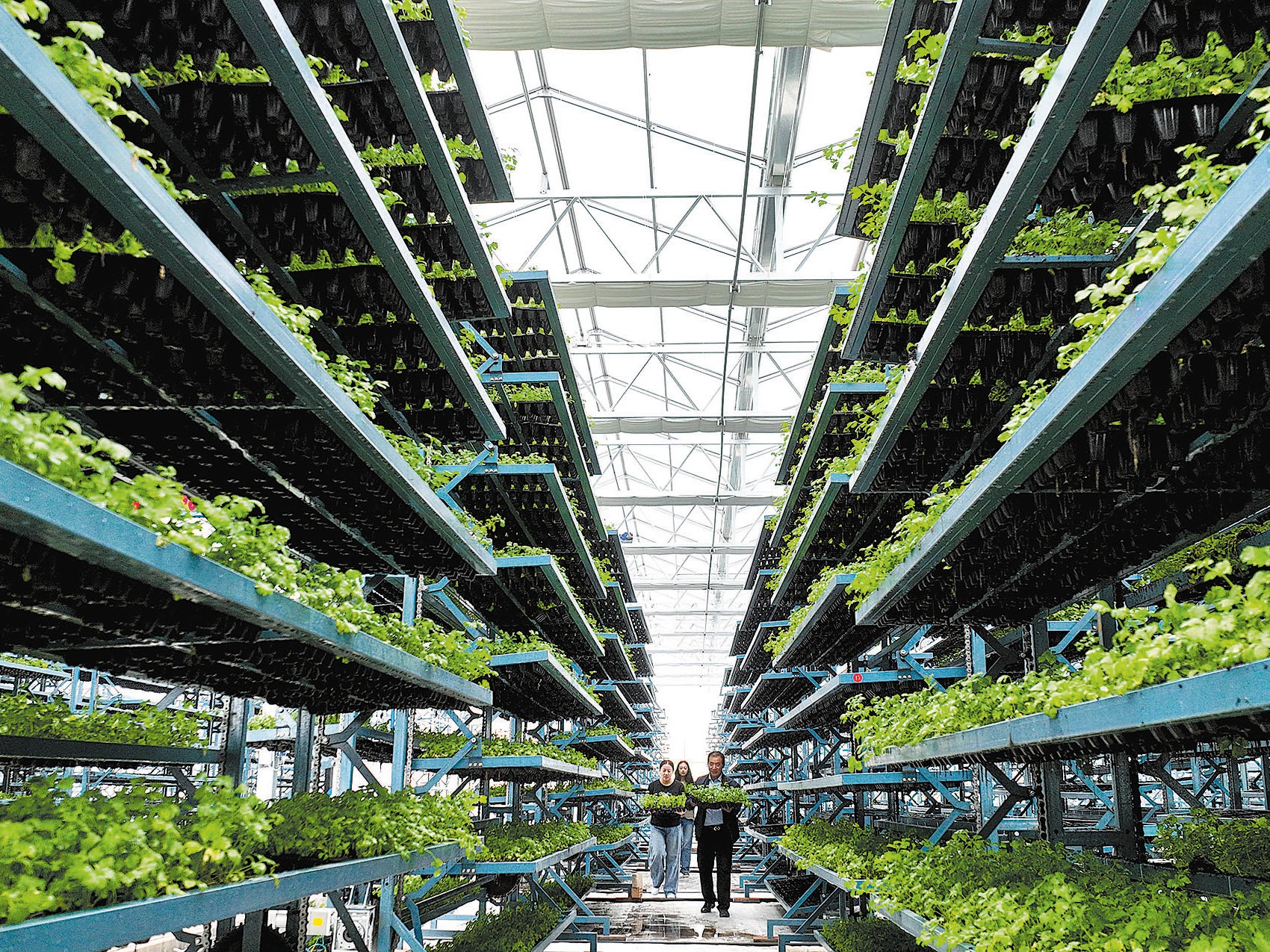
Despite initial setbacks, the Chinese government’s announcement of its dual carbon goals meant a brighter future for her company.
The momentum accelerated dramatically upon the introduction of concrete regulations supporting mechanisms last year, such as the energy cost trusteeship, an arrangement where businesses delegate their energy expenses to specialised third-party providers, who primarily profit by improving energy consumption efficiency.
Bai said her company secured 15 energy cost management projects last year to enhance energy efficiency in government and public buildings. This represents 7.2 per cent of all projects for such buildings nationwide.
In 2017, the company’s revenue was 40 million yuan (£4.2 million). So far this year, it has secured energy cost trusteeship contracts with a total value of 3 billion yuan (£313.2 million).
Unlike Bai, Zhu Weiqing, the chairwoman of Shanghai Treasure Carbon New Energy Environmental Technology Co, made her first venture into the professional world in the low-carbon sector.
While studying marketing at Durham University in the United Kingdom, Zhu stumbled upon an unexpected passion. A casual conversation with a law school acquaintance piqued her curiosity about the United Nations’ Clean Development Mechanism — a programme allowing developing nations to generate tradeable emissions credits for industrialised countries striving towards climate goals.
Returning home to China after graduation, Zhu discovered policymakers laying the groundwork for domestic carbon-trading pilot programmes. She seized the moment, launching her company in 2010.
Yet progress proved slow initially. Early stagnation gave way to cautious optimism starting in late 2011 when authorities launched pilot carbon trading programmes in seven parts of the country, including Beijing and Hubei province.
Regulatory tailwinds arrived in mid-2012, too, when China rolled out provisional rules governing voluntary emission cuts, granting companies legal pathways to transact offsets.
These shifts gradually unlocked doors for Zhu’s firm.
But in 2017, regulators halted issuance under China Certified Emission Reductions amid concerns over inflated inventories and subpar project quality.
Despite the turbulence, resilience paid dividends three years later when the dual carbon targets were announced. Coverage of the targets dominated headlines everywhere, Zhu said.
After the official launch of China’s national carbon trading market on 16 July 2021, the government released a steady stream of regulations and technical rules that clarified market expectations. Riding this policy tailwind, the company’s turnover exceeded 300 million yuan (£31.3 million) in that year.
“Our company has expanded at a rapid pace. Since the launch of the national market, we have consistently experienced steady growth,” she said.
Bookmark popover
Removed from bookmarks