China says Delhi should copy Beijing to end its winter smog crisis. Is it really that simple?
While Beijing’s clean-air campaign was driven by a one-party governance system that enforced sweeping measures, India’s democratic political structure is far more fragmented. But even then, experts tell Stuti Mishra, there are lessons India can draw from China’s war on air pollution
Each winter, Delhi slips back into a familiar emergency. A thick blanket of toxic smog settles over the city, visibility reduces, schools shut, flights are disrupted, and hospitals report a surge in respiratory illnesses. Temporary measures are rolled out in the form of construction bans, vehicle restrictions, and appeals to work from home, but they fail to convert into lasting solutions.
The national capital’s air quality crisis is not unique. Cities across the Indo-Gangetic plain in northern and eastern India, from Lucknow to Varanasi, experience similar winter pollution spikes. Outside India, cities such as Tehran in Iran and Lahore in Pakistan also struggle with seasonal smog driven by geography, weather and emissions. What makes Delhi stand out is the severity, persistence, and scale of its pollution, and how little improvement has been achieved despite years of emergency responses.
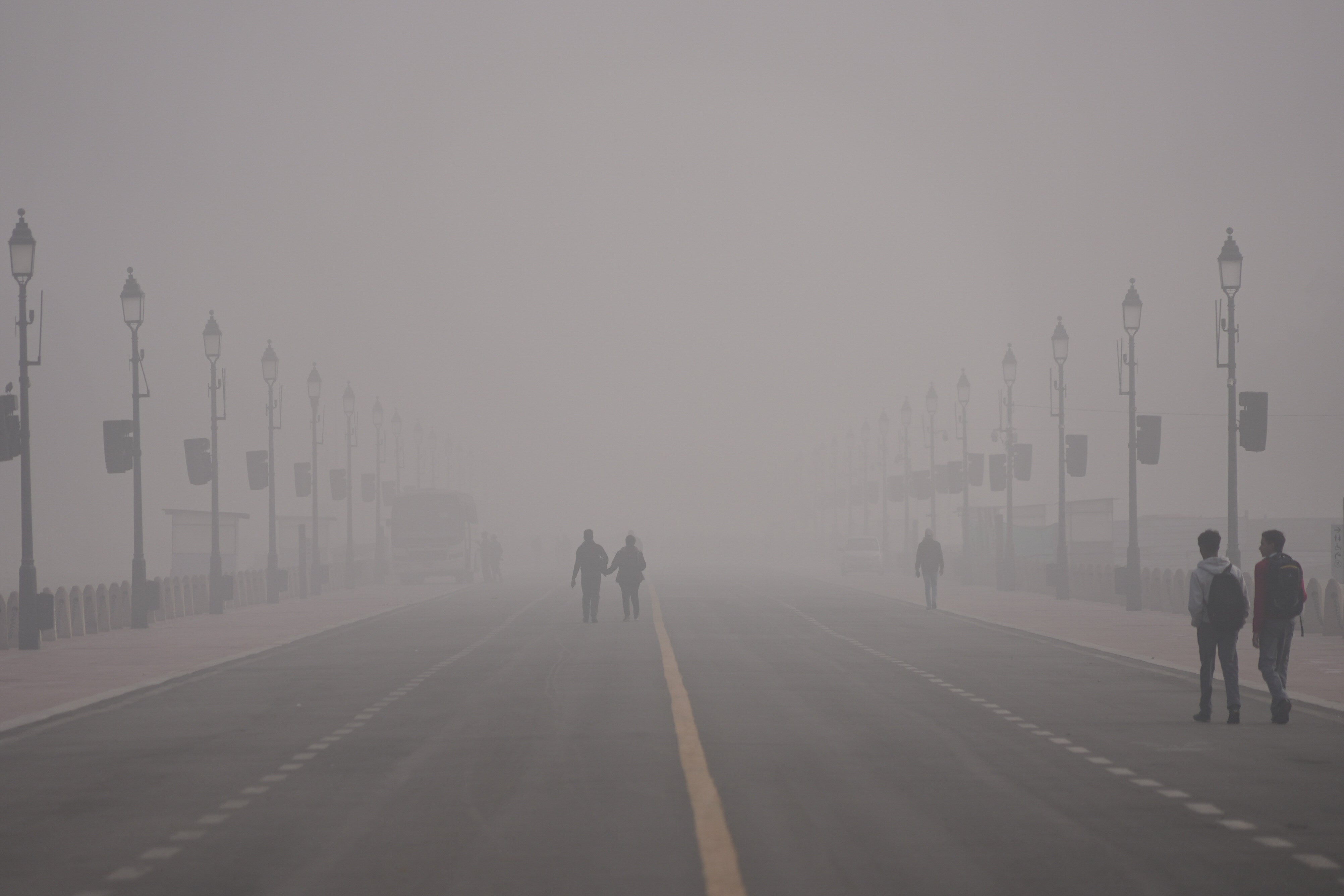
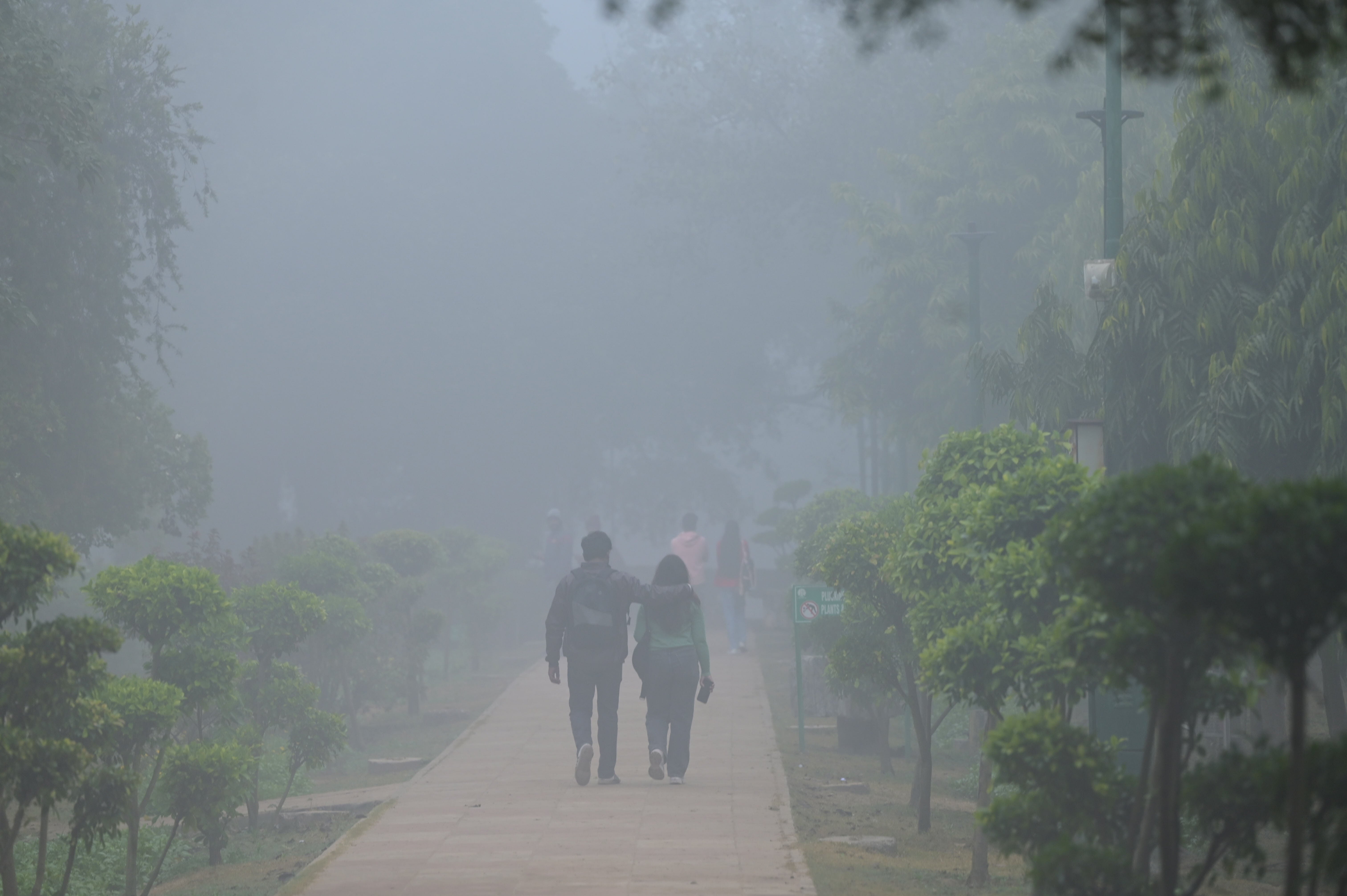
In the past weeks, many parts of Delhi recorded an air quality index (AQI) well over 400 – a level considered “severe” under global pollution standards.
Long-term air quality data shows that no major Indian city currently meets safe air quality standards. An assessment of AQI from 2015 to November 2025 by Climate Trends, a research-based consulting and capacity-building initiative, based on data from India’s federal Central Pollution Control Board, found that every major metro city experiences unhealthy air for significant parts of the year.
Delhi’s air pollution crisis spilled onto the international stage this week when Singapore, the United Kingdom, and Canada issued advisories to their nationals regarding the deteriorating air quality in northern India. The pollution also delayed footballer Lionel Messi’s arrival in Delhi for the final leg of his G.O.A.T India tour.
But there’s a city which has managed to improve its air quality drastically in just over a decade.
Even a few years ago, the pollution levels in China’s capital Beijing routinely exceeded those seen in Delhi today. Today, while Beijing is still polluted by World Health Organisation standards, its air is dramatically cleaner than it was in the early 2010s.
Data compiled by the independent research organisation, Centre for Research on Energy and Clean Air, shows Beijing’s average PM2.5 levels have fallen by roughly two-thirds since 2013, following a sweeping overhaul of transport, energy, and urban policy.
India’s air quality crisis led to a spokesperson from the Chinese Embassy in Delhi recommending measures used by Beijing to tackle air pollution. Yu Jing shared a post on her official X handle saying that “cleaner air doesn’t happen overnight – but it is achievable.”
She wrote the steps Beijing took to tackle its air pollution crisis.
“Step 1: Vehicle emissions control; adopt ultra-strict regulations like China 6NI (on par with Euro 6); phase-out retired old, high-emission vehicles; curb car growth via license-plate lotteries and odd-even/weekday driving rules; build one of the world’s largest metro and bus networks; accelerate the shift to electric mobility; work with the Beijing–Tianjin–Hebei region on coordinated emissions cuts.”
While the comparison has reignited a debate in India, there has been caution against drawing simplistic parallels. Beijing’s clean-air campaign was driven by a highly centralised, one-party governance system that allowed sweeping measures. India’s democratic political structure is far more fragmented, with air-quality control split across municipal bodies, state governments and multiple central agencies.
However, experts said there are lessons Delhi can learn from Beijing to tackle its air pollution crisis.
Why every winter Delhi sees a pollution spike
To understand why Delhi’s winter air pollution is so stubborn, we need to look at its geography. The city is caught in what experts describe as a meteorological trap.
“With cold north-westerly winds sweeping into the plains, minimum temperatures are set to drop further – making it even harder for pollutants to disperse,” says Mahesh Palawat, vice president for meteorology and climate change at Skymet Weather, a private weather forecasting company.
“As temperatures fall, the inversion layer thickens, creating a stronger barrier that prevents sunlight and wind from breaking through and clearing the air.”
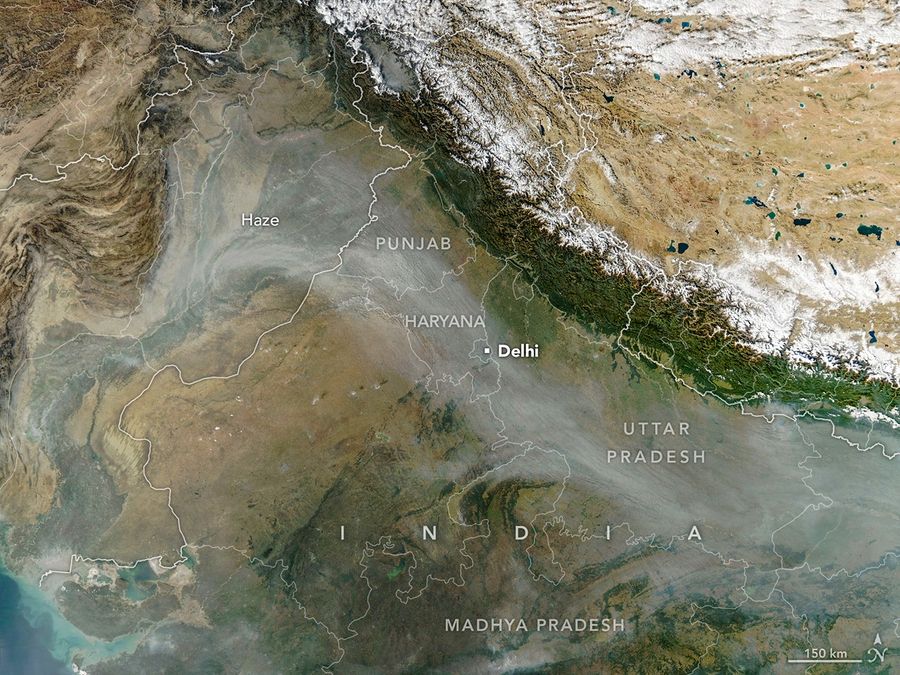
During winter, cooler air near the ground becomes trapped beneath warmer air above, forming a temperature inversion that prevents pollutants from rising and dispersing. The Himalayan mountain rainges further compound the problem by blocking airflow to the north, forcing pollution to linger over northern India.
This is why Delhi’s air often remains toxic even when crop-burning incidents fall or emergency restrictions are imposed.
Why India’s efforts to tackle pollution fail
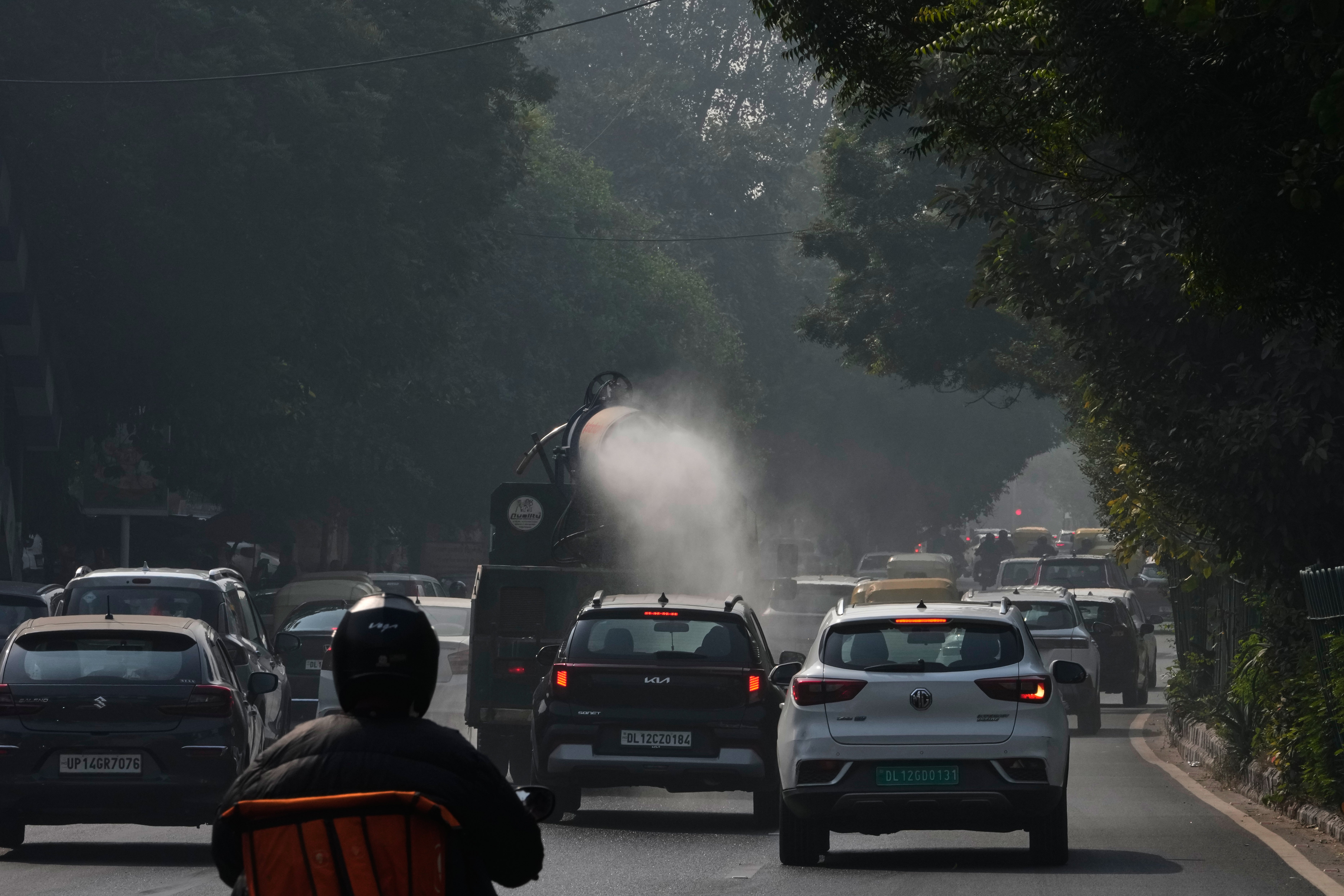
India’s response to air pollution has largely focused on crisis management: banning fireworks ahead of the Hindu festival of Diwali, deploying anti-smog guns that spray a fine mist of water into the air to capture and settle airborne dust and pollution particles, halting construction, restricting vehicles for a few days at a time. Experts argue these measures are often poorly targeted and sometimes counterproductive.
“Air quality cannot be fixed through emergency measures alone,” says Dikshu C Kukreja, architect and urban planner. “If the city continues to be planned around long commutes and congestion, pollution will keep coming back every winter.”
Delhi’s urban sprawl forces millions to travel long distances each day, often in private vehicles or slow-moving traffic. That daily movement becomes a constant source of emissions, regardless of short-term restrictions on construction or vehicle use.
“Delhi is not just facing an air pollution problem, it is facing a planning problem,” Kukreja says. “People are forced to travel long distances every day, and that daily movement itself becomes a major source of emissions.”
Beijing’s turnaround followed a different logic. After years of temporary restrictions, China introduced a comprehensive clean-air action plan in 2013 that targeted transport, industry, fuel use, and regional coordination simultaneously.
Authorities tightened vehicle emission standards, restricted the growth of private cars through licence-plate lotteries, massively expanded metro and bus networks and pushed rapid electrification. Coal boilers were phased out, heavy industry was relocated or shut down, and pollution controls were enforced across the wider Beijing-Tianjin-Hebei region rather than the city alone.
The key lesson, urban planners say, is that Beijing treated air quality as a systems problem, not an annual emergency.
Kukreja argues that mobility planning and air-quality planning are inseparable.
“When distances shrink and mobility becomes more efficient, emissions reduce at scale,” he says. “In that sense, mobility planning itself becomes air-quality planning.”
Construction dust is another area where experts say Delhi could see faster gains if enforcement improved. Multiple Indian studies have identified construction activity as a major contributor to particulate pollution during winter months, yet compliance with dust-control rules remains inconsistent.
“Construction dust is a major contributor, but it is also one of the easiest to control if rules are enforced properly,” Kukreja says. “Dust suppression, covered materials and site monitoring are not optional in dense cities like Delhi.”
In Beijing, construction controls were paired with penalties and real-time monitoring, limiting how much dust could be released even during periods of rapid development. Indian regulations exist on paper, but enforcement varies widely between sites and jurisdictions.
What Beijing’s experience also shows is that visible improvement takes time. Data compiled by international research groups indicate that pollution levels began falling after China introduced a nationwide clean air action plan in 2013, but meaningful gains emerged only after several years of sustained enforcement. Temporary measures, such as factory shutdowns during major events, delivered short-term relief but did not produce lasting change.
That distinction matters for Delhi, where emergency responses such as odd-even traffic schemes and temporary bans on construction are often rolled out when pollution peaks.
Kukreja says the starting point needs to be “political will”.
“It is an issue of governance and administrative lapses,” he adds, saying there needs to be “a systemic approach of solving this issue, rather than a seasonal approach.”
Join our commenting forum
Join thought-provoking conversations, follow other Independent readers and see their replies
Comments
Bookmark popover
Removed from bookmarks