One by one, children in this Indian village started to drop dead with liver disease. Nobody can explain why
Health workers are rushing to assess a sudden outbreak of deadly illness in a small village in northern India. Rumours are spreading in the absence of a clear cause, and families are grieving amid a climate of fear and uncertainty. Namita Singh reports from Chhainsa

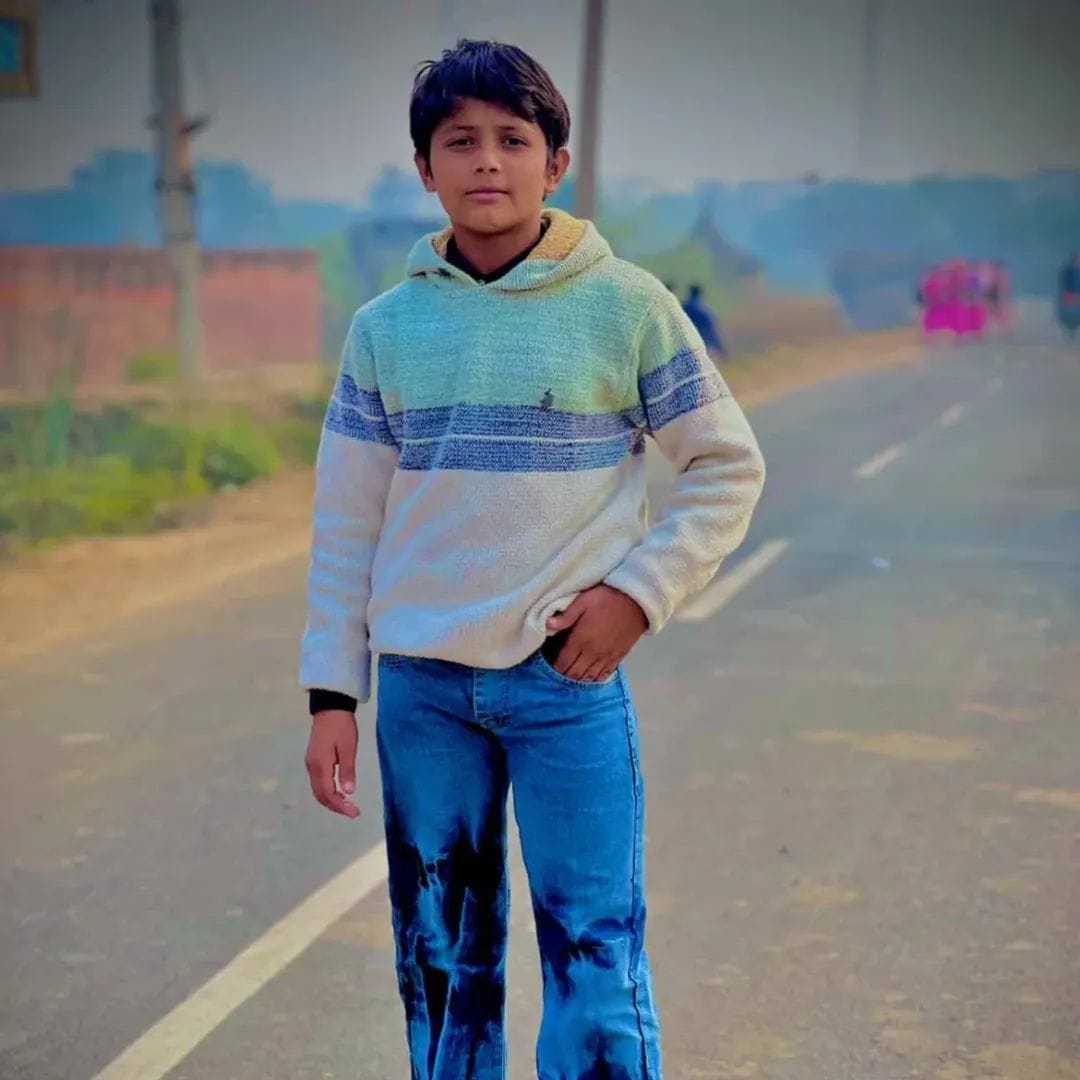
Huzzaifa was a healthy child. His family say the 11-year-old spent the cold winter days “laughing and playing” at his home in the northern Indian state of Haryana. One evening in late January, he came down with a fever. By the next evening, he had died.
At her modest home in Chhainsa village, about 100km from India’s capital Delhi, Huzzaifa’s mother, Shehnaaz, weeps silently as she mourns her son.
“He had fever for only one day. On 27 January, the doctor said his liver had failed from kalapeeliya,” the 32-year-old says, using a catch-all Hindi word that can refer to hepatitis B and C, as well as black jaundice.
“We took him to Palwal, then Faridabad,” she says, referring to a pair of cities near the capital. “He was laughing and playing one day, and the next he was hospitalised and gone.”
Huzzaifa’s death is one of a sudden and alarming series that has left this small village reeling, gripped by grief and uncertainty. Healthcare workers as well as national media have descended on this remote corner of Haryana, where people can talk of little else.
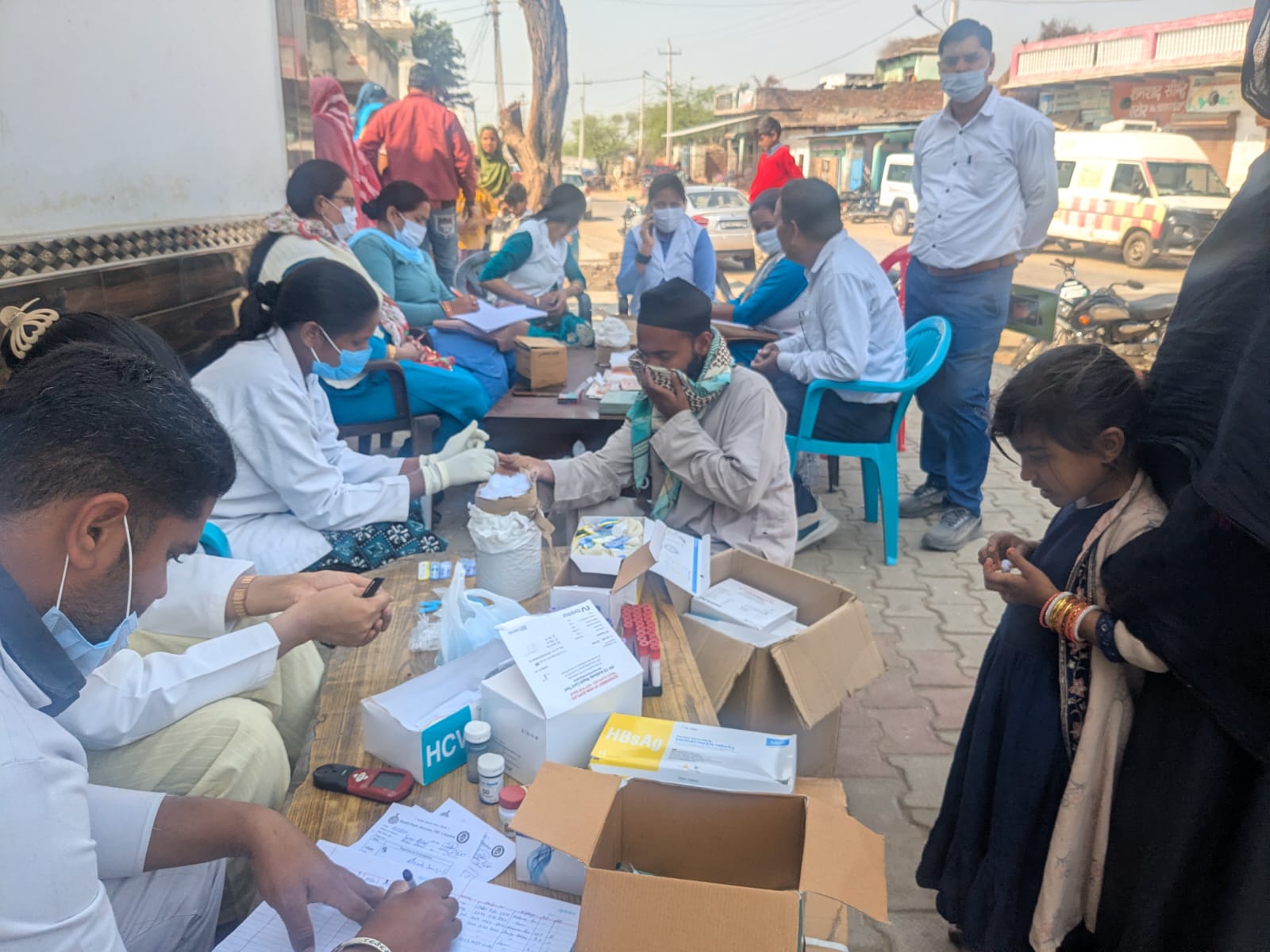
Healthcare workers are going door to door, screening each family in a race against time to figure out the cause of the deaths. In the absence of a clear explanation, there are plenty of rumours, and even the toll of fatalities is uncertain.
Each of the deaths followed a singular pattern, The Independent learned from speaking to six grieving families. The victim developed fever, followed by stomach ache and vomiting, and died from liver failure within 48 hours.
“The patients are admitted to the hospital and within 36-48 hours of symptoms appearing, their dead bodies return,” a villager named Mohammad Amruddin, 52, tells The Independent.
“At least 12 people have died, including children and young adults. Doctors in all cases have said it was kalapeeliya.”
Public health officials, meanwhile, have put the number of deaths from liver disease at seven, and say that only four of them tested positive for hepatitis B.
Hepatitis B and C are viral infections primarily impacting the liver, causing serious damage to the organ. Both are blood-borne, and while a vaccine exists for hepatitis B making it preventable, no vaccine exists for hepatitis C.
The ongoing screening has identified 17 suspected cases of hepatitis C thus far, but the cause of the rapid deterioration described by the villagers has remained elusive. Some attribute the deaths to problems with local water quality, an issue that has seen pockets of sudden mass illness flare up in several different parts of India in recent months.
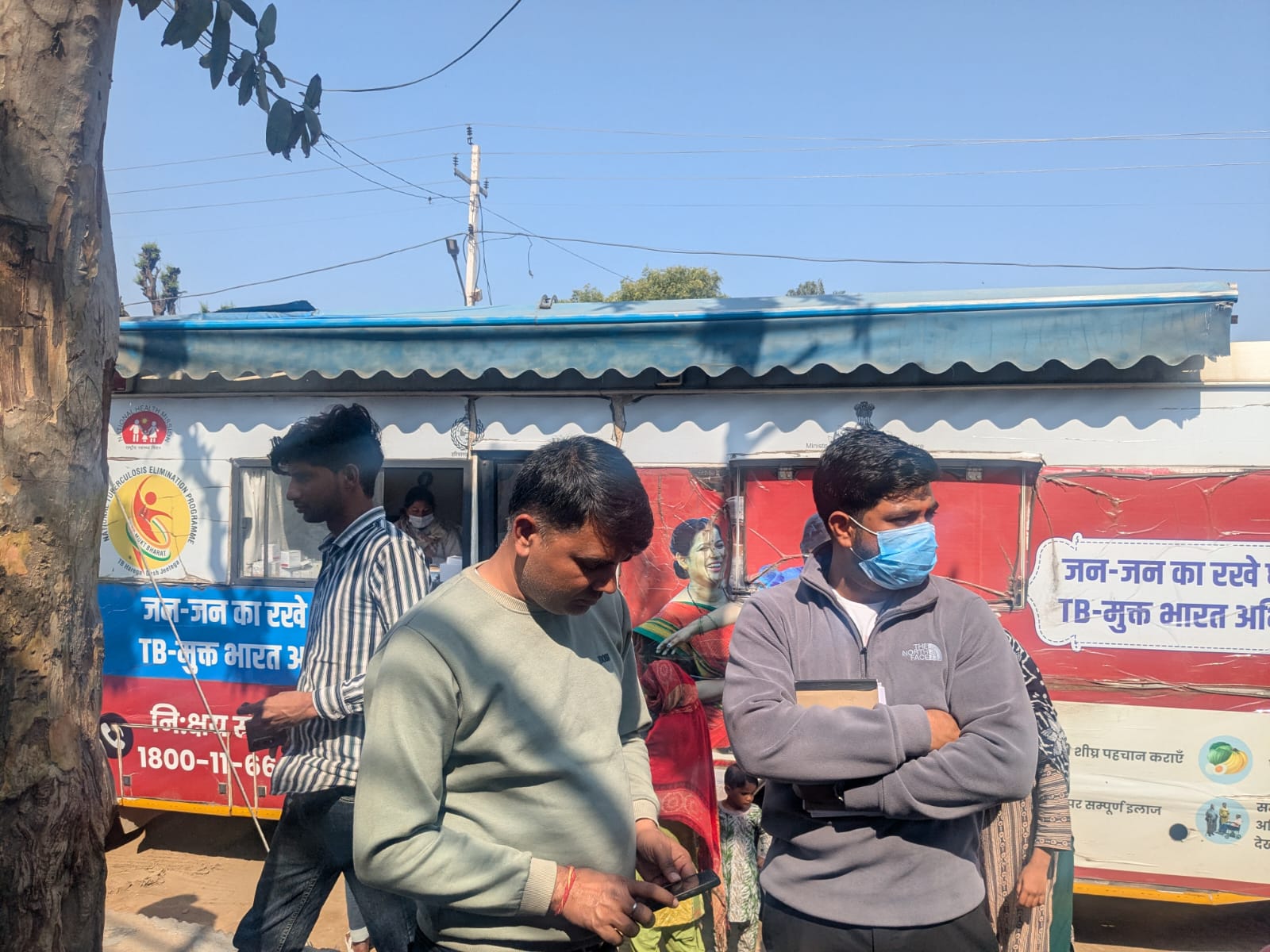
The village has a primary health centre, but it seldom has a doctor available, locals say. So the villagers are rushing to medical camps set up by local authorities to get tested for hepatitis.
Mohammad Islam, 51, the elected village head, says alarm rose sharply at the start of this month. “I was informed about the deaths about 25 days ago, but most cases came to light on 1 February. And we alerted the administration,” he tells The Independent.
In one home, the loss is still raw. Payal, 10 years old, developed a fever on 3 February. She was taken to doctors in the nearby town of Hathin, and then Palwal city. She died at 3am the next day.
“The doctor said she had kalapeeliya,” says her aunt Poonam, 22, who, like most people The Independent spoke with, uses only her first name.
“We got her an injection for a mild fever on 2 February, but her condition deteriorated the next day. She had no illness before. She was quite fit. Used to play a lot. We had no idea she would leave us so quickly.”
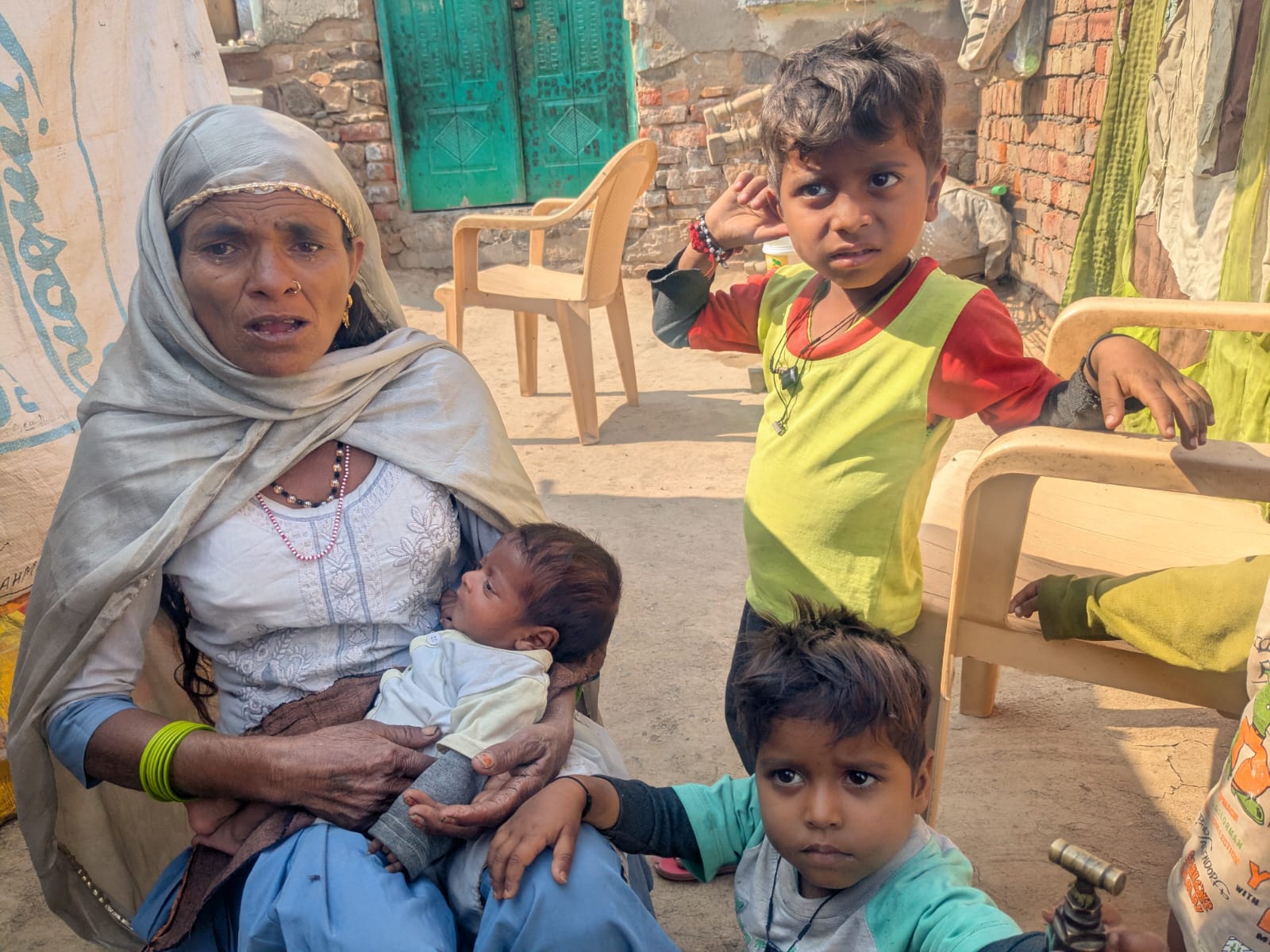
Payal’s grandmother, Mahendri, 65, recounts the final hours. “She was intubated. I suppose they must have done some blood tests to try to diagnose her. She was crying a lot, screaming in pain, ‘Mummy-papa’. The doctor gave her an injection and she stopped,” she says, her eyes welling up.
The grandmother pauses and remembers details of the child’s short life. “When she learnt to write her father’s name, she showed me. ‘Granny, see I can write papa’s name.’ She would make tea for me. ‘Granny, you are coughing! Let me make tea for you.’”
In another lane, Arshad Hussain, 50, lost his 14-year-old nephew, Sarik Khan. “He had fever on 26 January. We took him to a doctor nearby, who gave him medicine and told us to take him to go to a bigger hospital. We got him admitted and they did his check-up and said he had kalapeeliya. And in 24 hours, he passed away,” Hussain says. “He had a fever over 100 when we got him admitted. He was vomiting a lot and his stomach was hurting.”
“Nothing of the sort has happened before in our village,” Hussain tells The Independent. “We thought he would recover and bounce back. But several people in the village died in a similar manner.”
Hussain is one of those linking the deaths to water quality, and raises his concern about storage practices. “We store water for a month straight and then use it, drink it. So, we fear the disease may be spreading through that.”
Authorities are yet to confirm a source or cause behind the deaths, saying the matter is under investigation.
While 20 per cent of the households get piped water from the village tank, the village leader says, the rest are left to buy water from tankers and store it in underground metal tanks.
He admits that the water isn’t very clean but doubts that it’s the source of the mysterious malady.
“We have been drinking this water for a long time,” he explains.
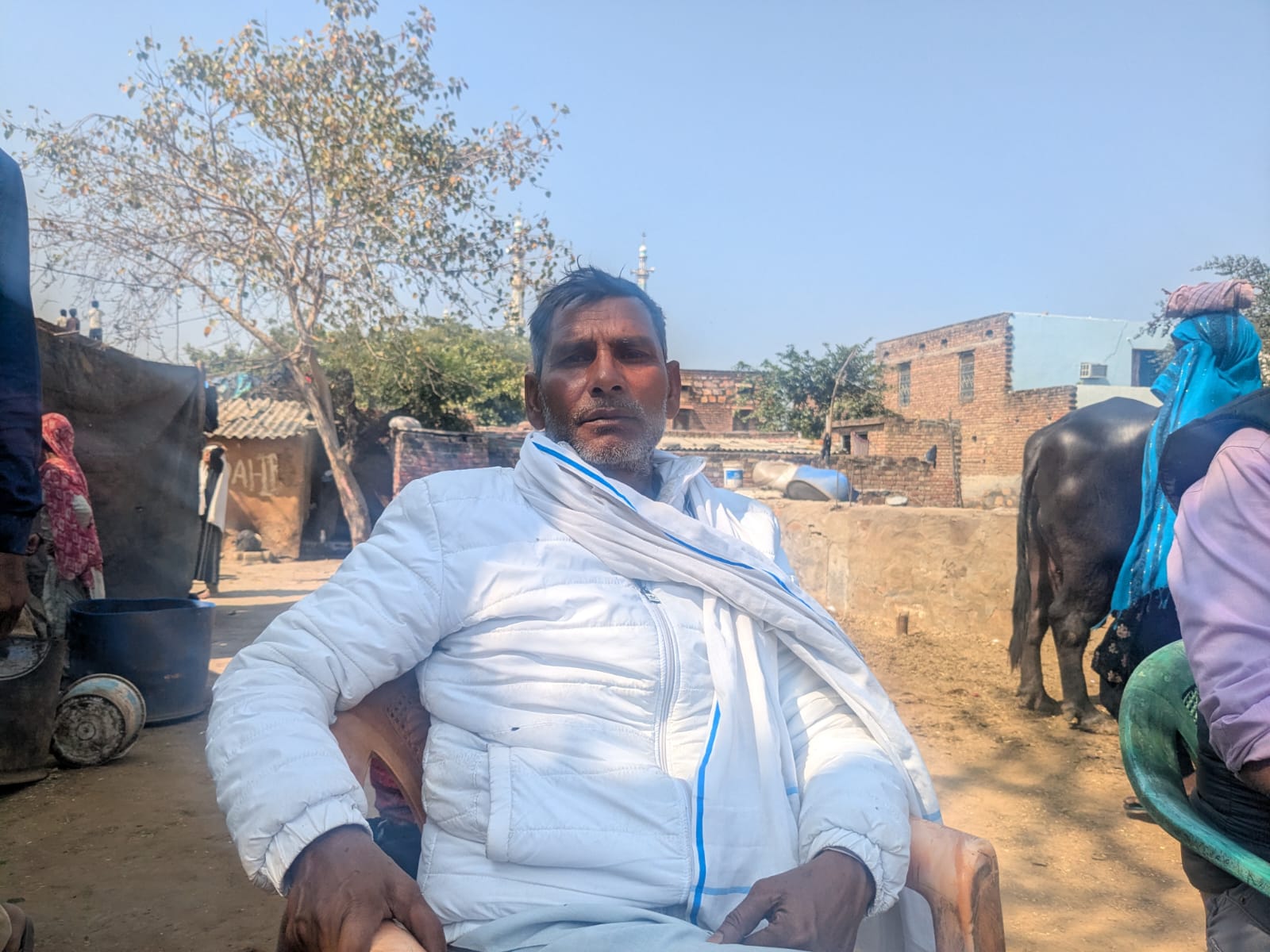
Palwal deputy commissioner Harish Kumar Vashisht toldthe Hindu that no new deaths or hospital admissions had been reported after 11 February. The exact cause of the deaths was still not known, he said, and several possibilities were being tested.
The village’s water sources are being analysed and tested for heavy metals. Chlorine tablets are being distributed, fogging carried out, and villagers advised to drink boiled water.
Public health officials are trying to raise awareness that hepatitis B and C spread through contact with infected blood, semen or other bodily fluids.
“It is transmitted through unsafe sexual contact or use of syringes by drug users or by contact with infected blood. Or it’s transmitted from mother to child during birth,” Dr Rakesh, a district medical officer, says.
“Mainly, it is a chronic infection that stays in the body for a long time. But when the immunity goes down, the infection can flare up.”
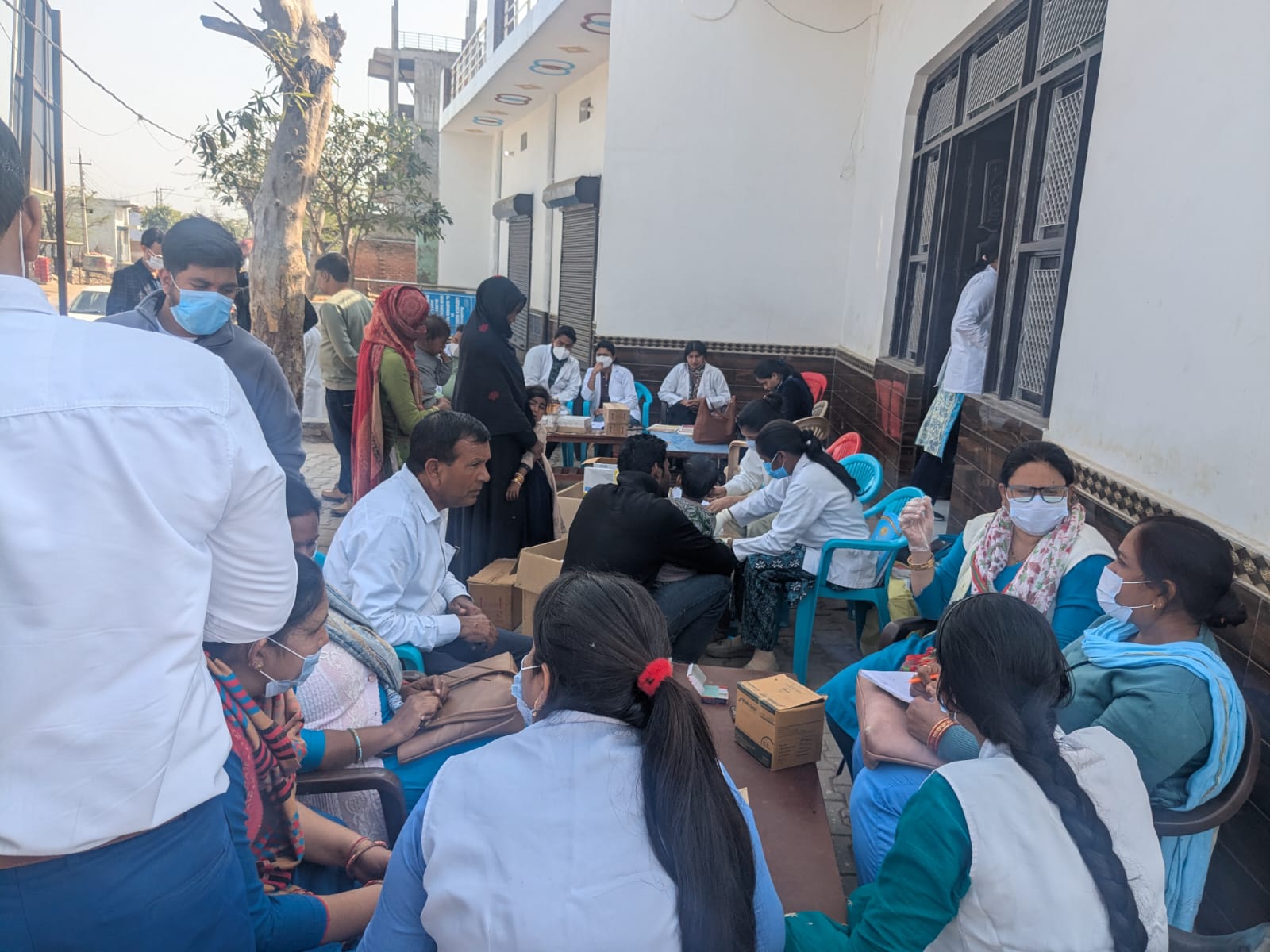
As to the sudden deaths of children and young adults in Chhainsa, he says that “there is an unclear history in some of the cases as people also often go to local quacks if there is fever or something of the sort”.
“Or they call a local doctor who comes to their home and vaccinates them or gives them injections for things like fever. So, one of the suspicions we have is, if an old syringe is reused, then a child might have an infection which was lying latent and suddenly flared up from another infection,” he says.
Dr Sanjay Sharma, the deputy civil surgeon in Hathin, says there is a big gap between clinical expectations for hepatitis and what is being seen in Chhainsa. “Deaths from hepatitis B and C don’t typically happen like this. It is a long process. It will cause liver cirrhosis. It will damage your liver. Then, after a few years, if there is a secondary infection, death may occur.”
“But here, according to what the families are saying, within two to three days of fever they are admitted, and the next day they die. So, this is perhaps not a proper history and maybe some adjoining factors are there,” he says.
Testing has yielded mixed results, Sharma explains. “Four of the seven cases are of hepatitis B. Others are coincidental findings. Acute hepatomegaly,” he says, referring to liver infection.
The 17 suspected cases of hepatitis C found during the screening exercise have been sent for confirmation. District authorities’ doctors have screened some 60 of the 80 households so far.
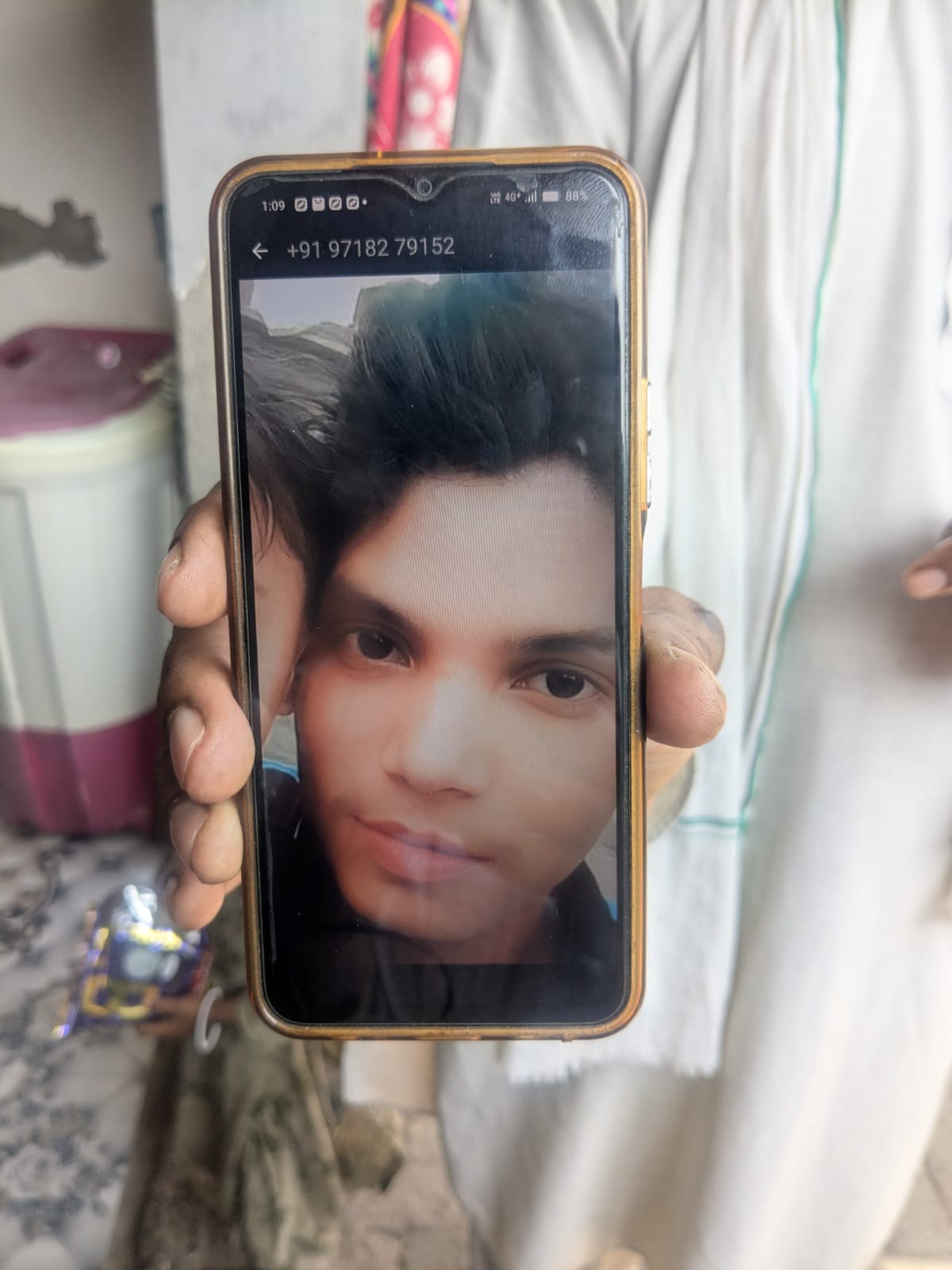
It remains unresolved why, in patient after patient, deterioration appears to have been so swift.
Mohammad Hakimuddin lost his son Dilshad, 24, on 11 February.
“A few days before, he had a fever. We took him to a local doctor. And on the third day, I took him to Hathin,” he says. “We got his blood tested and doctors said he had kalapeeliya. I got him admitted in a hospital at midnight, and 48 hours later he passed away.”
“The doctor said his liver was completely damaged,” Hakimuddin, 54, says. “My son was completely alright. The doctors did not say anything about how he got it. My son used to stay with me 24-7. He was not into drug abuse.”
Not far from Hakimuddin’s home, Pervaiz, 30, shares a similar story about the passing of his niece Huma, 17. “She had a sudden stomach ache. We took her to hospital, and she died. Doctor said her liver had failed. The doctor did not explain why,” he says.
“She was in the hospital for two nights and three days. But, despite treatment, there was no respite. She was not even conscious after a point.”
Blood tests for hepatitis C and E were negative, he says. “The doctor said that liver damage takes time,” he recalls. “So, even they could not understand how it happened overnight.”
Join our commenting forum
Join thought-provoking conversations, follow other Independent readers and see their replies
Comments
Bookmark popover
Removed from bookmarks