Bats at Indian zoo being tested for Nipah virus as authorities rush to contain infection
Many airports in Asia have begun Covid-style screening after the Nipah virus outbreak in India
Bats in India’s West Bengal are undergoing testing for the Nipah virus as authorities seek to trace and contain the source of the deadly disease that have been detected in five people in the eastern state.
Authorities at a popular zoo in the state capital of Kolkata conducted the reverse transcription polymerase chain reaction (RT-PCR) tests on bats, according to state officials. The same test is also being conducted on bats in several other parts of the state.
Last week, a team of medical researchers collected blood and swab samples from bats at Kolkata’s Alipore Zoo over two days, a senior official from the State Forest Department said, according to news wire agency Press Trust of India.
Alipore Zoo was included because it is the only facility in Kolkata that houses bats in captivity.
Zoo director, Tripti Sah, said the sampling was carried out in line with established safety protocols. “The team collected swab samples from the bats and followed all procedures during the process,” she said. The surveillance and testing are being conducted jointly by India’s National Institute of Virology and the Indian Council of Medical Research, under the supervision of the State Health Department, with logistical support from the Forest Department.
The deadly Nipah virus infected at least five health workers in West Bengal earlier this month, sparking alarm across India and in other parts of Asia.
Nipah is a zoonotic virus known to be carried by fruit bats and is classified as a notifiable disease in India, requiring immediate reporting to the central government. Nipah is a deadly virus with no vaccine or cure and is considered a high-risk pathogen by the World Health Organization.
The first two cases were detected in a male and a female nursing staff member at a private hospital in Barasat, in North 24 Parganas district, about 24km from Kolkata. Three additional cases were later identified in a doctor, a nurse, and a health worker in Purba Bardhaman district, approximately 100km from Kolkata.
Testing is being done on bats in the state’s Madhyamgram, Barasat, Basirhat, and Kolkata regions.
West Bengal’s chief wildlife warden, Sandeep Sundriyal, said all necessary permissions had been obtained before the sampling began.
“Catching bats require prior permission from the Forest Department. The Health Department sought approval, which we granted,” Mr Sundriyal said.
“Expert teams are visiting areas where bats are present across the State and collecting samples. The same process was followed at Alipore Zoo,” he added. Established in 1875, the Alipore Zoo is considered to be the oldest public zoo in India and sees annual footfall of millions of visitors every year.
Officials stressed there was no immediate cause for public concern and said precautionary measures have been taken at the zoo.
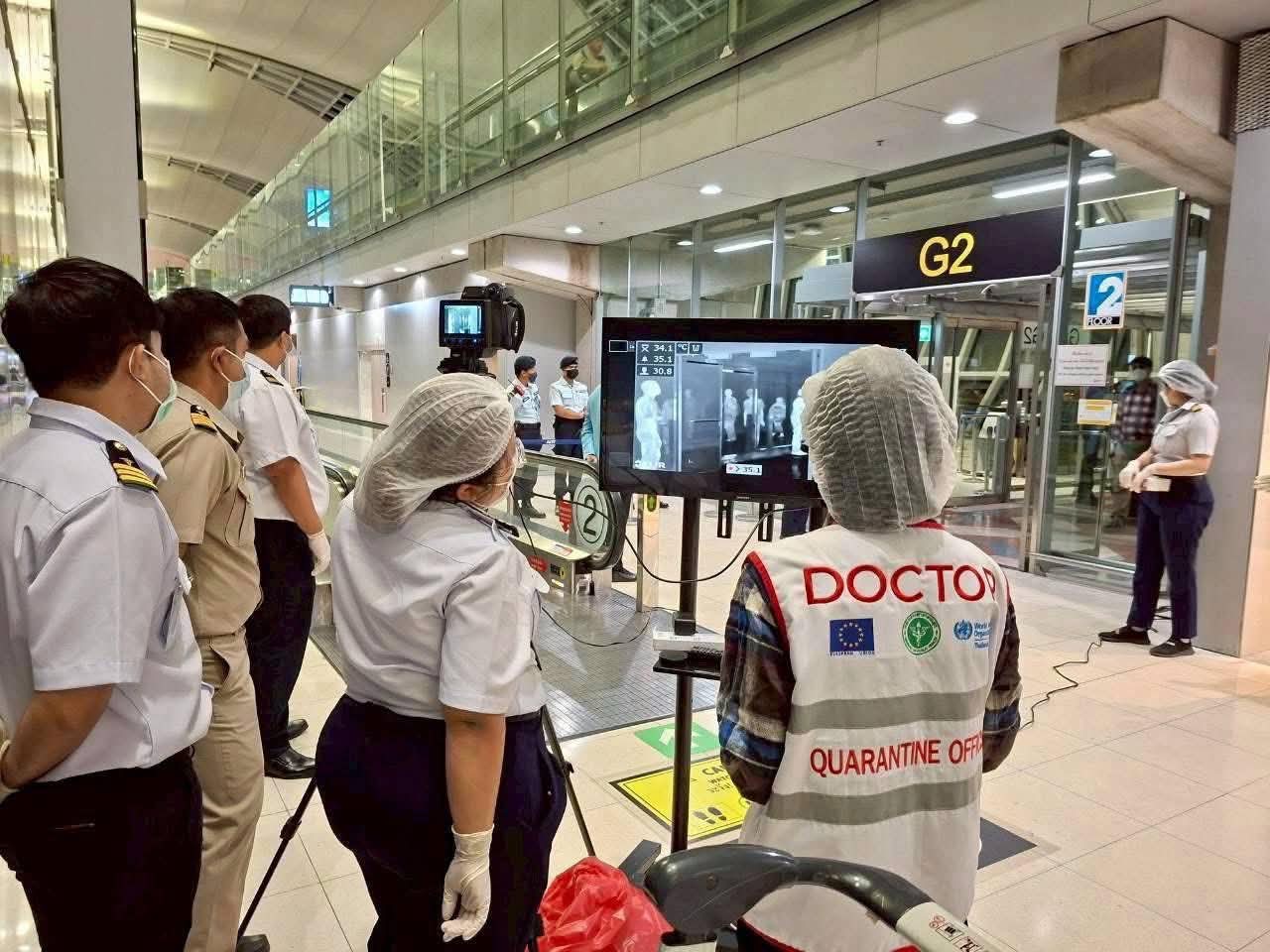
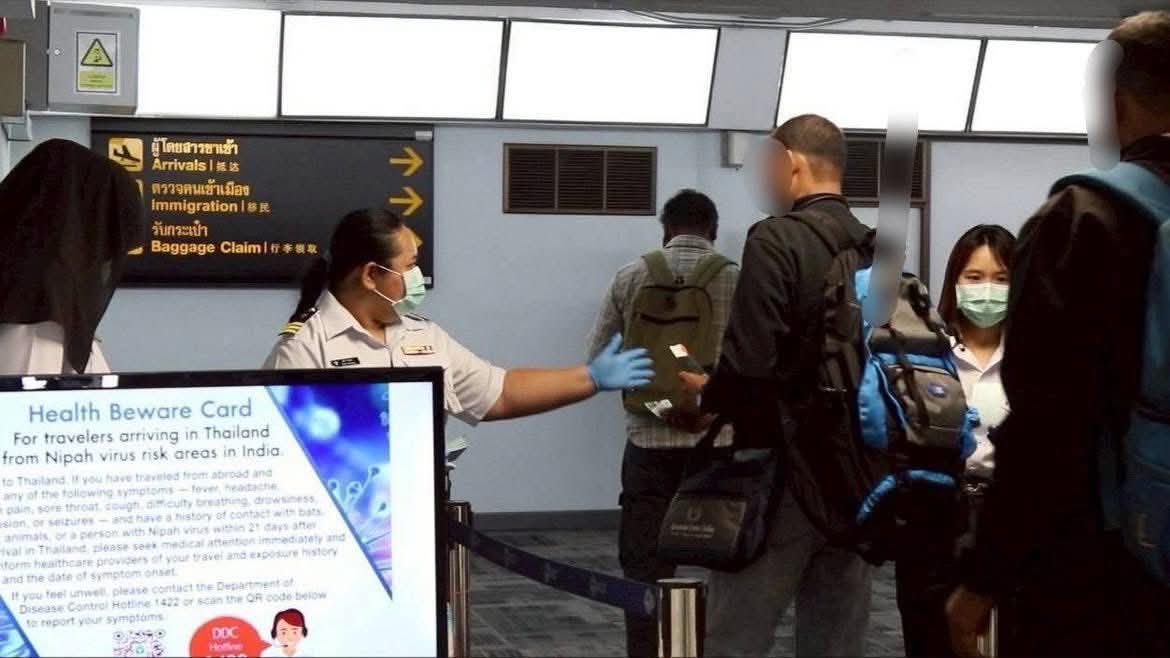
Thailand, Nepal, and Taiwan have begun tightening health surveillance and travel screening in the wake of the outbreak in India.
In Thailand, the Ministry of Public Health has stepped up screening at major airports for passengers arriving from West Bengal, using techniques that became established during the Covid-19 pandemic.
Nepal’s government has raised alert levels and intensified health checks at the Tribhuvan International Airport in Kathmandu, and at key land border crossings with India in a bid to prevent the virus from entering the country.
Health authorities in Taiwan are planning to list Nipah virus infection as a Category 5 notifiable disease, the highest classification for serious emerging infections under local law.
Join our commenting forum
Join thought-provoking conversations, follow other Independent readers and see their replies
Comments
Bookmark popover
Removed from bookmarks