Major breakthrough in vaccine development for deadly virus with 75% fatality rate
Researchers hail new trial as ‘important step forward’ in protecting vulnerable populations against fatal virus
A vaccine for the lethal Nipah virus is set for phase two trials in a major breakthrough towards preventing deadly outbreaks.
Nipah virus is a life-threatening disease that currently has no approved vaccine or treatment, and can be fatal in up to 75 per cent of cases.
It was first recognised in 1999 during an outbreak among pig farmers in Malaysia. It was also found in Bangladesh in 2001, and nearly annual outbreaks have occurred in that country since. The disease has also occurred in eastern India.
Of the 750 cases recorded since 1998, there have been 415 deaths. It is recognised by the World Health Organisation as a research priority due to its pandemic potential.
Initial symptoms include fever, headaches, muscle pain, vomiting and sore throat. These can quickly progress to acute encephalitis, pneumonia and severe respiratory problems.
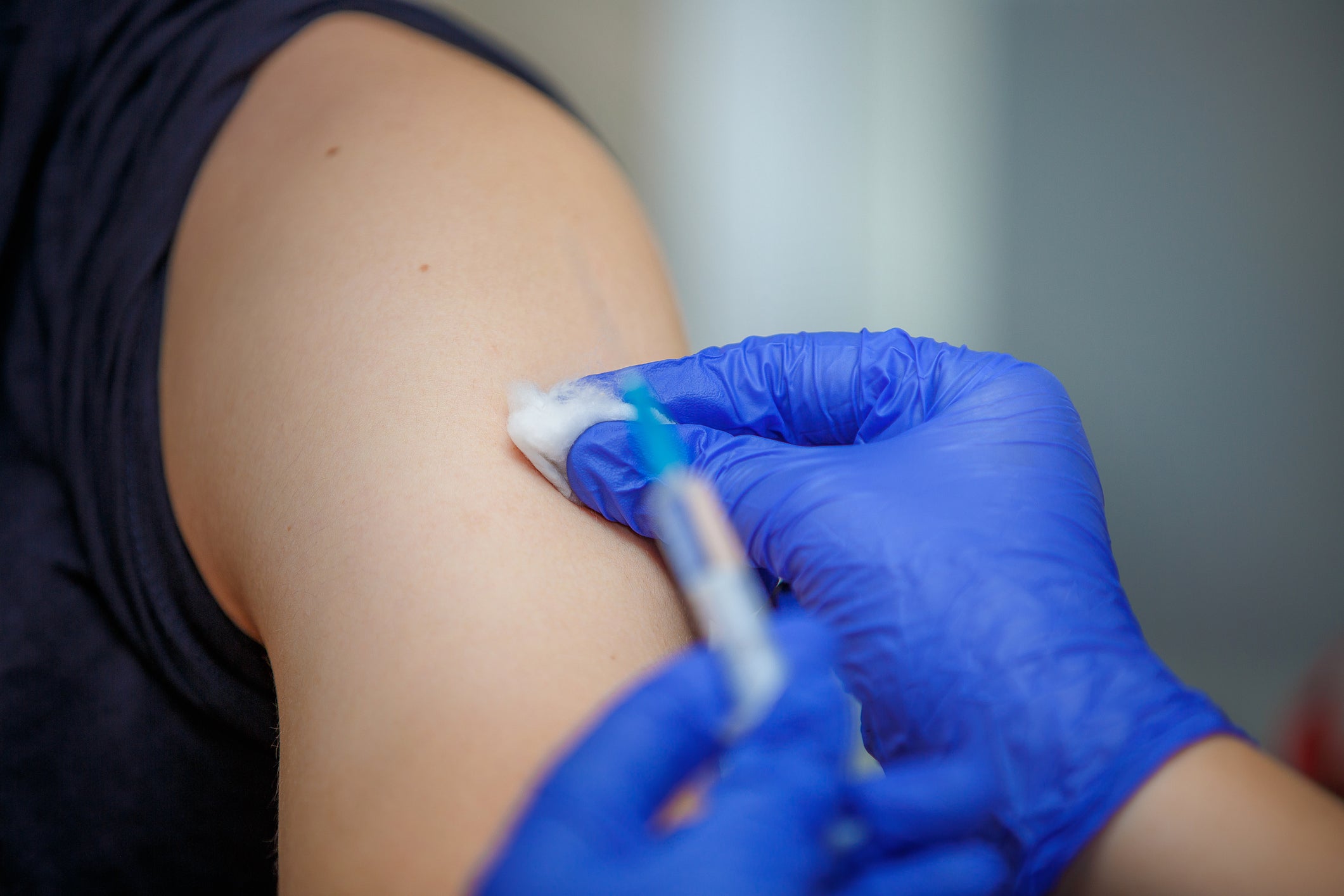
Developed by scientists at the University of Oxford, the first-in-human trials of the ChAdOx1 NipahB vaccine started in January 2024 in Oxford, led by the Oxford Vaccine Group.
Fifty-one people aged 18 to 55 have safely completed one year of follow-up in the Oxford trial with results expected in the coming months.
Phase two trials for the vaccine, in partnership with the International Centre for Diarrhoeal Disease Research, Bangladesh and funded by the Coalition for Epidemic Preparedness Innovations (CEPI), started earlier this month and will enrol 306 healthy participants aged 18 to 55.
Professor Dame Sarah Gilbert, the vaccine’s developer and professor of Vaccinology at Oxford’s Pandemic Sciences Institute, said: “This new trial in Bangladesh marks an important step forward in our work to develop a vaccine against Nipah virus, a deadly health threat that currently has no approved vaccine or treatment.
“The progress we’ve made so far – with the support of our collaborators and funders – is testament to the value of international collaboration and long-term investment in pandemic preparedness.”
Professor Brian Angus, chief investigator of the trial at the Oxford Vaccine Group, said: “Starting a Phase II trial in a country affected by regular Nipah outbreaks is a critical step in making sure this vaccine is both effective and relevant to the people who need it most. It’s an essential part of ensuring equitable access to protection against emerging infectious diseases.”
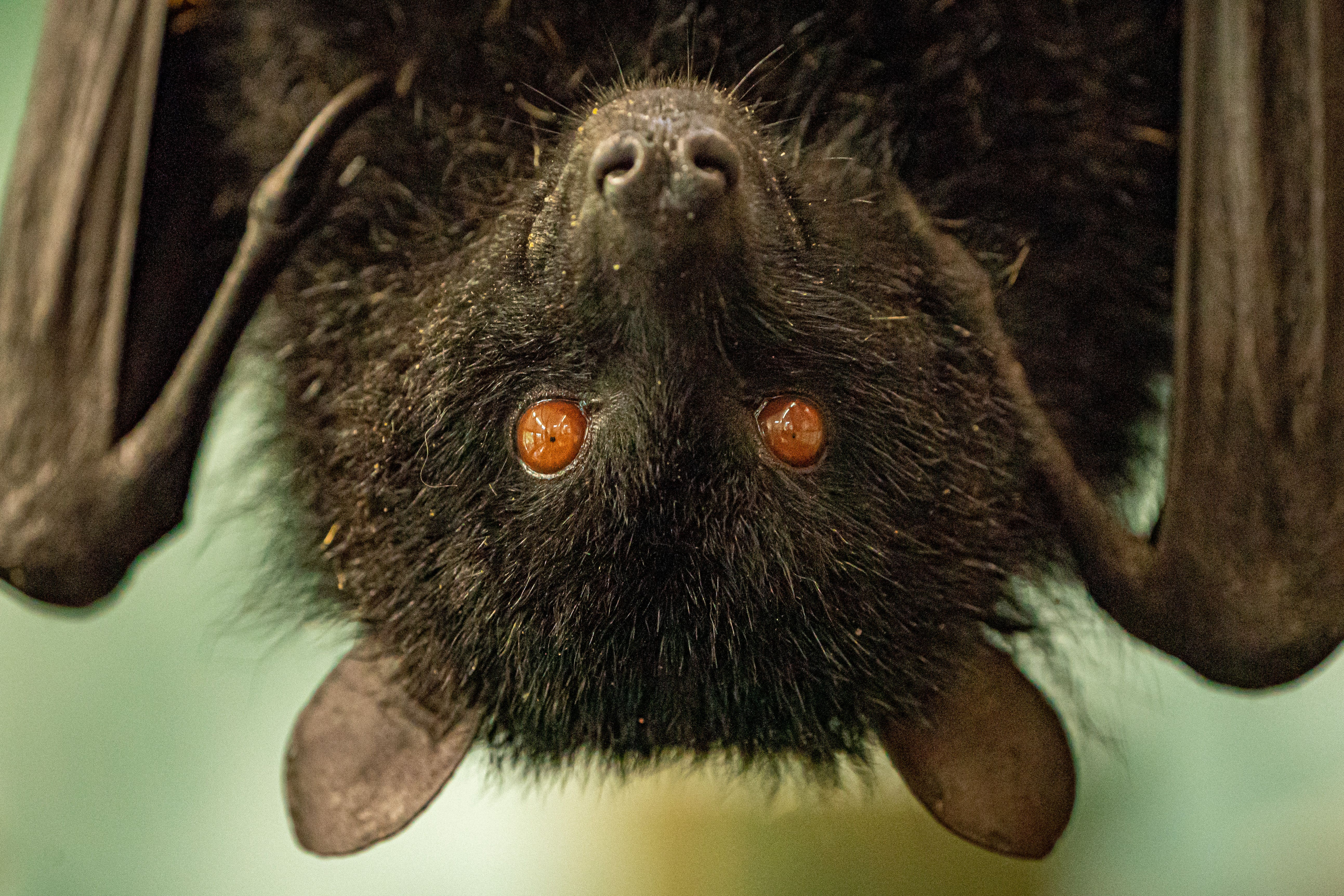
The zoonotic virus is carried by fruit bats and its main route of transmission is through drinking contaminated date palm sap. Humans may also be infected via an intermediate animal host, or by person-to-person spread including healthcare workers.
Evidence of the virus has been found in bat species in a number of countries, including Cambodia, Ghana, Indonesia, Madagascar, the Philippines and Thailand.
“Oxford’s Nipah virus vaccine candidate is the most advanced vaccine against this highly lethal virus. The start of this phase II trial is a first of its kind and represents the culmination of years of cutting-edge research and global scientific collaboration,” said Dr Kent Kester, CEPI’s executive director of Vaccine Research and Development.
He added: “The results from this study will hopefully bring us a step closer towards protecting vulnerable populations against future deadly Nipah outbreaks and will help inform the development of other Paramyxovirus countermeasures.”
Join our commenting forum
Join thought-provoking conversations, follow other Independent readers and see their replies
Comments
Bookmark popover
Removed from bookmarks