Sam Altman warns open-source AI could enable pathogens as leaders call for global guardrails at India summit
Big tech CEOs and world leaders come together in Delhi to discuss how to govern the technology reshaping economies and geopolitics
OpenAI chief Sam Altman warned that rapidly advancing artificial intelligence systems could soon be powerful enough to help create new pathogens.
His comments came as world leaders gathered in India’s capital Delhi to discuss how to govern the technology reshaping economies and geopolitics.
Addressing a packed 7,000-seat plenary hall at the India AI Impact Summit, which brought together some of the world’s most powerful technology executives and political leaders, Mr Altman warned the world needs to be ready to “respond to changing circumstances” due to AI.
“For an obvious example, there’ll be extremely capable biomodels available open-source that could help people create new pathogens,” Mr Altman said.
“We need a society-wide approach about how we’re going to defend against this.
“The world may need something like the IAEA (International Atomic Energy Agency) for international coordination of AI,” he said, referring to the UN’s nuclear watchdog.
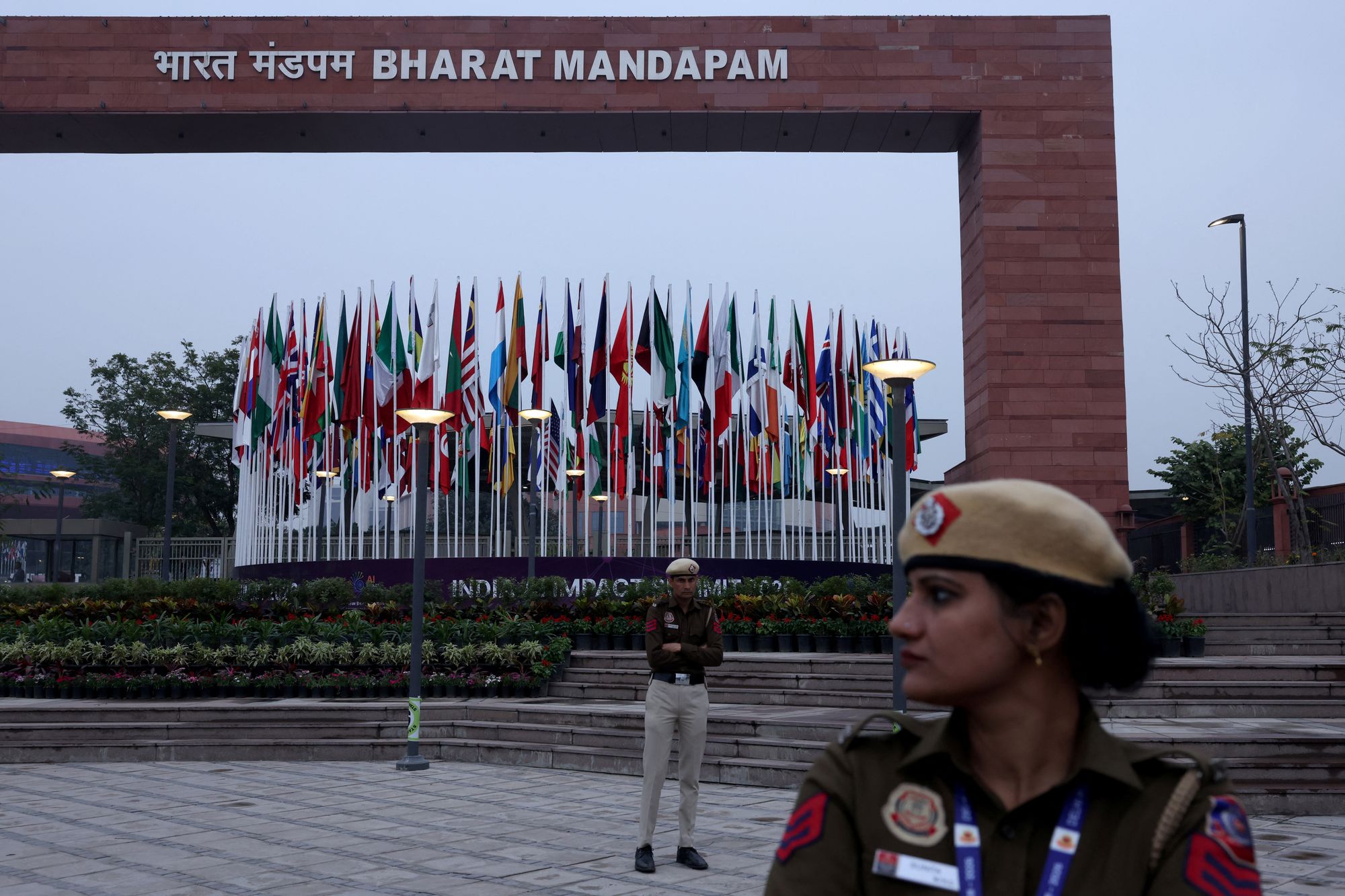
The remarks came on the fourth and most high-profile day of the five-day summit, billed as the largest global AI gathering in the developing world. The day started with tightened security as police blocked several roads leading up to the sprawling Bharat Mandapam venue in central Delhi for VIP movement and exhibition, for which over 250,000 people have signed up.
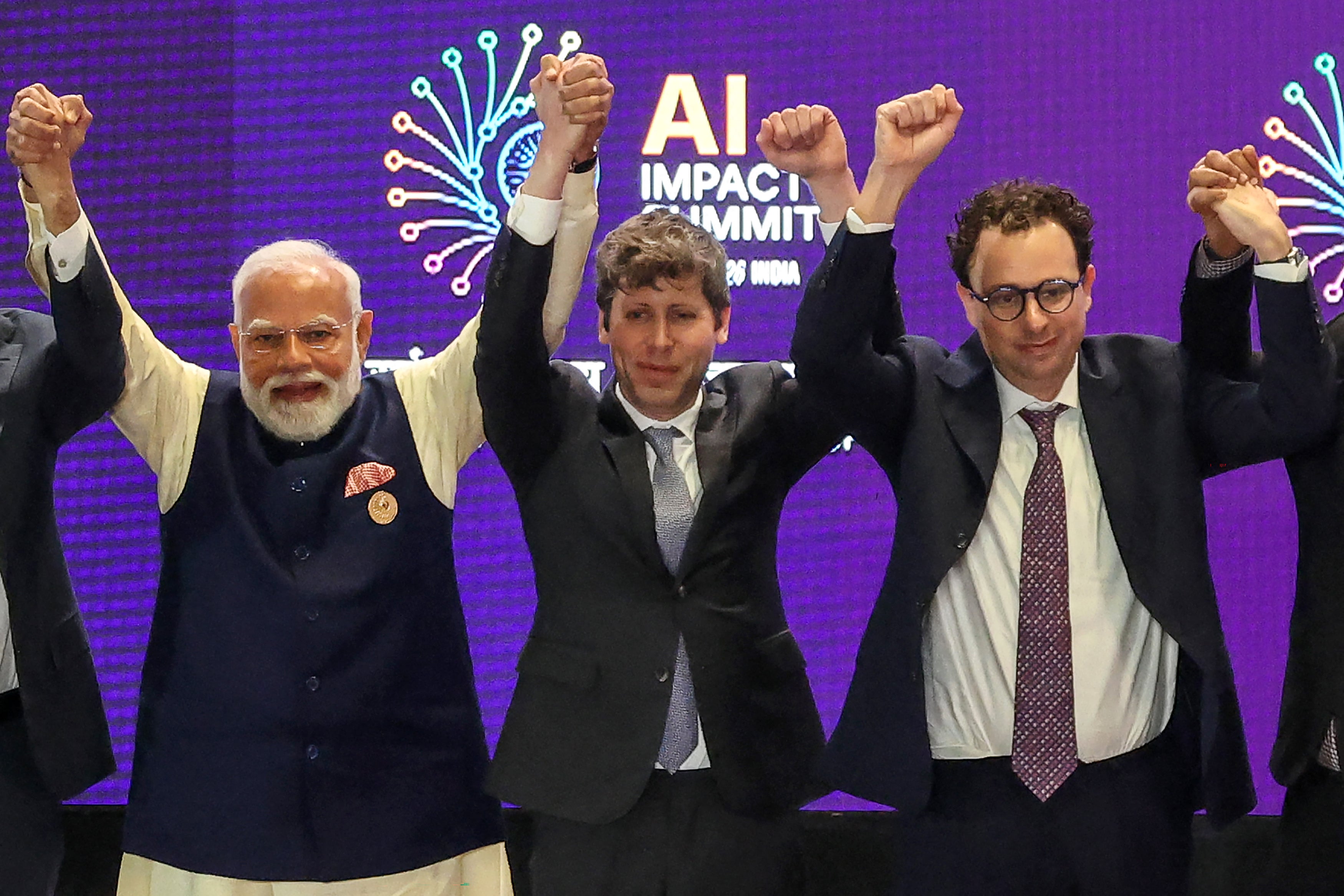
AI’s economic promise was repeatedly invoked during the ceremony, but so were its risks. Mr Altman acknowledged that automation would disrupt labour markets, even as he expressed confidence that “technology always disrupts jobs; we always find new and better things to do”.
He also warned that concentrating the technology in one company or country “could lead to ruin”.
“The next few years will test global society,” he said. “We can choose to either empower people or concentrate power.”
United Nations secretary-general, António Guterres, struck a similar note, cautioning that the future of AI “cannot be decided by a handful of countries or left to the whims of a few billionaires”.
“AI must belong to everyone,” he said, proposing a $3bn global fund to help developing nations build skills, data capacity and affordable computing infrastructure. “Our target is $3bn. That’s less than one per cent of the annual revenue of a single tech company.”
Without such investment, he warned, many countries risk being “logged out of the AI age”.
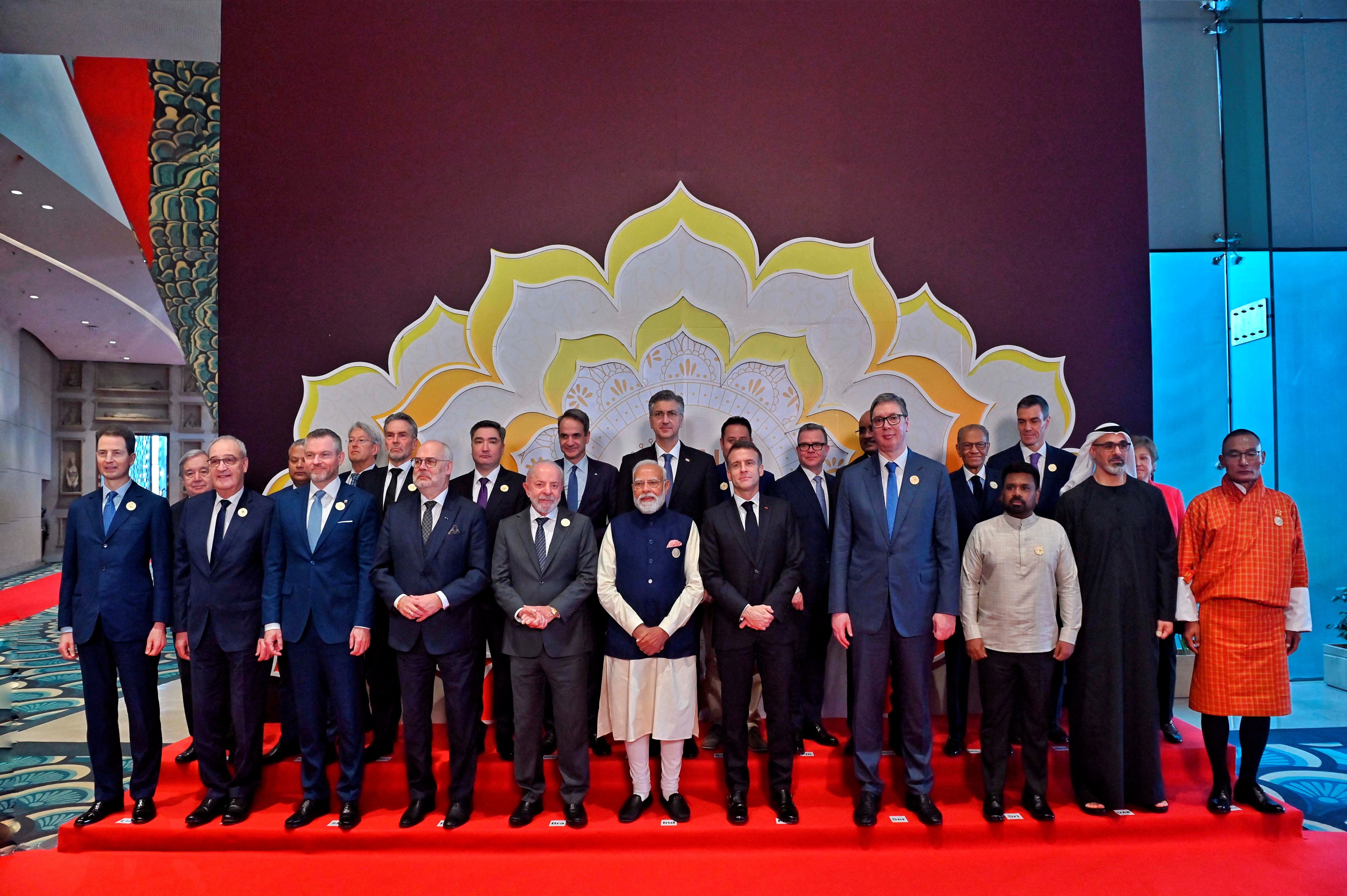
French president Emmanuel Macron said graphics processors and chips are now “directly translated into geopolitical and macroeconomic terms”. He praised India’s digital public infrastructure, including its biometric identity system and real-time payments network, as something “no other country in the world has built”.
“France and India must stay together,” he said, arguing that democratic nations should help shape global rules rather than leave them to market forces alone.
The summit underscored India’s ambition to position itself not merely as a consumer of AI systems developed in Silicon Valley or Shenzhen, but as a co-architect of the next phase of the technology. During the summit, three India-made AI models were launched, including Sarvam AI, an artificial-intelligence model that the company says is tailored more for Indian needs as compared to its global counterparts, such as ChatGPT and Claude.
Google chief executive Sundar Pichai described AI as “the biggest platform shift of our lifetimes” and warned that policymakers must ensure “the digital divide does not become the AI divide”. He outlined plans for a new full-stack AI hub in India’s Visakhapatnam city as part of a £11bn infrastructure push in India, including subsea connectivity and large-scale computing facilities.
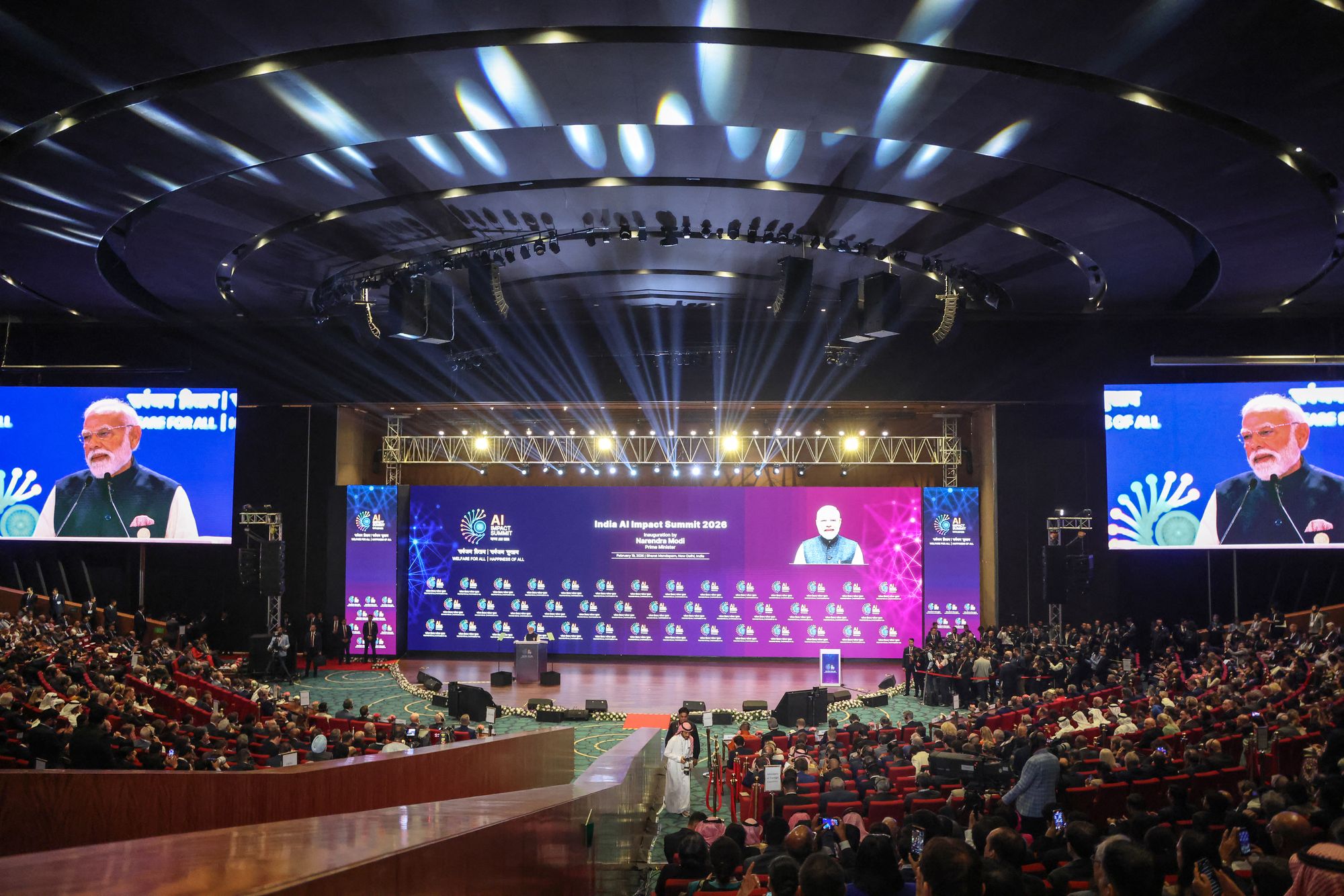
Indian prime minister Narendra Modi, who inaugurated the leaders’ segment, called for AI to be developed as a “global common good” and urged countries to establish shared standards. “AI must be democratised,” he said. “It must be made a medium for inclusion and empowerment, especially in the Global South.”
The event, however, has not been without controversy. On Thursday, Microsoft co-founder Bill Gates withdrew from delivering a keynote address, with his foundation saying the decision was taken to “ensure the focus remains on the AI Summit’s key priorities” amid criticism over his past association with Jeffrey Epstein.
Tight security, traffic, and road closures throughout the week have also been a feature of the summit, with many delegates standing in queues for hours in the initial days, as well as sudden security sweeps leading to a complaint about missing equipment.
Join our commenting forum
Join thought-provoking conversations, follow other Independent readers and see their replies
Comments
Bookmark popover
Removed from bookmarks