Girl, 13, identified as victim of Hiroshima atomic bombing after 80 years
Hatsue Kajiyama becomes first victim of US nuclear attack to be successfully identified by DNA analysis
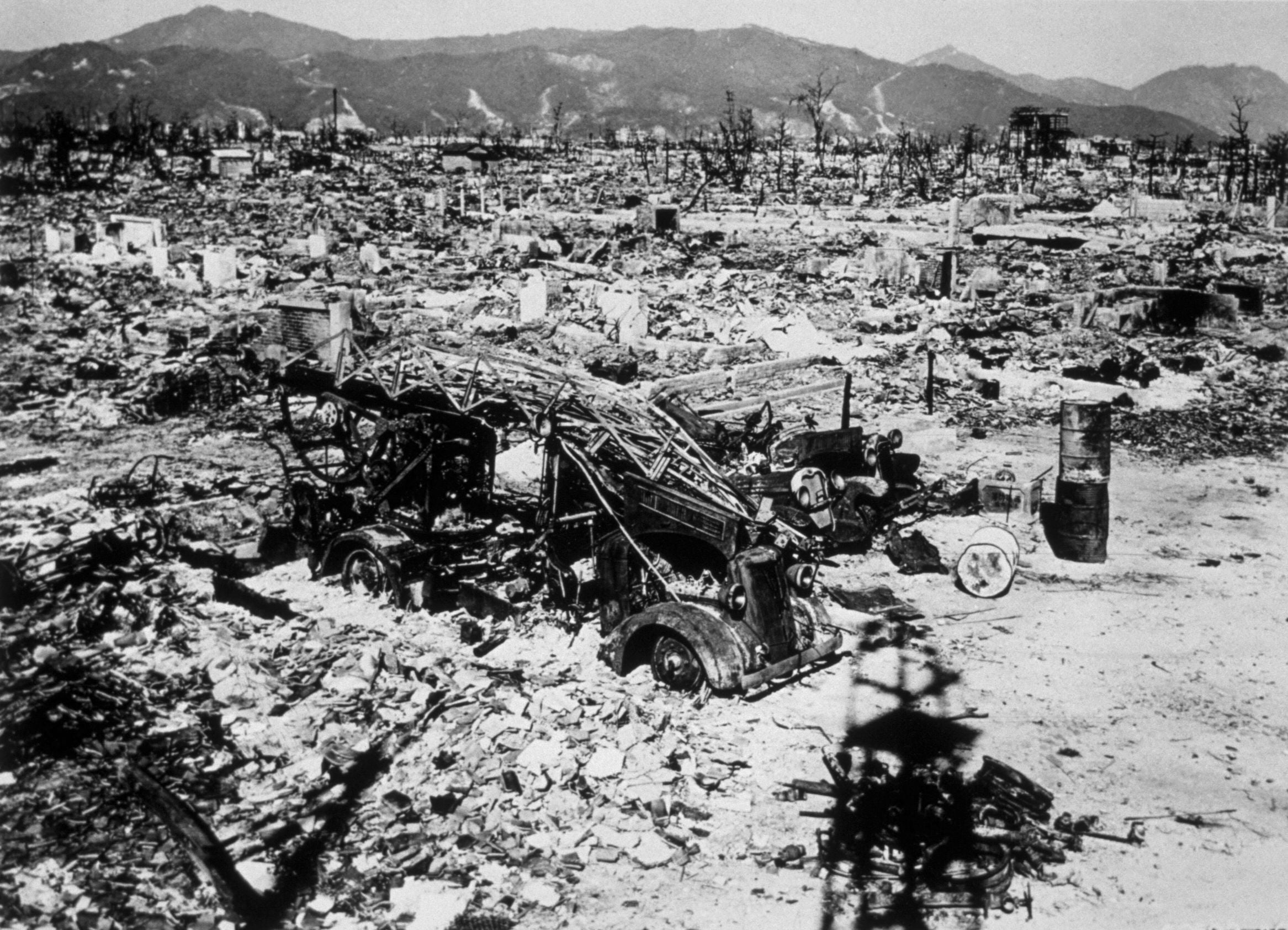
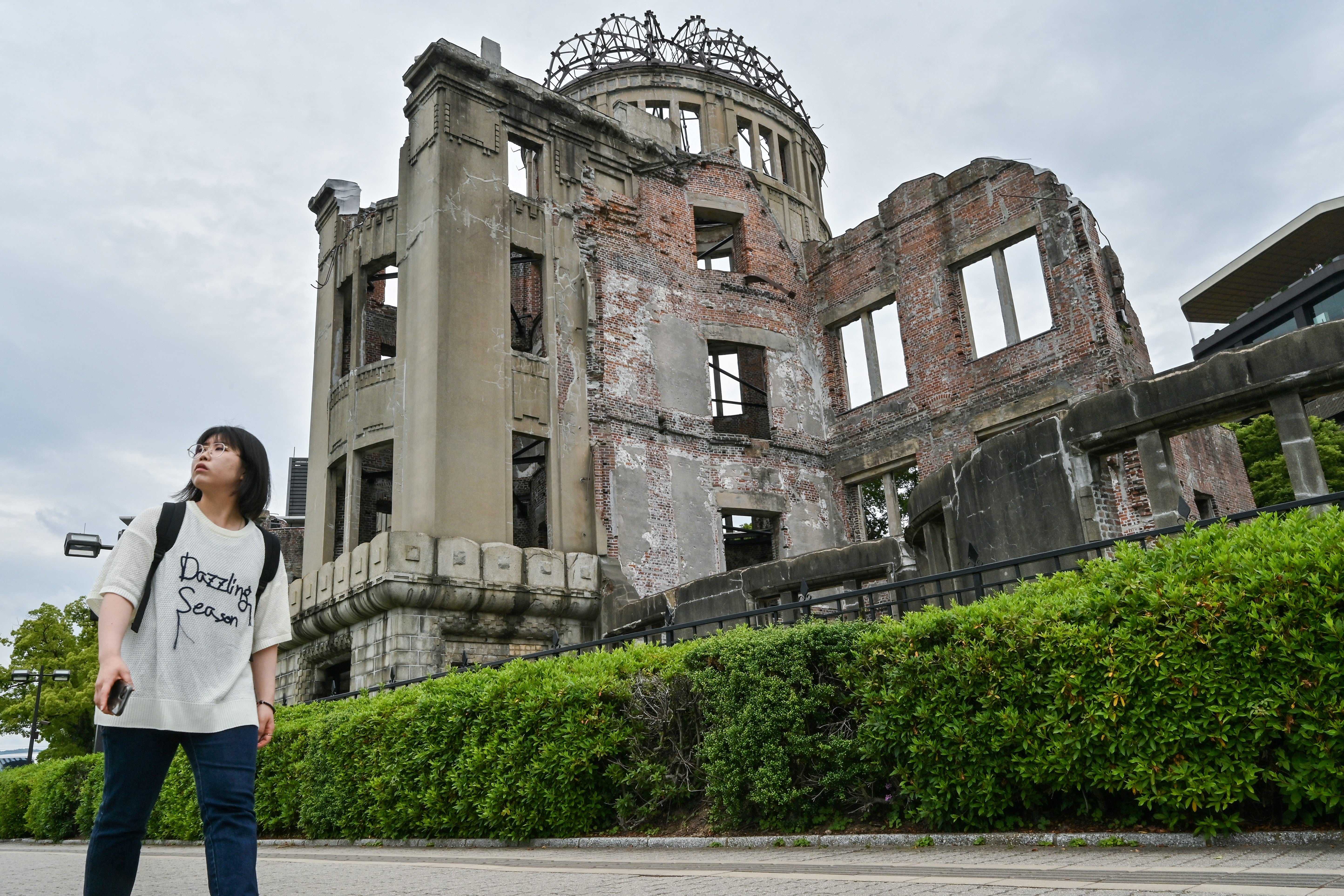
The hair and ashes of a victim of the US atomic bombing of Hiroshima have been identified as that of a 13-year-old girl after nearly eight decades, officials said on Monday.
The city administration said this was the first time that DNA analysis had successfully identified a victim of the 6 August 1945 bombing.
Hatsue Kajiyama was 13 when she was killed. Her identity was confirmed after a nephew, Shuji Kajiyama, 60, contacted Hiroshima authorities in May.
The hair of the victim was preserved along with her ashes, listed under the name Michiko Kajiyama in the burial registry for unclaimed remains.
The nephew requested a DNA test after noticing a name on the cenotaph registry at the Peace Memorial Park that resembled her surviving sister’s.
Shuji Kajiyama believed that her name was recorded incorrectly and requested that the information be verified.
The DNA extracted from the hair was tested at the Kanagawa Dental University and compared with the DNA of Hatsue Kajiyama’s 91-year-old sister.
The results were consistent with a blood relationship, confirming Hatsue Kajiyama’s identity, officials said.
Relatives now plan to apply for the return of her remains.
Hiroshima officials said they would continue to offer DNA testing of preserved hair upon request, in the hope of identifying more victims of the bombing.
“I am glad that I decided to undertake the DNA analysis, which was a major decision because I held concerns about the possibility there might not be a match,” said Shuji Kajiyama.
“I hope other families in the same situation as us will have the remains of loved ones returned to them.”
According to the Asahi newspaper, the Kajiyama family, who made and sold rice cakes in Hiroshima, moved to Manchuria in 1945 as life became increasingly difficult at home.
But the 13-year-old Hatsue Kajiyama chose to stay behind with her grandmother, Haru, to continue her studies.
She frequently wrote to her family, describing her dedication to school despite air raids.
On 6 August 1945, Hatsue Kajiyama, a second-year senior high student, and her classmates were called to help demolish a structure to create a fire control zone.
Not long after, the US Air Force dropped the first nuclear bomb on Hiroshima. Three days later, on 9 August, the US dropped a second bomb on Nagasaki.
The attack killed about 150,000 people, including Hatsue Kajiyama, her grandmother and all her classmates.
Join our commenting forum
Join thought-provoking conversations, follow other Independent readers and see their replies
Comments
Bookmark popover
Removed from bookmarks