Japan earthquake live: Tsunami alert lifted after 6.9-magnitude tremor prompts evacuations along Pacific coast
Details on damage and injuries from the new quake weren’t immediately clear
Japan was struck by a new 6.9-magnitude earthquake on Friday morning, hitting a similar area of the Pacific coast to Monday night’s powerful 7.5-magnitude tremor.
The new quake off Aomori prefecture triggered a fresh tsunami advisory from the Japan Meteorological Agency, which warned of the potential for 1 metre tsunami waves along much of the Pacific coast of Hokkaido, Aomori, Iwate and Miyagi prefectures.
That advisory was lifted around two hours later, but a number of communities along the coast were evacuated.
The extent of damage or injuries from the new quake wasn’t immediately clear.
Japan had earlier warned of possible aftershocks following Monday’s 7.5-magnitude tremor. Monday night’s earthquake injured at least 51 people and triggered widespread tsunami warnings, with waves of up to 70cm reported in several coastal communities.
On Tuesday, Japan’s weather agency issued its highest-level warning that a megaquake – an earthquake of magnitude 8 or higher – could follow Monday’s powerful tremor. The notice, which remains in place until 16 December, was the first time this top-tier alert has been issued since the warning system was launched in 2022.


Students returning to school today recount the horrors of Monday’s earthquake as life slowly returns to normal
Students were seen returning to their classrooms in northern Japan today after Monday’s magnitude-7.5 earthquake.
“Yesterday, I discussed with my family what we should do when the next earthquake strikes. I’m happy to see my friends,” Aren Shirayama, a 9-year-old third grader told Japan’s Mainichi.
Sixth-grader Asahi Yoshida, 12, shared: “I was scared since furniture toppled over and dishes were scattered. I spent time yesterday talking with my family and playing games. Our usual daily life has returned.”
Meanwhile, teachers at an elementary school in Shinhidaka, along southern Hokkaido’s coast, reviewed evacuation procedures during morning drills.
Naomi Kumagai, the school’s vice principal, said: “Children appeared to be the same as usual.”
Authorities continue to monitor the region amid a megaquake advisory.
Expert says do not ignore possibility of a megaquake
Japanese authorities estimate that there is a 1 per cent chance of a massive earthquake occurring within the next week.
The Japanese Meteorological Agency (JMA) has issued its highest-level warning that a megaquake could follow yesterday’s 7.5-magnitude tremor.
Authorities urged anyone living near the Pacific coast to remain vigilant throughout the coming week and to prepare evacuation plans in case they need to flee their homes.

Professor Sekiya Naoya of the University of Tokyo’s Graduate School warns that if such a disaster were to strike, up to 200,000 lives could be at risk.
According to NHK Japan, he urged the public not to ignore this possibility, and added that the Japan Meteorological Agency’s advisory should serve as a reminder to review emergency plans and preparedness measures.
Japan’s earthquake and ‘megaquake’ advisory: What we know so far
The Japanese Fire and Disaster Management Agency has revised the casualty count from Monday night’s 7.5-magnitude earthquake, confirming that 51 people were injured across Hokkaido, Aomori and Iwate provinces. Seven of those were rated as suffering severe injuries.
In the aftermath of that powerful tremor, Japan’s weather agency issued its first-ever top-tier warning for a “megaquake”, or an earthquake of magnitude 8 or greater. The megaquake advisory covers 182 municipalities across seven prefectures along the Pacific coast, from Hokkaido down to Chiba.
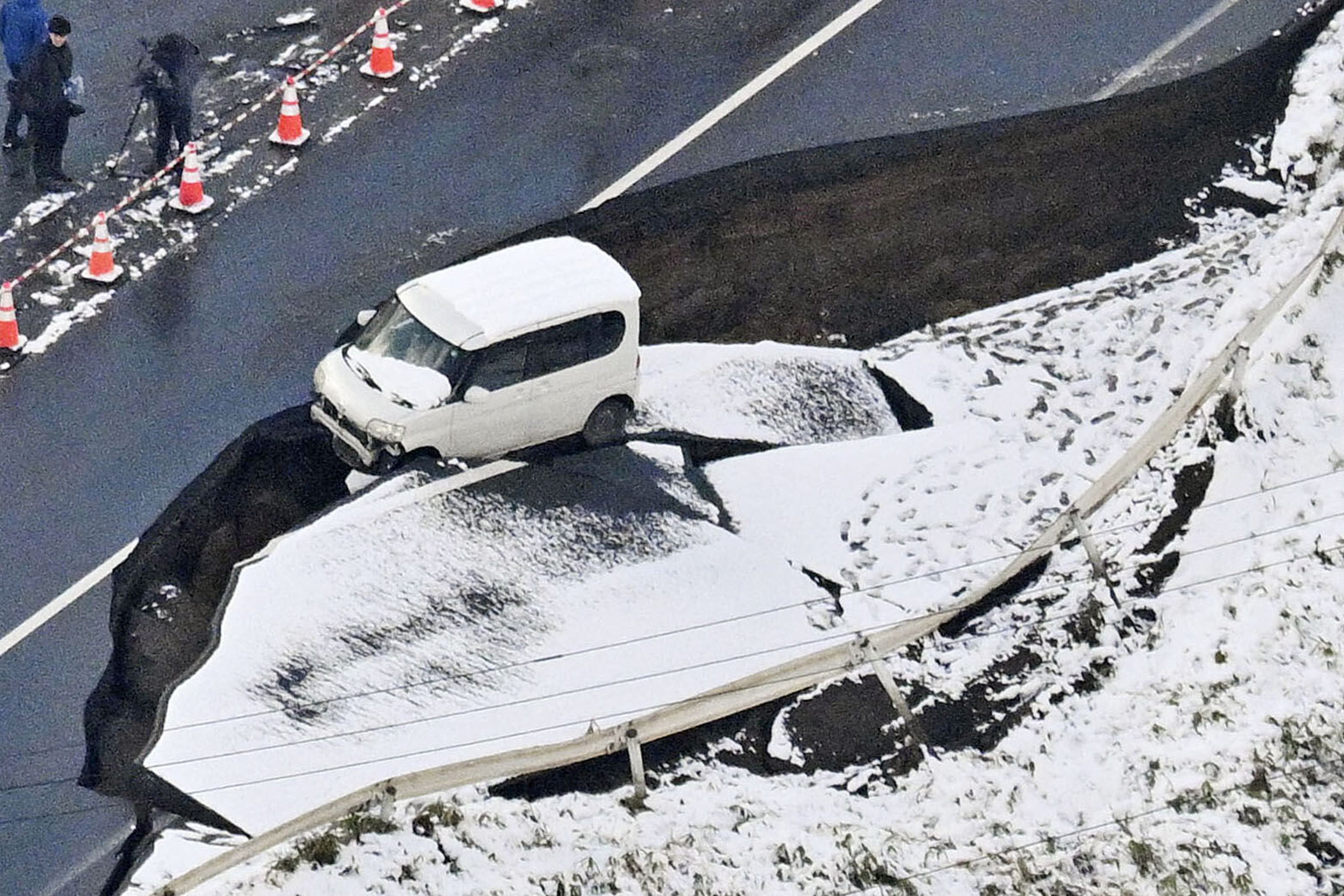
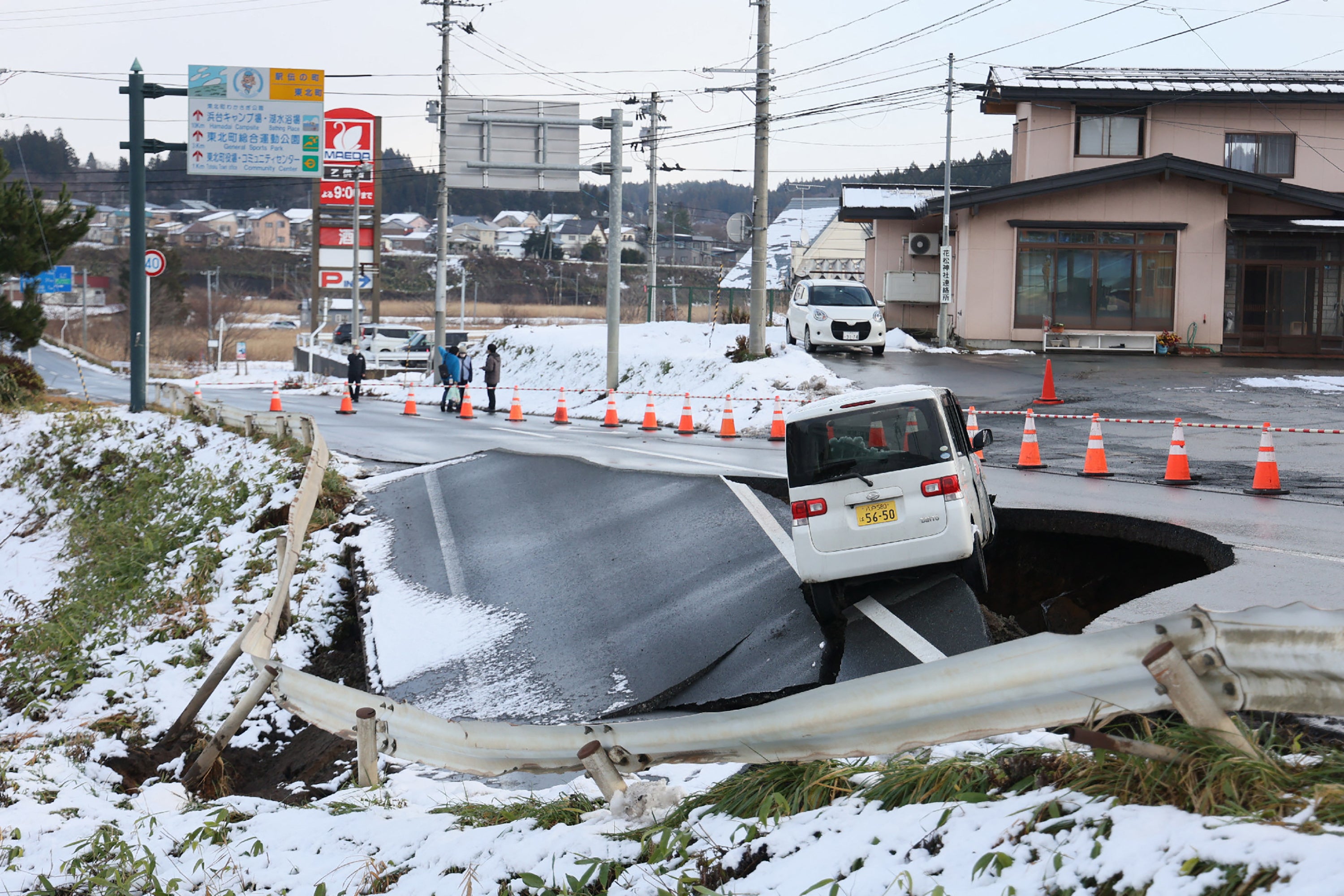
Officials have said that there has been no significant damage to major infrastructure and that nuclear power plant facilities were also unscathed after Monday’s earthquake.
Municipalities ramped up their preparedness in the wake of the megaquake advisory, which is in effect until 16 December.
Local governments updated residents, checked emergency stocks, and tested communication systems. Citizens were urged to keep grab-and-go emergency megaquake kits ready.
Officials also issued public safety recommendations and urged families to sleep in the same room as elderly or vulnerable members and wear day clothes at night to allow faster evacuation in case of any emergency.
Most schools across northern Japan resumed classes today. Students shared stories of fear during the quake, but said daily life was slowly returning to normal. Drills and evacuation reviews took place in many classrooms, according to local reports.
Some examples of damage have been reported after Monday’s quake, including to the historic Chojasan Shinra Shrine in Aomori’s Hachinohe city.
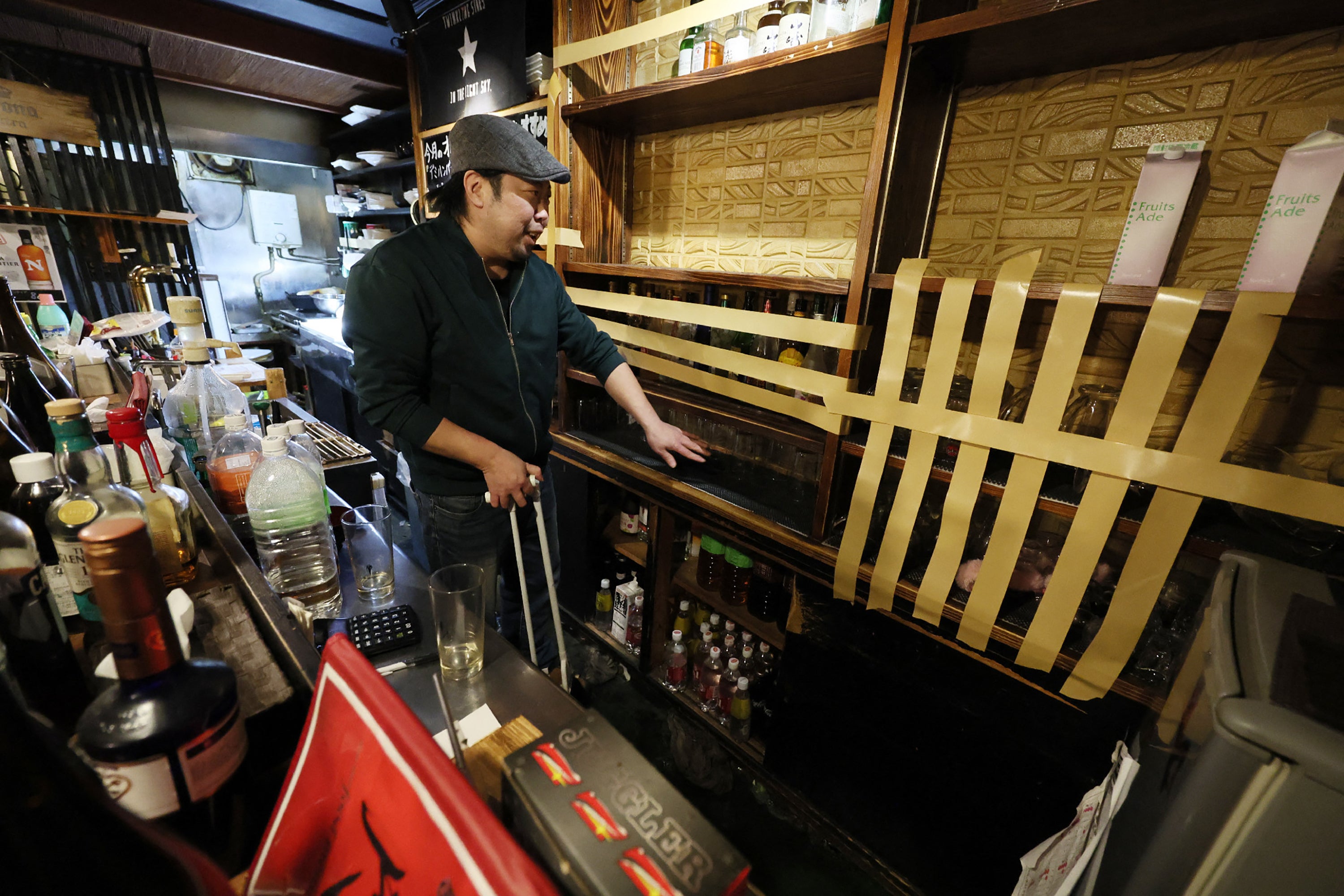
A pub owner in Hachinohe was seen taping bottles to the wall after the quake smashed untethered glass items.
In the wake of Monday’s 7.5-magnitude earthquake, social media saw a wave of fake videos and conspiracy theories about the quake’s cause. Officials urged the public to rely only on verified government sources.
Even though the megaquake advisory remains in place and citizens have been urged to stay vigilant, there is currently no need for citizens to evacuate.
How many prefectures does the megaquake advisory cover?
The Japan Meteorological Agency issued its first-ever special advisory yesterday, warning of possible megaquake and tsunami along the Hokkaido and Sanriku coasts, following Monday’s magnitude-7.5 earthquake off Aomori Prefecture’s eastern shore.
The advisory is issued whenever a magnitude-7 or higher earthquake occurs in northern Japan, signalling an elevated risk of a major trench-type quake along the Japan Trench and Chishima Trench.
The advisory currently covers 182 municipalities across seven prefectures: 63 in Hokkaido, 28 in Aomori, 23 in Iwate, 35 in Miyagi, 10 in Fukushima, nine in Ibaraki, and 14 in Chiba.
Residents in these areas could experience strong shaking – lower 6 or higher on Japan’s intensity scale – and tsunamis exceeding three metres.
The alert system was established in December 2022, drawing on historical patterns showing that significant earthquakes often follow magnitude-7 events along these trenches.
This is the first time the advisory has been activated since the system was launched.
Sleep in the same room as elders, government recommends in the wake of megaquake advisory
In the wake of the megaquake advisory issued by the Japanese Meteorological Agency, the government has recommended sleeping in the same room with those who may need extra care, such as children and older adults, to ensure their safety during emergencies, according to The Japan Times.
Wearing day clothes instead of pyjamas that allow for quick evacuation without the need to change can save precious time in case of sudden danger, the recommendations say.
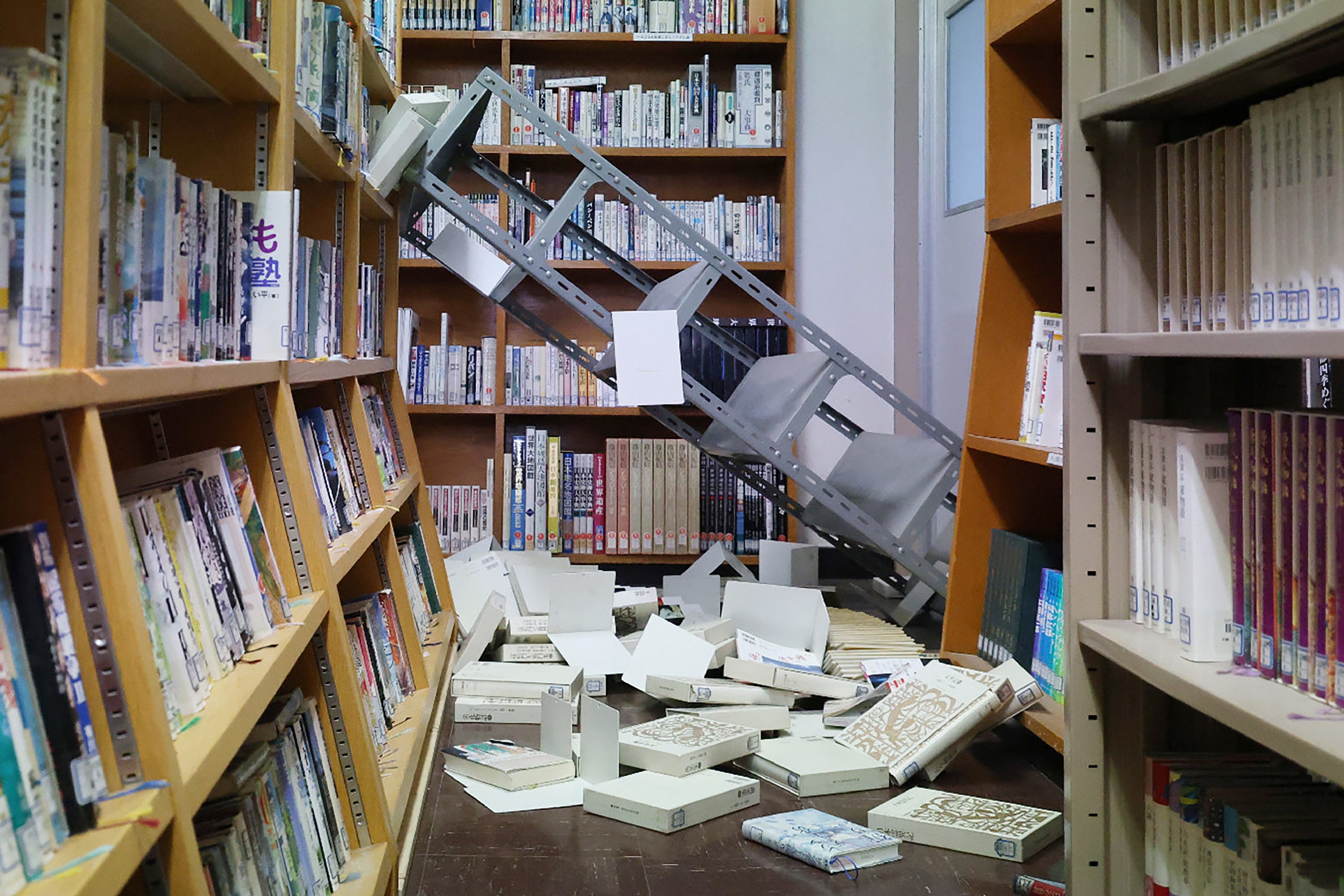
More than 30 people were injured in Monday’s magnitude-7.5 earthquake.
A rare megaquake advisory is in effect for coastal regions from Hokkaido to Chiba till 16 December.
Japan municipalities prepare for megaquake emergency
Municipalities in Japan have published explanations of the megaquake advisory on their websites and have begun checking their stocks of relief supplies and equipment for use at evacuation centres.
In Fukushima’s Iwaki City, officials urged residents to sign up for emergency email alerts, while in the town of Oarai in Ibaraki Prefecture, northeast of Tokyo, authorities inspected wireless communication systems to ensure they function during any further emergencies.
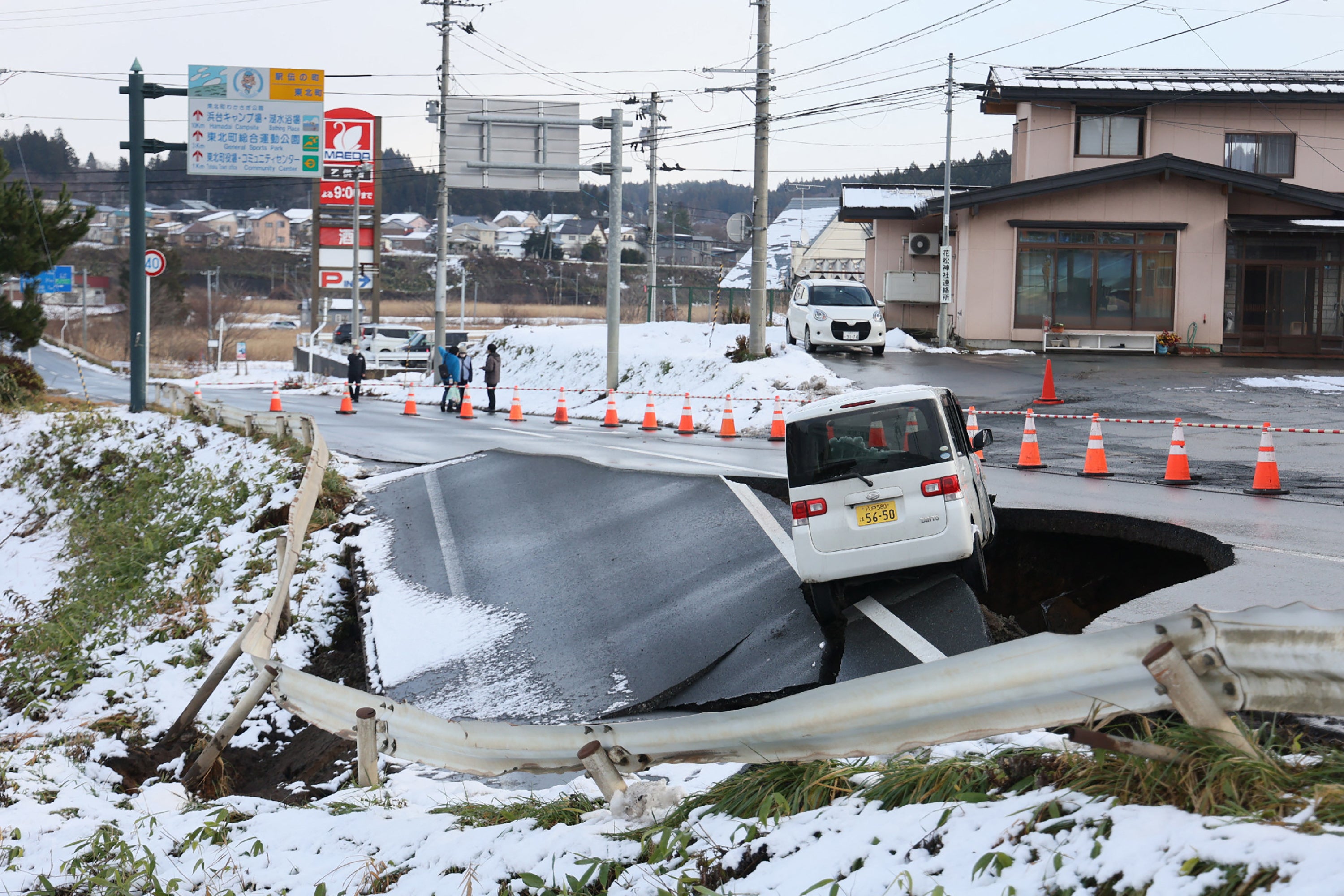
In the aftermath of Monday’s earthquake, officials have urged residents to keep an emergency bag stocked with several days’ worth of essential supplies, including food, water, medication, sturdy shoes and protective helmets.
Yesterday, Japan’s weather agency issued its highest-level warning that a megaquake could follow Monday’s 7.5-magnitude tremor.
No significant damage to infrastructure reported
There was no significant damage to infrastructure and no abnormalities at any of Japan’s nuclear power plants after Monday’s massive earthquake.
Chief cabinet secretary Minoru Kihara told reporters that the government was still assessing the situation, gathering details on casualties and property damage, and had activated a crisis management office at the Prime Minister’s Office.
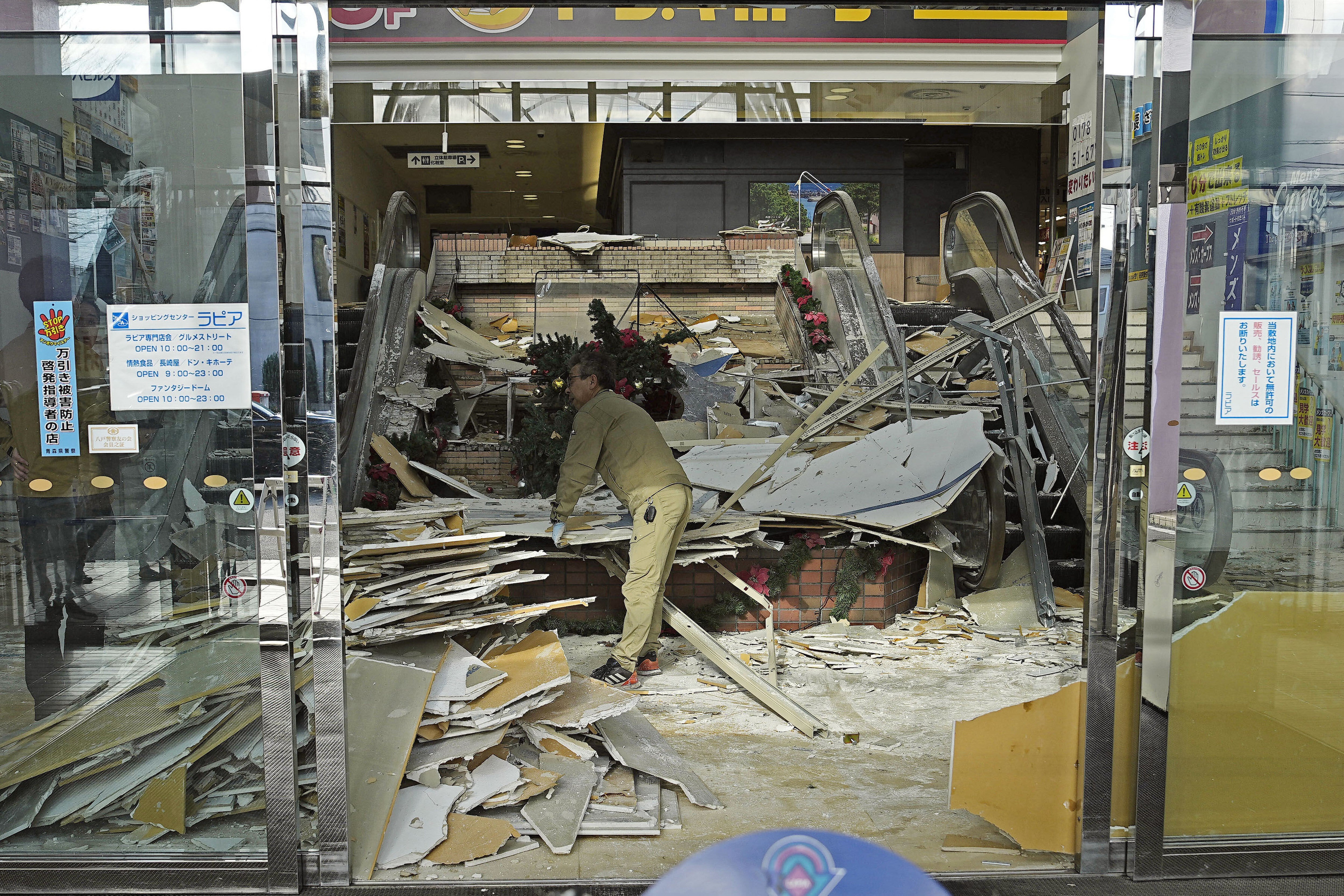
He said: “Based on the instruction from the prime minister, we are mobilising all resources for assessing the damage, conducting search-and-rescue operations and implementing emergency disaster relief measures under the policy of prioritising human life.”
Fake news and misinformation spreads on social media in the wake of earthquake
False claims and AI-generated videos spread rapidly on social media after the magnitude-7.5 earthquake that struck Aomori Prefecture on Monday night, with conspiracy theories wrongly suggesting the quake was man-made.
Authorities, including the Japan Meteorological Agency, warned the public to avoid unverified information, noting that Japan does not and cannot predict quakes by exact date.
Misleading posts on X, Threads, and TikTok recycled patterns seen in past disasters, including fake tsunami footage and fabricated news clips.
Historic shrine in Aomori Prefecture sustains significant damage in Monday’s magnitude-7.5 earthquake
In Hachinohe City in Aomori Prefecture, Chojasan Shinra Shrine sustained significant damage from the magnitude 7.5 earthquake on Monday, local reports said.
Large stone lanterns lining both sides of the shrine were toppled, according to Nippon TV, while the torii gate’s historical signboard was left leaning.
The roof over the offering box area has also collapsed, and the glass doors of the main hall were shattered.
In the inner sanctuary, the outlet reported, a hole has appeared in the historic structure that was last renovated in 1827.
The shrine staff said that they had just begun preparations for the New Year, but these have now been disrupted by the destruction caused by the earthquake.
Chojasan Shinra Shrine is one of three shrines that participate in Hachinohe’s annual “Three Shrine Festival”.
The festival runs from 31 July to 4 August, during which portable shrines called o-mikoshi are carried from Ogami Shrine to Chojasan Shinra Shrine.
On 2 August, the shrine also hosts a Kagami-style Dakyu tournament. Dakyu is a traditional Japanese horseback team sport similar to polo, and it is now practised in only three locations in Japan, according to the shrine website.
Breaking: Hokkaido hit by 6.5 magnitude earthquake
The Hokkaido region in Japan has been hit by earthquake of magnitude 6.5.
The European Mediterranean Seismological Centre (EMSC) said the latest quake was at a depth of 57 km.
It comes amid an ongoing warning from Japanese authorities that a megaquake could the region - a tremor of 8.0 or more.
Join our commenting forum
Join thought-provoking conversations, follow other Independent readers and see their replies
Comments
Bookmark popover
Removed from bookmarks