Former Japanese PM Tomiichi Murayama, who apologised for WWII aggression, dies aged 101
Murayama was remembered for his 1995 apology to victims of Japan’s wartime aggression
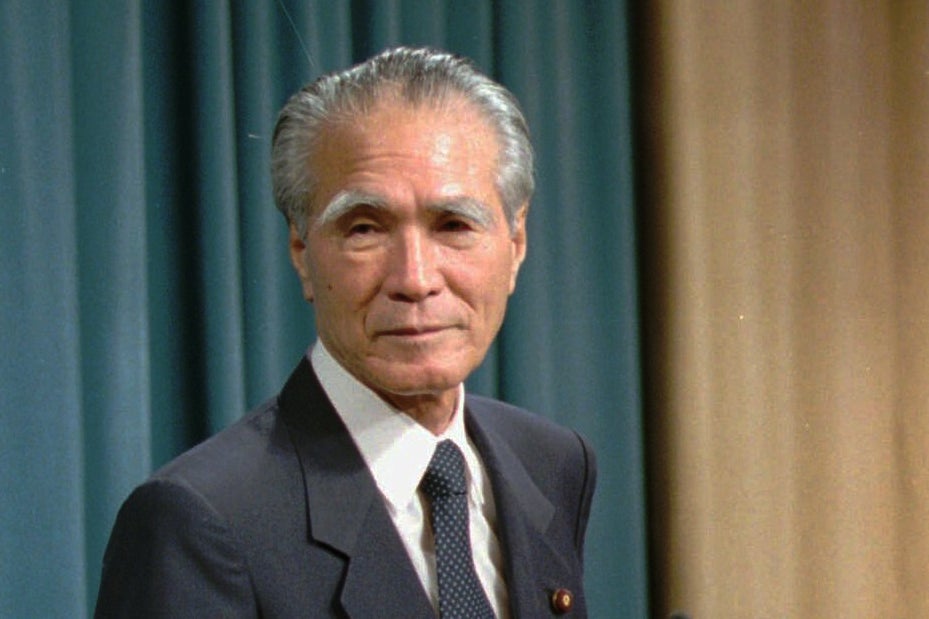
Japan’s former prime minister Tomiichi Murayama, best known for his historic apology over Japan’s wartime actions, has died at the age of 101.
Murayama passed away at a hospital in his hometown of Oita, in southwestern Japan, according to Mizuho Fukushima, leader of the Social Democratic Party.
A former labour union official and long-time socialist, Murayama entered parliament in 1972 and served as Japan’s prime minister from June 1994 to January 1996, heading a rare coalition government that included both his Japan Socialist Party and the conservative Liberal Democratic Party (LDP).
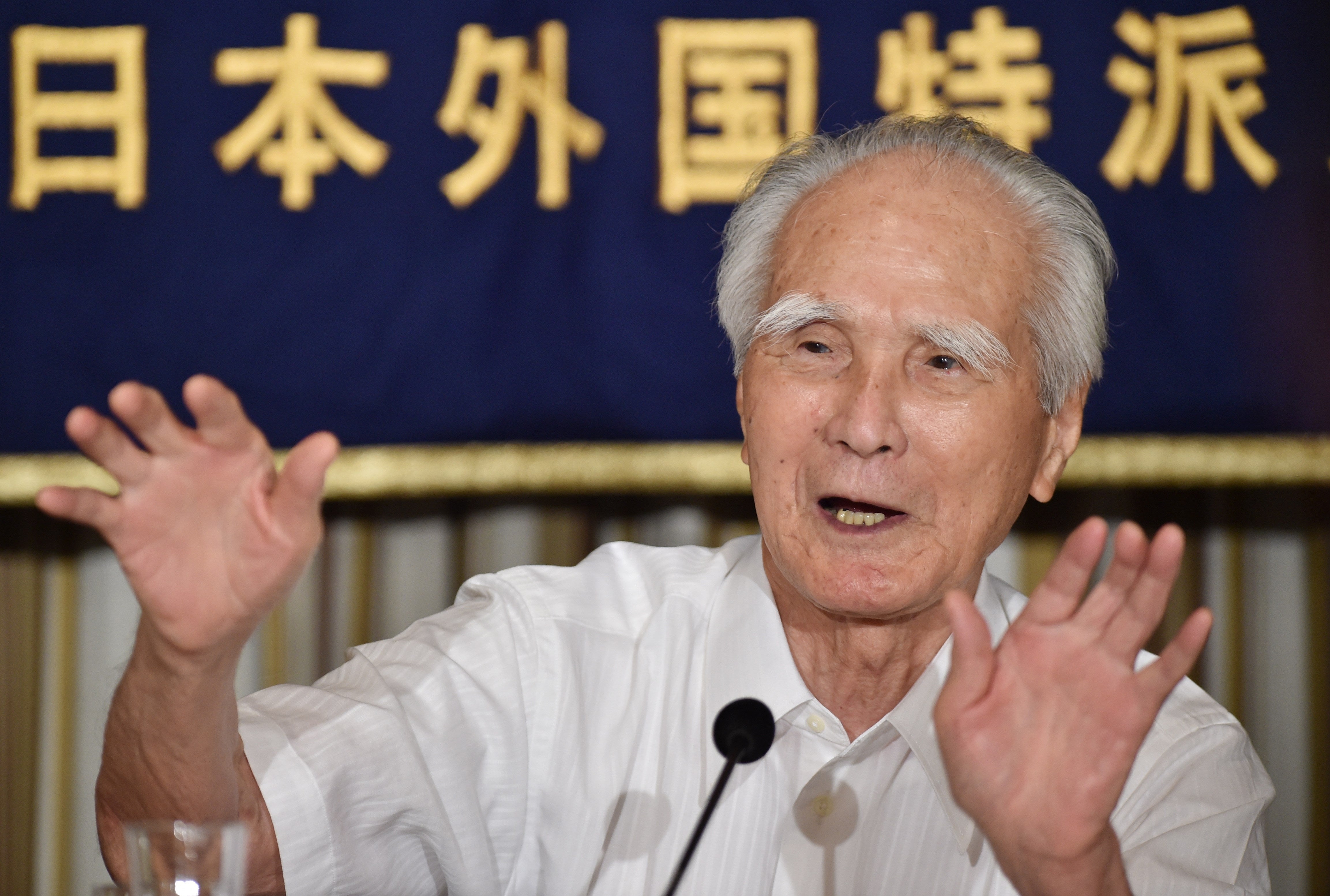
He is best remembered for issuing what became known as the Murayama Statement on 15 August 1995, marking the 50th anniversary of Japan’s surrender in the Second World War. In it, he expressed “deep remorse” and offered his “heartfelt apology” to Asian nations that suffered under Japanese colonial rule and military aggression.
“During a certain period in the not too distant past, Japan, following a mistaken national policy, advanced along the road to war … and, through its colonial rule and aggression, caused tremendous damage and suffering to the people of many countries, particularly to those of Asian nations,” Murayama said at the time.
"In the hope that no such mistake be made in the future, I regard, in a spirit of humility, these irrefutable facts of history, and express here once again my feelings of deep remorse and state my heartfelt apology."
His apology became a diplomatic benchmark, shaping Japan’s foreign policy and setting a standard for subsequent leaders until nationalist prime minister Shinzo Abe moved away from it in 2013.
Murayama was first elected to parliament in 1972 as a socialist lawmaker after working for a labor union and serving in a local assembly.
When he became prime minister in 1994, he broke with his party's longtime opposition to the Japan-US security alliance and Japan's Self-Defence Forces, recognising them as constitutional in a speech given in the face of yelling by angry members of his party.
During his tenure, Murayama faced criticism for his government’s response to two national disasters in 1995 – the Kobe earthquake, which killed more than 6,400 people, and the Tokyo subway sarin gas attack by a doomsday cult that left 13 dead and over 6,000 injured.
He was criticised for the government’s slow response. He resigned unexpectedly the following year, soon after returning from New Year’s holidays.
After stepping down in 1996 and retiring from politics in 2000, Murayama remained an outspoken advocate for Japan’s post-war pacifism. He criticised nationalist leaders for downplaying wartime atrocities and urged his country to strengthen ties with China and South Korea.
“A historical view saying Japan’s war was not aggression, or calling it justice or liberation from colonialism, is absolutely unacceptable not only in China, South Korea or other Asian countries but also in America and Europe,” he said in a 2020 statement.
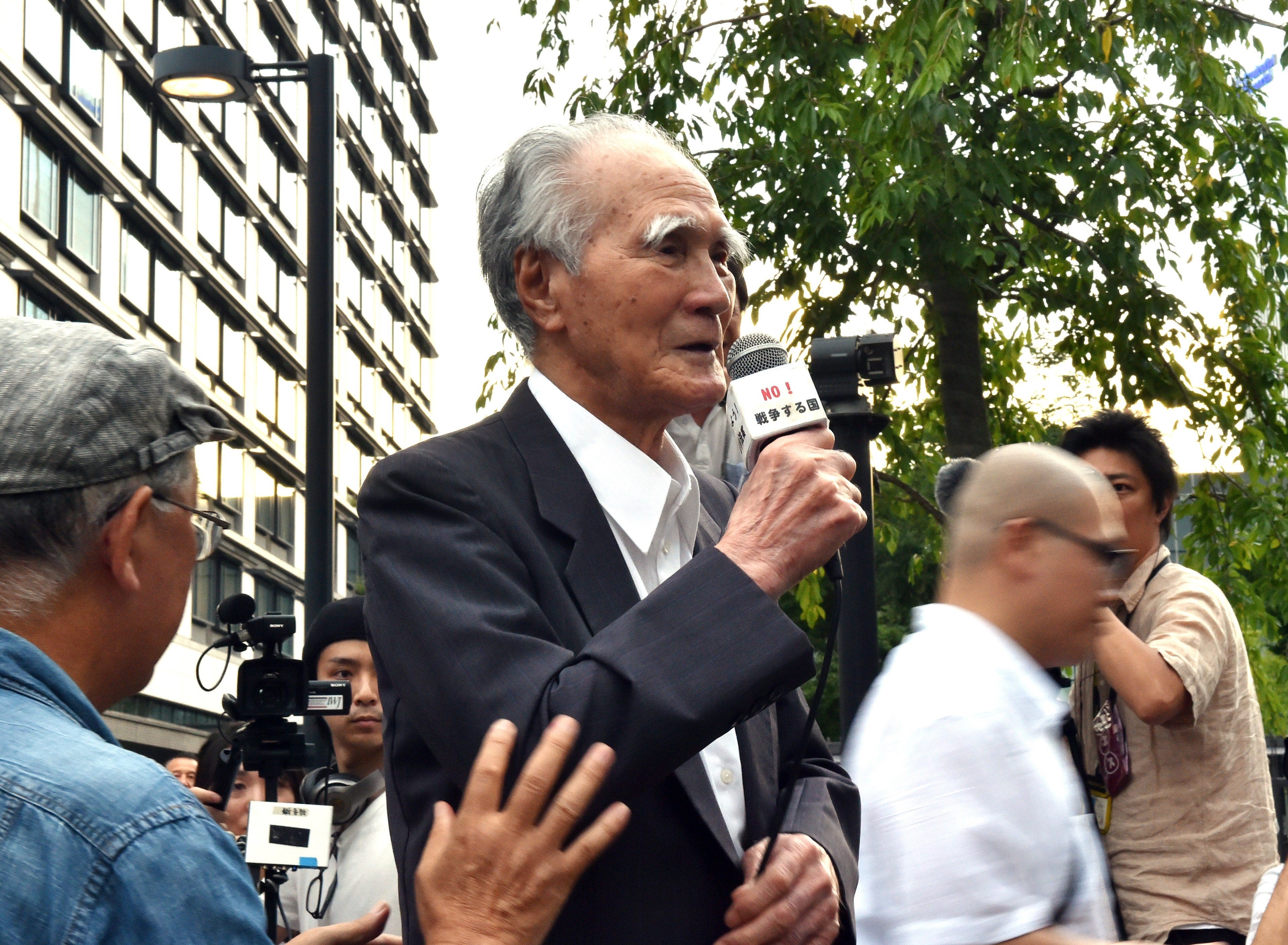
The Murayama statement set a standard followed by all prime ministers for next two decades, till nationalist prime minister Shinzo Abe stopped apologising in 2013 as members of his Liberal Democratic Party said it interfered with Japan's national pride.
That included Abe's protege Sanae Takaichi, who was recently elected party leader and is now poised to become prime minister next week.
This year, outgoing prime minister Shigeru Ishiba expressed "remorse" over the war, marking the first time a Japanese leader has used the word in their annual 15 August address since Abe shunned it.
Murayama, the son of a fisherman, was known for his humility and trademark bushy eyebrows. He spent his later years quietly in Oita, where he continued to champion reconciliation and peace in Asia.
Bookmark popover
Removed from bookmarks