What is a megaquake? Japan issues first official warning for disaster that could kills tens of thousands
Japanese authorities say a megaquake could cause a devastating tsunami to strike eastern coastal areas of Japan
Japan’s weather agency has issued a megaquake warning, the highest level of earthquake alert, hours after a 7.5 magnitude tremor struck the country.
Residents living near the Pacific coast have been urged by authorities to remain vigilant throughout the coming week and prepare evacuation plans in case they need to flee their homes.
At least 33 people were injured in the earthquake on Monday night, with waves reaching up to 70cm seen in several coastal communities.
Follow the latest update on the earthquake in Japan here.
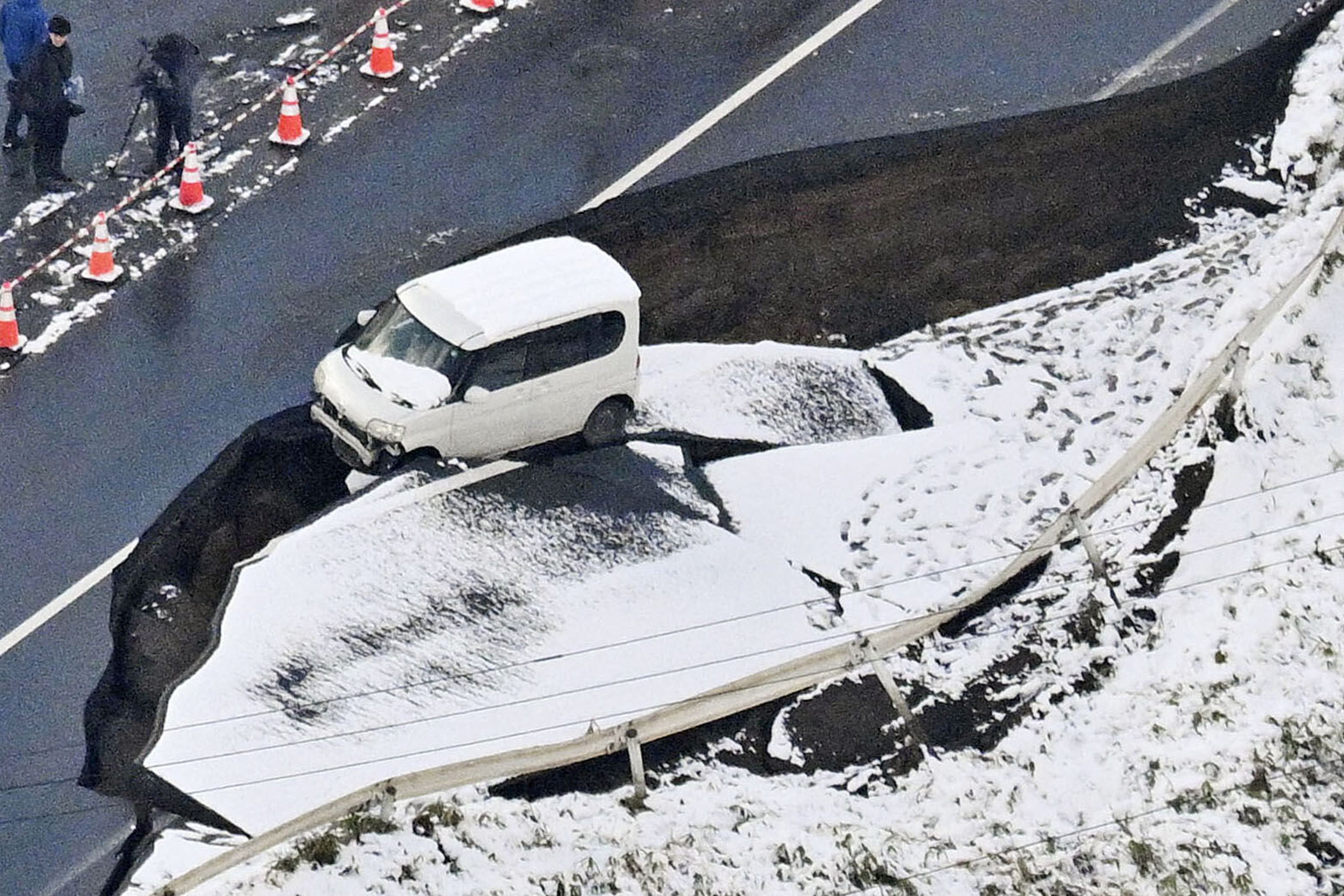
Tsunami alerts from Monday’s earthquake have been lifted, but a megaquake notice revives the threat of large and devastating tsunamis along Japan’s Pacific coast, authorities warned.
Tuesday’s announcement was the first time this top-tier alert has been issued since the early warning system was launched in 2022.
What is a megaquake?
A megaquake, also known as a megathrust earthquake, is an extremely powerful earthquake with a magnitude above 8.0 on the Richter scale, according to Japan’s Headquarters for Earthquake Research Promotion.
They can occur as a result of “plate subduction”, when one tectonic plate slides beneath another and sinks into the Earth’s mantle.
A megaquake could cause a fault rupture of up to 1,000km. If it takes place in a shallow area beneath the seabed, it will “almost always produce a large tsunami”, the organisation says.
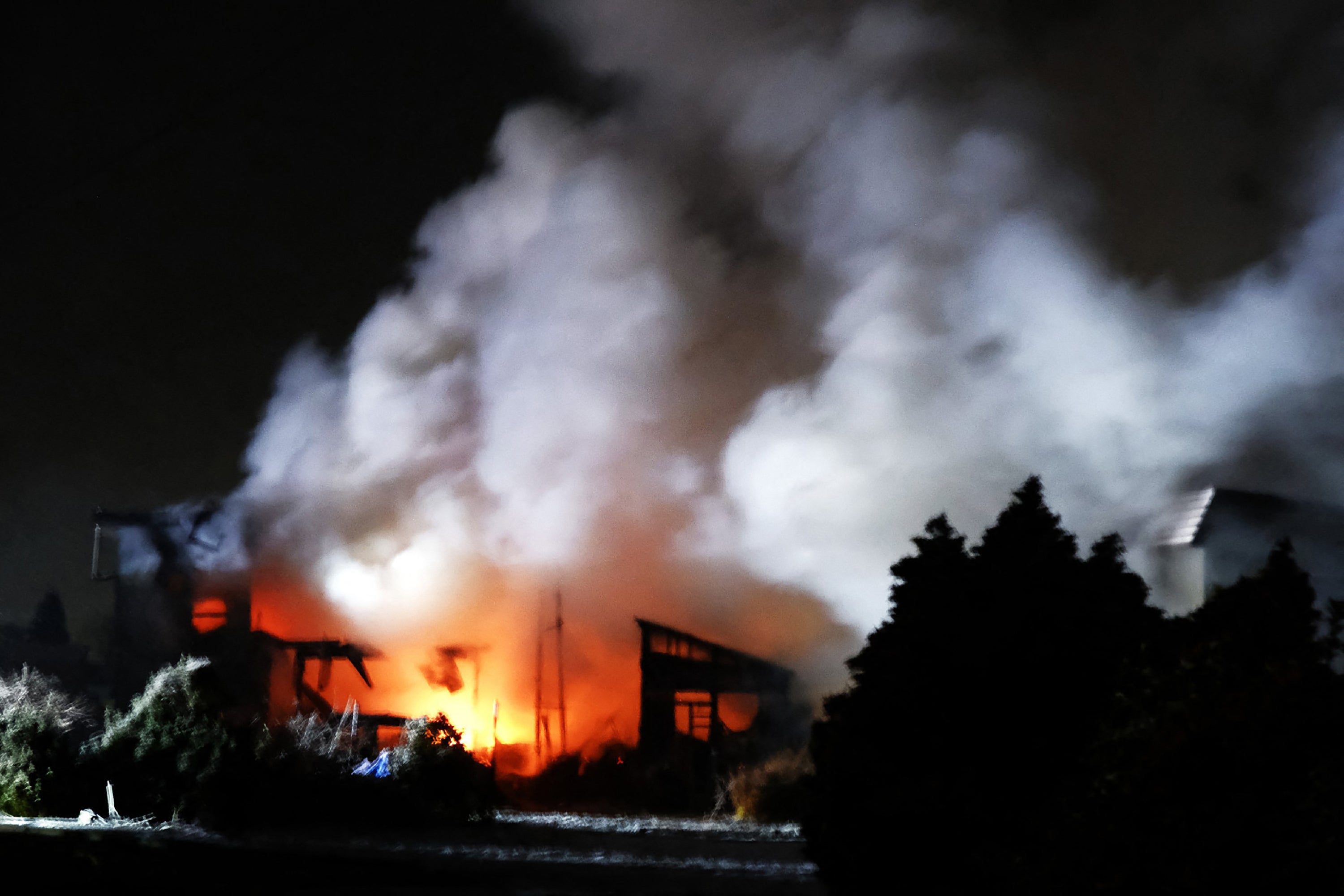
Months ago, the Japanese cabinet office released a major update to its long-feared “megaquake” scenario, projecting that any massive offshore rupture could kill around 300,000 people and cause damage equivalent to half of the country’s GDP.
But Morikubo Tsukasa, director of disaster management at the cabinet office, told reporters that global earthquake data indicates a possibility, not a prediction, of a larger tremor.
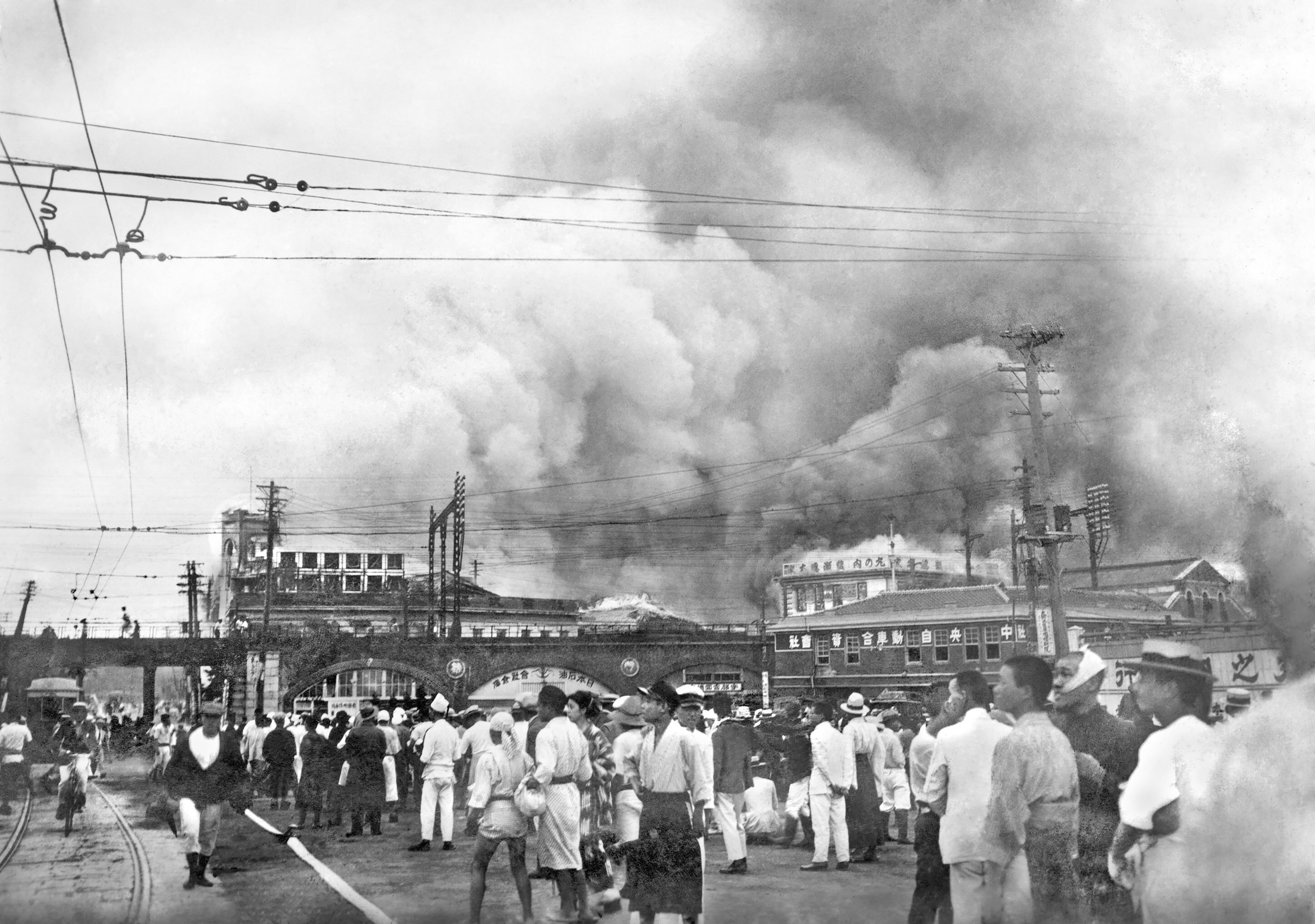
Japan’s deadliest earthquake on record was in the Kanto region in 1923. The megathrust earthquake measured 8.0 on the Richter scale and was estimated to have killed between 105,000 and 140,000 people.
Why is Japan vulnerable?
Japan is positioned along the infamous “Pacific Ring of Fire”, where four tectonic plates – the Pacific, North American, Eurasian and Filipino – converge in a region which is teeming with tectonic activity.
Constant shifting of these plates leads to frequent earthquakes in the country, some of which can have a devastating impact on the country.
Japan, however, is relatively robust when it faces earthquakes of high magnitudes compared to other countries, such as Turkey and Syria, which suffered sheer devastation and a catastrophic loss of life in 2023.
The country is regarded as having world-leading earthquake preparedness with resilient building structures adhering to strict regulations, along with regular earthquake drills practised in schools.
The current warning is in place along the Japan Trench and Chishima Trench, covering coastal areas from the northern island of Hokkaido to Chiba Prefecture near Tokyo.
Are megaquakes common in Japan?
The most notable recent example of a mega earthquake is the 2011 Tohoku Pacific Ocean Earthquake, which had a magnitude of 9.0-9.1.
Known in Japan as the “Great East Japan Earthquake”, it lasted approximately six minutes and caused a huge tsunami. It was the most powerful earthquake Japan has ever suffered, and the fourth greatest recorded in the world.
Nearly 20,000 people died, with the great majority believed to have been as a result of the overwhelming tsunami waves striking the east coast.
Other megaquakes in Japan in the 20th and 21st century, include 1933, 1944, 1946, 1952 and 2003.
Join our commenting forum
Join thought-provoking conversations, follow other Independent readers and see their replies
Comments
Bookmark popover
Removed from bookmarks