Pakistan: Suicide bomber kills at least 31 and injures scores at mosque in capital
The attack occurs as Pakistan’s Western-allied government struggles to contain a surge in militant assaults across the country
A suicide bomber has targeted a Shia mosque on the outskirts of Islamabad during Friday prayers, claiming the lives of 31 people and wounding at least 169 others.
The attack marks a rare bombing in Pakistan’s capital, occurring as its Western-allied government struggles to contain a surge in militant assaults nationwide.
Television footage and social media images showed police and residents frantically transporting the injured to nearby hospitals. Some of those caught in the blast at the expansive Khadija Al-Kubra mosque are reported to be in critical condition.
Rescuers and witnesses described a harrowing scene, with bodies and wounded individuals lying across the mosque's carpeted floor. Hussain Shah, who was praying in the mosque courtyard, said he heard a sudden, loud explosion.
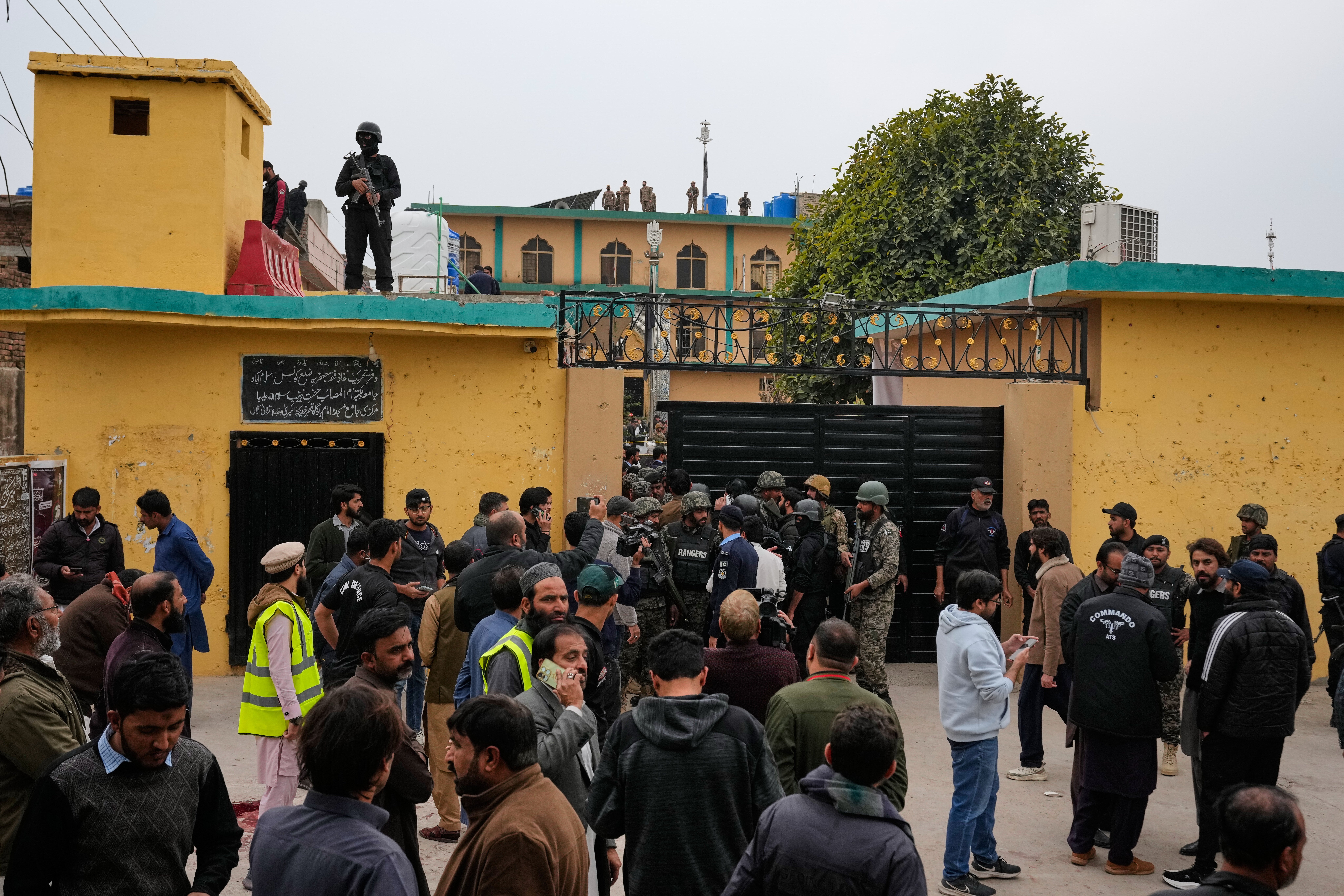
"I immediately thought that some big attack had happened," he said. He then went into the mosque to utter chaos — many of the wounded were screaming and crying out for help. Shah said he counted around 30 bodies inside the mosque, while the number of the wounded appeared to be significantly higher.
No one immediately claimed responsibility for the explosion, but suspicion is likely to fall on militants such as the Pakistani Taliban or the Islamic State group, which has been blamed for previous attacks on Shiite worshippers, a minority in the country. Militant groups across Pakistan often target security forces and civilians.
A surge in militant attacks
Though attacks are not so frequent in Islamabad, Pakistan has seen a surge in militant violence in recent months, largely blamed on Baloch separatist groups and the Pakistani Taliban, known as Tehrik-e-Taliban Pakistan, or TTP, which is a separate group, but allied with Afghanistan’s Taliban. A regional affiliate of the Islamic State group has also been active in the country.
In the initial aftermath of the explosion, a lower number of casualties was released, but Islamabad Deputy Commissioner Irfan Memon gave the latest tolls.
Pakistan's Defense Minister Khawaja Mohammad Asif wrote on X that preliminary findings suggest the suicide bomber had been on the move to and from Afghanistan. Asif said the mosque's security guards tried to intercept the suspect, who opened fire at them and then detonated his explosives among the worshippers.
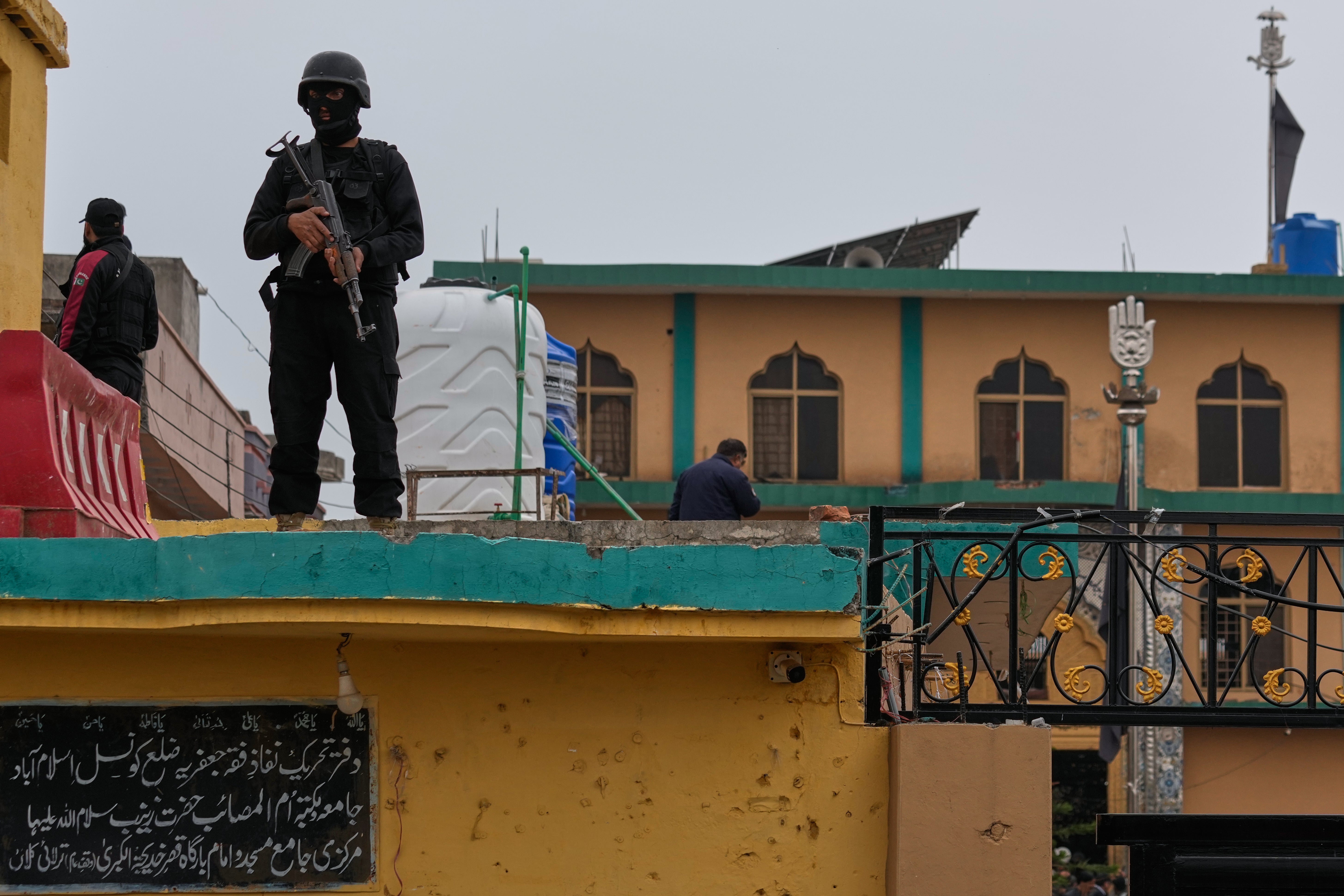
The condition of the guards was not immediately known. Pakistan often accuses Afghanistan, where the Taliban seized power again in August 2021 as American and NATO troops were withdrawing after a 20-year war, of harbouring militants and members of the Pakistani Taliban. Kabul denies the accusation.
Afghanistan's Ministry of Foreign Affairs issued a statement Friday saying that the "Islamic Republic of Afghanistan condemns such attacks that violate the sanctity of sacred rituals and mosques and target worshippers and innocent people."
The attack also drew condemnation from the international community, including the United Sates and European Union. Condolences and condemnation also poured in from various embassies in Islamabad.
Political and religious leaders condemn the attack
President Asif Ali Zardari and Prime Minister Shehbaz Sharif extended condolences to the families of the victims in seperate statements and asked that all possible medical assistance be provided for those wounded.
"Targeting innocent civilians is a crime against humanity," Zardari said. "The nation stands with the affected families in this difficult time."
"Those who are responsible must be identified and punished," Sharif said. Pakistan's Interior Minister Mohsin Naqvi also condemned the attack.
Friday's attack occurred as Uzbekistan President Shavkat Mirziyoyev, who is on an official two-day visit, was attending an event with Sharif. The event in Islamabad was several miles away from the site of the explosion.
A top Shiite leader, Raja Nasir, expressed deep sorrow over the attack at Khadija Al-Kubra."
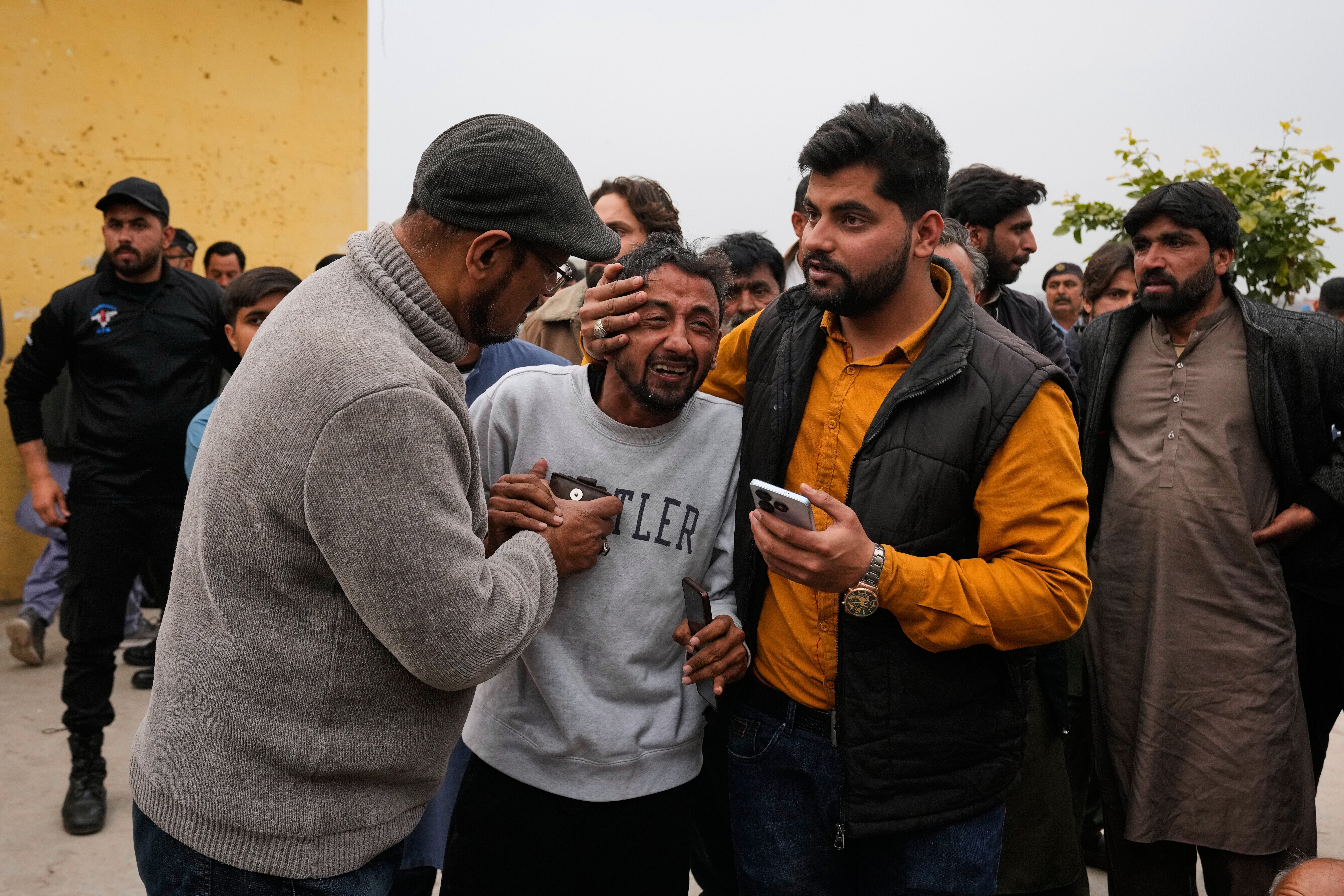
Such a terrorist act in the federal capital is not only a serious failure in protecting human lives but also raises significant questions about the performance of the authorities and law enforcement agencies," he said and asked for people to give blood as the hospitals in Islamabad were in urgent need for blood supplies for the wounded.
The last deadliest attack in Islamabad was in 2008, when a suicide bombing targeted the Marriott Hotel in the capital, killing 63 people and wounding over 250 others. In November, a suicide bomber struck outside a court in Islamabad, killing 12 people.
The latest attack came nearly a week after the outlawed Baloch Liberation Army carried out multiple attacks in insurgency-hit southwestern Balochistan province, killing about 50 people.
Security forces responding to those attacks also killed more than 200 "terrorists," according to the military.
Join our commenting forum
Join thought-provoking conversations, follow other Independent readers and see their replies
Comments
Bookmark popover
Removed from bookmarks