Three arrested in Sri Lanka after video shows elephant being burned alive
Authorities say animal was shot and injured and then set on fire
Sri Lankan police have arrested three men accused of burning a wild elephant alive, an act that has drawn widespread outrage after footage of the incident circulated on social media amid renewed scrutiny of the escalating human-animal conflict in the country.
The suspects, aged between 42 and 50, were taken into custody in Anuradhapura district, around 200km north of the capital Colombo, and charged with cruelty to animals. Police said the men were remanded until 24 December as investigations continued.
The arrests followed the circulation of a graphic video showing a wounded elephant being set on fire, triggering public outrage and condemnation from wildlife activists and conservationists.
Wildlife officials said the animal died despite efforts by veterinary surgeons to save it, AFP reported.
Elephants are protected under Sri Lankan law and killing one is a serious criminal offence. Poachers can face the death penalty, although the country has not carried out an execution since 1976, with all death sentences automatically commuted to life imprisonment.
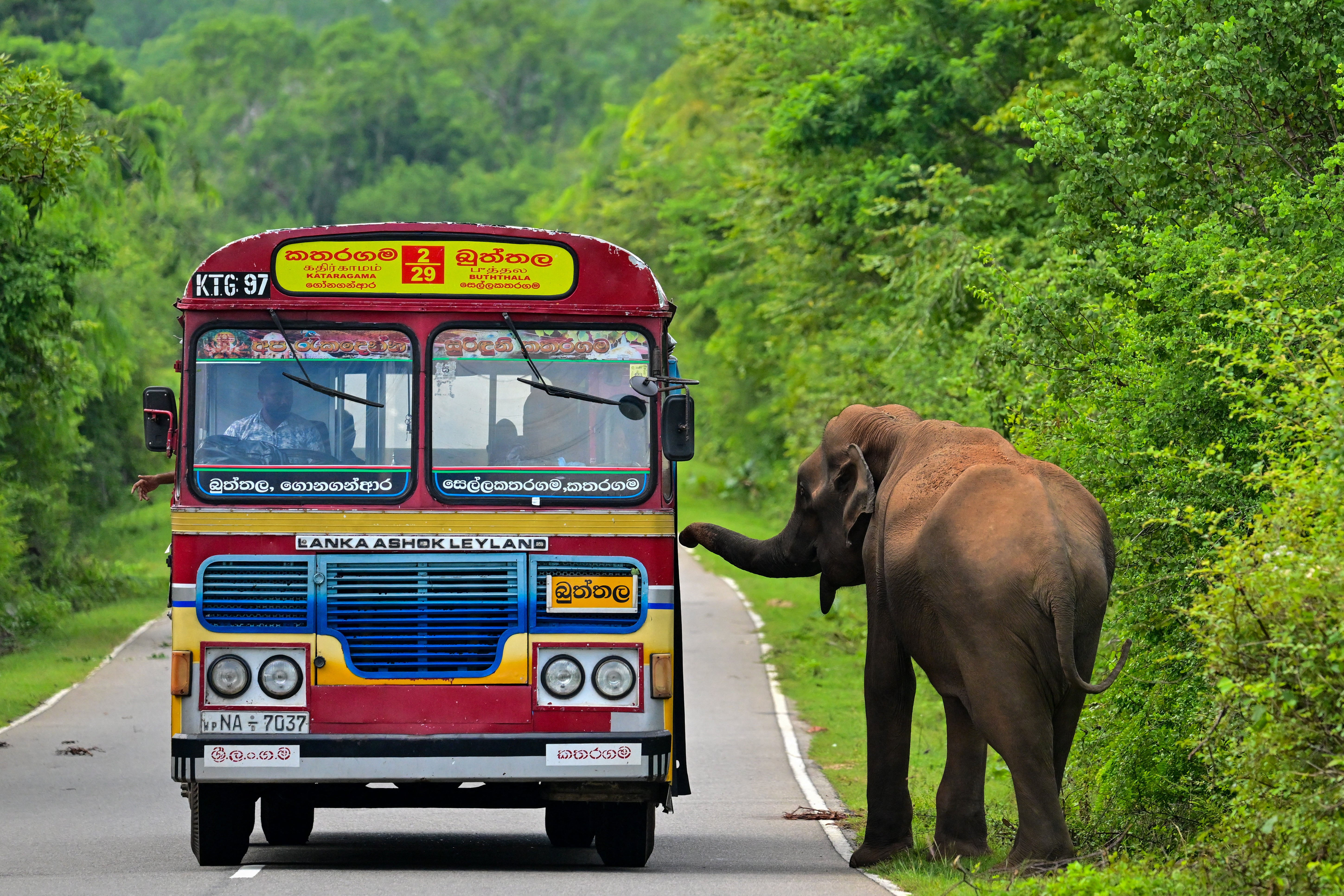
The incident has once again highlighted the deepening conflict between humans and elephants in Sri Lanka, home to an estimated 7,000 wild tuskers.
The animals are regarded as a national treasure and hold religious and cultural significance, particularly in Buddhist tradition.
Yet encounters between people and elephants have become increasingly deadly in recent years. According to official data, around 400 elephants and 200 people have been killed each year over the past half a decade as expanding settlements, farms and infrastructure have pushed deeper into forested areas traditionally used by wildlife.
Farmers in remote villages often bear the brunt of the conflict, with elephants frequently raiding crops and damaging property in search of food. In some areas, electric fencing and early-warning systems have failed or fallen into disrepair, leaving communities exposed and fuelling retaliatory attacks on animals.
Conservationists have long warned that ad-hoc responses and weak enforcement of wildlife protection laws have allowed violence against elephants to persist, even as Sri Lanka promotes the species as a symbol of national heritage and a major draw for tourism.
Join our commenting forum
Join thought-provoking conversations, follow other Independent readers and see their replies
Comments
Bookmark popover
Removed from bookmarks