Indonesia raises death toll to 753 after cyclone brings catastrophic flooding to Sumatra
Millions uprooted across South and Southeast Asia as rare cyclones and monsoon rains unleash deadly devastation
Indonesia says at least 753 people have died and 504 are missing after floods and landslides tore through several provinces in one of the country’s worst disasters in recent years.
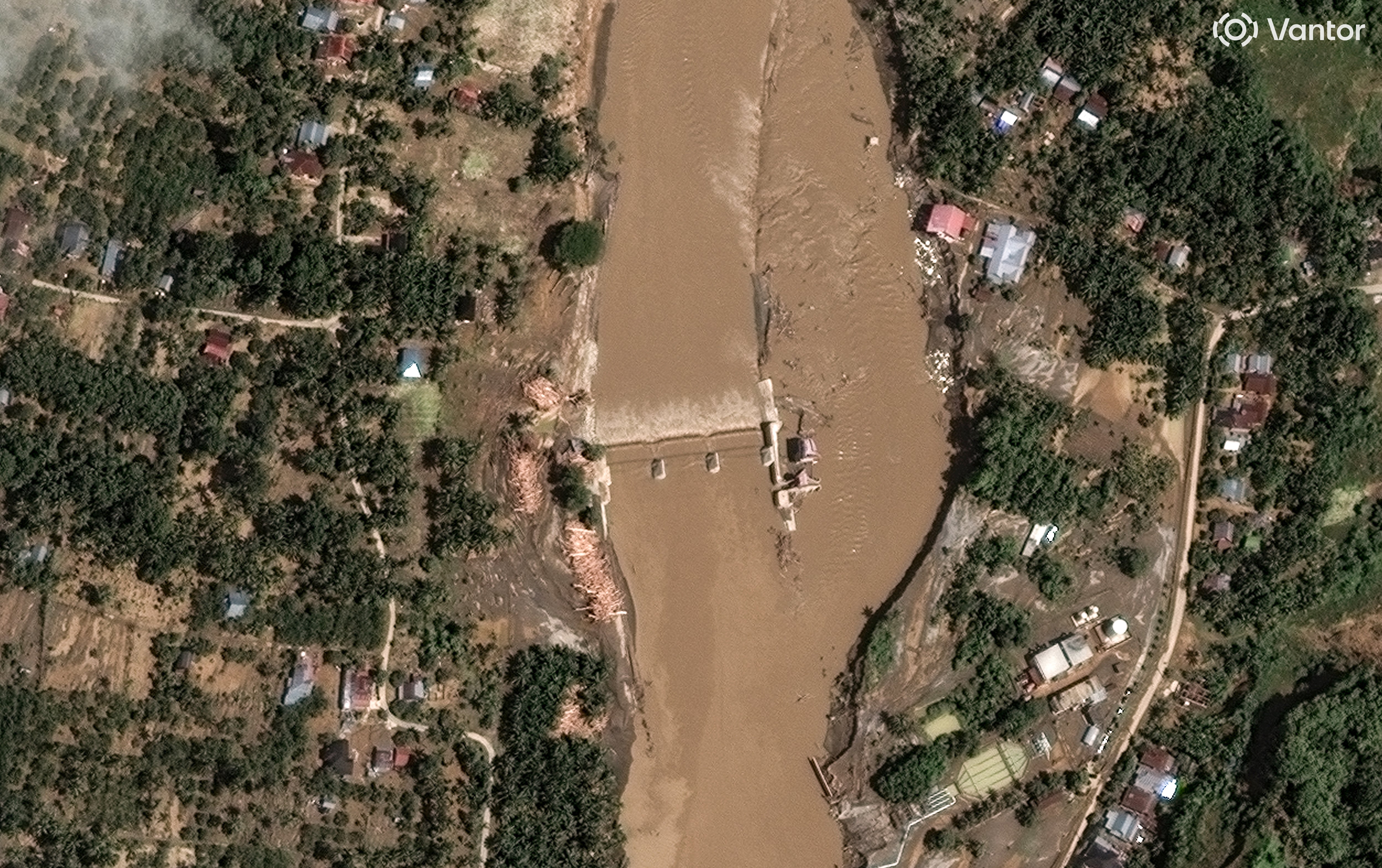
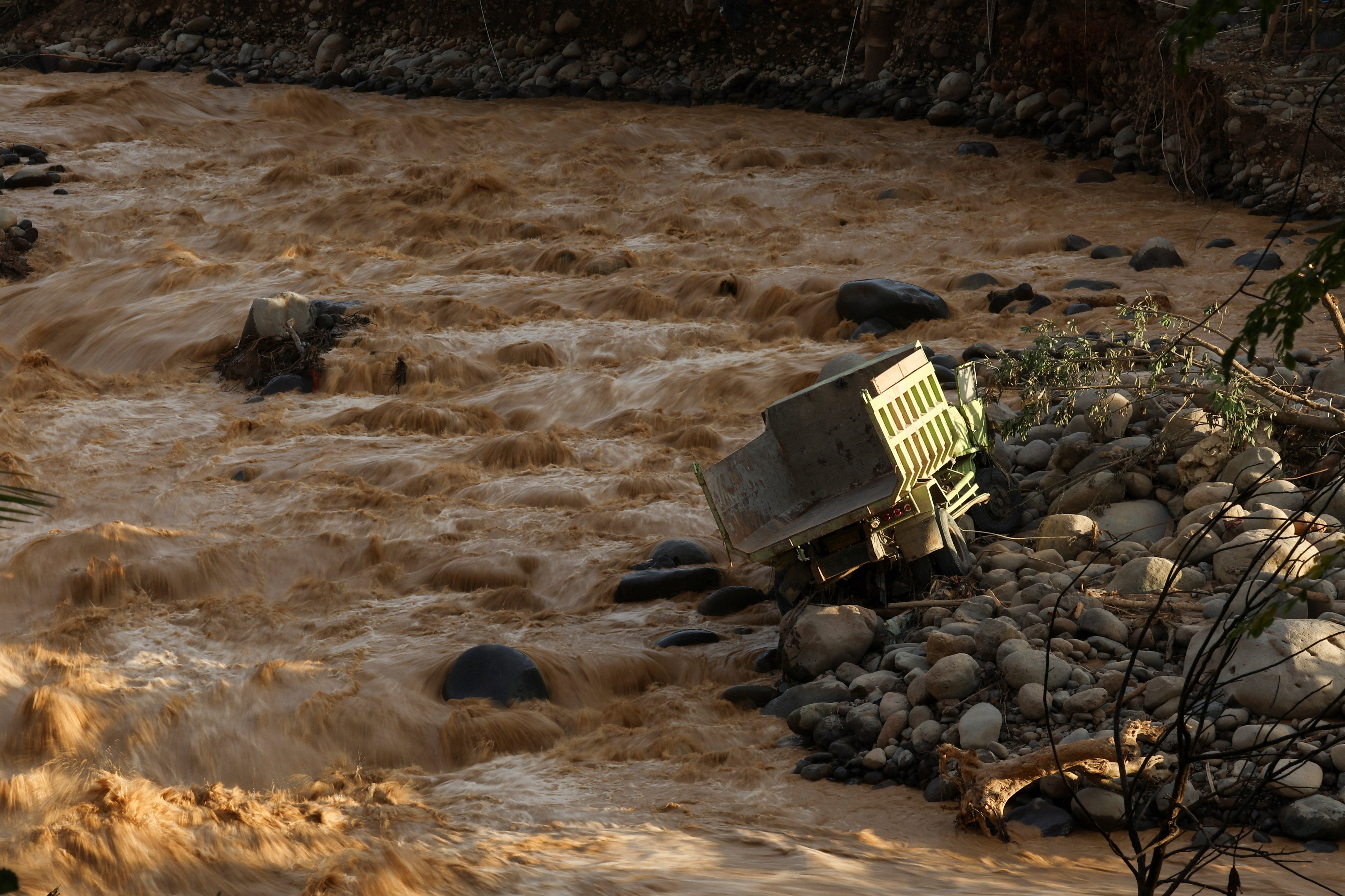
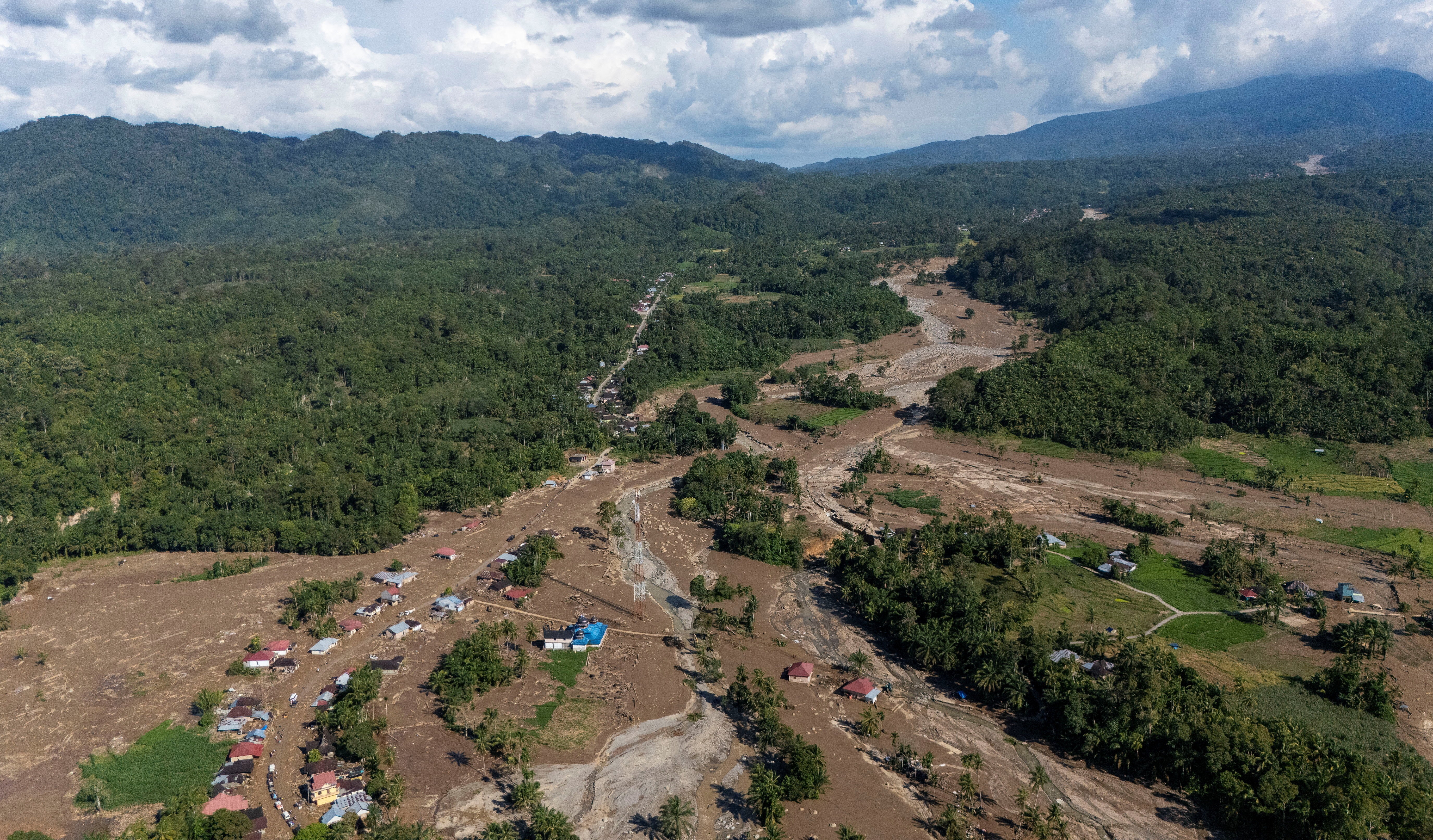
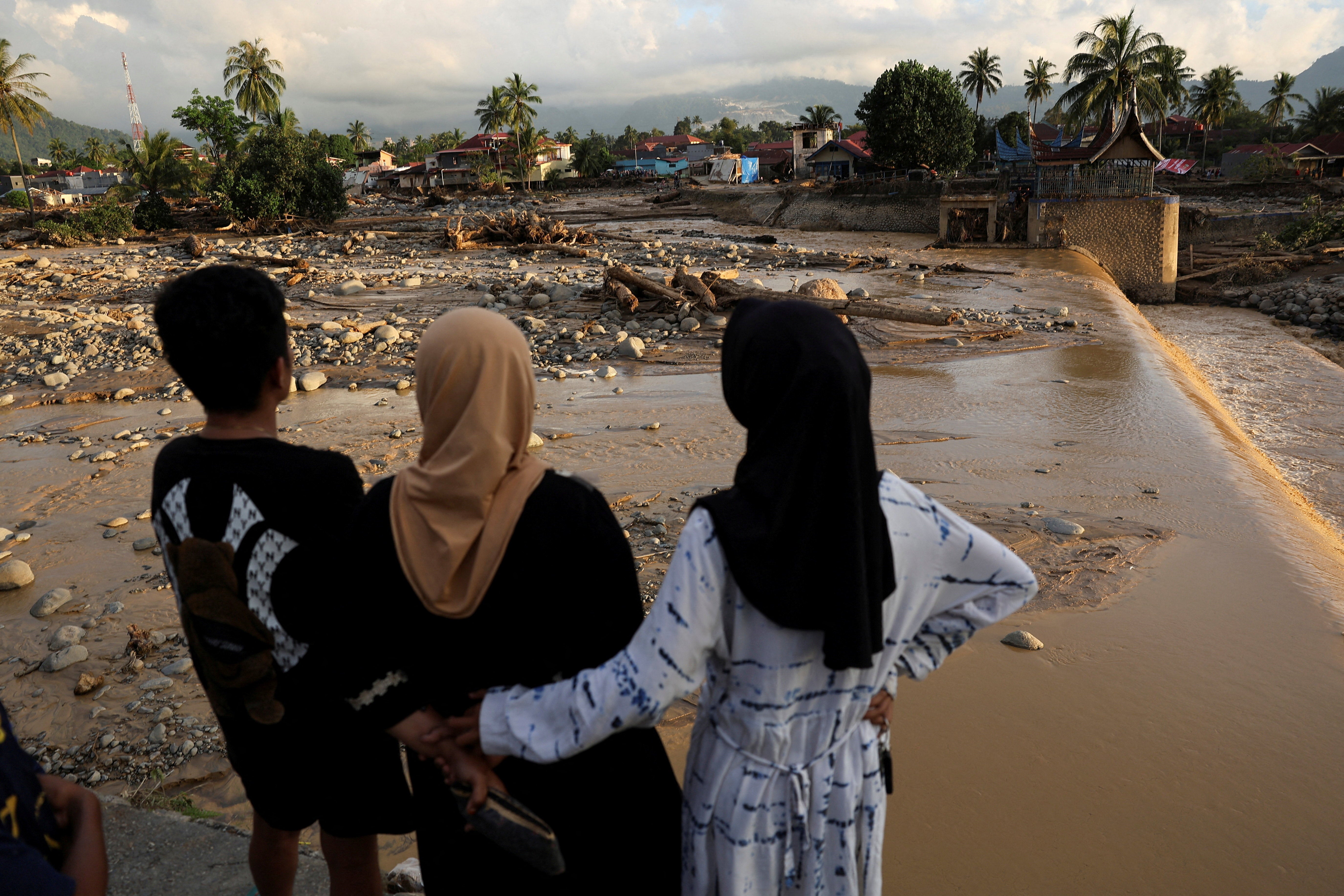
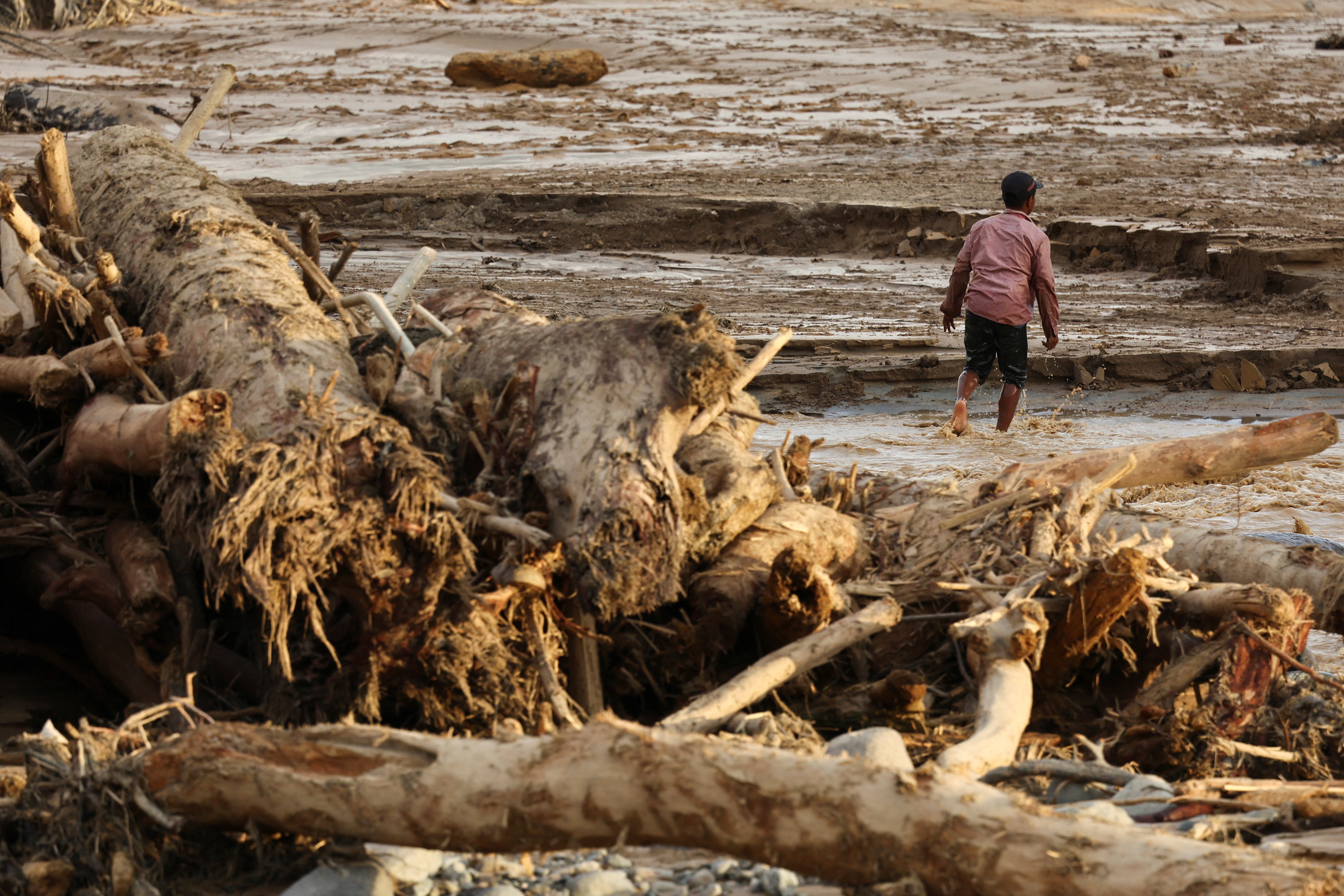
Entire communities in the provinces of North Sumatra, West Sumatra and Aceh remained cut off after bridges collapsed, roads were washed away and communication lines failed.
The Southeast Asian country’s disaster management agency said nearly 3.3 million people had been affected and almost a million evacuated, including 290,700 in Sumatra and Aceh. At least 28,000 houses were damaged as the government continued efforts to restore roads, bridges and communication services.
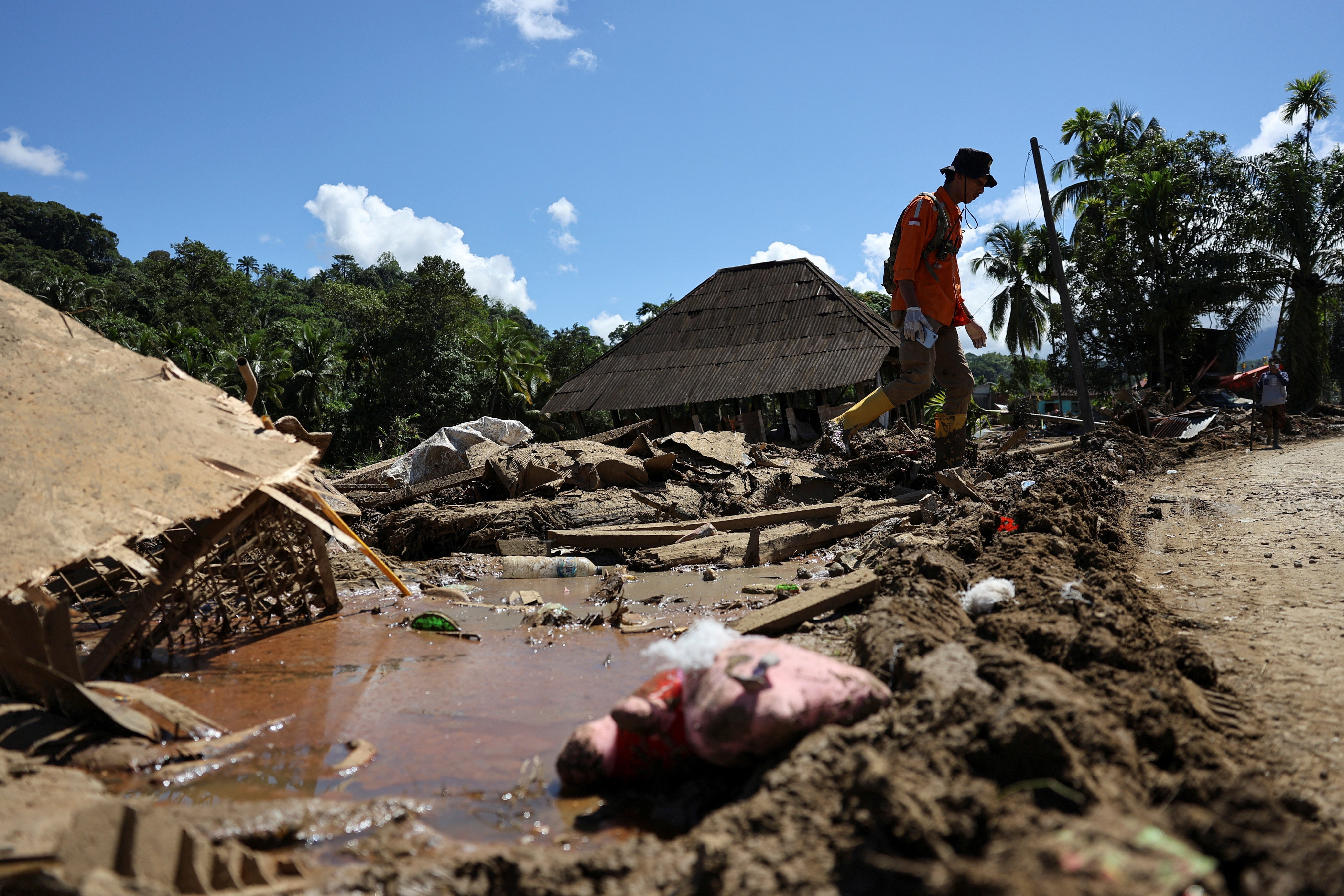
Soldiers and volunteers dug through knee-deep mud and debris to pull bodies from ruined homes as President Prabowo Subianto toured some of the affected areas and promised to rebuild basic services.
He also warned local authorities to prepare for harsher climate-driven weather patterns.
“We need to confront climate change effectively,” the president told reporters. “Local governments must take a significant role in safeguarding the environment and preparing for the extreme weather conditions that will arise from future climate change.”
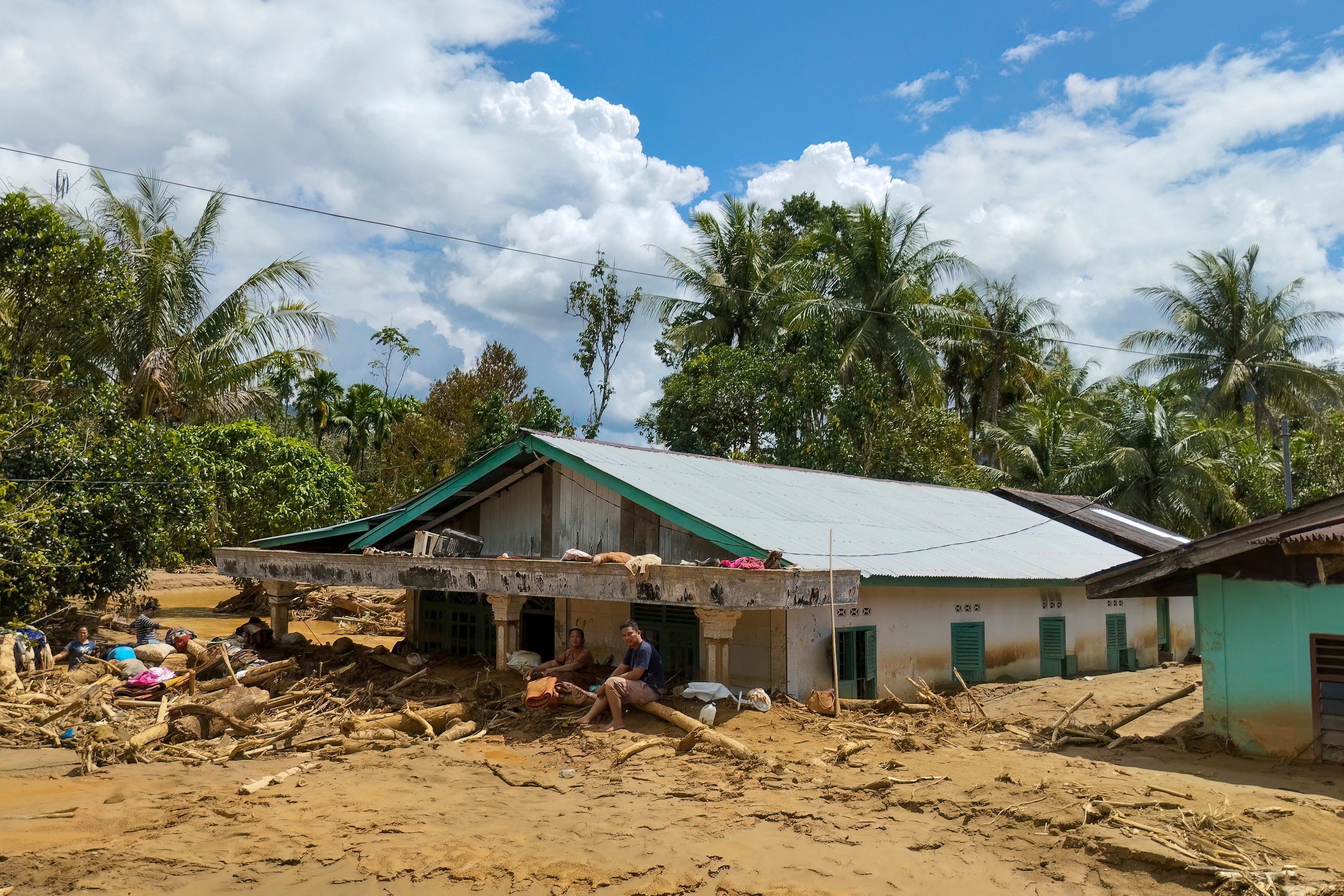
In Palembayan in West Sumatra, where landslides levelled rows of houses, families searched for missing relatives in the mangled rubble and under uprooted trees.
“These used to be the houses of my parents, my brother, also my rice milling place, now all are gone,” a villager, Muhammad Rais, told Reuters. “We have nothing left.”
Survivors described the waters rising in the dark with terrifying speed. Aminah Ali, 63, from Pidie Jaya district of Aceh province scrambled onto her roof as floodwaters rose to upto 3m. “I saw many houses being swept away,” she was quoted as saying by the Guardian.
“Now my house is ruined, full of mud. I never imagined a situation like this. Now I only have one shirt left, I don’t even have any underwear, all my possessions are gone.”
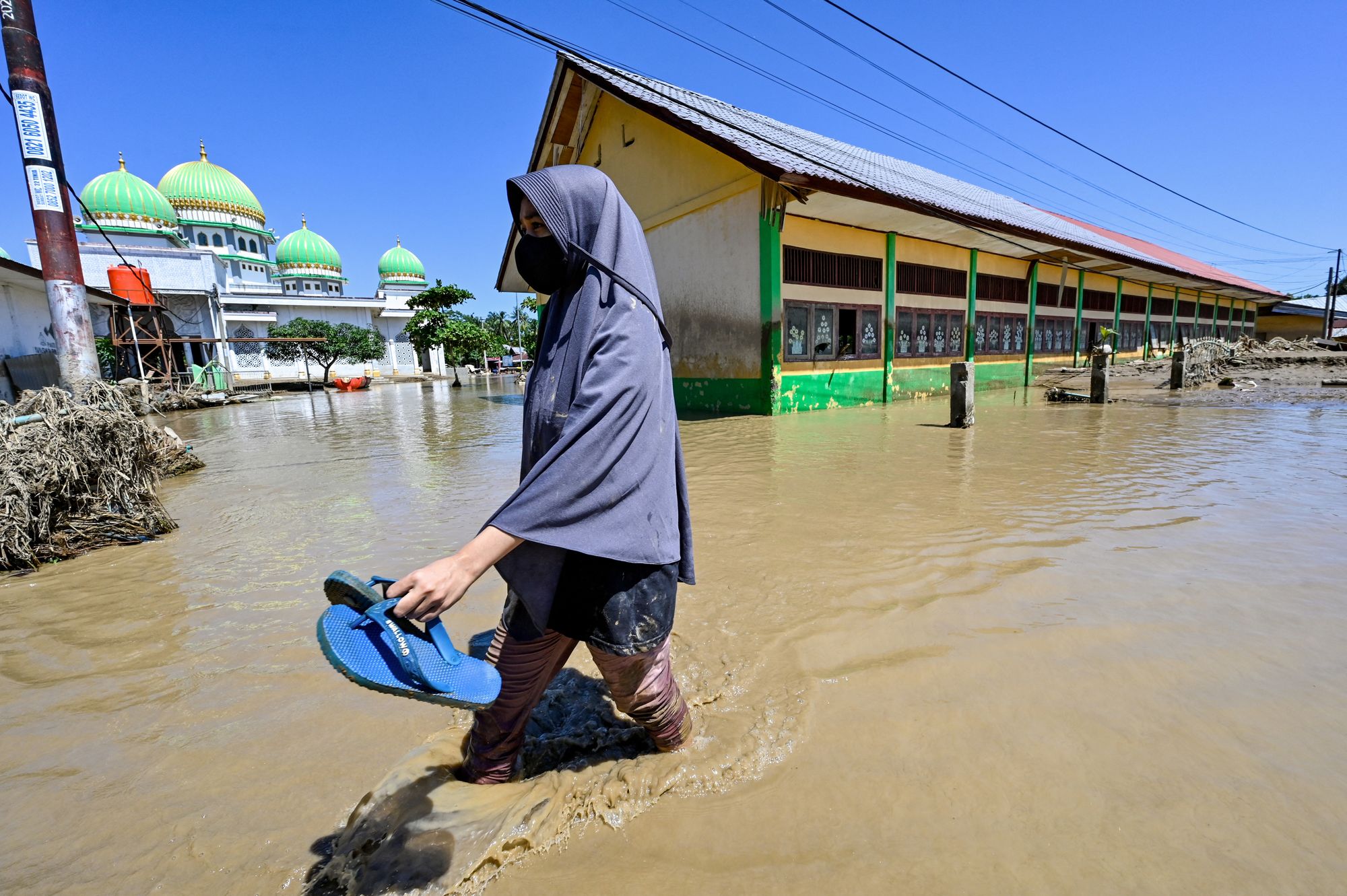
Like thousands of others, Ms Ali escaped with almost none of her belongings.
Another resident, Busra Ishak, said that giant logs barrelled through his village. “Even an elephant could be killed by the incredibly strong current,” he told the paper.
He managed to survive by climbing into a coconut tree and staying put for 12 hours.
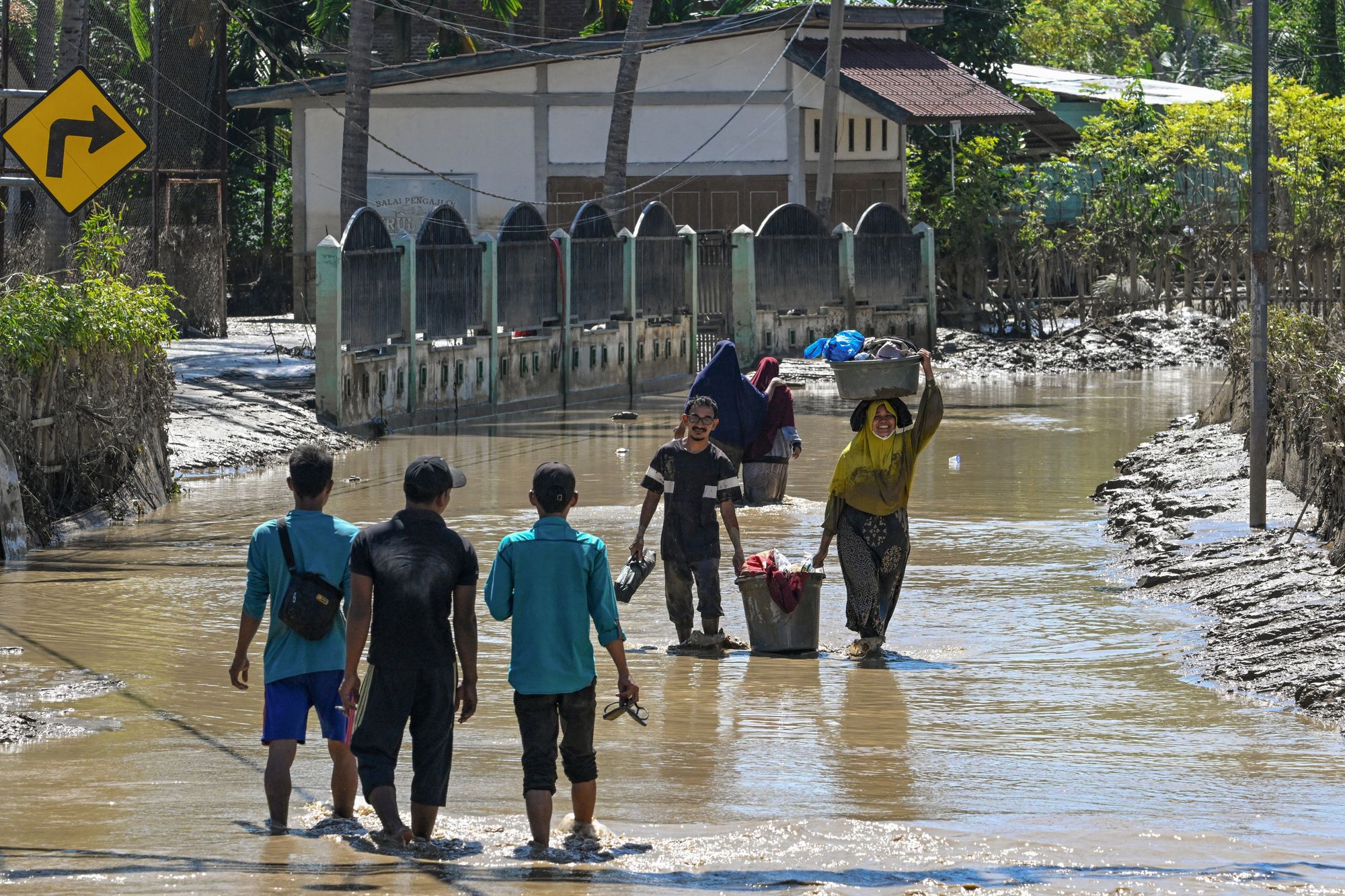
In Aceh, rescue teams on Monday pulled two men clinging to tree trunks to escape raging floodwater, highlighting the danger that persisted days after the storms eased, Sky News reported.
Across Sumatra, communities continued to rely heavily on donations for food and drinking water, with some villages inaccessible by road.
The disaster in Indonesia was part of a wider weather emergency across South and Southeast Asia.
Sri Lanka, Thailand and Malaysia have endured similarly heavy rain and severe floods after a rare tropical storm formed unusually close to the equator in the Malacca Strait. It’s uncommon for cyclones to form in this region because the Earth’s rotational force, which helps storms spin, is the weakest.
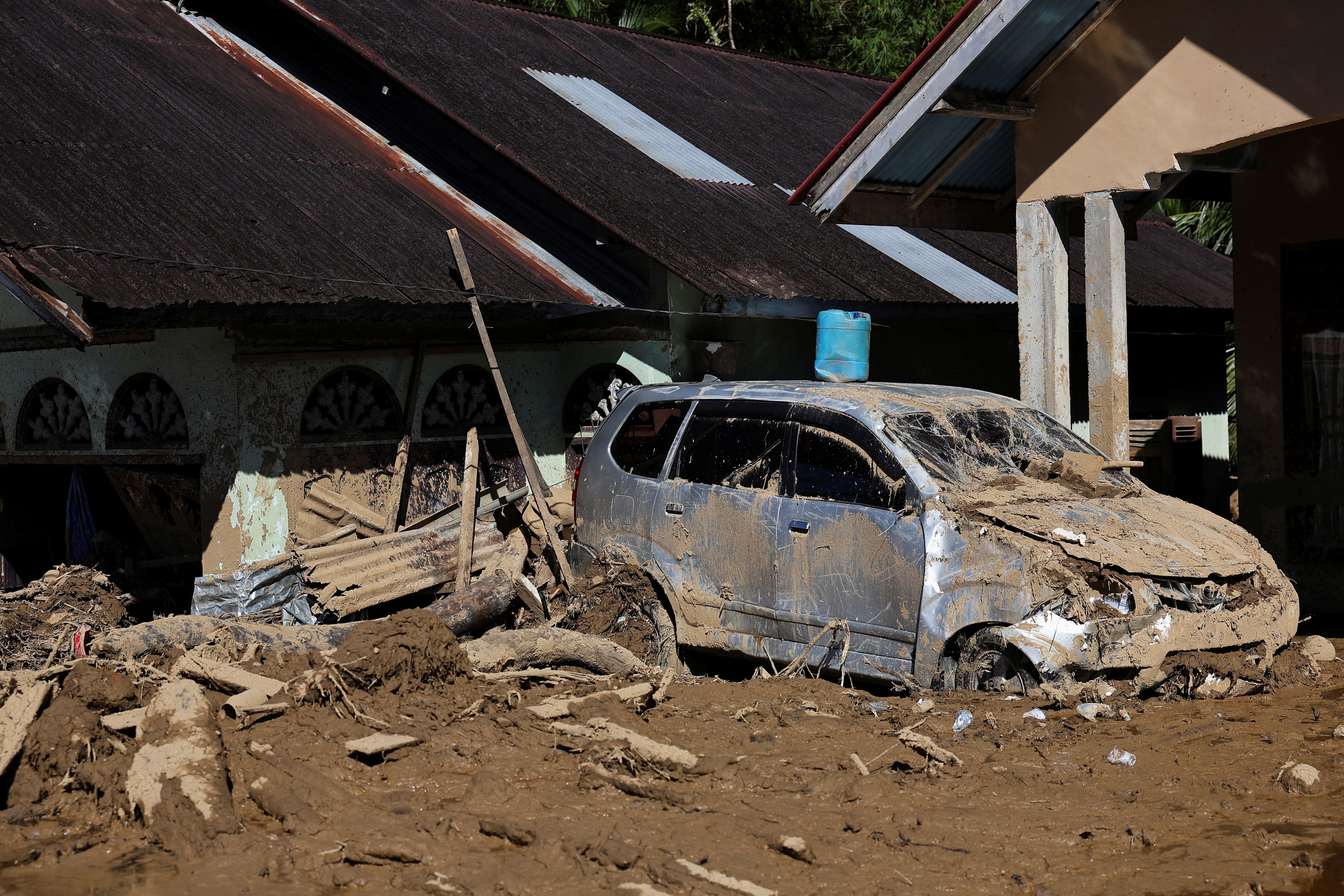
Sri Lanka recorded at least 366 deaths and 367 people missing after heavy rainfall triggered landslides across the island’s central tea-growing region.
Nearly 218,000 people are still in temporary shelters, Associated Press reported.
President Ranil Wickremesinghe described it as the “largest and most challenging natural disaster in our history”, noting that it had touched almost every district and exceeded the reach of the 2004 tsunami, which devastated coastal areas but spared the interior.
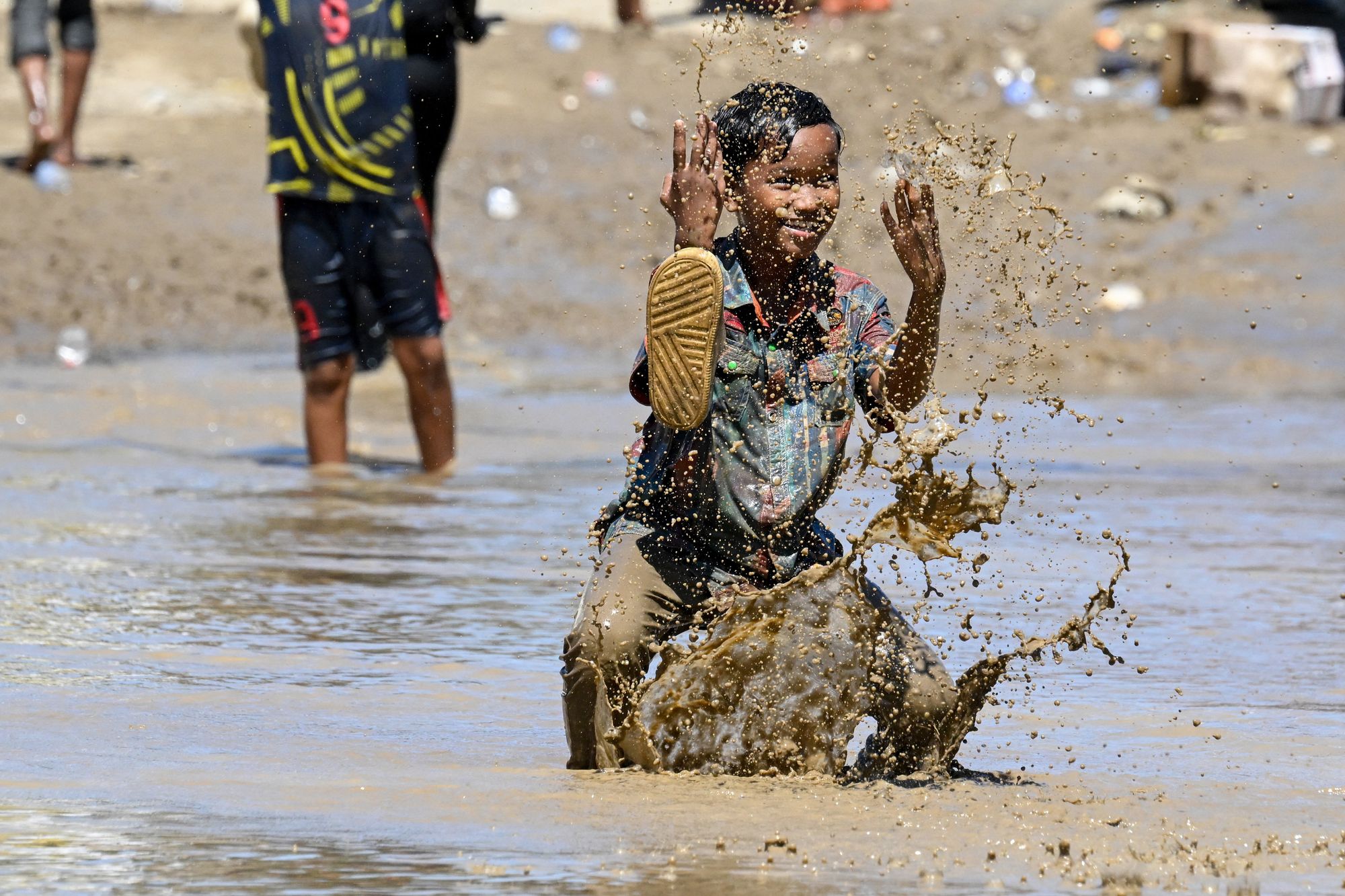
Thailand reported at least 176 fatalities, with severe flooding affecting around three million people in its southern provinces.
Floodwaters rose so quickly in Hat Yai, a major commercial hub, and left families stranded for days. Prime minister Anutin Charnvirakul, preparing for an election in January, said he was focused solely on the emergency response.
“I am only thinking about how to help the people,” he told reporters.
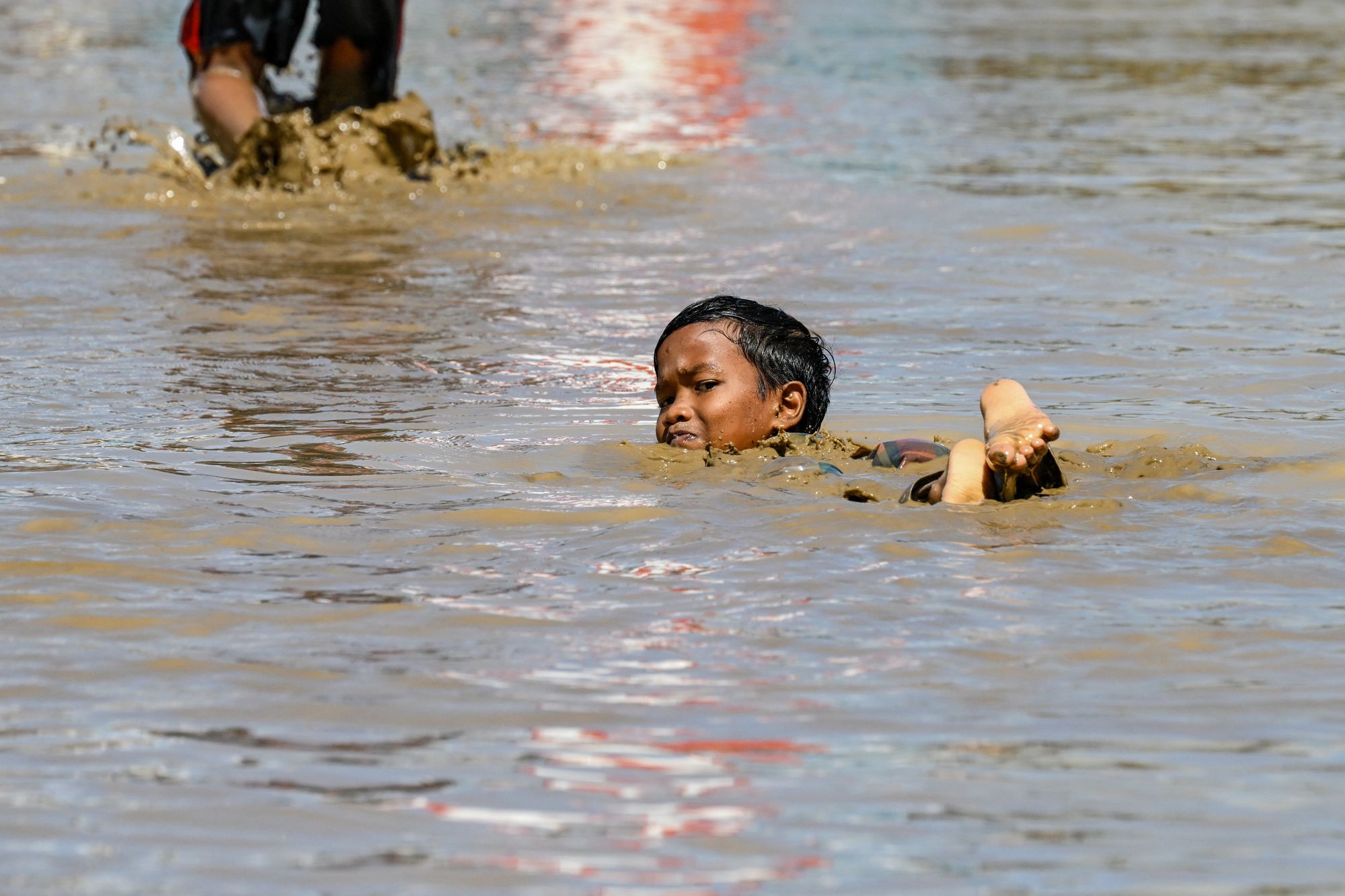
Rescue accounts from Hat Yai described residents trapped on roofs or upper floors as fast currents swept away furniture and vehicles.
Volunteers evacuated critical hospital patients by boat and the military deployed helicopters to reach people who had run out of food and drinking water.
One resident, Natchanun Insuwano, said his family survived on a single bottle of water for two days as they waited waist-deep inside their flooded home. “I looked in the sky to see if a helicopter or drone might drop some food,” he told the Guardian.
Malaysia saw three deaths and was forced to move 11,600 into evacuation centres as multiple cyclones churned across the region simultaneously last week.
While Cyclone Senyar struck Indonesia and affected Malaysia, Ditwah battered Sri Lanka.
Scientists say such events are becoming more intense as warmer oceans provide more energy for storms and shifts in wind patterns enable stronger cyclones to develop in areas once considered low-risk.
This year’s monsoon season was further destabilised by La Niña, a recurring climate pattern known for pushing warm water westwards across the Pacific, creating conditions for heavier rain, the New York Times reported.
While monsoon flooding is an annual occurrence, the combination of seasonal rains and late-year tropical cyclones is unusual in South Asia.
Governments have faced criticism for slow warnings and uneven disaster preparedness.
Thailand’s authorities, in particular, have been attacked for underestimating the danger before waters surged to chest height in some neighbourhoods.
In Sri Lanka, where economic recovery from its 2022 crisis remains fragile, officials warn that reconstruction needs span every district.
Indonesia, meanwhile, is dealing with long-standing vulnerabilities – from youth unemployment to Jakarta’s subsidence – that compound its exposure to climate extremes.
Join our commenting forum
Join thought-provoking conversations, follow other Independent readers and see their replies
Comments
Bookmark popover
Removed from bookmarks