Britain’s most-loved car goes electric as Everrati plans iconic Mini revival
Exclusive: Original Mini to be reborn as a £155,000 electric car by British specialist Everrati
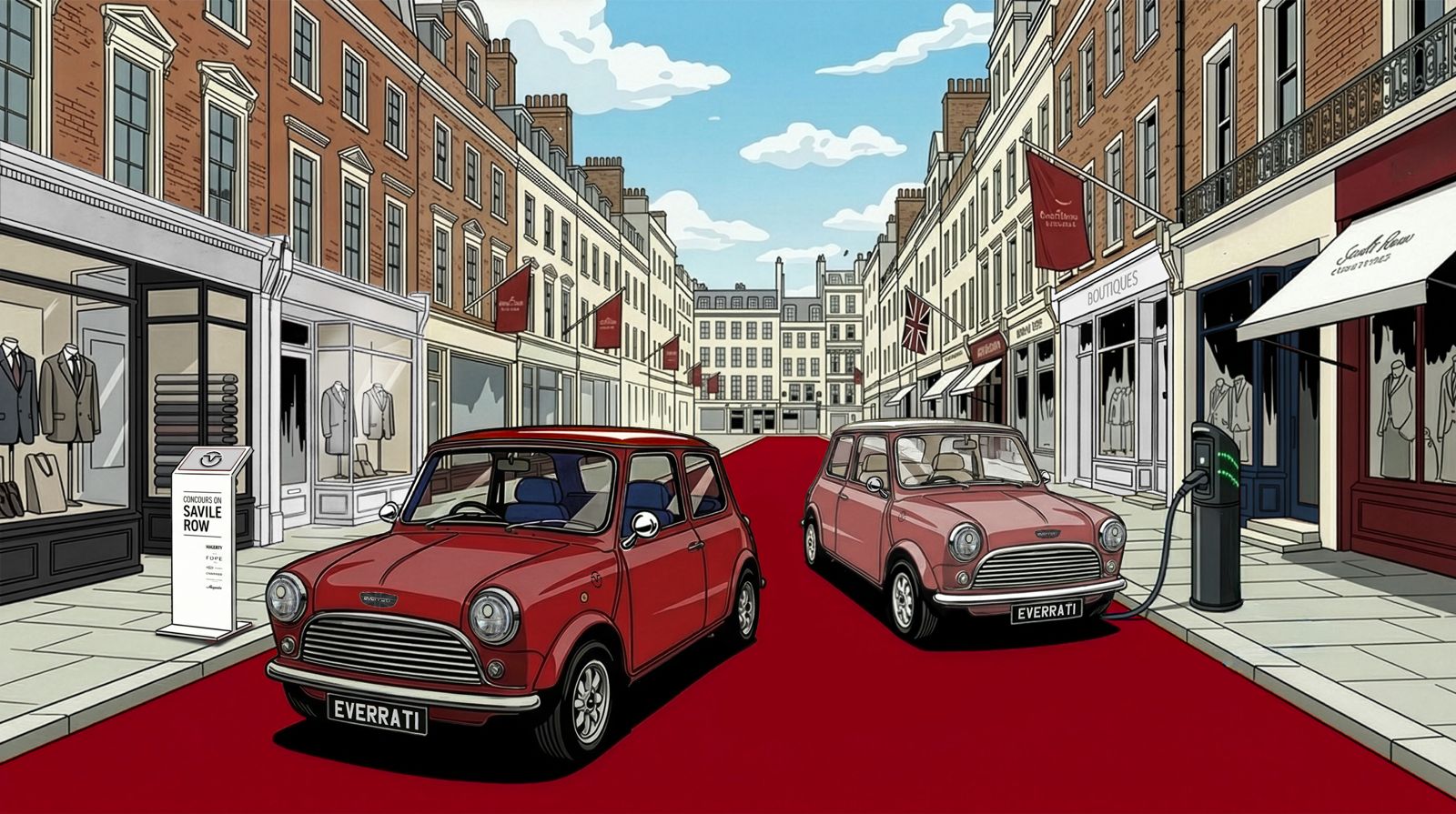
In a Valentine’s Day exclusive, The Independent can reveal that Britain’s most-loved car is set for an electric rebirth. Oxfordshire-based car specialist Everrati has confirmed plans to build a zero-emissions version of the original Mini. The 1960s classic is widely regarded as Britain’s best-loved and most iconic car. Made famous by Twiggy and The Beatles, it was etched into motorsport folklore by Monte Carlo Rally winner Paddy Hopkirk.
For Everrati founder Justin Lunny, the Mini is more than just another model in the company’s growing portfolio of electrified classics. “I think it’s one of the most emotionally important cars ever built,” he told me. “We’ve all got a Mini memory.”
The project began, perhaps surprisingly, with a request from overseas. Lunny says Everrati was approached by the family office of a Middle Eastern prince who wanted a bespoke electric Mini inspired by high-end restomod projects of the past. “He loved what we do and he said, ‘could you do this for us?’” Lunny explained. That one-off commission quickly evolved into something more strategic.
“We then looked at it and said, actually, as an entry-level Everrati, it’s a great car. It’s a car people absolutely love. It’s one that to many people is a very emotional car.”
Everrati’s approach to the Mini makeover mirrors that used on its electric Porsche 911, Mercedes-Benz Pagoda and Land Rover models.


Each donor Mini will be stripped back to a bare shell, restored and rebuilt with a bespoke electric powertrain, with many of the specialist parts that go into the other Everrati models finding their way into the Mini, too.
Lunny insists the ethos is preservation rather than reinvention. “The whole point of it is not to ruin these cars. It’s about respecting them and actually creating something that is going to be fun, engaging, and used for generations to come as well.”
The Mini’s compact dimensions dictate modest battery packaging, with a targeted range of around 110 to 120 miles – meaning the car will be aimed squarely at urban use rather than motorway touring, exactly as the original was. Charging is currently via a 7kW AC system, designed primarily for overnight home charging.
Crucially, Lunny says the car will look like “just a beautifully restored Mini”. Everrati avoids cutting or structurally altering original body shells wherever possible and does not tamper with chassis architecture. Suspension and braking are subtly upgraded to cope with the electric drivetrain, but the visual integrity remains intact. “You don’t need to do anything with it,” Lunny said. “People love it for what it is.”
Everrati Mini prices start at £155,000, plus the donor car and local taxes. That places the Mini well below Everrati’s average vehicle price, which over the past 12 months has been just under half a million US dollars (£367,000) before those taxes and donor car costs. The Mini is therefore positioned as the most more accessible entry point into the brand, albeit at £155,000.
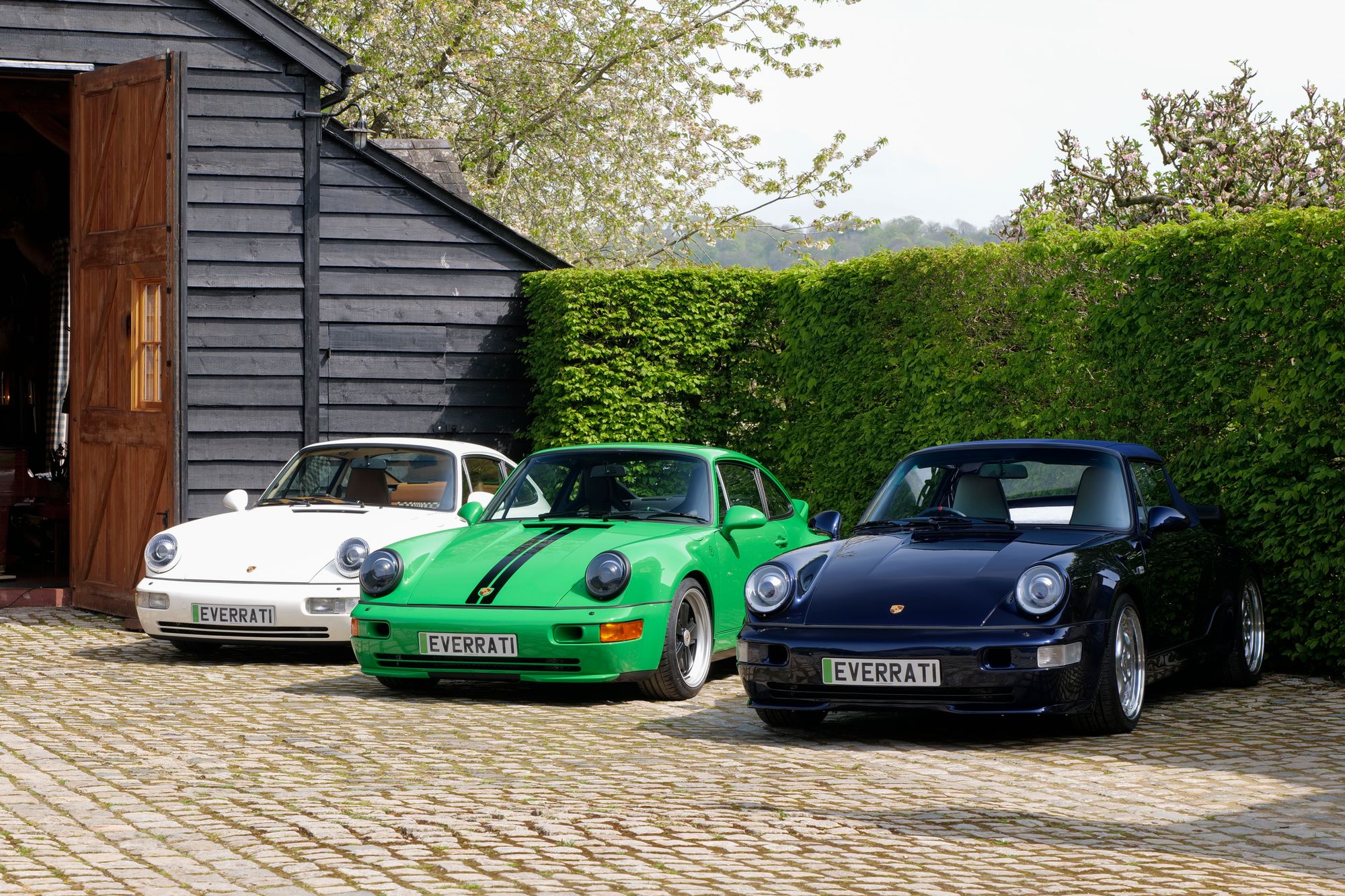
Everrati itself was founded after Lunny exited a technology business and – as a lifelong car enthusiast – he began questioning how classic motoring could coexist with environmental concerns. He recalls his daughter, then seven or eight, worrying about climate change. At the same time, he was inspired by the electric Jaguar E-type Zero revealed at the Duke and Duchess of Sussex’s royal wedding in Windsor. “The goal was always to create the world’s most iconic electric cars,” said Lunny.
That ambition has since expanded beyond retail conversions. Around 70 per cent of Everrati’s cars are now delivered to US clients, and the company has developed a separate “Powered by Everrati” division that’s set to supply turnkey electric powertrains to low-volume manufacturers.
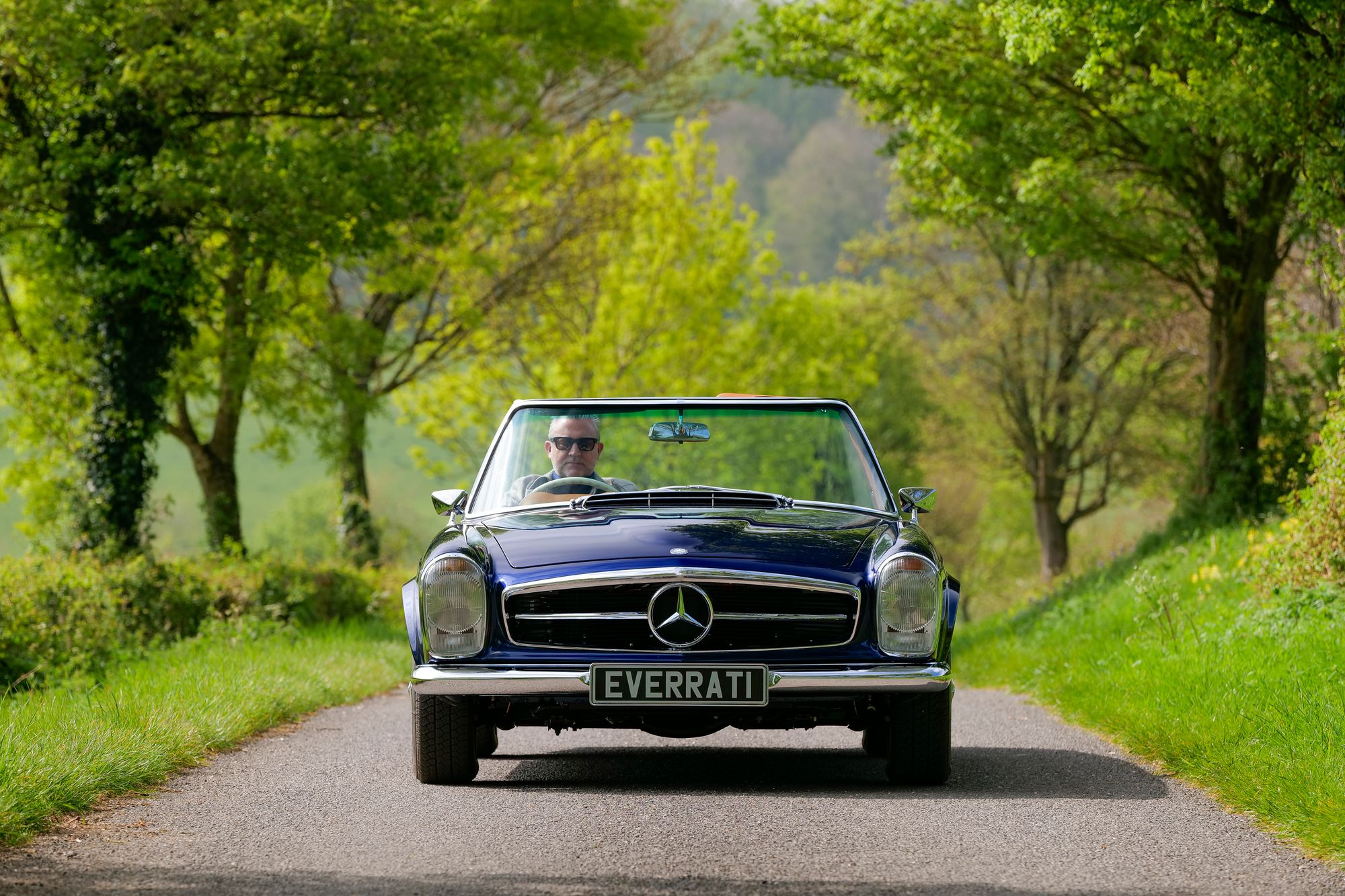
The Everrati engineering team includes former McLaren, Bentley, Jaguar Land Rover, Rimac and Formula One engineers, while each vehicle undergoes a full re-engineering process that goes well beyond replacing engine and gearbox. Weight distribution, centre of gravity, dial design, switchgear, air conditioning and software calibration are all considered. “We don’t just convert a car,” Lunny said.
In some cases, that process can be extensive. A forthcoming electric Lamborghini LM002 project for a Middle Eastern client involves detailed 3D scanning and a complete rethink of the vehicle architecture. Yet Everrati is selective. The company has declined requests to electrify certain historically significant models unless damaged examples could be sourced. “We said no, it’s too important a car,” Lunny recalled of one proposal.
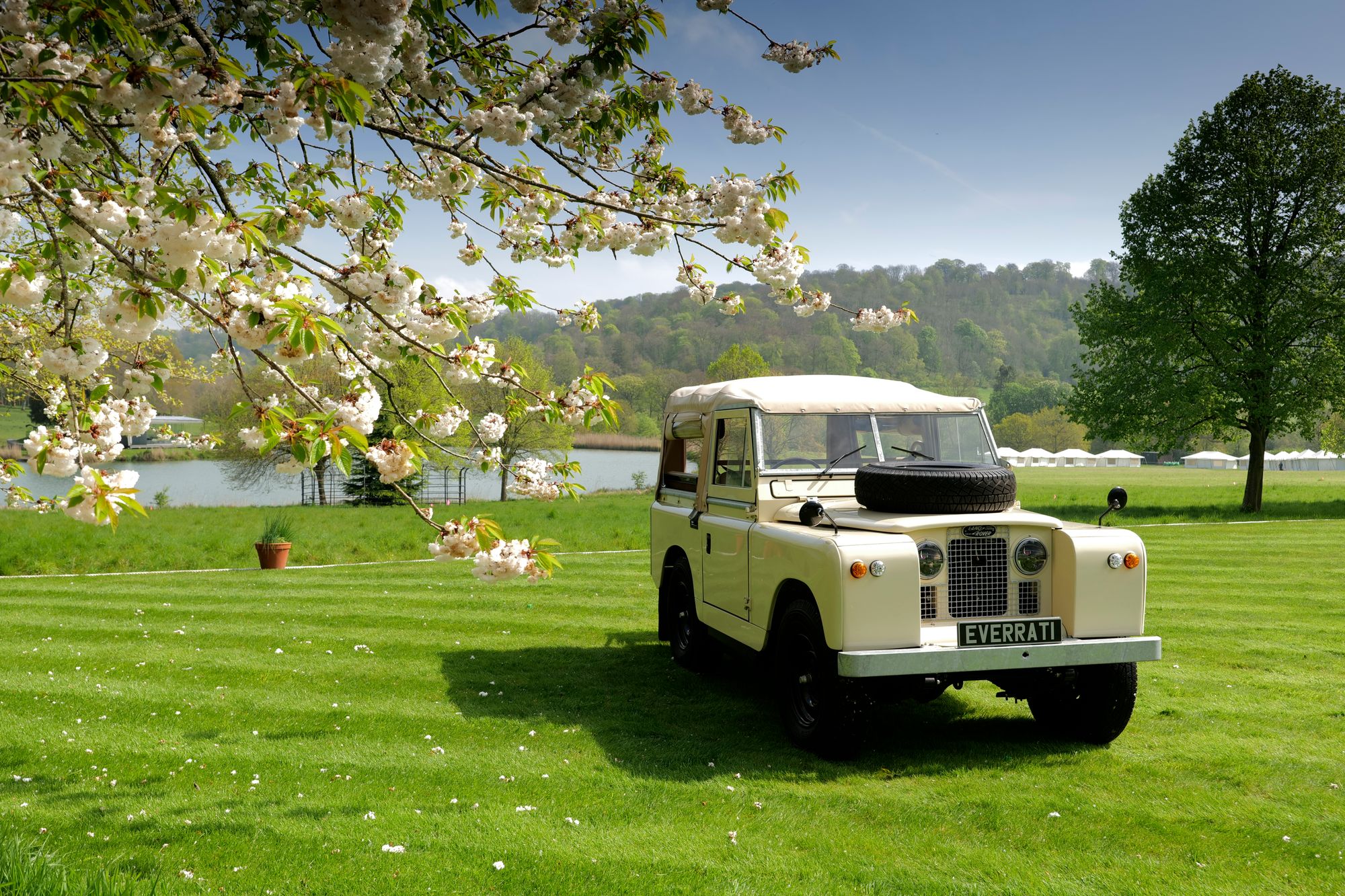
Inside, discreet modernisation is allowed. Apple CarPlay, upgraded audio systems and heating are integrated but hidden behind period-correct fascia designs, while heated seats can also be added.
While Everrati sees itself as proudly British, expansion into North America is on the horizon, with plans for a Southern California facility to serve its largest market and support business-to-business opportunities.
For now, though, it is the Mini – small, cheeky and unmistakably British – that takes centre stage. More than six decades after Sir Alec Issigonis created a packaging revolution on four wheels, and after celebrities and rally heroes cemented its place in the nation’s affections, the original Mini is preparing for a new electrified chapter.
Join our commenting forum
Join thought-provoking conversations, follow other Independent readers and see their replies
Comments
Bookmark popover
Removed from bookmarks