The climate crisis, aid cuts and deepening poverty are combining to drive a crisis in Madagascar
The humanitarian crisis in the south of the country has worsened in recent months, with the head of the country’s UN humanitarian operation telling Nick Ferris there is currently little hope for improvement

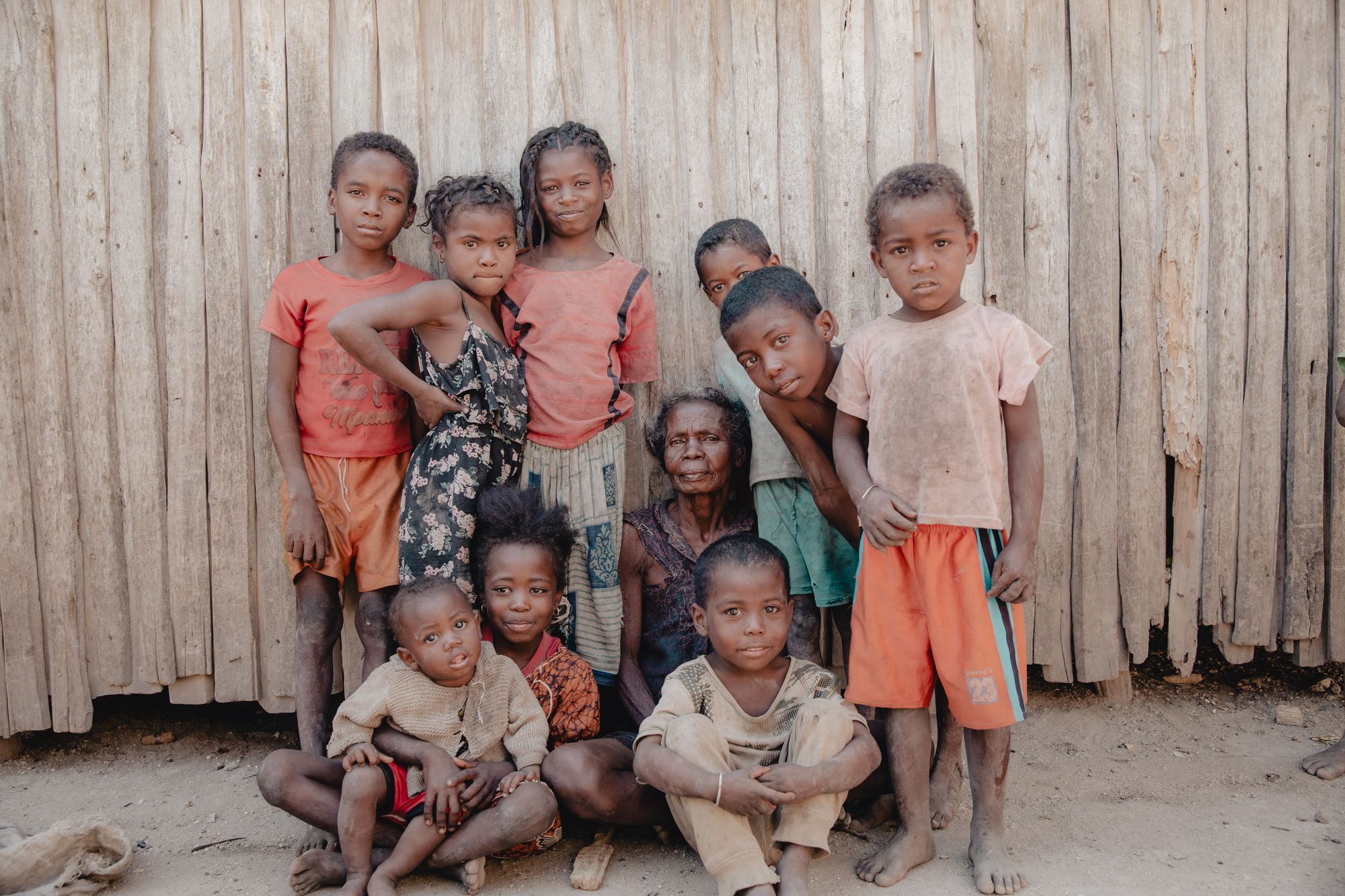
The climate crisis, foreign aid cuts and chronic poverty are combining to drive an escalating humanitarian crisis in southern Madagascar, the head of the country’s UN humanitarian operation has warned.
Speaking to The Independent, Rija Rakotoson says that malnutrition and malaria are particular problems right now – adding that this worsening situation is what was always likely to happen when less “acute” crises are no longer a priority in the era of aid cuts.
“We are in a very worrying situation, with an escalating humanitarian crisis that has been driven by multiple climate shocks, as well as a funding picture that has been completely devastated this year,” says Rakotoson, head of the UN Office for the Coordination of Humanitarian Affairs (OCHA) in Madagascar.
“The current pressure on funding makes it very hard to receive more money unless you are in an acute humanitarian catastrophe – but the health and nutrition impacts we are seeing are still really significant, and do require much more funding [for it] to be properly addressed,” he adds.
Unlike the lush, green north of Madagascar, which is famed for its tropical rainforests and vanilla production, the climate of the Grand Sud region in the south of the country is harsh and desert-like, making it extremely vulnerable to climate change.
The current crisis is seen as starting in 2021, when the region was hit by its worst drought in 40 years, which led to several thousand people slipping into what the Integrated Food Security Phase Classification (IPC) – who collate the five-point food security scale used by the UN – calls level five, “food catastrophe”.
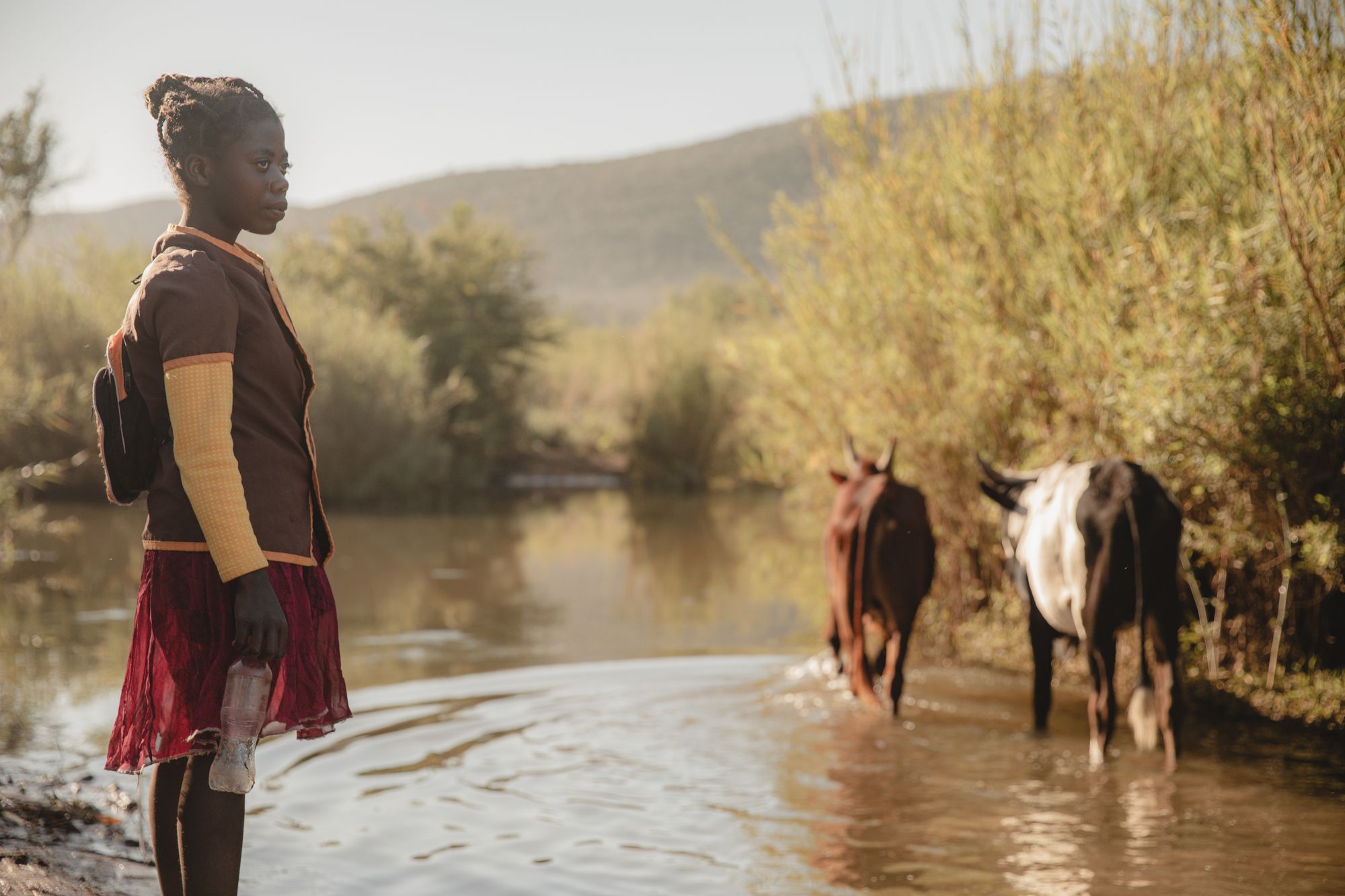
Conditions then gradually began to improve, especially after strong rainfall came in 2024, but things have taken a turn over the course of 2025. A prolonged drought through October to December 2024; severe flooding following multiple cyclones – particularly tropical cyclone Honde and storm Jude – in March 2025; as well as a series of devastating locust infestations from February to May 2025 have all been cited by OCHA as key drivers of the current crisis.
Northern regions of Madagascar regularly experience tropical cyclones from across the Indian Ocean – but the impact of these two events was particularly devastating due to the fact that they rarely hit the south of the country with such intensity, says Rakotson. “We have been working to make infrastructure and livelihoods adapt to drought, not flood conditions, so nobody was really prepared for what happened,” he says.
Over the course of the year, humanitarian aid to Madagascar has also fallen by nearly 70 per cent year-on-year, according to data from OCHA that has been shared with The Independent, with the cut largely driven by the US slashing its funding to the country from $78m (£58m) to less than $6m. According to Rakotoson, some 15 local NGOs have closed in Le Grand Sud, while large NGOs have also been significantly reducing their footprint, with American charity Catholic Relief Services notably closing several offices and cutting 300 staff roles.
OCHA itself is no longer able to send staff from the capital Antananarivo to the South to coordinate humanitarian responses – and has also been prevented from launching a full-scale global appeal to funders due to “very strict rules” around that, says Rakotson.
“We really are feeling the impacts of the cuts hugely,” he says. “It is important to remember, too, that Le Grand Sud is already the poorest part of the country, with more than 80 per cent of people living below the poverty rate, and more than 75 per cent of people living more than 5km from health centres.”
Impacts that have been tracked by the UN on the ground include seven of 11 districts of Le Grand Sud experiencing crisis levels of food insecurity (IPC 3), with 29,000 people in emergency levels (IPC 4).
Some 558,000 children under five are projected to be acutely malnourished this year, which is up 56 per cent on last year. That figure includes some 155,600 with severe acute malnutrition, which is characterised by extreme wasting of the body, impaired vital organ function, and a very real risk of death.
A major malaria outbreak has also been ongoing since April 2025, further straining the region’s health infrastructure, with 45,200 confirmed cases – or a quarter of the country’s total – reported in just one district in the South earlier this year.
Climate crisis is a water crisis
Many of the impacts experienced in the country are due to a staggering 14.3 million people in the country – or around half of the population – not having clean water close to home, with fewer than half of schools or health centres having running water. The increasing frequency of extreme weather events – which drive both floods and droughts – are further threatening the already-weak water infrastructure.
In the Southern village of Ankilimiary, grandmother Tsalova, 70, spends a lot of her money buying water, and if she cannot afford it, has to collect dirty water directly from the Taranty River.
“Sometimes I fetch water from the Taranty River when I have no money. It is so far away. Even if I leave in the morning, I may not make it back home the same day,” she says. “The walk is very rocky. The roads are very rough; it is like a mountain. We really struggle.”
In comments recorded by the NGO WaterAid on a recent fact-finding mission, which have been shared exclusively with The Independent, Tsalova further explains that the predictable rainfall of former years can no longer be relied upon, and food scarcity regularly strikes.
“During the dry season, we only eat cactus. When there is no rain, there is nothing else to eat,” she says. “We have tried to grow maize, but we have no rain, so it came to nothing.”
WaterAid has been present in neighbouring villages, installing clean water infrastructure for Madagascar’s state water utility JIRAMA – but plans have had to be severely curtailed this year after around 40 per cent of the NGO’s funding in the country was suddenly slashed due to foreign aid cuts.
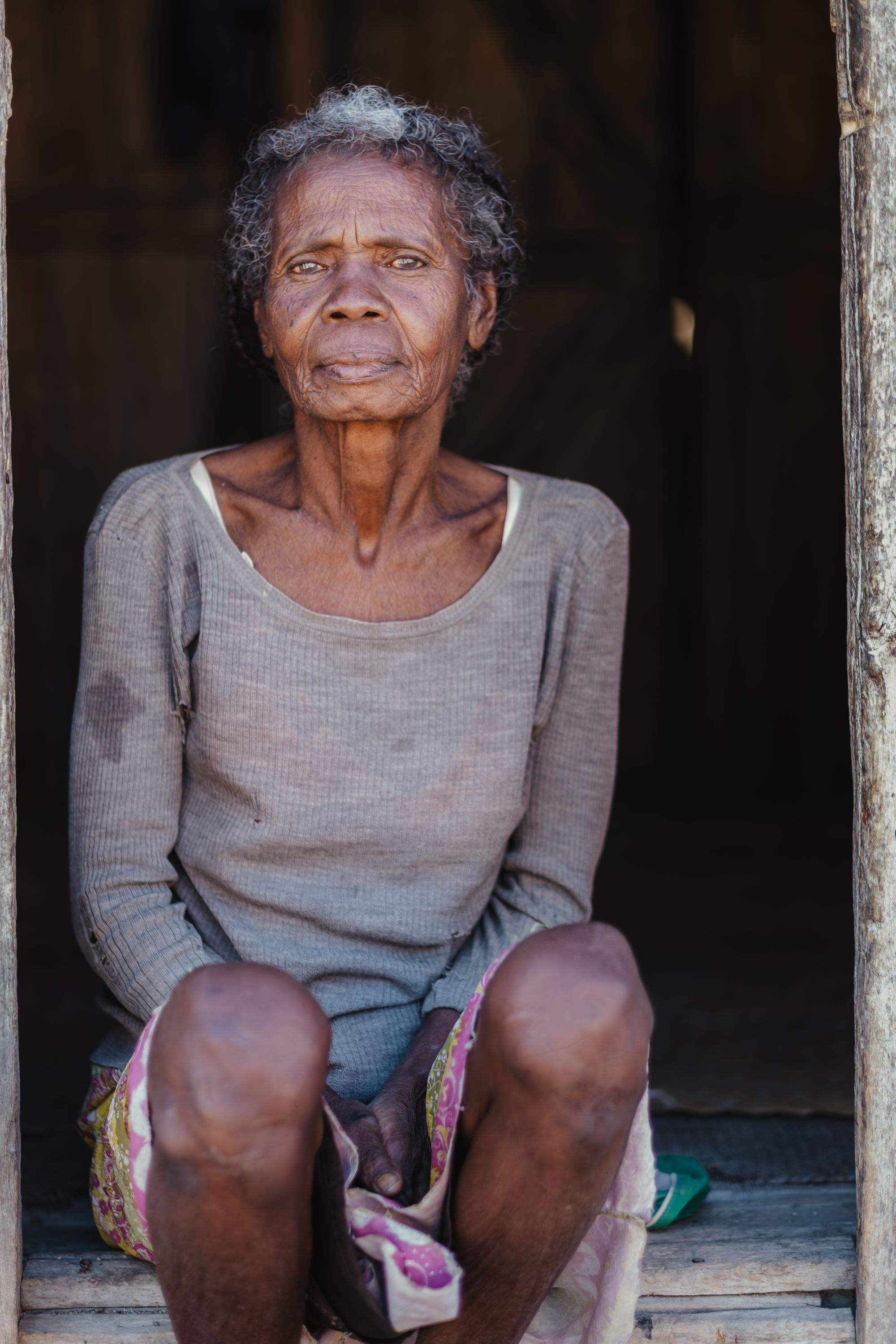
“We had funding to improve water access in the area, but unfortunately it was suddenly ended, leaving us with thousands of people who we were due to help, but in the end we were unable to,” WaterAid country director Josette Vignon tells The Independent.
There is a “massive gap” between what NGOs are currently able to do to help people in the district, Vignon continues. “A lot of communities have plans in place to improve water infrastructure, but just need the funding now to drive them to conclusion,” she says.
This article was produced as part of The Independent’s Rethinking Global Aid project
The crisis in Le Grand Sud is the focus of WaterAid’s 2025 Winter Appeal
Join our commenting forum
Join thought-provoking conversations, follow other Independent readers and see their replies
Comments
Bookmark popover
Removed from bookmarks