Deeply controversial land reform in Zimbabwe helping small farmers adapt to climate change, research suggests
Exclusive: 25 years after the programme – widely seen as being characterised by violence and economic chaos – was introduced, new research finds that it has helped smallholder farmers become more resilient to the climate crisis
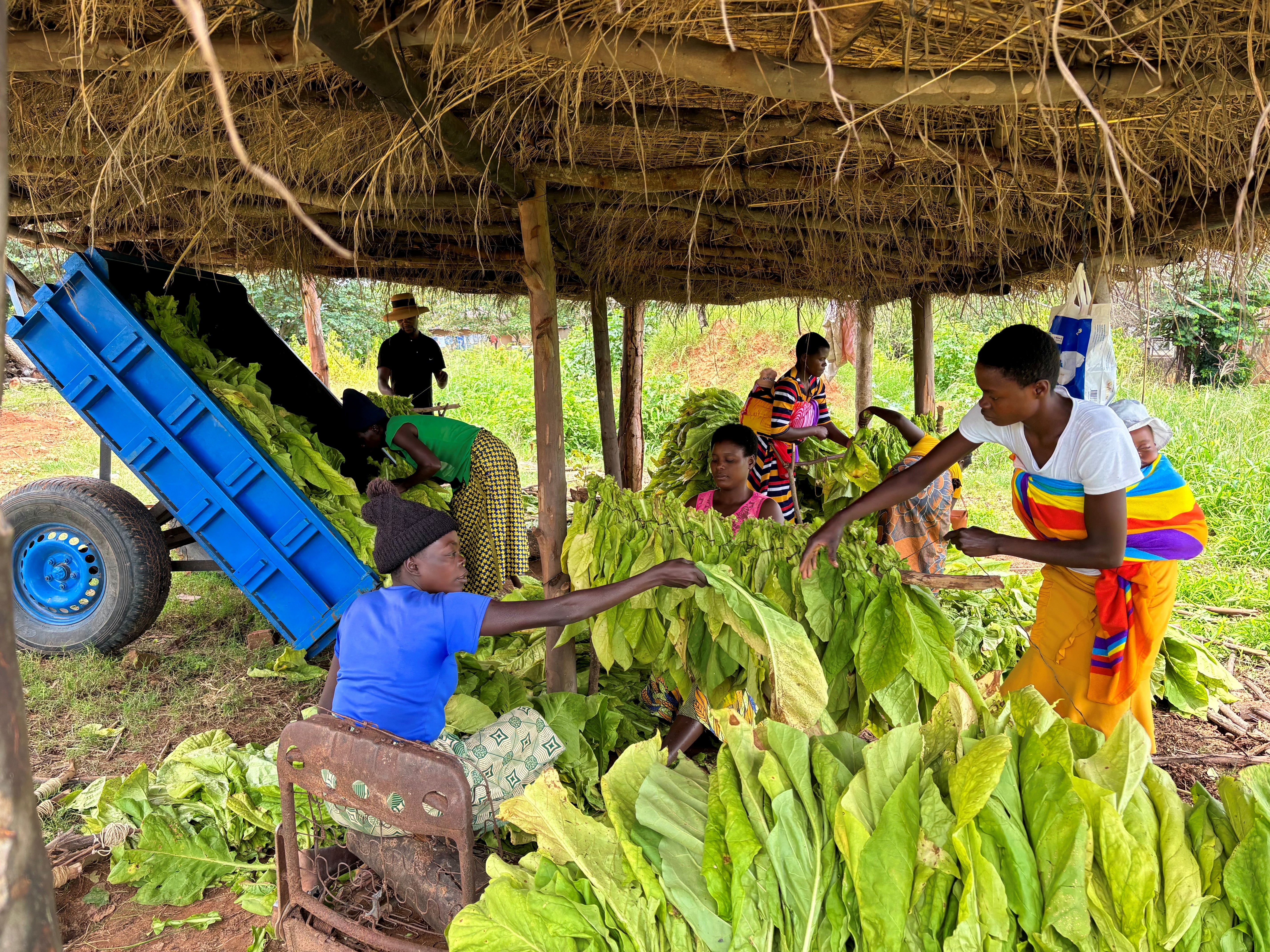
Zimbabwe’s deeply controversial land reform programme - widely seen as a “failure” characterised by violence and economic chaos - has helped thousands of farmers adapt to escalating climate crisis in the country, according to new research.
The new data, which has been collected by a research team led by Professor Ian Scoones at the Institute of Development Studies, shows that smallholder farmers in areas that have undergone land reform are seeing bumper crops compared to those smallholders that work in so-called “communal areas” that have not undergone reform.
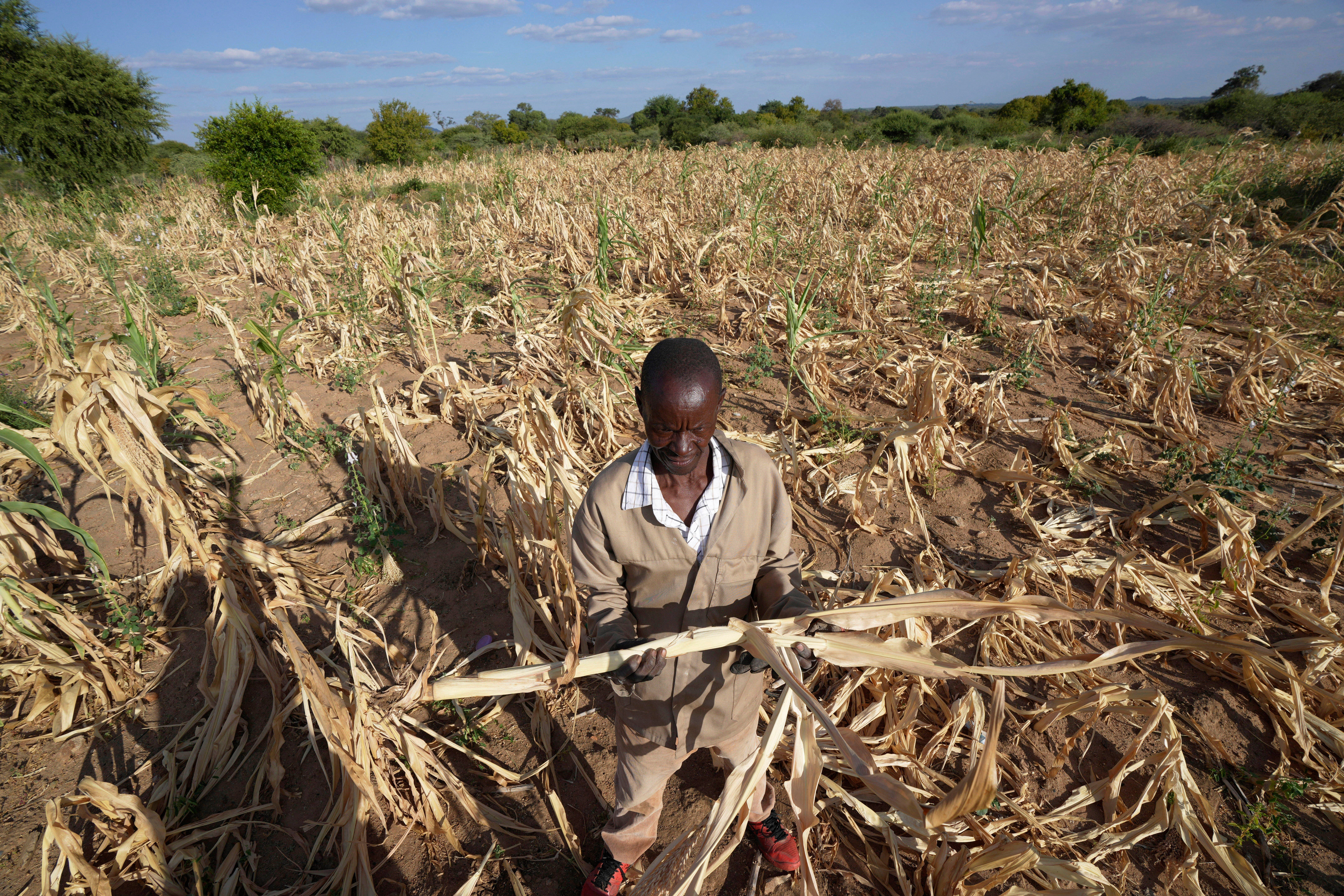
The results come as extreme weather events, including flooding and drought, are increasingly threatening the livelihoods of smallholders in Zimbabwe, with a devastating drought across 2024-5 season leading to crop failure across the country and leaving an estimated six million people food insecure.
Zimbabwe’s Fast Track Land Reform Programme, which was launched by former President Robert Mugabe in 2000, saw around 4,000 white farmers forced from their land, which was then handed over to around one million Black Zimbabweans.
The government argued that the programme was a correction to colonial-era land grabs - but it contributed to agricultural output volumes falling two-thirds between 2000 and 2008, which in turn contributed to hyperinflation in a country that had previously been seen as an economic powerhouse in the region.
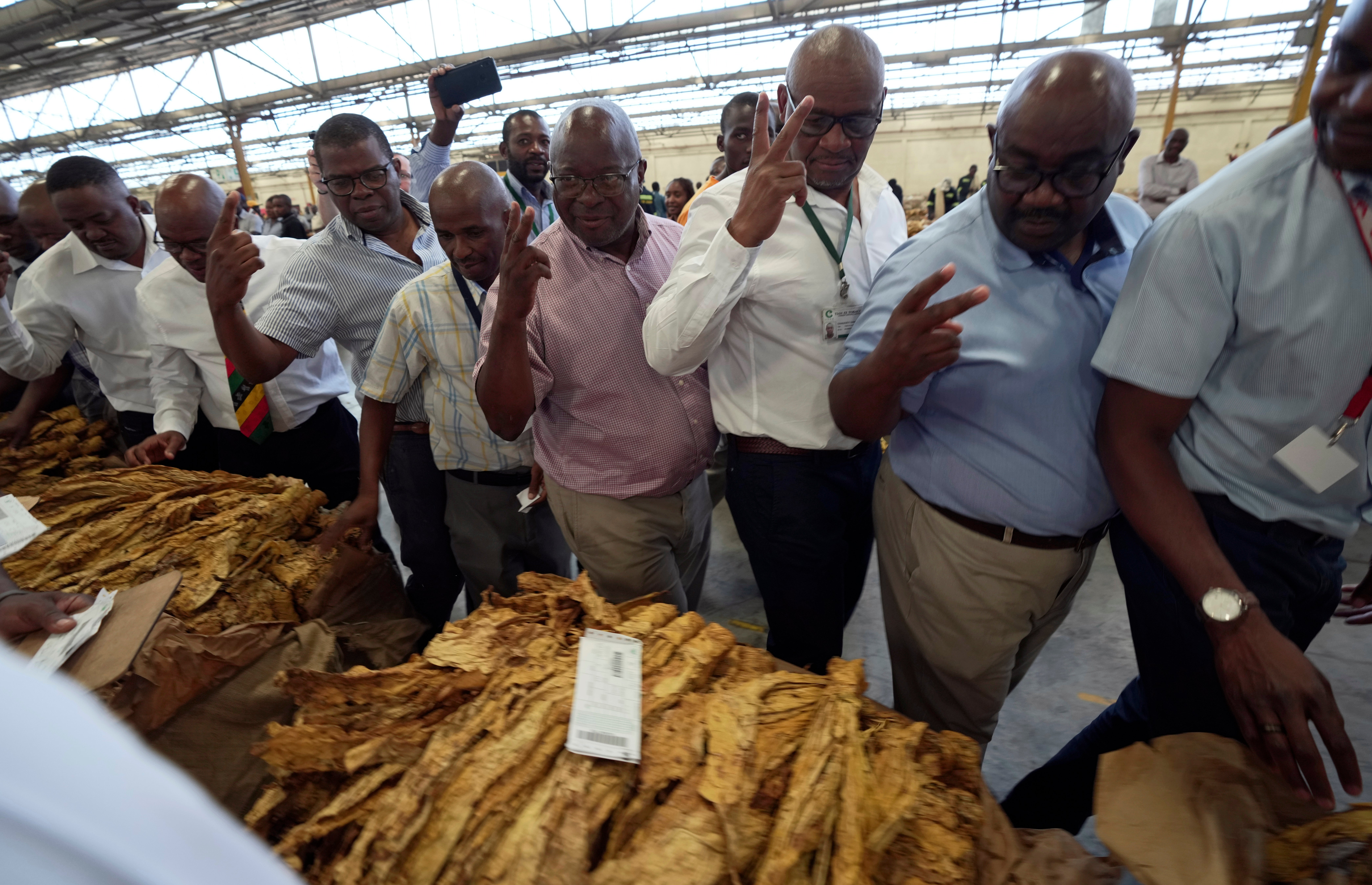
Recent years have, however, seen that trend show signs of reversing, with bumper maize crops in some years and tobacco production now exceeding levels recorded pre-land reform.

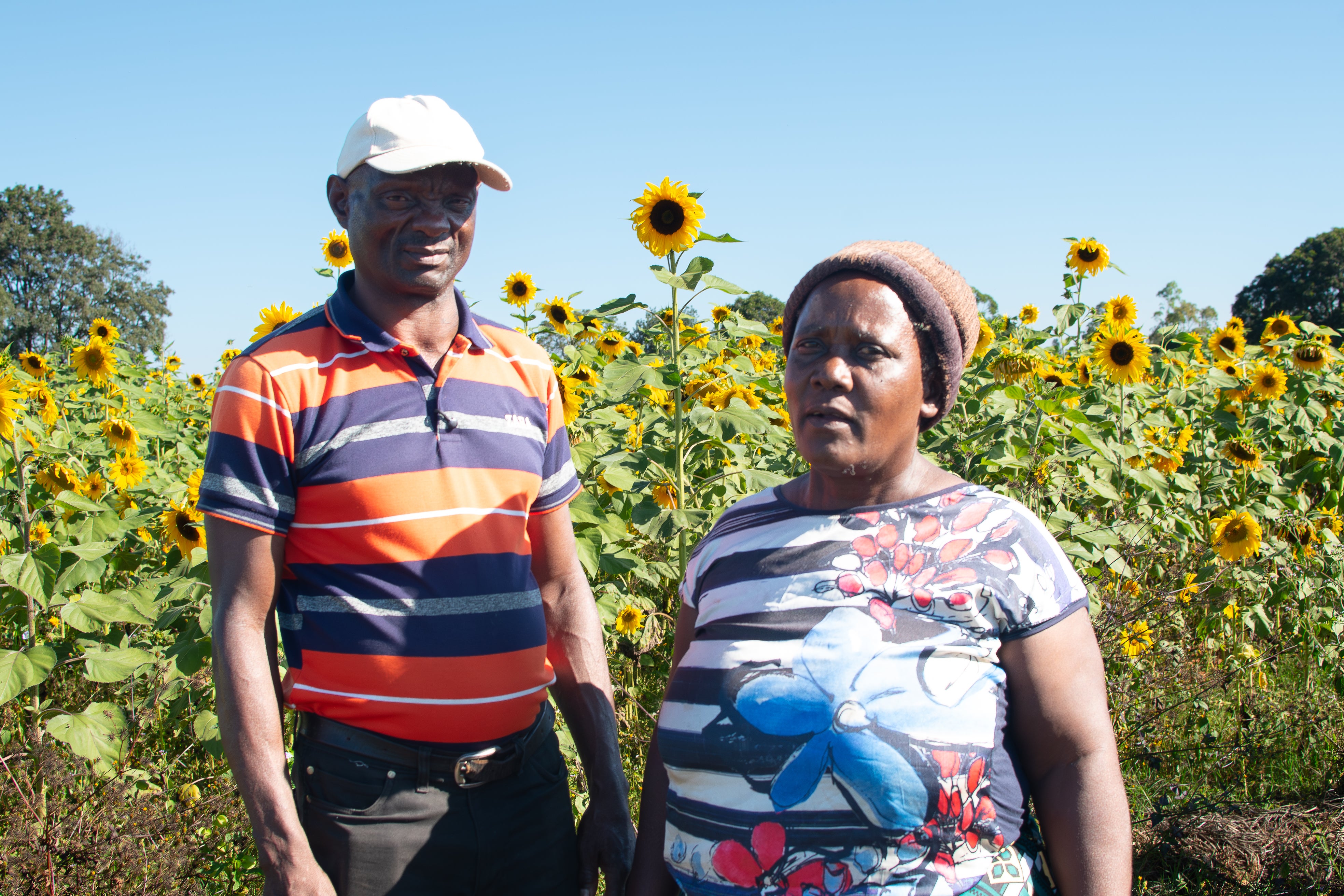
The research suggests that smallholders in areas that have undergone land reform have more land, greater agricultural sales, greater investment in irrigation, and greater diversification of crops, compared to smallholders that remain in communal areas, which are land designations that date back to the early colonial era, when British authorities established "reserves" for the indigenous African population.
The data is based on the monitoring of some 1.500 households in both land reform areas and communal areas over the past 25 years, with the results showing that farmers in land reform areas were on average producing two to three times more maize, selling nine to ten times more maize, and also investing significantly more in water tanks and pumps.
According to Scoones, the research offers lessons in how smallholder farmers in Sub-Saharan Africa can adapt to climate change - and also offers a correction to the often one-sided narratives that exist around the country’s land reform.
“Land reform in Zimbabwe has been extremely controversial, especially in the UK - but most media coverage has dwelt on the dispossession of white farmers, not what has happened since,” he says.
“Our research shows that in the smallholder land reform sites there has been significant investment and people are able to produce more despite the effects of climate change.”
With more land, the smallholders have been able to plant more, sell surpluses, and invest in their farms, Scoones continues, which is an “unexpected outcome that runs against the standard narrative of the ‘failure’ of land reform.”
Many smallholders from land reform areas have been able to invest their additional income in cheap Chinese-made pumps and solar panels, which in recent years have plummeted in price, Scoones adds.
The new research from the Institute of Sustainable Development comes just weeks after climate leaders gathered at the Cop30 UN climate conference, where the lack of discussion around farming and food systems was criticised by some observers.
There was also little mention of land rights or land reform as means of helping the world’s 500 million smallholder farmers - who provide around one-third of the world’s food - adapt to the escalating climate crisis, with no mention of “land reform”, “land redistribution” , or “land tenure” in the landmark “Global Goal on Adaptation” that was adopted at Cop30.
“Land tenure security is foundational for effective climate action.” explains Rachel McMonagle, climate change programme director at the US NGO Landesa, which advocates for land rights.
“When people have secure land tenure, they have the incentive to invest their time, labour, and resources into their land with long-term sustainability in mind. This can lead to greater productivity and increases in crop yields, as well as uptake in sustainable management practices like soil and water conservation, improved irrigation, tree planting, and agroforestry – critical strategies for smallholders to adapt to climate change.”
Challenges around adapting to the climate crisis are becoming so significant that many young farmers are choosing to turn away from farming, according to experts and farmers recently interviewed by The Independent. Redistributing land and boosting land rights could be seen as “part of the solution” to this problem, too, says Scoones.
This article was produced as part of The Independent’s Rethinking Global Aid project
Join our commenting forum
Join thought-provoking conversations, follow other Independent readers and see their replies
Comments
Bookmark popover
Removed from bookmarks