The great fitness mistake most of us make – and the simple solution that works
In the latest Well Enough newsletter, Harry Bullmore talks to celebrity trainer Monique Alexander, who works with stars like Anne Hathaway, about why “all or nothing” approaches to exercise and food backfire – and how small, consistent actions lead to real results


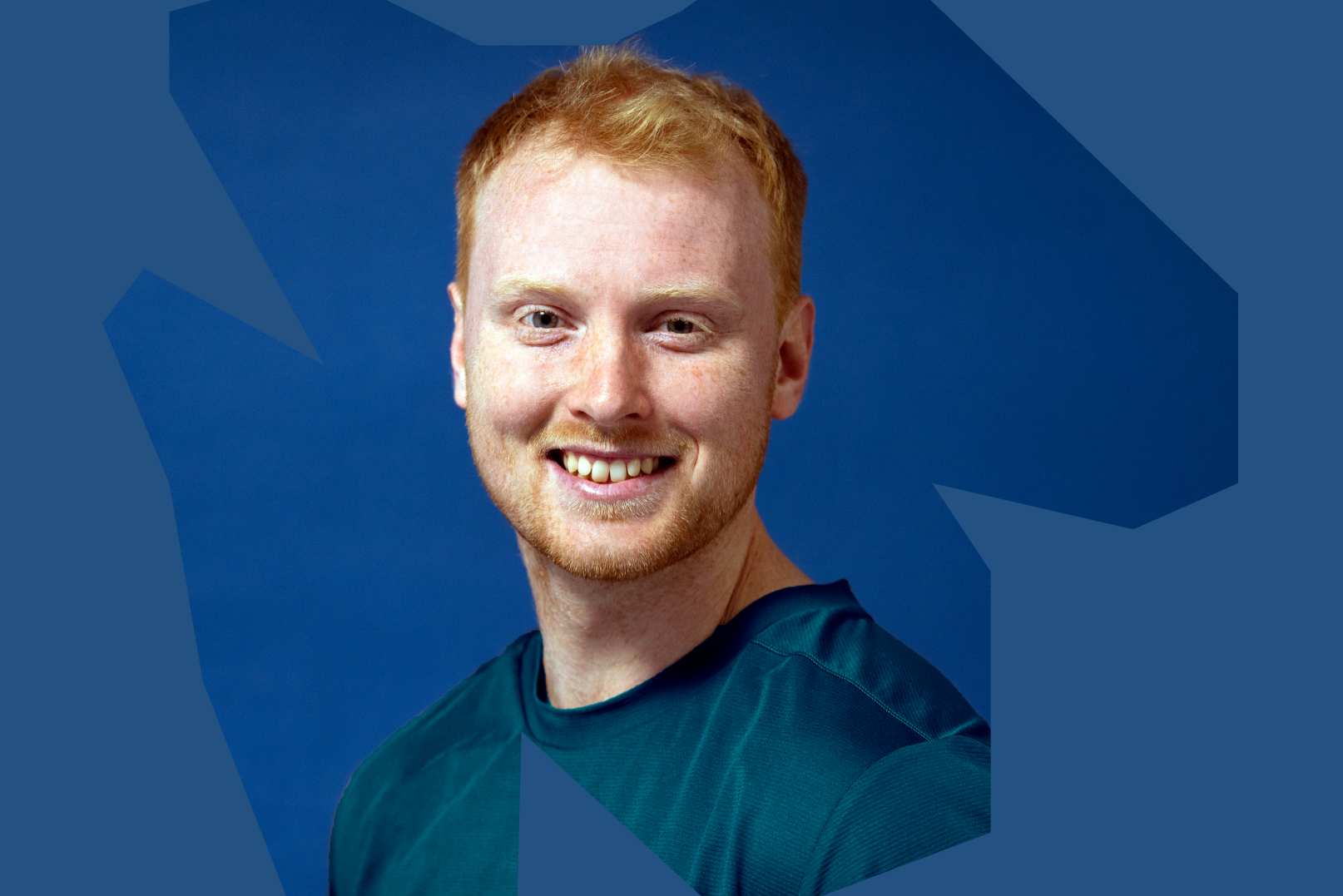
The article below is an excerpt from my newsletter: Well Enough with Harry Bullmore. To get my latest thoughts on fitness and wellbeing pop your email address into the box above to get the email direct to your inbox.
A few days ago, I had a chat with trainer Monique Alexander, whose client list reads like a Hollywood casting agent’s little black book: Anne Hathaway, Stanley Tucci and Emily Blunt, to name a few.
This means she’s responsible for a significant chunk of the Devil Wears Prada sequel cast – she casually mentions jumping on a Zoom call with “Annie” directly after our interview, which makes me feel a tad inferior.
So what does Monique do to whip her actors into shape for a film in which they play lean, poised, powerful fashionistas? Surely she beasts them with brutal workouts that leave them begging for a break? Well, no.
She takes a more measured, sustainable approach, and this is the overarching theme of this newsletter.
“My actors are trusting me with their bodies when they are exhausted,” she tells me. “These guys are non-stop. Their filming schedules – I can’t understand the 5 am starts.
“When they’re filming, there’s no point going in and lifting heavy or doing something incredibly intense. I’ve got to make them strong, but I also have to work around their schedule.”
I’m not currently filming a blockbuster, and I’d wager you aren’t either. But busy days aren’t exclusive to celebrities, and I think we can all learn from Monique’s approach.
Not every workout has to be perfect, heavy, or intense – if it were, our bodies would likely rebel and break down. After all, while workouts trigger the positive adaptations we’re after (such as a healthier heart and stronger body), it is during the recovery periods in between that our bodies actually implement them.
If exercise is to have a lasting impact, the most important thing is to move your body consistently. On busier days, this could mean a short stretching routine or simply going for a walk – something is usually better than nothing. To help those who often find themselves short on time, I compiled a list of scientists’ tips for increasing the health benefits of any steps you can squeeze into your day, which you can read here.
This “something is better than nothing” approach extends to food too.
I recently interviewed Luke Hanna, a personal trainer with more than a decade of experience. In a bid to help his clients, he returned to university a few years ago to obtain a master’s degree in obesity and clinical nutrition. This gives him interesting insights into both sides of the weight-loss equation: movement and diet.
During our discussion, Hanna shared six things he wishes people knew about fitness and fat loss, but the one that interested me most was the idea that there are no good or bad foods.
“I see this all the time when clients have a takeaway, grab an ice cream, or go out for food, then feel guilty because it wasn’t the most nutritious thing they could have eaten,” he says.
“But people know that if they eat one nutritious meal, they won’t suddenly be healthy. So why would you assume that having one pizza makes you unhealthy?”
As with exercise, you are not defined by one day or one meal, but by your average actions – the things you consistently eat and drink.
“I don’t think it’s beneficial for people to feel hugely guilty for enjoying food,” Hanna continues. “If anything, labelling your food as ‘good’ and ‘bad’, or ‘clean’ and ‘dirty’, just worsens your relationship with it and creates binge–restrict cycles. If people stop assigning morality to food, they’ll be better off.”
This reminded me of the “all or nothing” mindset Olympic gold medallist turned health coach Sally Gunnell often spotted in her clients.
“If you miss a workout or overeat on one day, don’t say ‘I’m going to start again on Monday,’ then throw the rest of the week away,” she says, likening it to dropping your phone, seeing a small crack in the screen, then smashing it to smithereens.
“Just go back to your normal [healthy] routine as soon as you can – progress isn’t about perfection,” she advises.
So, closing notes: fitness and perfection are never bedfellows. Fitness also can’t coexist with complete inaction. But if you can find a way to do something most days – moving your body, getting out of breath, and lifting something challenging a couple of times per week – chances are your health will move in the right direction.
Get the Well Enough newsletter
To receive Well Enough with Harry Bullmore, simply enter your email address in the box at the top of this page.
You can also head to our newsletter preference centre to sign up for the email.
Once there, all you need to do is press the ‘+’ button and enter your email address to sign up.
Join our commenting forum
Join thought-provoking conversations, follow other Independent readers and see their replies
Comments
Bookmark popover
Removed from bookmarks