Longevity expert says this diet is more effective than Ozempic at changing the human body
The work of longevity expert Dr Valter Longo inspired Michael Mosley to create the original 5:2 fast. Here, he tells Harry Bullmore about why this approach to eating can aid weight loss long term and helps to re-programme cells to slow down ageing too.

Diet is often viewed through a one-dimensional lens: calories in versus calories out. If you eat more calories than you consume, you gain weight, and vice versa. But for overall health, there is far more to it.
Even if we look exclusively at weight management, there are many further factors at play. You may be genetically predisposed to eat more or less, your food environment and budget could dictate what you eat, and your personal circumstances – stress, sleep, etc – will all impact appetite-regulating hormones. As a result, eating well is often an uphill struggle.
From this, it is easy to see the appeal of new weight loss drugs like Ozempic and Mounjaro. While these anti-obesity medications are extremely effective for weight loss, with some losing 17.3 per cent of body weight – weight regain following treatment discontinuation remains a major concern. Stopping these drugs often leads to a substantial part of the weight lost being regained, unless strong lifestyle changes aren’t maintained.
However, Dr Valter Longo, director of the University of Southern California Longevity Institute, has created a drug-free dietary approach intended to conquer genetic and environmental curveballs which may hinder weight loss and, because of the sophisticated body response, can add decades to your life too. Here, he tells us about how and why it works so well.
What is the longevity diet?
Dr Longo’s approach hinges on consuming a high proportion of plant-based food, little-to-no meat, time-restricted eating, thrice-yearly five-day fast-mimicking cycles and, contrary to most modern diets, a moderate amount of protein.
“When people think about my work, they think: ‘Oh, it’s just diet, what could it do?’,” Dr Longo says. “What they don’t understand is that it’s not the diet, but it’s the role of the diet in activating very sophisticated systems in the human body that can re-programme cells and cause autophagy. We’re talking about programmes that can rejuvenate and slow down ageing.
“I challenge anybody, especially with the fasting mimicking diet, to show any intervention – including a cocktail of very powerful drugs – that will cause more changes in the human body. I’ve been setting that challenge for many years, and I’ve never had anybody come up with something.”
There is weight behind his words, too. In 2012, Dr Longo explained his research on the BBC Horizon documentary Eat, Fast and Live Longer. The show, fronted by Michael Mosley, gave rise to the 5:2 diet, which introduced the word to the concept of intermittent fasting. Such was its success that Mosley’s book on the topic probably still lives somewhere in your kitchen, or at the very least on the bookshelves of someone you know.


Scientifically speaking, however, we are still scratching the surface on fasting’s effects. Dr Longo is in the process of leading research into the efficacy of his approach and the “fasting mimicking diet”, but he is convinced by the many benefits he has already observed, from weight loss to protection against many chronic diseases.
Below, he explains his case, and how to implement his advice in any decade to live a longer, healthier life.

Childhood
A strict longevity-centric regime is not necessary in childhood, but healthy overarching habits and behaviours are necessary to set the tone for later life. Dr Longo book Longevity Starts in Childhood, shares a “practical and sustainable diet” claiming to help children “live up to 110 years old”.
“If kids are overweight continuously from, say, age seven to 18, they have an increased chance of developing diabetes later,” he says. “The idea is to start early, because that really sets the stage for the rest of your life.”
To do this, he recommends regular movement and a diet which follows “the personalisation of a Mediterranean-style diet” – plenty of plant-based foods, fruits, vegetables, whole grains, legumes, nuts, seeds, fish and moderate amounts of meat.
“I think people should do whatever version of the longevity diet belongs to their genes,” Dr Longo adds. “Somebody’s family in the UK could have been there for hundreds of years, and they will need a composition of their diet that is consistent with that. But somebody could be coming from India, and that’s a completely different diet.”
![‘The idea is to start [introducing healthy behaviours] early, because that really sets the stage for the rest of your life,’ says longevity expert Dr Valter Longo](https://static.independent.co.uk/s3fs-public/thumbnails/image/2018/05/29/19/child-junk-food.jpg)
In your twenties
“You’re probably not going to have diseases yet [in your twenties], but your behaviours mean you are setting yourself up to have, or to not have, them in your thirties, forties and later,” Dr Longo says. “That’s why it’s important to start having the right diet.”
It is at this point in life that he recommends introducing time-restricted eating, and doing it “every day for the rest of your life”.
“There are a lot of people talking about 16 hours of fasting per day, but I have always been against that,” Dr Longo says. “Now our data suggests that people should stick with 12 hours of nightly fasting because of the [lower] risk of cardiovascular disease etc.”
A Mediterranean-style diet is again recommended, containing roughly 0.8 grams of “good quality” protein per kilogram of body weight per day. “It should be 0.8g/kg/day of mostly plant-based proteins, but with a high quality amino acid profile,” Dr Longo says. “If your diet is all legumes, you need to go up from 0.8g/kg.
“A lot of people are arguing that we should eat more protein. I say that more protein should only be necessary if you are clearly not meeting your growth goals. If you have a lot of muscle before switching to this diet, and then your muscle goes down – which it shouldn’t – then I think it’s OK to go up a little bit. But not to what we’re hearing: 2g/kg or 1.5g/kg – that is way too much. I think 0.8g/kg is good advice until age 60-65.”

Dr Longo recommends complementing this diet with 300 minutes per week of exercise or structured movement. Of this, 30 minutes should involve pushing yourself and breathing hard, while the remaining 90 per cent can just be “burning calories and keeping everything working and being active”.
This weekly exercise will contribute to increased heart health as well as reduced inflammation and visceral fat – deep-lying fat stores which sit around several internal organs. Excessive visceral fat has been linked to a higher risk of cardiovascular disease and certain cancers among other conditions. Dr Longo says regular exercise can also reduce insulin sensitivity, lowering your risk of type 2 diabetes.
“An hour a day of walking is already important in your twenties – not too many people do that,” he adds. “In your twenties, thirties and forties, I think muscle training or resistance training is also important. That’s definitely something that should be started in the twenties, if not earlier, and continued throughout life in different formats – resistance training has to be adjusted to your age.”
Here, Dr Longo makes the interesting assertion that “professional athletes are not the best agers”. They have advantages in areas such as heart and lung function, but they also “have the disadvantage of overusing every system”.

In your thirties
This is when Dr Longo recommends moving from a Mediterranean-style diet to his longevity diet. Again, he suggests tweaking it to suit where you are from and your heritage: “If you have genetics that represent Northern European genes, you may end up being allergic or intolerant to tomatoes and lots of different vegetables and even fruits that don’t necessarily belong to Northern European.” But certain dietary traits remain consistent.
“The longevity diet is stricter,” he says. “It almost completely eliminates red meat, it keeps white meat very low, and fish is eaten maybe three or four times a week. There are lots of vegetables, lots of legumes, lots of tree nuts, wholegrain cereal and some fruits. These are some of the ingredients that, consistently all over the world, have been associated with living a longer, healthier life.”
The longevity diet is not followed year-round, however. Two to four times per year, Dr Longo prescribes his fasting mimicking diet or FMD – a preset five-day programme where calorie consumption averages 850kcal per day.

“The FMD is something we developed a long time ago and the idea – demonstrated in animal studies but also supported by initial clinical trials – is to cause resets; stem cells, cellular reprogramming, metabolism, etc. The good news is that it allows you to eat instead of water-only fasting,” he explains.
“It’s not a diet in the weight loss sense – it’s more ‘food is medicine’. It comes in a box and has the job of activating all of these genes in a coordinated way to push the system [of the body] way further to activate, for example, autophagy in cells [the process by which a cell breaks down old proteins within it and recycles them for important new functions].
“[...] Through this, you’re going to experience a lot of changes such as mental clarity, improved sleep and feeling better, as well as abdominal fat loss without muscle loss.”
Dr Longo is currently leading a 500-person trial of the fasting mimicking diet in Italy, with patients using it once every three months – a more accessible approach than prior monthly trials.
If you combine dietary approaches with time-restricted eating and a high volume of exercise and physical activity, as well as “sleeping for seven and a half or eight hours per night”, he says better health and longevity is sure to follow.
Read more: You don’t need a restrictive diet for good gut health – just follow my 80:20 rule

In your forties and fifties
“In your forties you can go down to 150 minutes of exercise per week,” says Dr Longo. “Why? Because there is really not a big difference in mortality between 150 minutes and 300 minutes of exercise per week, but I think behaviourally people eventually look for an excuse to stop. If you over ask them, they will probably abandon the whole thing, so it’s better to stick with a reasonable recommendation.”
On top of this he prescribes a continuation of muscle-strengthening activities and the longevity diet, with occasional FMD interludes. The 12-hour eating window also remains.
“The beauty of the 12-hour eating window is that I’ve never seen a negative paper about it,” Dr Longo claims. “We are programmed to eat when there is light and not eat when it’s dark, and it aligns you with that.
“It may have metabolic and sleep benefits because of its alignment with your circadian rhythm.”

Many of the positive effects of this diet, particularly around weight loss, will not be as drastic as they would in someone adhering to a 16-hour eating window. But, over time, it will still offer similar benefits, albeit in a more accessible and sustainable way, Dr Longo argues. “You have less opportunity to eat, so you tend to eat a little bit less every day, and that’s why it works,” he says. “If you do time-restricted eating of any kind, you may be saving thousands of kilocalories per month. Multiply that and it’s tens of thousands of kilocalories per year.”
This, he says, could help prevent unwanted fat gain and maintain a healthier body composition in the long term. He recommends doing it every day, and always eating within the same 12-hour window.
“You don’t want what’s called metabolic jet lag,” Dr Longo says. “If one day you start at 8am and the next day you start at 12pm, your brain doesn’t understand the switches, and this could be negatively affecting your metabolism.
“You always want to stick with the same plan – the body loves that.”
Read more: I went to a ‘longevity doctor’ to find out how to biohack my health and live forever
In your sixties and above
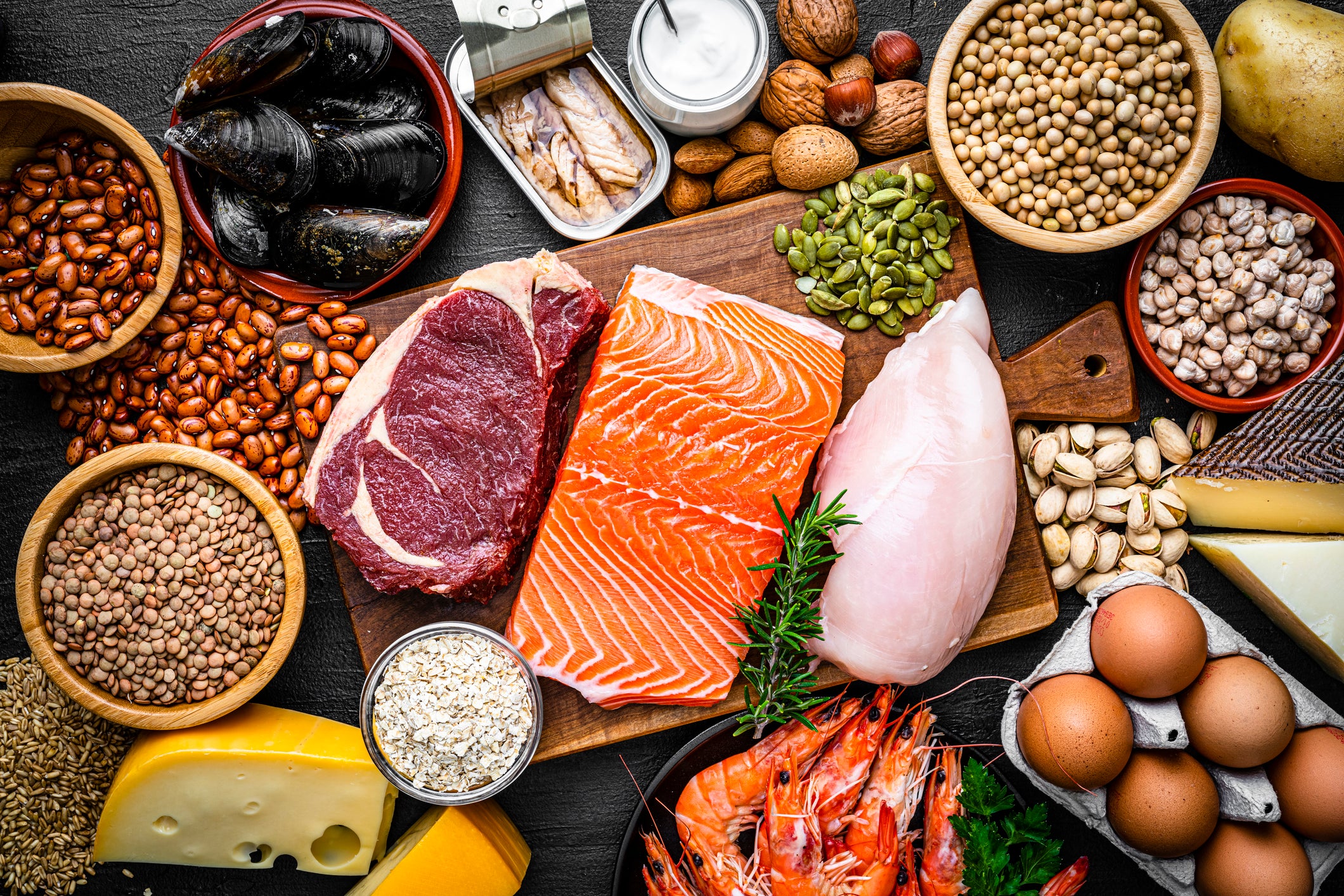
Many of the behaviours Dr Longo suggests for those aged 60 and above are either concurrent with, or adapted versions of, those detailed above; consistent 12-hour eating windows, the longevity diet, regular exercise and activity, muscle strengthening activities and sleeping for roughly eight hours per night.
Notable changes include a slight increase in consumption of animal products (fish, eggs and white meat) and protein (roughly 1g/kg of bodyweight).
Are we being priced out of a long life?
Longevity has arguably been the biggest health and fitness movement of 2025. With popularity comes an opportunity for profit, and there are now many products, supplements and procedures marketing their purported age-defying benefits.
Considering a geographical area’s life expectancy is already closely tied with its socioeconomic standing, could becoming a centenarian soon be the ultimate status symbol? Perhaps, but not for a while, Dr Longo says – most of his recommendations above are low-cost or free.
“I think, at some point, longevity is going to be an expensive project – when you get to the point where you can do cellular reprogramming and other therapies that sound a little bit like science fiction right now,” he says. “But they are too far away. Things take a long time.
“The list of things I gave you could add up to 20 years of life expectancy. It costs almost nothing – the sleep is free, the exercise is free, the FMD adds a little bit of money, but if you did that a couple of times a year that would be about £300. I think people can decide whether it’s worth it or not.”

Common diet and longevity mistakes
Dr Longo says many things people do to improve their health are, in reality, detracting from it. He reels off low-carb diets, ketogenic diets, 16-hour fasting windows and skipping breakfast as a few noteworthy examples.
“People should start thinking, ‘I want a 15 to 20-year life expectancy increase, but I also want 30 or 40 years of living better; healthier, stronger, more functional, happier’,” he says. “To do this, you need to do the right things – you cannot pick and choose based on something you heard on a podcast.
“Take your time, find the people who have done the work and you can trust, then those are the ones you want to follow. But I think it’s dangerous to listen to podcasters. They may have very limited experience in healthy longevity.”
One common trend he advocates against is high protein diets. Instead, he proffers up a goal of low-but-sufficient protein consumption, saying this offers “no risk and a lot of benefit”.
“People are now eating two grams of animal protein per kilogram of body weight per day, and that’s a mistake,” Dr Longo tells me. “There are arguments and papers [showing] one way or another. But if you look at lots of data – the mouse data, the monkey data, the human data, the centenarians and so on – all of it suggests a low but sufficient protein diet benefits you.”
Another common dietary approach he is keen to put the kibosh on is low-carb eating.
“It’s not a bad idea to limit your sugars and starches within a diet,” Dr Longo says. “I do it. In my foundation clinics, people are recommended to watch their [consumption of] pasta, bread, pizza, potatoes and all that.
“But that doesn’t mean you’re going to be on a low-carb diet – you’re going to be on a high carbohydrate diet. You just need to limit the sugars and the starches, and consume a normal level of calories.”

He instead recommends eating carbohydrates via nutritious sources such as wholegrains, cereals, nuts, seeds and legumes.
“I think the ketogenic diet is another mistake associated with a short lifespan,” Dr Longo continues. “And 16 hours of fasting per day, lots of people do that, skipping breakfast; that’s a big mistake. There’s 30 years of data indicating that you’re going to live a shorter life and have a lot more cardiovascular disease if you do that.”
One potential mechanism behind 16-hour fasts being linked to a shorter lifespan is its impact on cholesterol levels, Dr Longo says.
Some research suggests that 16 to 24-hour fasts can temporarily increase cholesterol levels, he explains. This will vary from person to person, but experiencing it daily will expose your heart and wider bodily systems to high levels of low-density lipoproteins – commonly referred to as “bad cholesterol”.
“You may view it [16-hour fasts] as an anti-statin – it’s increasing your cholesterol rather than lowering it,” says Dr Longo. “We know that statins lower your risk of cardiovascular diseases, heart attacks and cardiovascular events. It makes sense that if you did the opposite, that should increase your cardiovascular disease and events. And of course, we know that bad cholesterol levels correlate with cardiovascular disease.”
Here, Dr Longo describes pitfalls galore, and that is nothing new in the world of health and fitness. Trends come and go with a few common denominators managing, by and large, to survive the wellbeing conveyor belt; regular exercise, eating nutritious wholefoods, muscle-strengthening activities, plenty of movement and a decent amount of sleep.
Many of these are present in Dr Longo’s advice. It is the less recognisable recommendations – a fasting-mimicking diet and lower protein intake – that will raise eyebrows. Only ongoing wider research and experience will tell us whether to add them to the list of ever-present advice above.
Join our commenting forum
Join thought-provoking conversations, follow other Independent readers and see their replies
Comments
Bookmark popover
Removed from bookmarks