Can you achieve the Ozempic effect through diet alone?
Nutritionists say it’s possible – and all without pricey prescription injections and weight loss supplements. Amira Arasteh reports


Ozempic might be the latest buzzword in weight loss – but the body’s ability to regulate appetite has always been there. The diabetes drug-turned-wellness phenomenon has taken over timelines, group chats and celebrity interviews alike, and dominated discussions from red carpets to Reddit threads.
Consistently, semaglutide injectables are praised for their powerful appetite-suppressing effects; often dubbed a modern “miracle drug” – despite the fact that the biological mechanisms they tap into are far from anything new.
In fact, cultures around the world have been eating in ways that naturally support appetite control and stabilise blood sugar for centuries. Some traditional diets do something strikingly similar to GLP-1 agonists, like reducing cravings, supporting insulin sensitivity and promoting the kinds of ingredients that speak the same biochemical language as Ozempic and its rivals. All without the side effects (or the hype).
According to top nutritionists, it’s not all about pricey injections and prescription meds. Of course, no food plan is going to replicate the clinical precision of a pharmaceutical drug – and anyone with serious health concerns should speak to their GP before making big changes.
But if you’re looking for a gentler, more holistic route to appetite control and better metabolic health, some of these science-backed diets might just surprise you.


Traditional diets offering metabolic perks
Long before semaglutides were trending, traditional diets were quietly delivering similar metabolic perks – just without the glossy branding. In places like the Mediterranean, Japan, and certain parts of India, people have been eating in ways that naturally regulate blood sugar, support insulin sensitivity, and encourage a healthy weight for generations.
These diets weren’t designed with weight loss in mind, but their balance of whole foods, fibre-rich vegetables, lean proteins and healthy fats just so happened to tick all the right boxes.
Take the Mediterranean diet, for instance. Often hailed as one of the healthiest in the world and packed with oily fish, olive oil, pulses and plenty of colourful plants, it’s been shown to reduce inflammation, improve glucose control and lower the risk of type 2 diabetes.
Meanwhile, traditional Japanese meals tend to be lower in calories but high in nutrients and umami-rich and fermented foods, naturally encouraging smaller portions and slower eating, which are both linked to better appetite regulation.
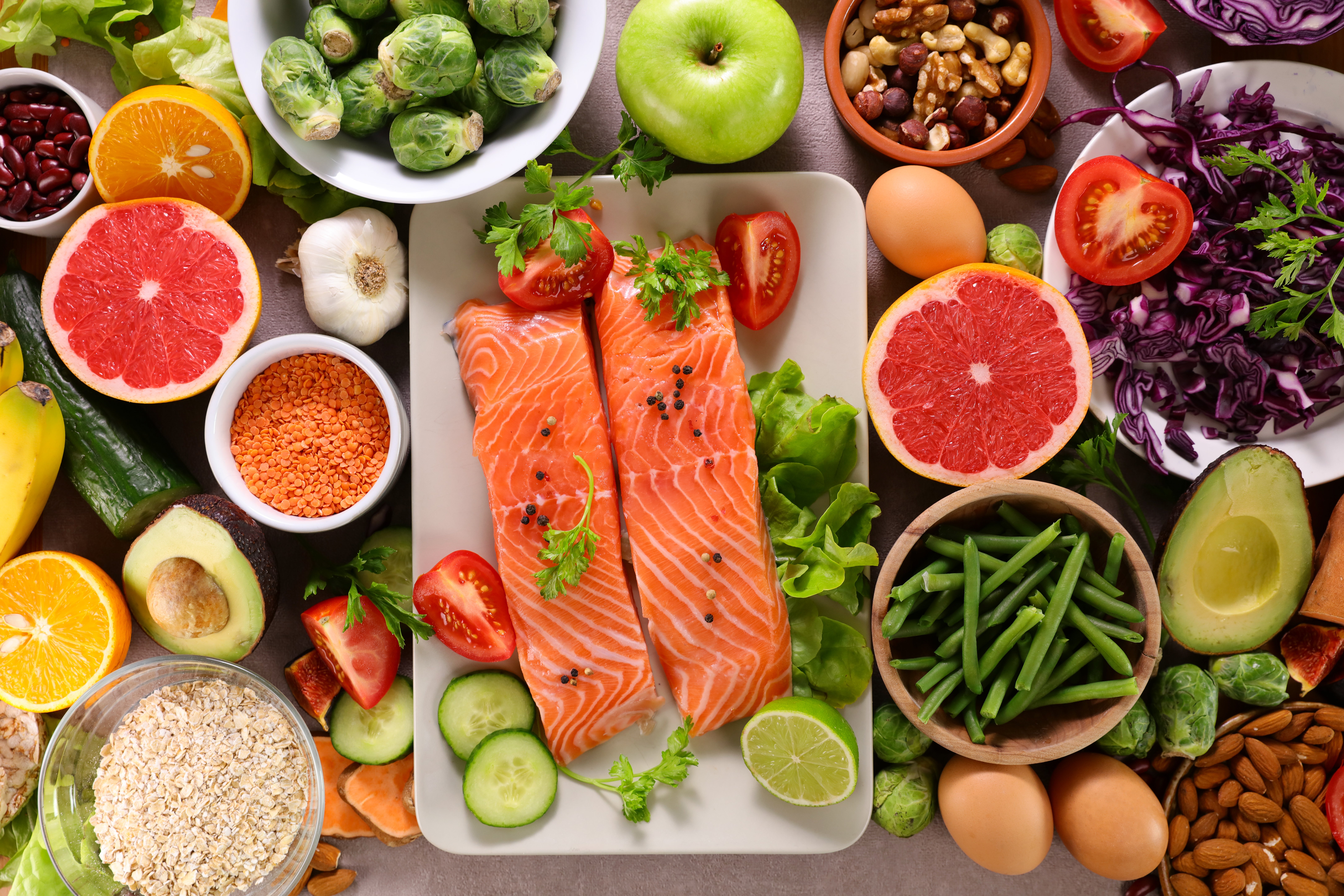
According to Maria Abi Hanna, nutrition expert at Food Label Maker, ancestral diets – think Paleo, which emphasises the importance of eating unprocessed wholefoods and limiting refined sugars – may offer overlooked lessons in weight and glucose control. The dietician goes on to say that “many of the world’s oldest diets already do what glucagon-like peptide-1 [GLP-1] drugs aim to replicate. They slow digestion, control hunger, and stabilise blood sugar, without side effects or prescriptions.”
The science behind the salad
Priya Tew, a registered dietician specialising in eating disorders and IBS, agrees, stating that “Ozempic is a GLP-1 receptor agonist which works by mimicking a natural gut hormone to reduce appetite, slow stomach emptying and support insulin release, helping to regulate blood sugar levels.”
In other words, it’s replicating processes the body already does – or can do, under the right conditions.
“Gut hormones like GLP-1, PYY and ghrelin help regulate hunger and fullness by sending signals between the gut and brain,” says Tew.
“Ghrelin increases appetite, while GLP-1 and PYY promote satiety after eating. Medications like GLP-1 receptor agonists work by enhancing these signals to the brain, helping to control appetite and energy balance.”
But this isn’t the exclusive domain of pharmaceuticals. “Fermentable fibre is turned into short-chain fatty acids in the gut, which stimulate the release of hormones like GLP-1 and PYY,” she explains. “These help enhance the feeling of fullness and support blood sugars, while also looking after the gut microbiome.”
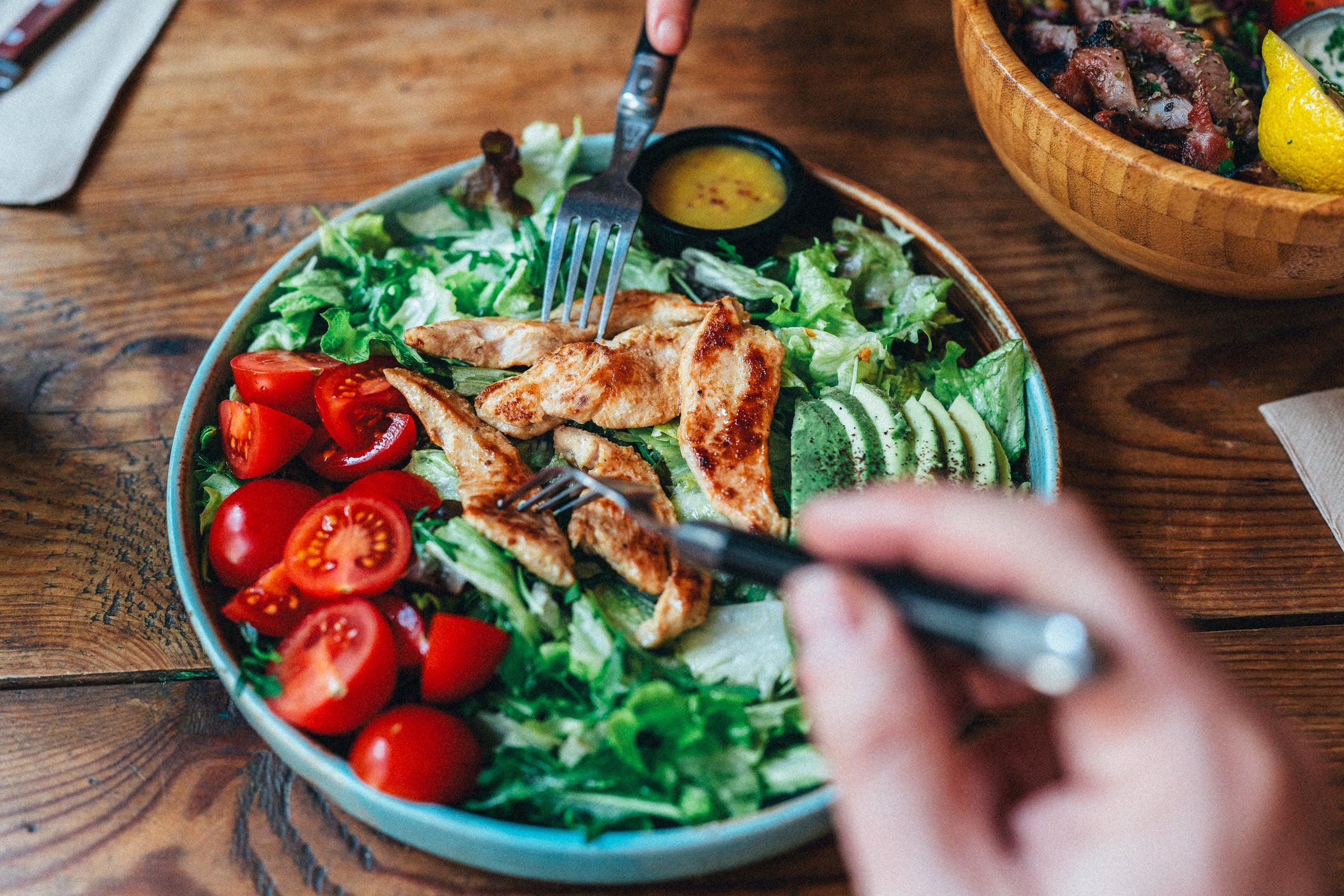
So what does that look like on a plate? “Protein-rich foods like eggs, meat, beans, pulses, tofu and nuts; fibre-rich foods like wholegrains and legumes; and heart-healthy fats such as avocado, seeds and olive oil all naturally stimulate GLP-1 and PYY,” says Tew.
This way of eating, fibre-first, plant-forward, low in processed foods, is hardly a modern invention. It mirrors traditional dietary patterns from cultures around the world that emphasise wholefoods and healthy fats and only modest amounts of dairy or seafood. Red meat and processed foods are occasionally on the menu.
“Any diet rich in fibre, protein and healthy fats will mimic the effect of these medications to some extent,” says Tew. “This is what dietitians have been advising for years – it’s not a fad, but a long-term way of eating that we know works. However, it does require more cooking from scratch and meal planning.”
Tew is clear: for some, Ozempic may be a vital intervention. “But for many others, I would say that dietary changes are just as important. These drugs are meant to be used alongside long-term lifestyle change. Used on their own, they don’t lead to lasting results.”
Is Ozempic sustainable?
Jo Travers, a registered dietitian and mental health specialist, says that the danger with drugs like Mounjaro and the like is whether people can afford this lifestyle long-term.
Travers adds that in her experience with private patients, when they have paused a treatment of GLP-1 drugs, they find it very difficult to maintain a healthy diet: “And that’s the key part,” she says. “You have to eat well. The great thing about drugs like Ozempic is that you can eat and feel satisfied without needing to snack.”
Like many dieticians, she acknowledges that Ozempic and similar drugs cut out the noise and remove the need for your brain to focus on “being good”. She admits to even wanting junk food herself from time to time, but she has to be vigilant and cook that homemade bean stew.
Travers adds that a problem with Western diets is that they tend to lack essential nutrients which boost your metabolism, such as fibre and polyphenols. “Our food system is broken, so we need to have a pill.”
According to Isabelle Nunn, from Wild Nutrition, “a key change in metabolism is that your metabolic function will also support healthy ageing – something Ozempic simply cannot do.”

While the drug reduces fat and inflammation, signalling for fat molecules to be released, high-protein diets will do exactly the same. Nunn stresses that polyphenols help reduce cardiovascular markers; chillies have thermogenic effects, so your body can naturally burn calories minus any side effects and in a sustainable manner.
She adds that foods that have more of an effect on thermogenesis include green tea and cayenne pepper and that “finding ways to add these elements into your diet will show benefits”.
Nunn also says that while we think of wholegrains as “good” and refined sugars and processed foods as “bad”, common sense is also key as readily available products are often “demonised” when, in actuality, “hummus is technically processed but is completely healthy and works well in a high protein diet.”
Ultimately, Nunn says it comes down to what you’re looking for: for rapid weight loss, no diet can compete with injectables. However, for a more sustainable journey to losing weight and in a more natural way, it’s all about following a healthy diet – and the results will show.
Science is simply catching up to what our guts told us long ago: whole foods and a protein-rich diet can reshape your metabolism.
While drugs can trigger GLP-1 responses synthetically, many nutritionists argue that food is pharmacology – and the most sustainable way to increase metabolic health long-term.
How to get the (natural) Ozempic effect
The Mediterranean diet
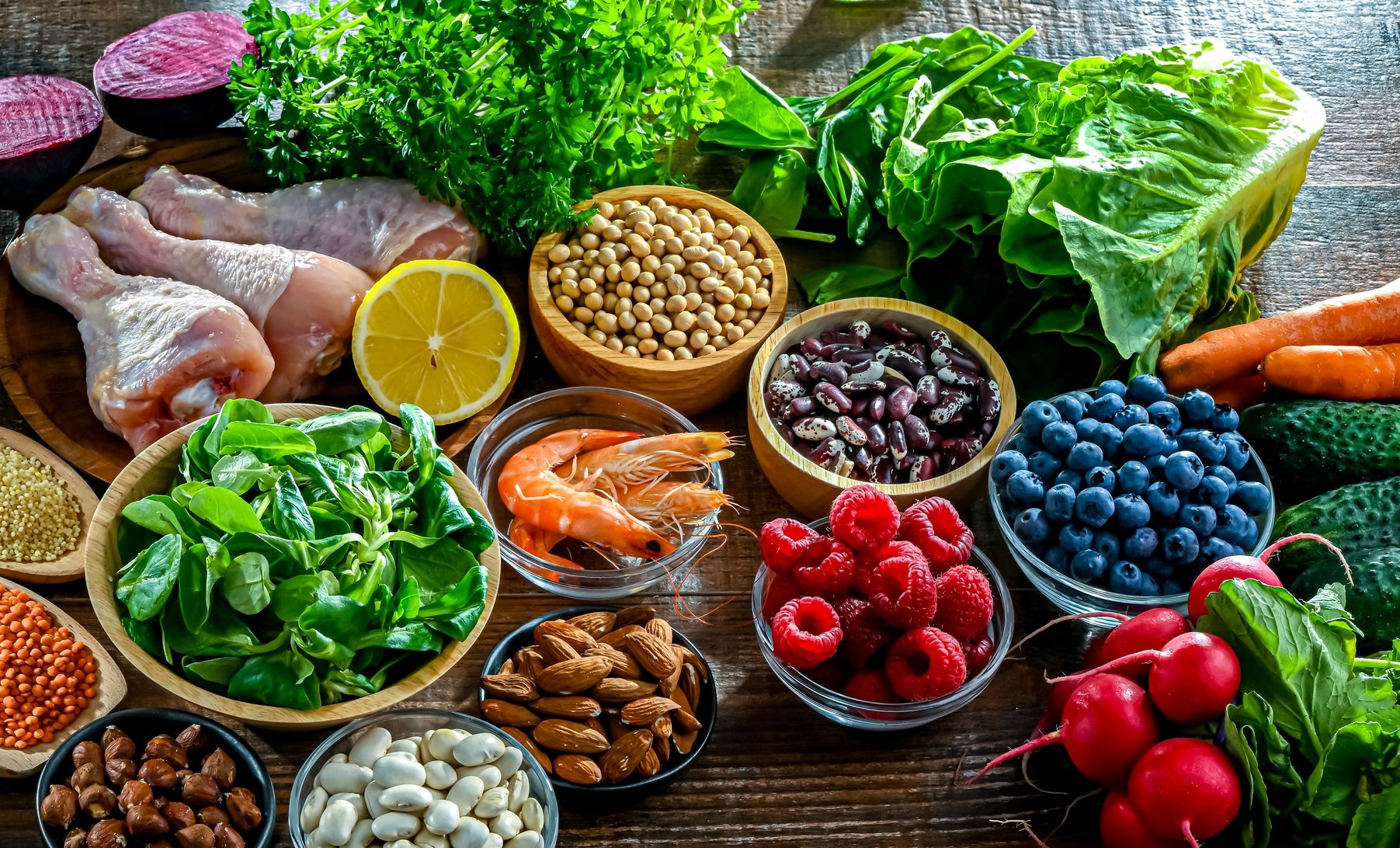
Olive oil drizzled over lentils, hearty helpings of whole grains and colourful plates piled high with vegetables. The good news is that the classic Mediterranean diet isn’t just delicious, it’s also doing some cleverer-than-you-realise things behind the scenes.
These fibre-packed, slow-digesting foods mimic GLP-1 by creating fullness and glycemic stability, while helping trigger the release of other gut hormones that keep blood sugar steady and curb cravings after meals.
Nutritionist’s tip: Abi Hanna recommends adding one to two tablespoons of extra virgin olive oil daily to salads and cooked vegetables, as well as replacing refined grains with around 100g cooked lentils or bulgur wheat and aiming for one plant-based meal rich in beans and greens at least three times a week.
The Nordic diet
Relying on root vegetables, oily fish and berries to enhance metabolic hormone response, the Nordic diet is very similar to the Mediterranean one, in that the nutrition plan includes anti-inflammatory fats and slowly absorbed carbohydrates.
Rye bread and wild blueberries, for example, are particularly good at slowing how quickly food leaves the stomach – a key part of how GLP-1 does its job.
Nutritionist’s tip: Hanna suggests starting your morning with 100g berries (fresh or frozen will do), switching sandwiches in favour of rye bread and aiming for two portions of oily fish such as salmon or mackerel per week.
While rye bread is available in supermarkets, it’s still not replaced the standard “best of both” on our shopping lists, yet Nunn highly recommends it due to its slowly absorbed carbohydrate and fibre content, as well as its association with slower gastric emptying.
The Japanese diet
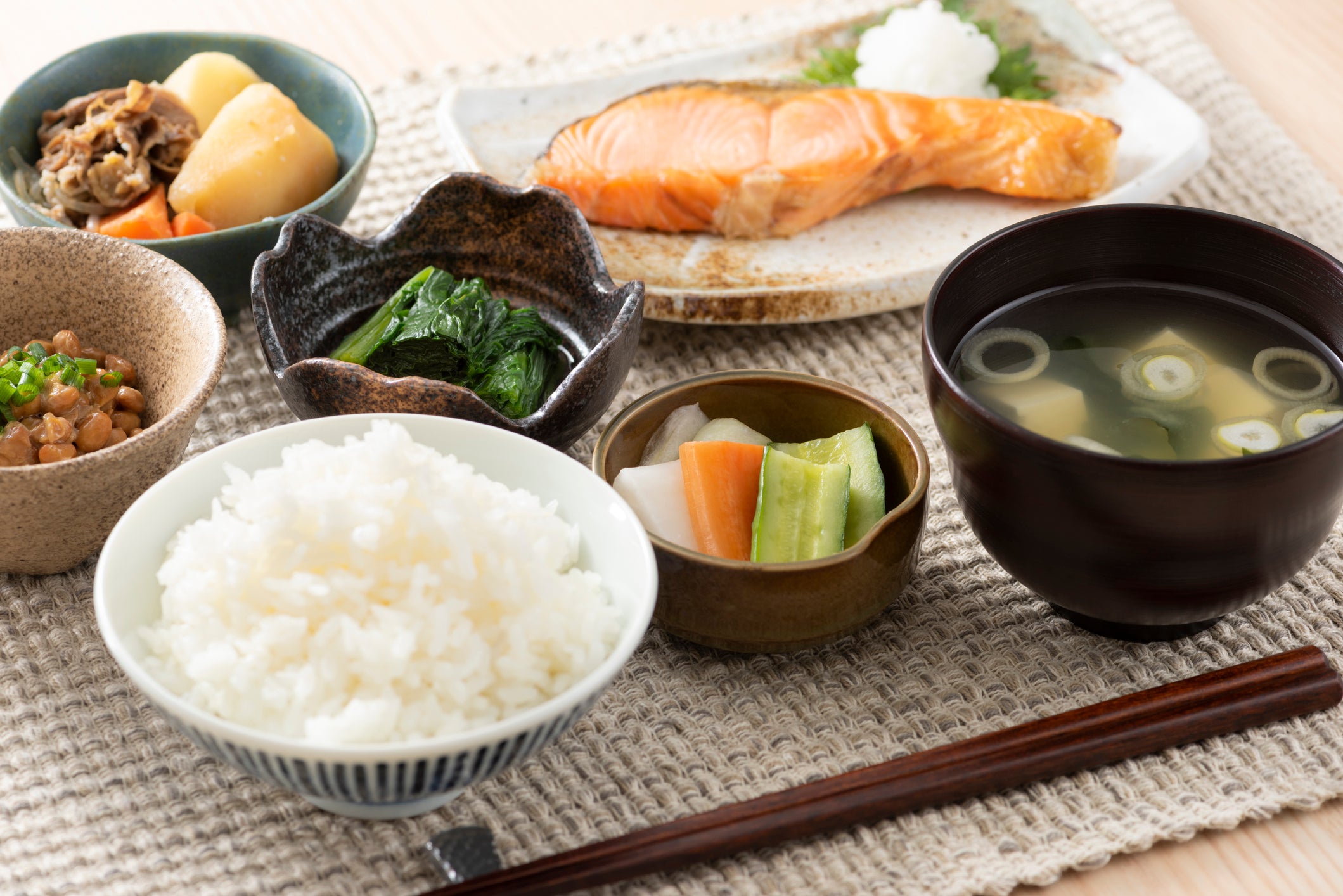
Hop across the globe and you’ll find the Japanese way of eating works a similar kind of magic. Activating GLP-1 through its high-fibre, low-glycemic composition, dinner will look something like umami-rich seaweed and miso with lightly grilled fish and fermented pickles.
It’s a diet that nourishes the gut and sharpens the body’s response to insulin, with Hanna sharing that natto (fermented soybeans) have been linked to a boost in GLP-1 levels and improved glucose control.
Nutritionist’s tip: She advises adding one to two tablespoons of fermented foods such as kimchi, miso or pickled radish per day to your meals, as well as upping your intake of grilled or steamed fish at least twice a week. Even adding a sheet of nori or 100g seaweed as a side salad could work wonders.
Nunn adds that iodine present in seaweed is great for thyroid production and supports overall metabolism. However, she recommends consulting with your GP before increasing your seaweed intake.
The Okinawan diet
Last up is the Okinawan diet. Named after a village in Japan that’s home to some of the world’s longest-living people, it (clearly) shares some similarities with the Japanese diet – but differentiates on some key elements.
For one, it’s light in protein (a shock to some) but fibre-dense, meaning it supports gut peptides and satiety. The diet also leans heavily on purple sweet potatoes and bitter melon – both of which are proven to support gut health and stimulate the release of GLP-1-related hormones.
Nutritionist’s tip: Roast or steam up to 250g of sweet potato for lunch or dinner and add a teaspoon of turmeric to soups and teas for added anti-inflammatory benefits. It’s also worth throwing in 100g or so of bitter greens to your stir fry – whether you have that as a side or a main.
Join our commenting forum
Join thought-provoking conversations, follow other Independent readers and see their replies
Comments
Bookmark popover
Removed from bookmarks