The Independent's journalism is supported by our readers. When you purchase through links on our site, we may earn commission.
8 energy-saving hacks you wish you knew sooner
From small tweaks to daily habits to smarter use of appliances, these easy energy-saving hacks can help you cut consumption and lower bills
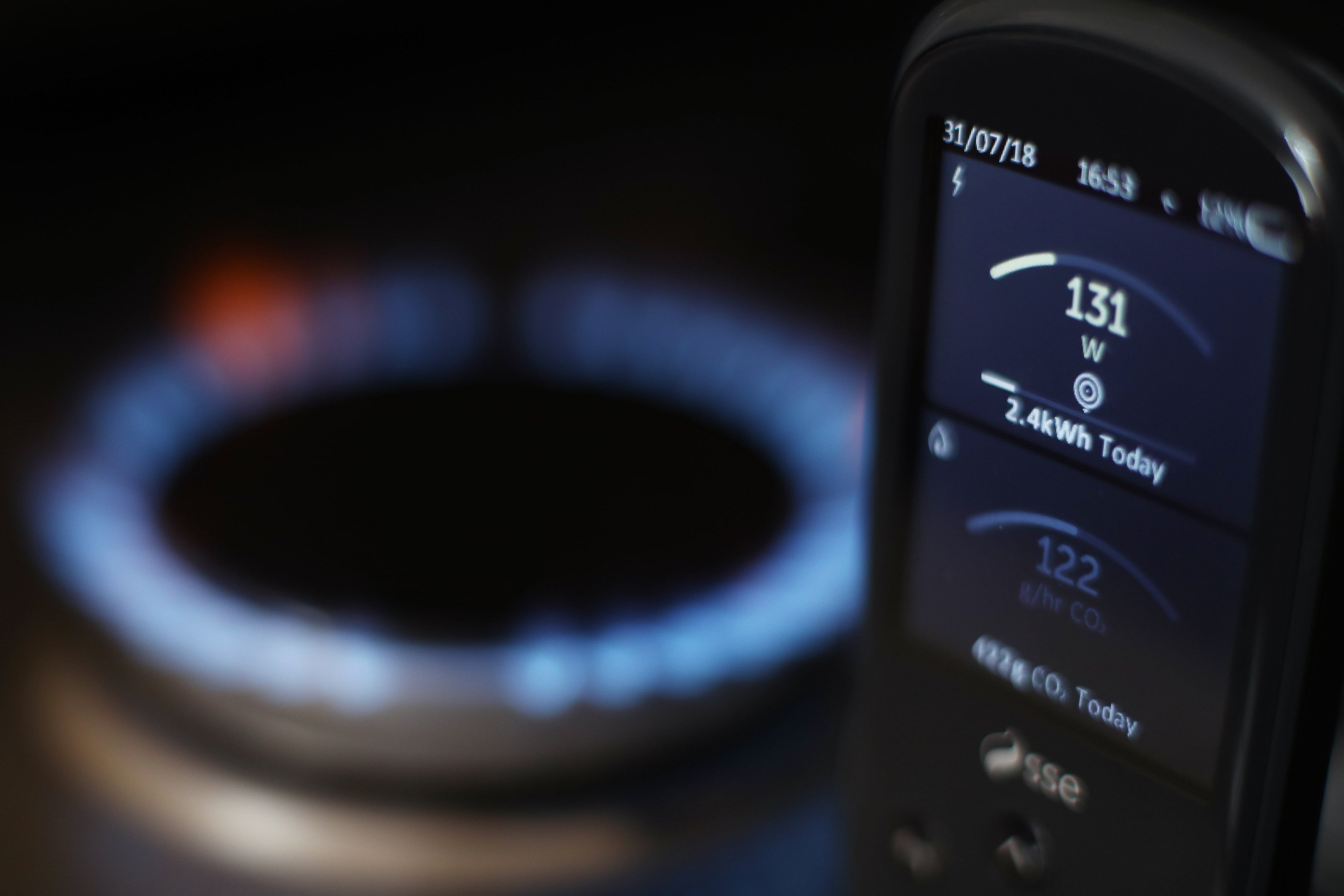
With energy bills still a concern for many households, finding simple ways to reduce energy use at home has become increasingly important. The good news is that saving energy doesn’t have to require expensive upgrades or major lifestyle changes. In many cases, small adjustments to how you live can make a noticeable difference over time.
Here are five energy-saving hacks that are easy to overlook, but well worth knowing.
Best energy saving tips
1. Turn down your thermostat by just one degree
One of the simplest ways to reduce energy use is by adjusting your thermostat slightly. Turning it down by just one degree can lower heating costs without making your home feel noticeably colder.
Many households set their thermostat higher than necessary out of habit, rather than comfort. Experimenting with a slightly lower setting and compensating with warmer clothing or throws can quickly become second nature. If you have a programmable or smart thermostat, setting it to automatically reduce heating when you’re asleep or out of the house can increase savings further.
2. Switch appliances off at the wall
Even when appliances are not in use, many continue to draw power when they’re left on standby. Televisions, games consoles, and chargers for your devices can all quietly add to your energy consumption.


Switching devices off at the wall when they’re not needed is a straightforward habit that costs nothing and delivers ongoing savings. For areas with multiple devices, using a single extension lead with an on/off switch makes this easier and keeps spaces looking tidy – a small win for both energy efficiency and aesthetics.
3. Use your washing machine more efficiently
Laundry is one of the most frequent energy-using activities in the home, but small changes can make it more efficient. Washing clothes at lower temperatures uses significantly less energy, and modern detergents are designed to work well at 30C and even lower.
Waiting until you have a full load before running the machine also helps maximise efficiency. Where possible, air-drying clothes instead of using a tumble dryer can reduce energy use further and is often gentler on fabrics, helping clothes last longer. If you have the space, a heated airer typically uses less energy than most tumble dryers.
4. Seal draughts you can’t see
Draughts aren’t always obvious, but they can have a big impact on how hard your heating system has to work. Gaps around doors, windows and floorboards allow warm air to escape and cold air to enter, increasing energy use.
Simple draught-proofing solutions, such as door snakes, brush strips or sealant, are inexpensive and easy to install. Many modern options are discreet and blend into your home, improving comfort without affecting how a room looks.

Advertisement
Advertisement
“I’m sure many of us can relate to the struggle of trying to conceal a draughty window on a cold winter’s day – and that’s where draught excluders are imperative,” says Stephen Hankinson, energy efficiency expert at Electric Radiators Direct. “Installing these during the warm summer months can put you ahead of the curve for when the temperature inevitably falls later in the year.”
Explaining how this works, Jess Steele, heating technology expert at BestHeating, shares: “It stops cold air from entering the room you are in as long as the doors are left closed too, and the Energy Saving Trust predict this saves as much as £45 a year.”
5. Monitor your usage and choose the right tariff
Understanding how and when your household uses energy can help you identify opportunities to save. Smart meters provide real-time information on energy consumption, helping households see which activities use the most energy and how usage changes throughout the day.
Keeping an eye on this can make it easier to adjust habits, such as running appliances at off-peak times or reducing unnecessary usage. Over time, this type of monitoring can also help households determine whether their current energy tariff still suits their lifestyle.
Some energy suppliers, including Octopus Energy, offer smart meter installations alongside tariffs designed to reflect different usage patterns. Reviewing both your energy data and your tariff periodically can help ensure you’re not paying more than necessary for the energy you use.
6. Put tin foil behind your radiators
Grab some tin foil from your kitchen cupboard and put some down the back of each radiator.
“This will help to reflect some of the heat back towards your room and is cheaper than reflector foil,” explains Andrew Haydon, a DIY and home improvement expert at Simply Plastics. “Just make sure to use sturdy double-sided tape to keep it adhered to the wall.”
7. Put your TV on a low-energy setting
“Factors like the size of your screen, the brightness of the display, the age of your TV, and its overall energy-efficiency rating can also impact your electricity bill,” says David Walter, chief growth officer at Utility Warehouse.
See if your TV has features like automatic shut-off when no one is watching, and screen dimmers that cut the amount of energy needed when the set is on.
If you are planning to invest in a new TV soon, check its EnergyGuide label. This will explain its energy use statistics, such as the estimated annual energy costs and the total cost range from high to low.



8. Install modern dimmer switches
“If your light bulbs are compatible with dimmer switches, this could be a good option to reduce your daily energy consumption,” suggests Julia Barnes, head of buying at ValueLights. “Modern dimmer switches have been designed to reduce the flow of electricity passed to your bulb – dimming your LED will use less energy than the same LED at full brightness.
“Not only does this make them more energy efficient but this also increases their lifespan.”
How to save energy at home
Energy saving doesn’t have to be complicated. Small, practical changes, from adjusting heating settings to choosing the right tariff, can add up to meaningful savings over time. By focusing on habits that fit naturally into everyday life, it’s possible to reduce energy use without sacrificing comfort or style.
Join our commenting forum
Join thought-provoking conversations, follow other Independent readers and see their replies
Comments
Bookmark popover
Removed from bookmarks