Heat pumps explained: how they work and what they cost
The prevalence of heat pumps is snowballing – but how do they actually heat your home, and do they save money in the long run? We break down the technology and the true cost

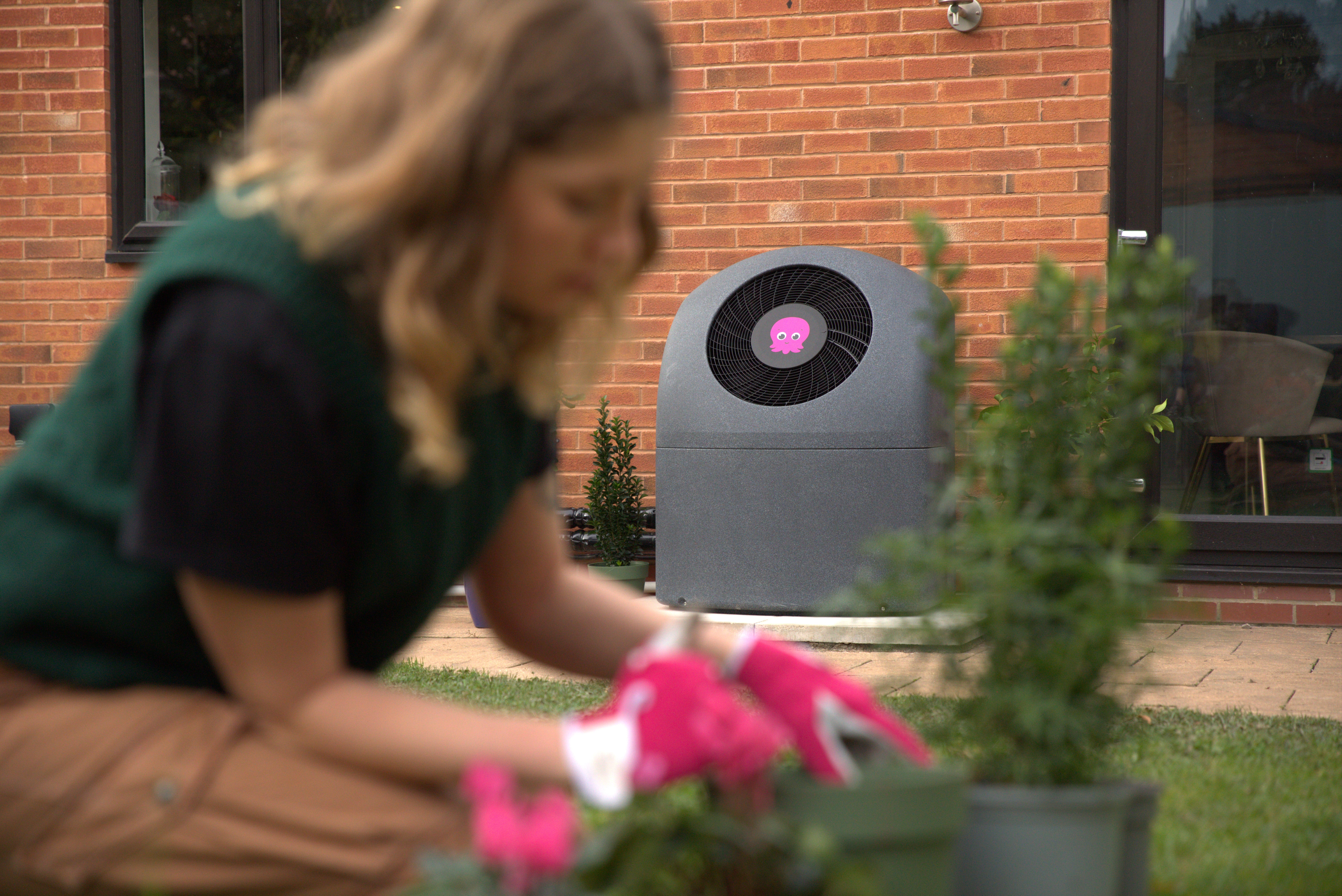
Heat pump installations in Britain are accelerating rapidly. More than 60,000 systems were installed in 2024, a 43 per cent increase on the previous year, and with the government’s Boiler Upgrade Scheme continuing to offer generous grants, that growth looks set to continue through 2026 and beyond.
For many households, the appeal is obvious: a cleaner, more efficient way to heat their home. But interest often comes with questions, not least, how do heat pumps actually work? And are they genuinely worth it from a financial perspective?
How do heat pumps work?
While heat pumps have only entered the mainstream conversation in the past decade, the technology itself is anything but new. It dates back more than 160 years, and relies on the same basic principles as the fridge in your kitchen – just working in reverse.
A refrigerator removes heat from its interior by circulating a refrigerant that rapidly changes from liquid to gas, absorbing heat as it expands and cools. A heat pump uses this same process, but instead of dumping that heat outside, it captures and amplifies it for use inside your home.
Air-source heat pumps extract heat from the air outside, even in freezing weather, and use electricity to compress the refrigerant into a hot, high-pressure vapour. That heat is then transferred to water, providing hot showers, taps and a consistently warm home.
Modern heat pumps are designed to work efficiently even when outdoor temperatures fall well below freezing, which is why they’re widely used across northern Europe and Canada.


Why are they more efficient than boilers?
The key difference between heat pumps and gas boilers is how they produce heat. Boilers generate heat by burning fuel. Heat pumps, by contrast, move heat rather than create it.
That makes them dramatically more efficient. On average, a heat pump can deliver three to four units of heat for every unit of electricity it uses, making it up to four times more efficient than even the best gas boilers.
Because they run on electricity, heat pumps also slash carbon emissions. Around 30 per cent of household emissions come from home heating, and switching to a heat pump can cut those emissions by up to 80 per cent when paired with a fully renewable electricity supply – such as Octopus Energy’s mix of wind, solar and hydro power.

Advertisement
Advertisement
Are heat pumps worth it financially?
Strong environmental credentials are one thing – but do heat pumps make sense for individual households? Increasingly, the answer is yes.
The biggest barrier has traditionally been upfront cost, but that has changed significantly. The Boiler Upgrade Scheme offers £7,500 off the cost of installation, immediately narrowing the gap with traditional boilers.
The government has also set out its new Warm Homes Plan, which builds on the existing Boiler Upgrade Scheme as part of a wider push to make low-carbon heating more accessible. Alongside continued grant support for heat pumps, the plan includes fully funded upgrades for some low-income households and proposals for new government-backed low and zero-interest loans, allowing households to spread the upfront cost of installation over time. Together, these measures are intended to make heat pumps a realistic option for far more homes over the coming years.
On top of that, many major banks offer cashback or mortgage-linked incentives for heat pump installation.
Once installed, systems such as Octopus Energy’s Cosy heat pump provide steady, all-day heat – a key reason heat pumps are so popular in colder countries. In Norway, more than 60 per cent of homes use a heat pump, demonstrating just how well the technology performs in harsh climates.
What about running costs?
Running costs are where heat pumps increasingly shine. By switching to a smart heat pump tariff like Cosy Octopus and removing their gas supply, customers could save around £300 compared with an average gas boiler on an Ofgem-capped standard variable tariff. When getting a heat pump installed, you can also opt to remove gas from your home entirely, meaning you won’t have to pay the annual gas standing charge of £128 (as of January 2026).
Over time, those savings add up. Heat pumps typically last around 20 years, roughly five years longer than a gas boiler, improving their lifetime value. A further study of more than five million existing properties (the Sustainable Markets Initiative: Cleantech Homes report, 2024) indicated a 2-3% value increase for existing homes with solar panels or heat pumps, versus like-for-like gas-heated homes.*
Beyond the individual home
Electrify Research’s Homeowner Electrification Tracker Study from July last year found that 94% of homeowners with a heat pump are either “satisfied” (44%) or “extremely satisfied” (50%). This compares to a total of 85% satisfaction for the most common heating system in the UK, the mains gas boiler.But the benefits of heat pumps extend beyond individual households. By reducing reliance on fossil fuels, they help improve local air quality, lower pressure on gas networks and contribute to national emissions targets. At scale, widespread adoption plays a crucial role in making the UK’s energy system cleaner, quieter and more resilient.
The upshot
Heat pumps are no longer an experimental technology or a niche green upgrade. They’re a proven, efficient and increasingly affordable alternative to gas, and for many households, they now make financial as well as environmental sense.
With generous grants, falling running costs and long-term durability, heat pumps aren’t just the future of home heating. For a growing number of Britons, they’re already the smartest choice today.
Explore Octopus heat pumps or verify our claims on the Octopus Energy website.
Bookmark popover
Removed from bookmarks