The Independent's journalism is supported by our readers. When you purchase through links on our site, we may earn commission.
How to make your home feel warmer without touching the heating
From draught-proofing and soft furnishings to smarter room-by-room heating, these simple, low-cost tips can help your home feel warmer without turning up the thermostat
January is always the coldest and most expensive month, and this year, the recent cold snap has made the month feel even more challenging. Add to that a rising energy price cap and higher bills, and it’s no surprise that many people have been reluctant to turn on the central heating.
The good news is that you can still keep your home warm and comfortable without overspending. A few simple, low-cost changes can make your space feel cosier without relying on heating.
How can I keep my house warm without heating?
Making your house warmer without heating is all about reducing heat loss and focusing warmth where you need it most. Simple strategies, such as effective draught-proofing and focusing heat where needed, can make a real difference and help reduce energy bills.
Windows act as natural sun traps, even in winter, so open curtains during the day and close them before sundown to trap heat. This simple habit helps retain warmth indoors once outdoor temperatures drop. Make sure curtains fully cover the window, reach the wall and windowsill, and, if they hang over a radiator, tuck them behind it so heat can flow into the room.
Furniture and soft furnishings also help. Thick, lined curtains, heavy rugs, textured cushions and throws trap heat, while thoughtful furniture placement – moving seating away from draughty windows and ensuring sofas aren’t blocking radiators – improves air circulation. Create a ‘cosy zone' with chairs and sofas grouped around a rug: this not only adds comfort but creates small pockets of warm air that reduce draughts.
Hard floors contribute to heat loss – around 10-20 per cent according to the Energy Saving Trust. If your rugs are flimsy, adding an insulating pad or underlay of felt, wool, or foam helps keep rooms warm on a budget. Sealing gaps between floorboards with flexible filler strips also keeps cold air out.
Everyday habits make a difference too. Dry air draws heat from your skin faster, so boosting humidity in a room – air-drying laundry, keeping houseplants or placing a bowl of water near a radiator – can take the edge off the chill. In a kitchen, simmering water on a stove with herbs or spices adds warmth and a cosy scent.
How to keep a poorly insulated house warm?
One of the most effective low-cost insulation tips for a cold home is draught-proofing, and the first step is to check for gaps around doors, windows, floorboards, letterboxes and chimneys. Feel for cold air or watch whether curtains move when windows are closed. Ask yourself when was the last time you bled your radiators – sometimes trapped air stops them from heating up properly, which can tempt you to crank up the thermostat. A radiator key, which usually costs around £3 from a DIY shop, is all you need to fix it.
Other simple fixes – self-adhesive sealing strips, insulating film, cling film, bubble wrap, draught excluders, brush strips, letterbox covers, rolled-up towels, or removable chimney stoppers – are inexpensive and effective ways to reduce heat loss in your home. The Energy Saving Trust estimates these measures could save around £85 a year.

Advertisement
Advertisement
Insulation is another key factor. Around a third of heat lost in an uninsulated home escapes through walls, so cavity wall insulation can cut bills by up to £240 a year for an average semi-detached home. Older homes with solid walls may benefit from internal wall panels or thermal linings, while topping up loft insulation to the recommended 270mm helps retain heat and can save £20 or more each year.
What is the cheapest way to heat a room in the UK?
Many households are looking for cheap ways to heat a room in winter, and fuel choice plays a part. With the Ofgem Energy price cap rising by 0.2 per cent in January, all eyes are on which suppliers are offering the best deals, with Octopus Energy the only large supplier to price its standard tariff below the Ofgem energy price cap.
Right now, gas remains cheaper than standard-rate electricity, so if you have gas central heating, it’s generally advisable to use it rather than electric heaters. Currently, 12 kW boiler costs around 71p per hour, while a 24 kW boiler runs at about £1.42 per hour.
The most cost-effective strategies, however, focus on heating people or small areas, or, as Martin Lewis from Money Saving Expert advises, “heat the human, not your home.” Instead of heating every room, focus on spaces you actually use.
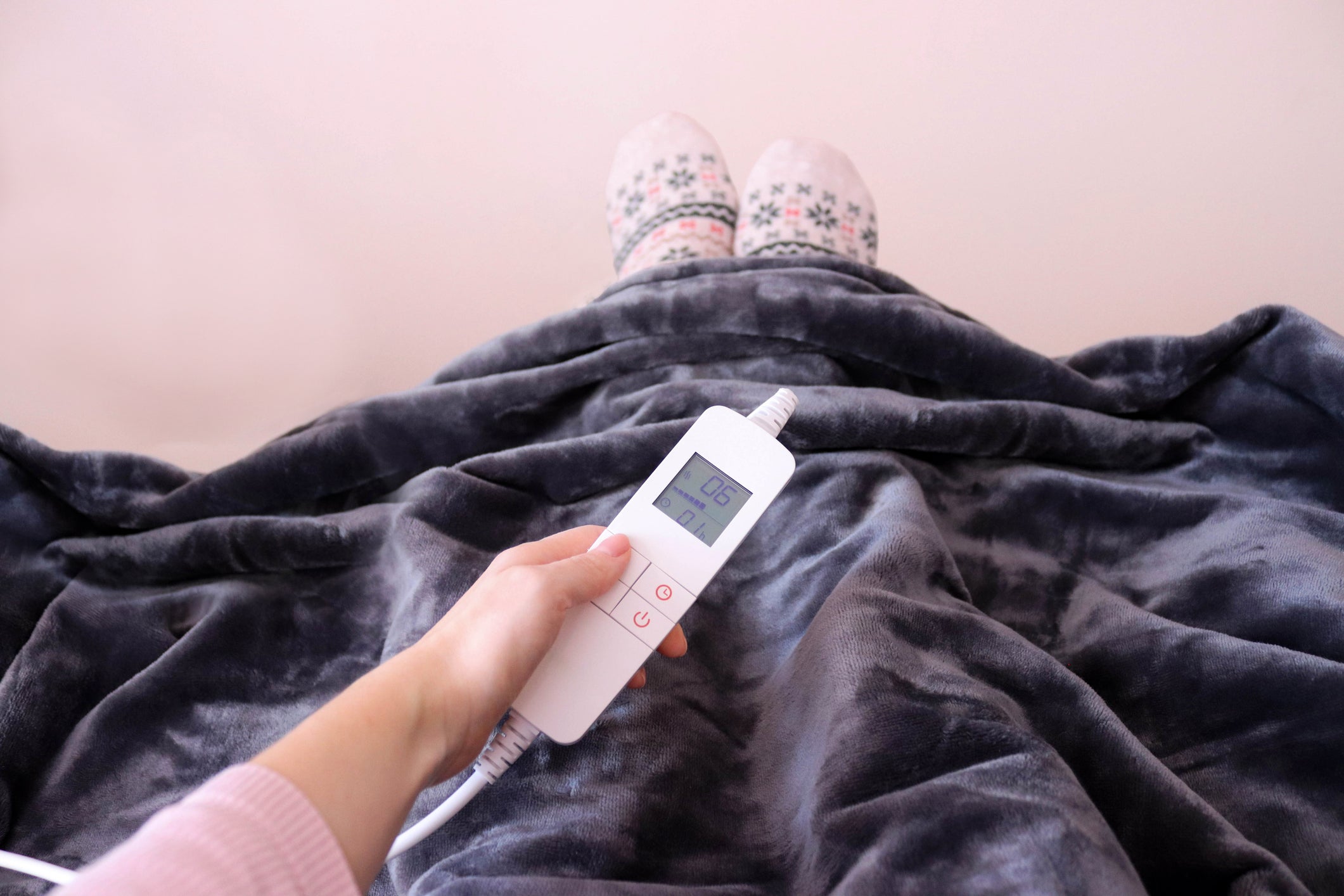
Close doors to unused areas and prioritise rooms where you spend time. Electric blankets, heated throws, hot water bottles and wearing lots of light layers of clothing are some of the cheapest ways to stay warm at home, costing far less than heating the whole house. Small portable heaters, such as oil-filled radiators or ceramic heaters, can also provide efficient, targeted warmth for short periods.
Electric blankets and heated throws are the lowest-cost heating alternatives, running from as little as 2p per hour, according to Money Saving Expert.
Targeted heaters like oil-filled radiators or ceramic PTC heaters are effective for small spaces, costing around 37-50p an hour. Combined with draught-proofing, insulation, and smart furniture placement, these approaches allow a home to feel warm and comfortable without turning up the central heating.
Join our commenting forum
Join thought-provoking conversations, follow other Independent readers and see their replies
Comments
Bookmark popover
Removed from bookmarks