The Independent's journalism is supported by our readers. If you submit a form or click links to other sites on this page, we will earn commission.
Integrated (in-roof) vs on-roof solar panels: pros, cons, and costs explained
We look at how in-roof solar PV panels compare against standard on-roof panels when it comes to price, efficiency, design, and long-term value
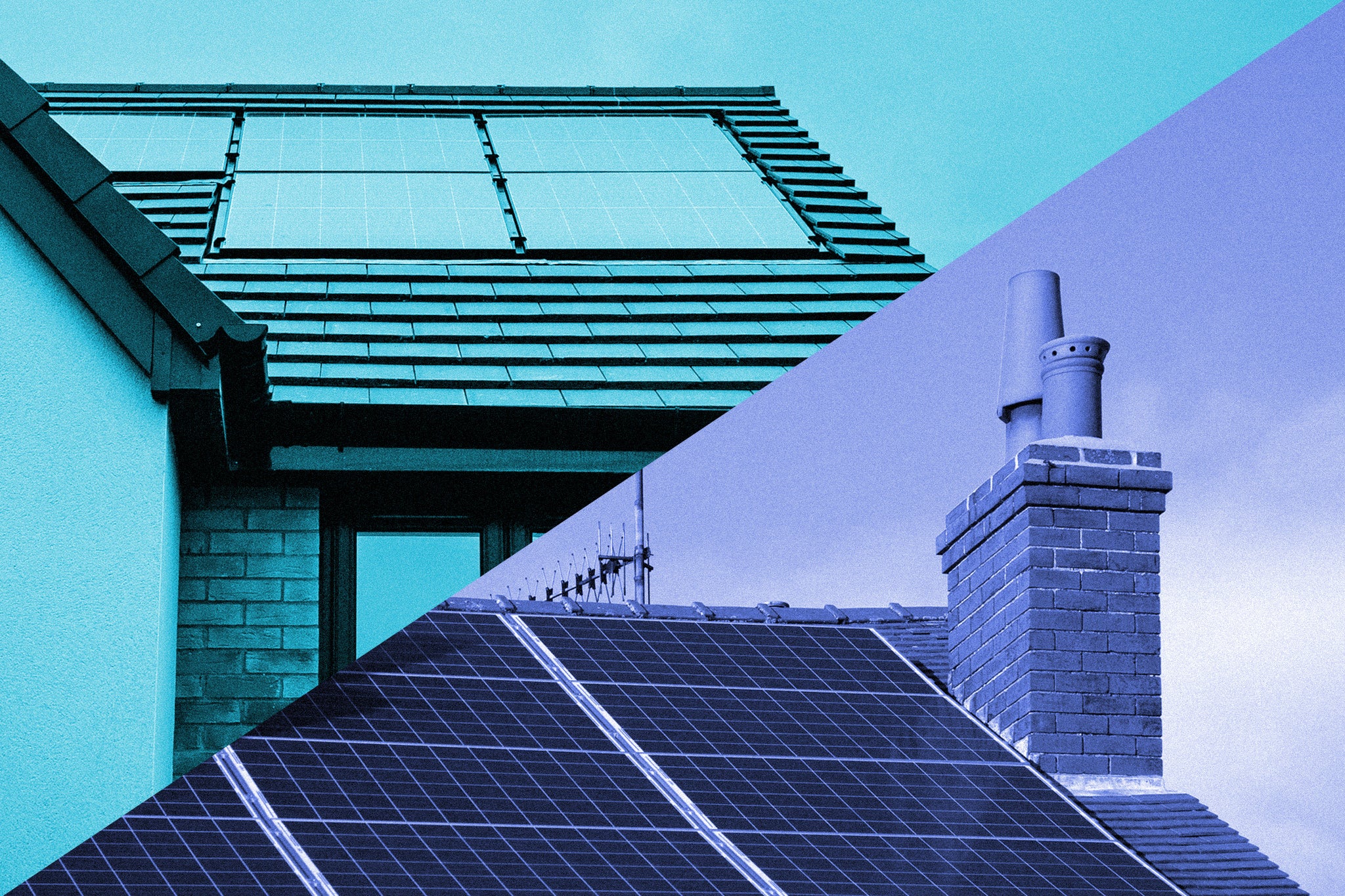
Thinking of going solar? When you’re installing panels from scratch on an existing roof or building, one of the first decisions you’ll face is whether to go for roof solar PV panels or traditional on-roof systems. It’s a choice that affects not only how your home looks, but also how much energy you generate, how efficiently your system performs, and what you’ll pay over time.
Integrated or in-roof systems are becoming increasingly popular among homeowners who want a cleaner, more discreet design. But for many, on-roof systems remain the go-to choice for performance and value. To help you decide, we asked Manan Shah, solar expert at installer Solar4Good, to explain how the two systems compare and whether the sleeker option is worth the extra investment.
For a broader look at whether solar makes sense for your home, see our guide: Are solar panels worth it?
Get a quote for solar panels for your home
Use our comparison tool to get a range of free solar panel quotes from leading installers across the UK.
What’s the difference between on-roof and in-roof solar PV panels?
As the name suggests, on-roof solar panels sit on top of your roof tiles and are mounted on a frame secured to the rafters. They’re the most common type of installation in the UK, as they can be fitted onto almost any existing roof without major alterations. Installation is relatively simple and cost-effective, making them ideal for retrofitting.
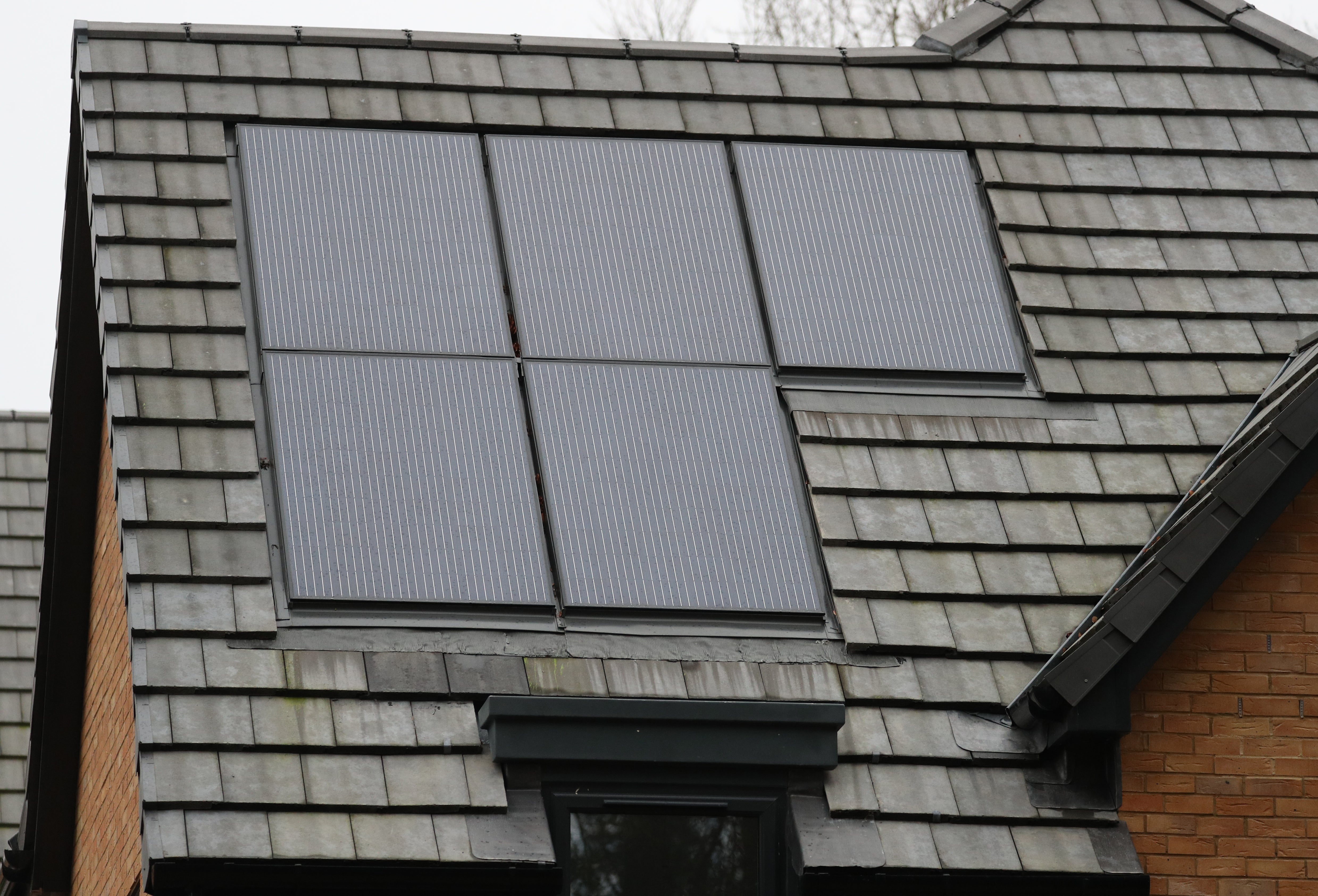
In-roof (also known as integrated) solar PV panels, on the other hand, replace part of your roof covering entirely. Rather than sitting above the tiles, the panels form part of the roof itself, creating a flush, seamless appearance. This makes them particularly popular for new builds or major renovation projects, where the panels can be integrated during construction.
“On-roof panels sit on mounting frames fixed to roof tiles,” explains Shah. “In-roof panels replace sections of the roof tiles themselves, giving a flush, integrated appearance, which is ideal for new builds or reroofing projects.”
In other words, the biggest difference is whether you’re adding panels to an existing roof or designing them into a new one from the start. For comparisons of models and efficiency ratings, see our guide to the best solar panels.


Efficiency and performance
From a performance standpoint, on-roof solar panels generally have a slight edge. The space between the panel and the roof allows natural airflow, helping keep the panels cool and maintain efficiency.
“On-roof panels typically perform better because airflow beneath helps keep them cool,” says Shah. “In-roof solar PV panels run warmer due to reduced ventilation, leading to slightly lower output, usually 2-5 per cent less.”
That may sound minor, but heat does impact performance. For every degree above 25C, most solar panels lose around 0.3-0.5 per cent of efficiency. In-roof systems, being more enclosed, can trap heat and operate at higher temperatures.
However, newer in-roof solar PV panel designs are improving. Some feature ventilated frames or air channels to counteract heat buildup, narrowing the performance gap.
Installation and maintenance
Installation speed and complexity also vary. On-roof systems are typically quicker to fit and require less labour. They can be installed in one to two days, depending on system size, and are compatible with most standard-pitched roofs. In-roof installations are more complex because the panels replace roof tiles, requiring coordination between roofers and solar installers. But if you’re already having a new roof fitted, the process can be integrated seamlessly.
Maintenance is also easier with on-roof systems. “On-roof systems are easier to access and replace panels individually,” says Shah. “With in-roof systems, replacement or repair can be more complex since the panels form part of the roof covering.”
Both types are designed to be weatherproof when installed by an MCS-certified installer, so you shouldn’t have to worry about leaks. It’s worth noting that removing fewer roof tiles with an on-roof system also means less interference with the building fabric.
On-roof vs in-roof solar panels cost comparison
While prices vary depending on system size, location, and installer, Shah provided the following guide for a typical 4kW setup:
System type | 4kW without battery | 4kW with battery |
On-roof | ~£7,000 | ~£8,500 |
In-roof | ~£8,000 | ~£9,700 |
In-roof systems cost around £1,000 more because of their integrated design and additional labour. For homeowners replacing a roof, that extra cost may be offset because the panels take the place of roof tiles, reducing material and labour costs elsewhere.
On-roof panels tend to deliver a better return on investment. The lower upfront cost, combined with slightly higher efficiency, means they typically pay for themselves faster. In-roof systems, by contrast, appeal to those prioritising aesthetics or long-term property value.
For a deeper dive into installation expenses, see our guide to the cost of solar panels.
Aesthetics and property value
There’s no denying the visual appeal of in-roof systems. The panels sit flush with the roofline, blending in with modern architecture and creating a clean, high-end look. They can even be made in different colours or finishes to match certain roof materials.
“In-roof panels are chosen mainly for aesthetics – they’re sleek, low-profile, and blend with modern architecture,” says Shah. “On-roof panels win on performance and cost-efficiency, appealing to homeowners prioritising a return on investment.”
In some conservation areas or housing developments with strict planning guidelines, in-roof panels may be the only approved option. However, they’re still relatively rare on existing homes, where practicality and price often take priority.
.jpeg?quality=75&width=230&crop=3%3A2%2Csmart&auto=webp)
On-roof vs in-roof solar panels: which is best for you?
Both in-roof and on-roof solar panels provide the same fundamental benefit: generating clean, renewable energy to cut household electricity bills and carbon emissions. The right choice depends on your circumstances:
- For existing homes: on-roof systems are generally the best option. They’re more affordable, easier to install, and slightly more efficient.
- For new builds or roof replacements: in-roof panels make sense, especially if you value a sleek aesthetic or want to future-proof your property.
“Both systems are waterproof when installed correctly by MCS-certified installers,” Shah adds. “It really comes down to whether you’re retrofitting or rebuilding.”
Ultimately, in-roof and on-roof systems share the same goal, but differ in how they get there. On-roof panels win on practicality and performance, while in-roof systems score on design and integration. Either way, you’ll be investing in a cleaner, more sustainable home.
Join our commenting forum
Join thought-provoking conversations, follow other Independent readers and see their replies
Comments
Bookmark popover
Removed from bookmarks