Why is the US-EU trade war flaring up again?
Amid the economic mayhem of the coronavirus pandemic, why would the US government even be considering reigniting the transatlantic trade war? Ben Chu explains

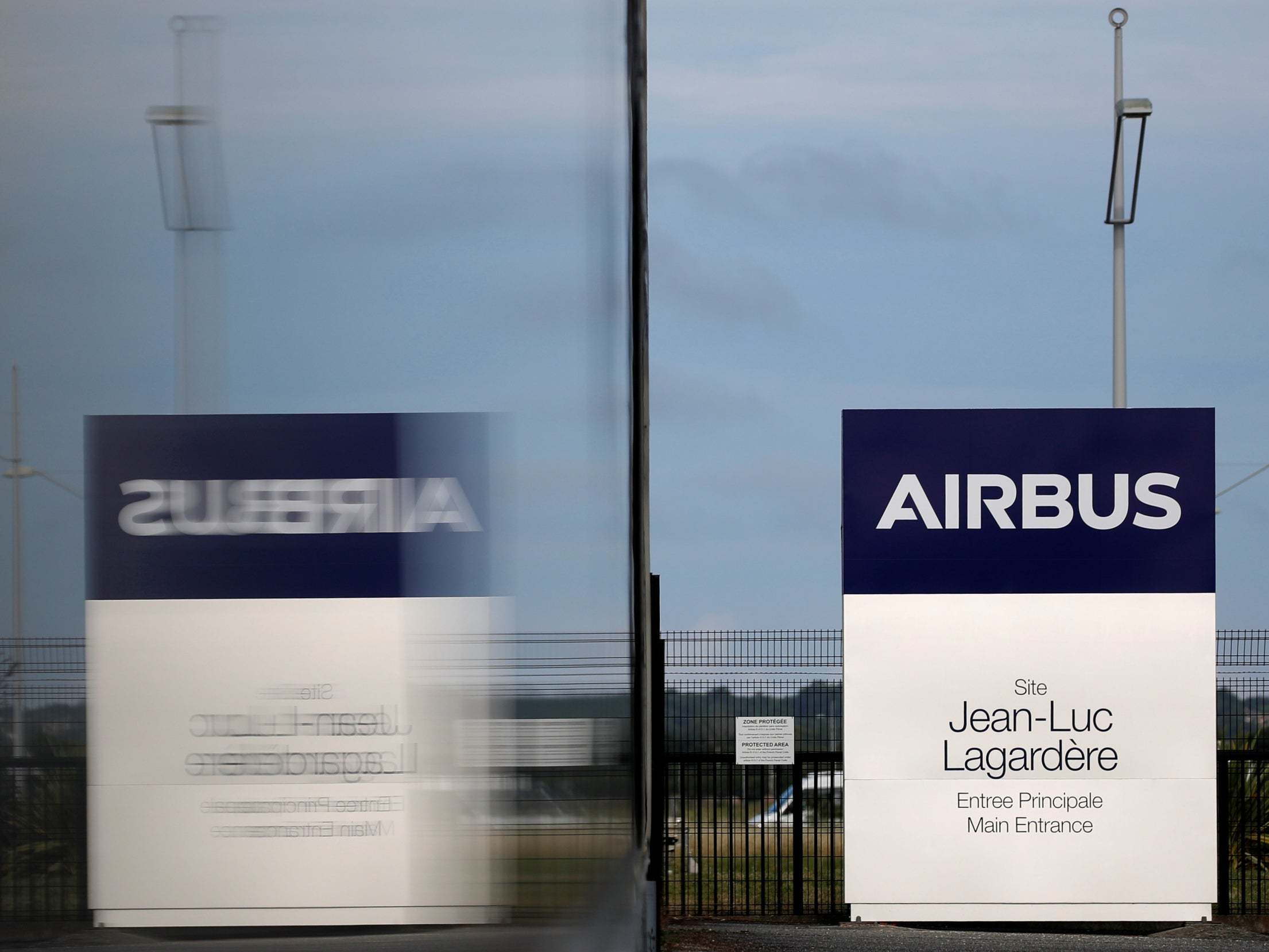
The Office of the United States Trade Representative has this week released a list of goods produced in the European Union upon which it says the US is considering imposing tariffs.
They range from pullovers, to machine tools, to food exports such as beer and olives.
But why, amid the economic mayhem of the coronavirus pandemic, would the US government even be considering reigniting the transatlantic trade war?
And what could it mean for global trade and the fate of the world economy?
What has prompted this action from the US?
It stems from the long-running dispute between the EU and the US over state subsidies to their big aircraft manufacturing groups, Airbus and Boeing.
Last year the World Trade Organisation (WTO) ruled the EU had failed to withdraw billions of dollars in illegal subsidies to Airbus.
As a penalty, the WTO gave permission for the US to impose $7.5bn of tariffs on EU goods.
The US has imposed some of these tariffs, but not up to the full permitted amount.
This latest list of tariffs would go towards completing the penalty.
Can the EU respond in kind?
Not yet. The WTO has also found that Boeing received illegal tax breaks in the US.
But it has yet to rule on how much retaliation the EU can take against America.
A decision is expected later this year.
Won’t all this just damage both sides?
That’s the consensus among economists about the impact of these tit-for-tat trade hostilities.
Tariffs damage not only the exporting firms in the nation or bloc hit by the tariffs, but they also harm the consumers in the country that is imposing the tariffs by pushing up retail prices and making some items harder to find.
Thousands of US businesses opposed the tariffs imposed by their government on the EU last year.
Where does Donald Trump fit in?
To some extent this dispute is separate from Donald Trump’s other trade wars, including tariffs already imposed on EU exports.
The conflict over aircraft manufacturing subsidies dates back to 2004 – long before Mr Trump was elected.
And this dispute has been arbitrated by the WTO, unlike other unilateral trade strikes by the Trump White House since 2017 against the EU and China.
Analysts say the WTO penalty rulings are really intended to incentivise both sides to reach a negotiated agreement.
And the United States Trade Representative Robert Lighthizer has said his goal in increasing tariffs is indeed to persuade the EU to agree to a settlement.
But the danger is that, with the belligerent Mr Trump occupying the White House, additional tariffs could, instead, simply serve to exacerbate the conflict.
What does it mean for world trade?
It’s unlikely to be good news. The WTO has estimated that global trade could fall by a third in 2020 due to the massive disruption from the coronavirus pandemic.
A resurgent US-EU trade war on top of that would do further damage not only to trade but the corporate investment needed to help the global economy recover.
Join our commenting forum
Join thought-provoking conversations, follow other Independent readers and see their replies
Comments
Bookmark popover
Removed from bookmarks