How can the UK, with a defence budget of over £60bn, still be so unprepared for war?
Despite the rhetoric of bolstering our defences, the uncomfortable truth is that the UK is more or less defenceless against the sort of missile attack that we have seen in Poland and Ukraine. Security expert Francis Tusa looks at what it will take to turn the supertanker around, to create the armed forces that will be required for the wars of tomorrow


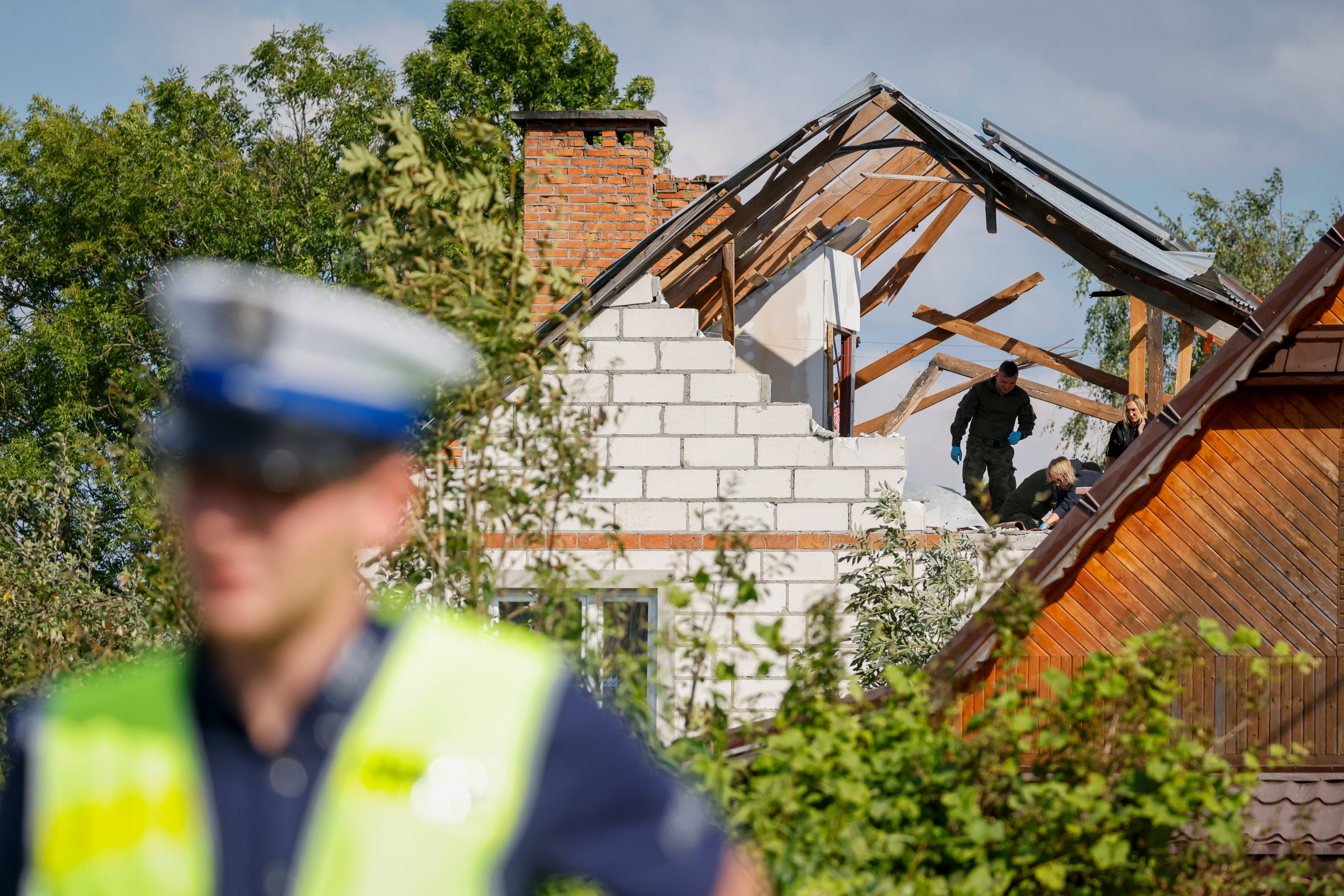
On the night of 9 September, Russia fired hundreds of suicide drones and dozens of ballistic and cruise missiles against Ukraine, a regular event for the Ukrainian population. As with many such attacks, Ukrainian air defences shot down over 75 per cent of the Russian weapons. On this occasion, around 20 drones also went into Poland. Warsaw was able to mobilise its defences, and many were shot down by fighters or ground-based SAMs. A similar attack against the UK would see the vast majority of drones/missiles getting through. The uncomfortable truth is that the UK is more or less defenceless against the sort of missile attack that is commonplace in Ukraine.
Why, more than three-and-a-half years after the Russian invasion of Ukraine, is the UK still not buying the equipment that is so obviously needed for the basic defence needs of the nation?
This was what many of those who attended last week’s DSEI defence exhibition were asking. The defence secretary, John Healey, in his closing speech, lauded defence cooperation between London and Kyiv. One issue he highlighted was innovative work on new families of long-range attack drones, but also of a new class of extremely low-cost drone interceptors, aiming to defeat Russian swarm attacks without having to use expensive SAMs. What was missing in the speech, or in the questions that followed, was any sign that the British armed forces were going to buy any of these weapons – drones produced in UK factories will be shipped to Ukraine.
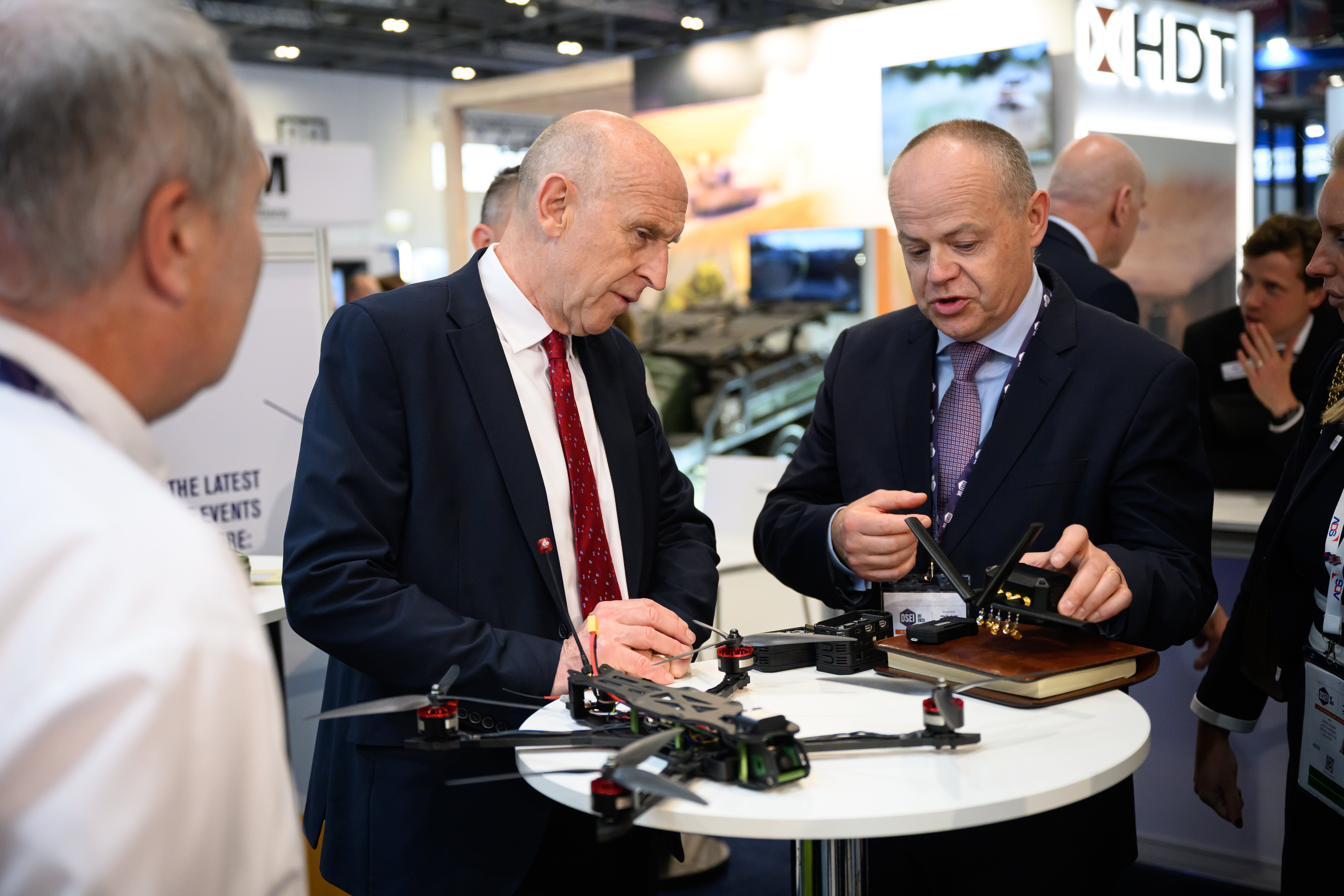
At the same show, two years previously, the then-chief of the defence staff, Admiral Sir Tony Radakin, had expressed a wish to see the British Army set up a “suicide drone regiment”, copying the success and rapid innovation of the Ukrainian Army. Two years later on, no such unit(s) exists. And even if there are numerous trials and tests of suicide drones and the like, nothing has been bought in any significant numbers to be of military use in the event of a large-scale war.
The Ukraine war has shown that artillery is still “queen of the battlefield”, a proven war winner. Having supplied Kyiv with all of the old (but still highly effective) AS90 155mm self-propelled howitzers, the British army has only 13 new Archer 155mm howitzers (one crashed on exercise), and will not get major numbers of this vital type of weapon until 2028.
And during last week’s conference, various defence chiefs were vocal that their mission was to get their services ready for an all-out war in two to three years. If there is a serious prospect of a war in a few years, then 2028 or 2029 isn’t “just in time” – it is “too late”.
It was clear to me that the army wants faster delivery of artillery guns, but have been told “no money”, a common phrase throughout the event last week. Lack of funds has held up the procurement of the hundreds of anti-aircraft missiles that the UK needs to protect itself against the sort of drone attack that Ukrainians live with daily – “accidental” drone attacks on Poland (and Romania, and the Baltic states) today, could well be ones even nearer to the UK tomorrow.
Wise heads studying any lessons of war in Ukraine are not jumping to conclusions, and are not making simplistic judgements about what new capabilities, what innovations have been vital. But in possibly the best summation of the conflict and any lessons, the current chief of the defence staff, Air Chief Marshal Sir Rich Knighton, in his speech, stated that there was a dichotomy: innovation in defence equipment and technology by both Moscow and Kyiv has been at an unprecedented pace, but the battlefield still resembles the Western Front in the First World War. He added, “Innovation and technology have not proved decisive for either side.”
Yes, it is true that use of a huge range of drones, spiralling capabilities on an almost weekly basis, has kept Ukraine in the fight. It is also true that Ukrainian start-ups have brought AI onto the battlefield, with results that have astounded Western observers. Innovation has been at the heart of Ukraine’s fight – but also that of Russia.
No one should dismiss the massive range of new technologies that exist while planning for the wars of tomorrow. It will be impossible for any Army to go into any war tomorrow without tens of thousands of drones of all types and different types of drones, or “uncrewed systems” will undoubtedly be vital for future wars in the air and at sea.
But despite enthusiastic words, progress in the UK is close to glacial. Process and paperwork certification has meant that no decisions on new capabilities are leading to any significant advances in capabilities, and certainly not at speed. There are baby steps here and there – but urgency is not visible.
A phrase that was used by all of the service chiefs, as well as the political heads of the MoD at the DSEI show was “transformation at the speed of war”. In essence, this was saying that rather than having procurement cycles that last for eight, 10, 15 years, the MoD has to think in months – “at worst” a few years. Several defence chiefs at DSEI made explicit reference to the speed of innovation seen in World War Two, marking it as the reference point for how the UK should be operating today.
But the current UK equipment procurement system is very much an oil tanker – it can take a very long time to turn around. How to change the current cumbersome (and wasteful) system to one able to react at Elon Musk-like speeds is very much an open question.
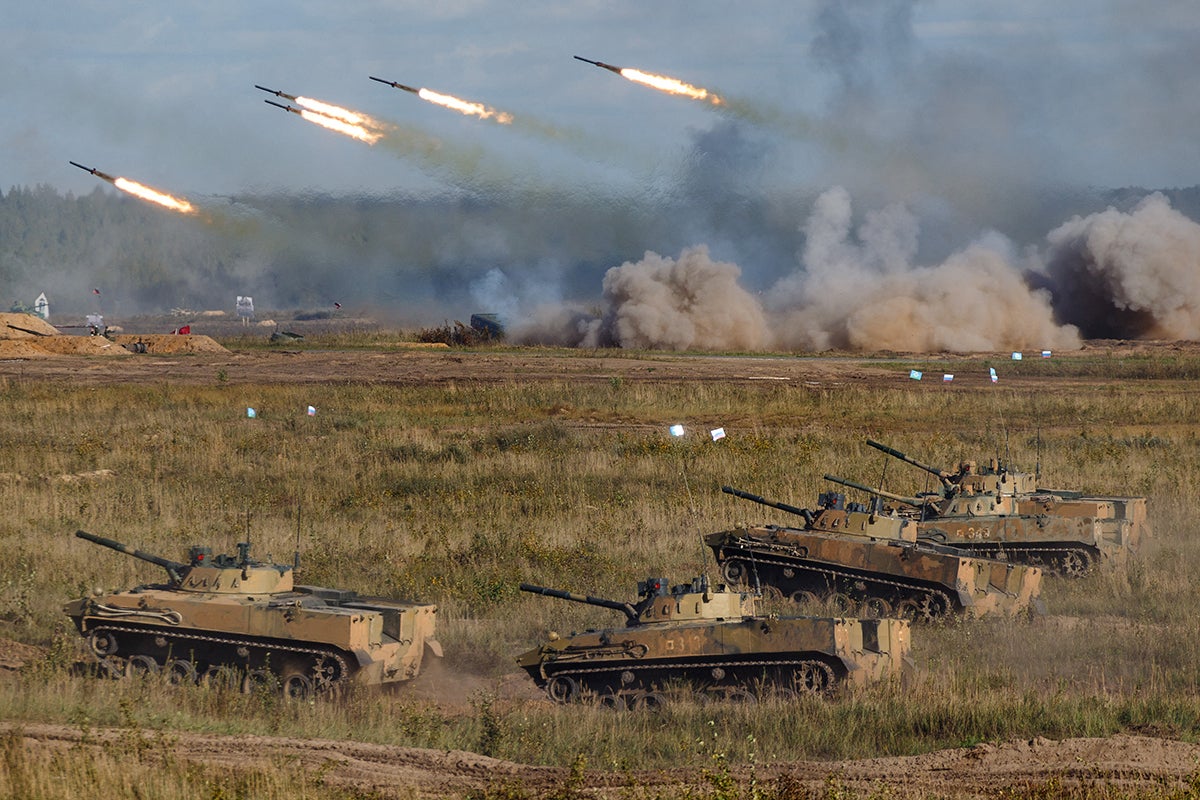
The war in Ukraine does provide important lessons: the nature of war hasn’t actually changed – ground has to be held; troops have to attack and defend. Drones might be used, and they might have AI in their night vision goggles – but the soldier with the AK-74 still has to “go over the top”.
Innovation is not everything – magazine size, stocks of weapons, shells, bullets, “old-fashioned” equipment are still absolutely vital. The UK has incredibly low stocks of almost everything – and somehow is still finding it difficult to place the sort of orders required to create and sustain credible and reliable armed forces.
The question is this: how can a country with a defence budget of over £60bn, one of the largest in the world, be in this situation? And how can it be so difficult to turn the supertanker around, to create the armed forces that will be required for the wars of tomorrow? These will need a mixture of current technologies, with an injection of new ones. Everyone seems to know this – but getting from understanding to action is proving incredibly difficult even when the threat is rising every day.
Francis Tusa is editor of Defence Analysis
Join our commenting forum
Join thought-provoking conversations, follow other Independent readers and see their replies
Comments
Bookmark popover
Removed from bookmarks