From London Bridge to a serial rapist, failing to monitor offenders properly puts the public in danger
Analysis: The National Probation Service must improve urgently before it is handed responsibility for thousands more convicts, Lizzie Dearden writes
A watchdog’s warning that some probation officers lack the “professional curiosity” to check whether dangerous offenders are lying should not come as a surprise after the events of the past year – but it must be acted on.
In November, convicted terrorist Usman Khan murdered two people while supposedly under supervision by the National Probation Service (NPS) and subject to a slew of licence conditions.
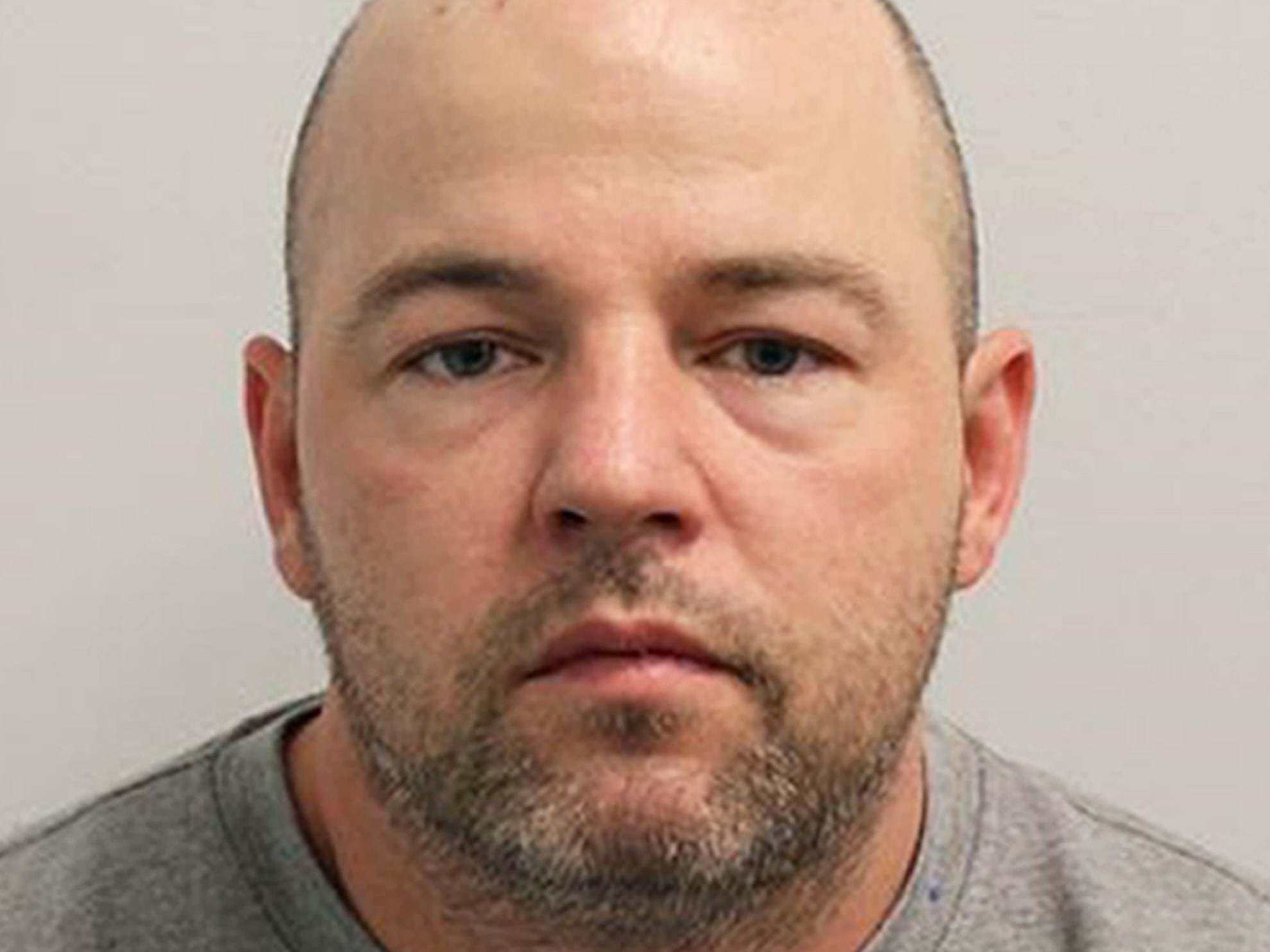
Months before, Joseph McCann launched a campaign of rape and kidnapping across England while also being monitored. He had already reoffended while under supervision and it was an error by the same NPS that meant he was automatically released from prison in February.
Then in June, an inquest heard how two convicted murderers raped, tortured and killed a young mother after being released on licence. Time and time again courts have been told how probation officers failed to carry out vital checks, or challenge lies by criminals.
A judge said that McCann “pulled the wool over the eyes of his supervising officers”, while another court heard that murderers Stephen Unwin and William McFall also lied to probation and were emboldened “by the failures on the part of the authorities to expose their deceit”.

Each horrific case saw the staff involved reprimanded, but HM Inspectorate of Probation has now revealed a “lack of professional curiosity” in all seven NPS divisions across England and Wales.
Chief inspector Justin Russell said there was a risk of harm to the public if officers could not detect so-called false compliance by convicts, and that some were taking their accounts “on face value”.
He admitted there could be another case like McCann’s because of the sheer volume of work, and the failure to take on lessons from reviews.
The NPS is currently supervising 106,000 released prisoners graded as a high risk, and a report released on Tuesday warned of short-staffing and poor management.
There are currently more than 650 vacancies for probation officers, and the shortage is causing them to be overloaded with too many cases to handle properly.
But next year, the NPS will be handed responsibility for around 150,000 more offenders, who are currently managed by private companies.
Community Rehabilitation Companies (CRCs) were created in 2014 during the Conservative government’s controversial part-privatisation of probation.
They were meant to handle lower-risk offenders but a series of dangerous failings and expensive contracts forced the government to announce last year that it would move all supervision under the public NPS.
Although it performs better than the CRCs – particularly on public safety – the latest report shows that handing control to the NPS may not be the solution many hope for.
Urgent improvements and investment will have to be made to avoid more mistakes that have drastic ramifications for public safety.
Join our commenting forum
Join thought-provoking conversations, follow other Independent readers and see their replies
Comments
Bookmark popover
Removed from bookmarks