How Boris Johnson failed a generation of children
The government’s botched handling of Covid-19 saw pubs in England reopen while schools remained closed to most children – while teachers tell us the attainment gap is now wider than it has been in decades. Regret and apologies are not enough, says Dan Paskins


When the pandemic closed schools, playgrounds, family support services and youth centres across the UK, the government insisted that these sacrifices were necessary to save lives. But protecting lives did not require sacrificing childhoods.
The pandemic may have been unprecedented, but the scale of the damage done to children was not inevitable. It was the consequence of political choices made by a system that consistently treated children as an afterthought.
My charity supported families throughout the pandemic and has been a core participant at the official UK Covid-19 Inquiry. The evidence that we and other children’s rights charities have presented shows clearly that children from low-income families endured the greatest losses, in education, wellbeing, and opportunity. The youngest in our communities were left to bear the long-term costs.
A clear example of this failure? Education. In England, closures were announced with little warning and even less planning. Ministers had years of warnings about the fragility of having to access teaching materials from home online. Yet when the time came, tens of thousands of children were expected to learn on mobile phones, or share a single laptop among siblings. The government’s laptop rollout arrived too late and reached too few.
Pubs in England were reopened while schools remained closed to most children. Teachers tell us the attainment gap is now wider than it has been in decades. Literacy, numeracy, and confidence have all suffered. Children who were already struggling before 2020 have been pushed further to the margins.
The impact went far beyond classrooms. Babies and toddlers missed out on the play, stimulation and relationships that form the bedrock of healthy development. Older children lost social contact, sport and the chance to simply be with their friends. Mental health needs soared. The NHS is now facing record demand for child mental health support, yet the help available remains patchy and overstretched.
This was not inevitable; it was a failure of leadership. The Covid inquiry has laid bare how and why it happened. Over the past few weeks, the inquiry has been examining the pandemic’s impact on children and young people. Key decision-makers have given evidence which confirms what charities, teachers, and families were saying during the pandemic. There was no systematic assessment of how key decisions would affect children, and no dedicated minister responsible for ensuring children’s welfare.
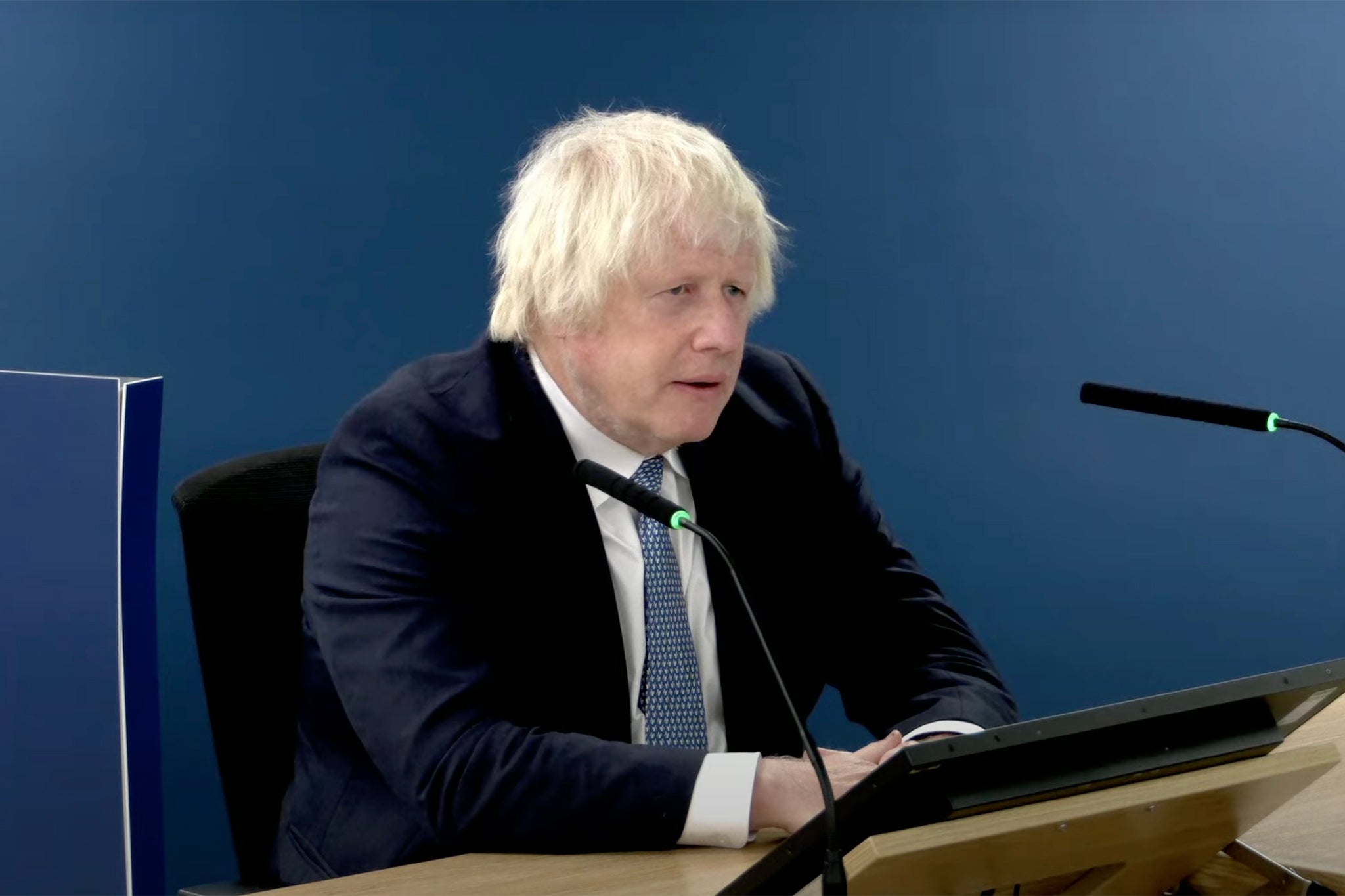
Gavin Williamson, the former education secretary, has admitted the government made “many mistakes” and that his department was not “sharp enough” in its response. Former prime minister Boris Johnson has also expressed regret when it came to his choices, admitting he was not certain that he would make the same choices in the future. Many cabinet ministers and key advisers have given evidence to the inquiry; not a single one has even attempted to defend the government’s record when it came to protecting children during the Covid-19 pandemic.
Regret and apologies are not enough. The harm done to children during the pandemic will endure for years and decades to come. What matters now is whether those in power will act. Firstly, the UK government should follow the example of the Scottish and Welsh governments and must incorporate the United Nations Convention on the Rights of the Child into domestic law. This would make the government legally accountable for how its policies affect children, forcing every department to consider children’s rights before decisions are made – not as an afterthought once the harm is done.
Second, the UK government should appoint a cabinet minister for children, a senior figure with the authority to coordinate policy across departments and lead a coherent national strategy for children. During the pandemic, responsibilities for children were scattered across many different departments, leading to fragmented, delayed, and contradictory responses. A cabinet minister would ensure that in any future crisis, children’s interests are represented at the highest level of decision-making.
Thirdly, we urgently need a properly funded Children’s Recovery Plan, focused on education catch-up, mental health support, and targeted help for families in poverty. These are not luxuries; they are investments in the future stability and prosperity of our country. The sums required are small compared to the long-term cost of neglect, in lost potential, poorer health and widening inequality.
Children and young people made extraordinary sacrifices during the pandemic. We owe the “Covid-19 generation” the right to be heard, to be supported and to be taken seriously. This generation deserves not just our sympathy but our commitment to lasting change.
The UK failed its children once. There is no excuse for failing them twice.
Dan Paskins is director of UK impact for Save the Children
Join our commenting forum
Join thought-provoking conversations, follow other Independent readers and see their replies
Comments
Bookmark popover
Removed from bookmarks