The existence of hunger is a political choice – just look at Brazil
A planet capable of producing a super-rich billionaire class is also capable of eliminating hunger, writes Brazil’s President Lula ahead of hosting Cop30 next month. The time to cooperate is now


Hunger is neither a natural condition of humankind nor an unavoidable tragedy: it is the result of choices made by governments and economic systems that have chosen to turn a blind eye to inequality – or even promote it.
The same global order that denies 673 million people access to adequate food also enables a privileged group of just 3,000 billionaires to hold 14.6 per cent of global GDP.
In 2024, the wealthiest nations helped drive the largest surge in military spending since the end of the Cold War, which reached $2.7 trillion (£2.02 trillion) that year. Yet they failed to deliver on their own commitment: to invest 0.7 per cent of their GDP in concrete actions to promote development in poorer countries.
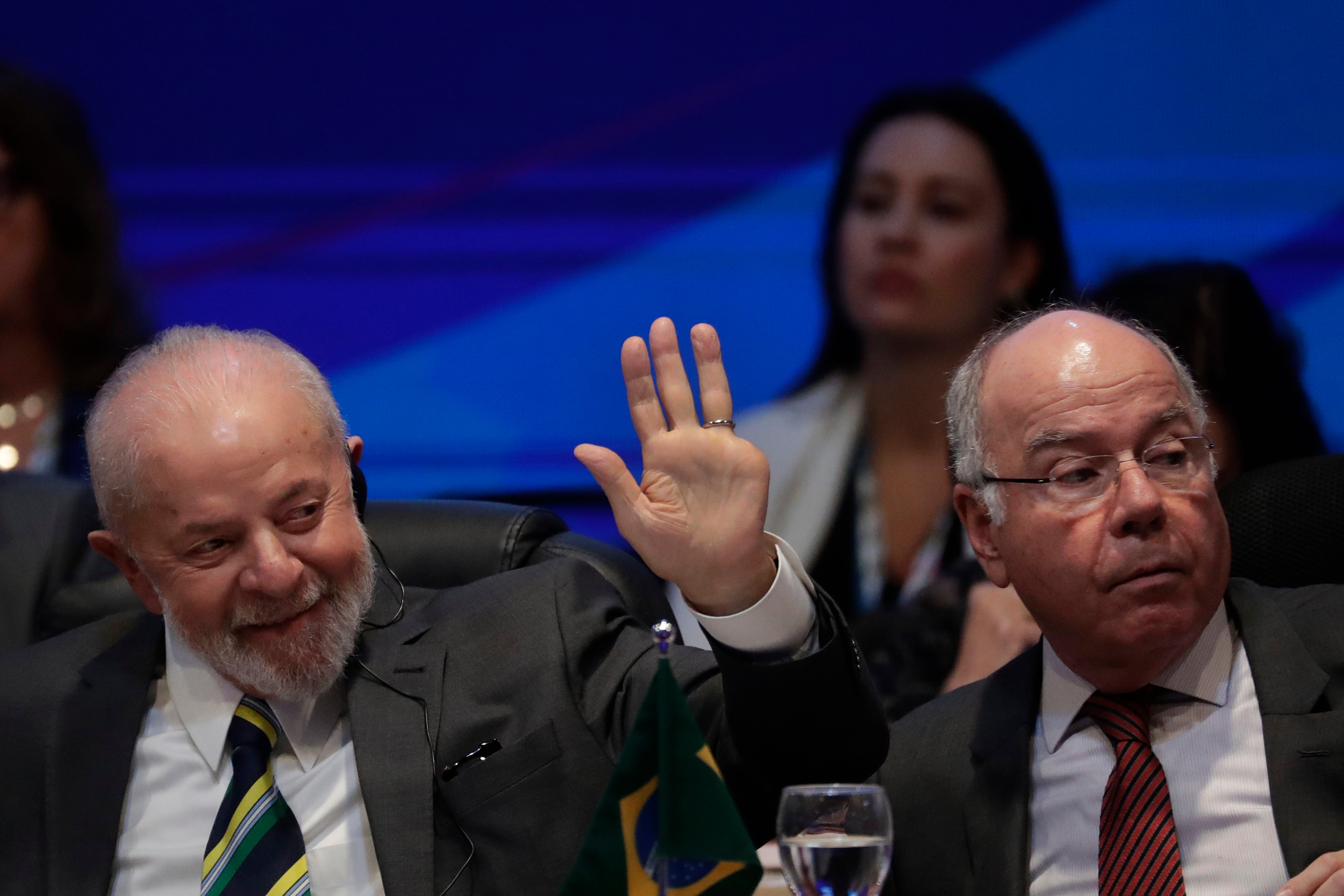
Today, we see situations not unlike those that prevailed 80 years ago, when the Food and Agriculture Organisation of the United Nations (FAO) was created. Unlike then, however, we are not only witnessing the tragedies of war and hunger feeding into each other, but also facing the urgent climate crisis. And the international order established to address the challenges of 1945 is no longer sufficient to deal with today’s problems.
Global governance mechanisms must be reformed. We need to strengthen multilateralism, create investment flows that promote sustainable development, and ensure that states have the capacity to implement consistent public policies to fight hunger and poverty.
It is essential to include the poor in public budgets, and the wealthy in the tax base. This requires tax justice and taxing the super-rich, an issue we managed to include for the first time in the final declaration of the last G20 summit, held in November 2024 under Brazil’s presidency. A symbolic but historic change.
We advocate for this practice to be implemented around the world – and we are implementing it in Brazil. Our parliament is about to approve substantial tax reform: for the first time in the country, there will be a minimum tax on the income of the wealthiest individuals, exempting millions of lower-income earners from paying income tax.
During our G20 presidency, Brazil also proposed the Global Alliance against Hunger and Poverty. Although recent, the initiative already has 200 members – 103 countries and 97 partner foundations and organisations. This initiative is not just about exchanging experiences, but about mobilising resources and securing commitments.
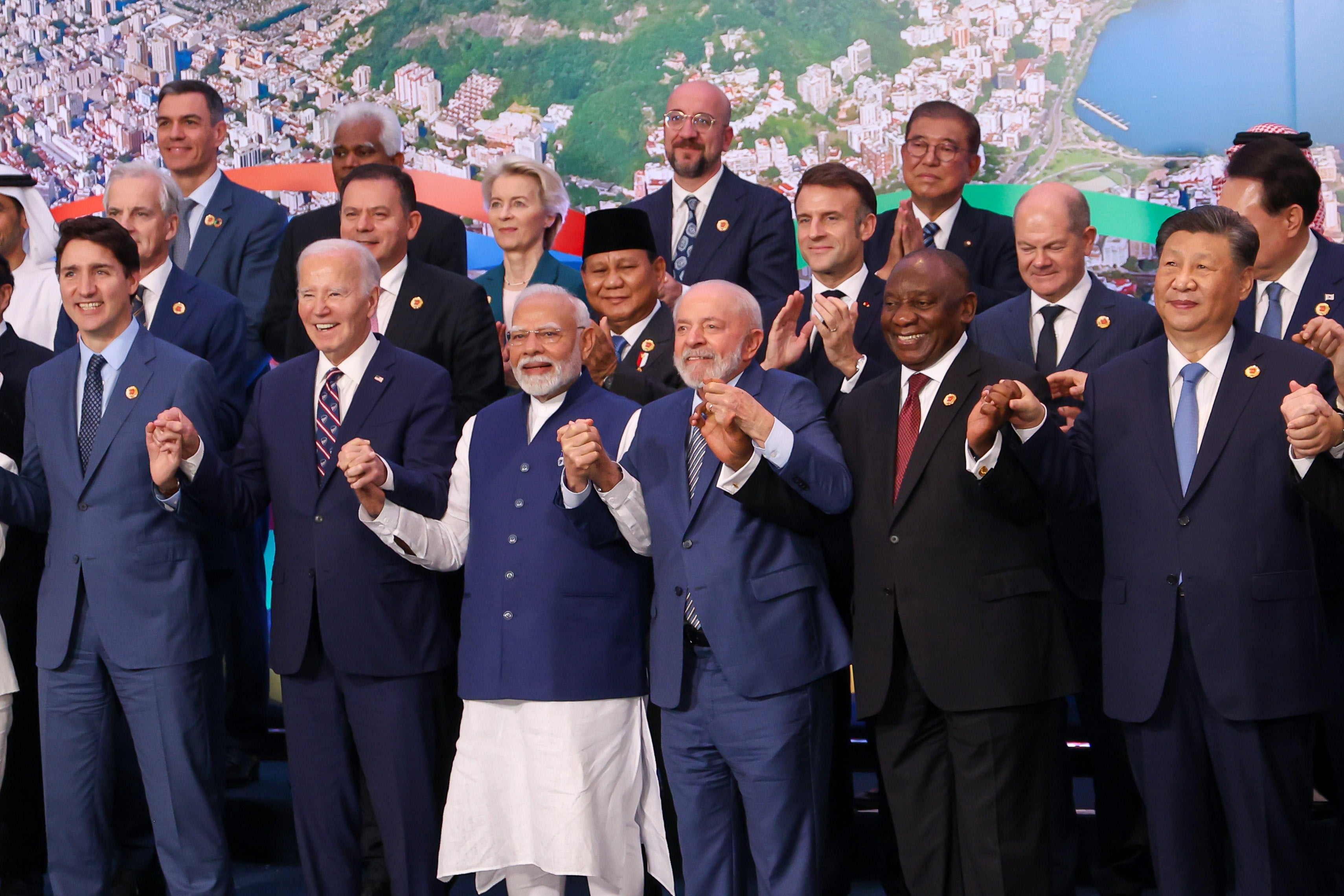
With this alliance, we want to enable countries to implement public policies that truly reduce inequality and ensure the right to adequate food. Policies that deliver rapid results, as seen in Brazil after we made the fight against hunger a government priority in 2023.
Official data released just a few days ago shows that we have lifted 26.5 million Brazilians out of hunger since the beginning of 2023. In addition, Brazil has been removed, for the second time, from the FAO’s Hunger Map, as laid out in its global report on food insecurity. A map we would not have returned to if the policies launched during my first two terms (2003-2010) and that of Dilma Rousseff (2011-2016) had not been abandoned.
Behind these achievements lie a set of coordinated actions on multiple fronts. We have strengthened and expanded our national income transfer programme, which now reaches 20 million households and supports 8.5 million children aged six and under.
We have increased funding for free meals in public schools, benefiting 40 million students. Through public food procurement, we have secured income for small-scale family farmers, while offering free, nutritious meals to those who truly need them. In addition, we have expanded the free supply of cooking gas and electricity to low-income households, freeing up room in family budgets to strengthen food security.
None of these policies, however, is sustainable without an economic environment that drives them. When there are jobs and income, hunger loses its grip. That is why we have adopted an economic policy that prioritises wage increases, leading to the lowest unemployment rate ever recorded in Brazil – and to the lowest level of per capita household income inequality.
Brazil still has a long way to go before achieving full food security for its entire population, but the results confirm that state action can indeed overcome the scourge of hunger. These initiatives, however, depend on concrete shifts in global priorities: investing in development rather than in wars; prioritising the fight against inequality instead of restrictive economic policies that for decades have caused massive concentration of wealth; and facing the challenge of climate change, with people at the core.
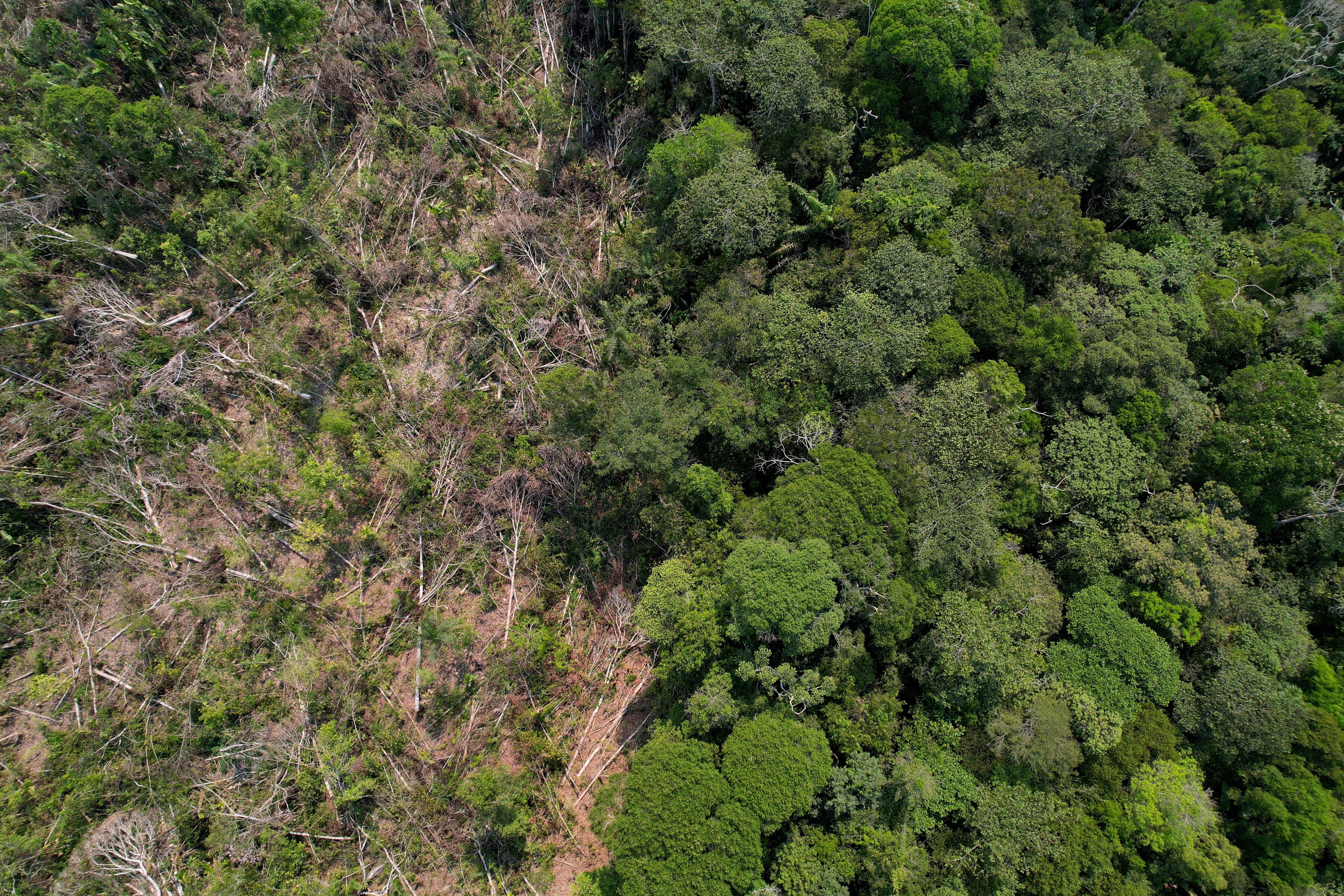
By hosting Cop30 in the Amazon next month, Brazil wants to show that the fight against climate change and the fight against hunger must go hand in hand. In Belem, we aim to adopt a declaration on hunger, poverty, and climate that acknowledges the profoundly unequal impacts of climate change and its role in worsening hunger in certain regions of the world.
I will also take these messages to the World Food Forum, and to the meeting of the Council of Champions of the Global Alliance against Hunger and Poverty – events I will have the honour of attending today, 13 October, in Rome. These are messages that show that change is urgent, and possible. For humanity, which created the poison of hunger against itself, is also capable of producing its antidote.
This article was produced as part of The Independent’s Rethinking Global Aid project
Join our commenting forum
Join thought-provoking conversations, follow other Independent readers and see their replies
Comments
Bookmark popover
Removed from bookmarks