Coronavirus is emboldening would-be tyrants the world over
Suppressing everything from voter turnout to the free press, right-wing strongmen are using the chaos created by the pandemic to shore up their own power, writes Borzou Daragahi

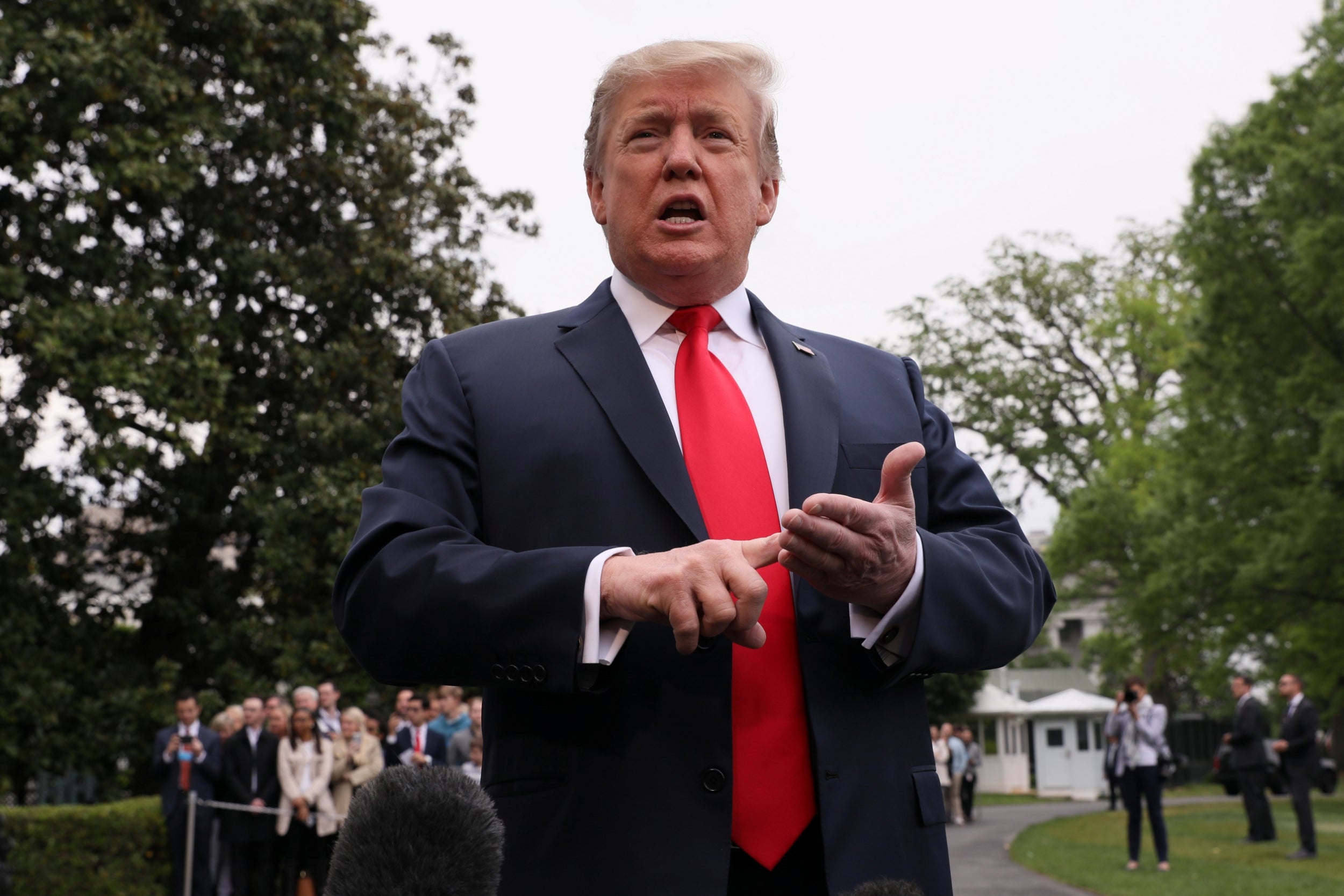
Elections, the very foundations of democracy, are under threat across the world because of the coronavirus pandemic, and an increasing willingness on the part of autocratic elites to bend the rules.
For weeks, democracy advocates have been sounding the alarm about the ways by which authoritarian rulers and wannabe tyrants are using the pandemic to grab long-sought powers, stifle dissent and cow the media.
Questions are now arising about the integrity of numerous upcoming national elections in already troubled democracies, including the closely-watched November presidential and congressional vote in the United States.
Among countries struggling with democracy and the rule of law, and with elections upcoming, are Poland, Lithuania, Ethiopia, Sri Lanka, Georgia, Czechia, Montenegro, Bolivia, Croatia, Moldova, Venezuela, Romania, Kyrgyzstan and Nigeria.
Of course, the US remains a major concern. Repeatedly, conservative politicians backed by right-wing oligarchs have sought to suppress voter turnout over the years to keep the poor and people of colour home on election day. Democratic contender Joe Biden reportedly told supporters last week that Trump would try to sabotage the vote if he feared he would lose.
“Mark my words,” he said, according to Politico. “I think he is gonna try to kick back the election somehow, come up with some rationale why it can’t be held. That’s the only way he thinks he can possibly win.”
But Trump and his allies could gain an advantage on 3 November simply by doing nothing. In the key battleground state of Wisconsin, Republican local legislators rejected entreaties to allow mail-in voting during a recent primary. The move forced left-leaning voters in urban areas to stand next to each other in long lines before they got a chance to cast ballots. Many voted anyway, thwarting a Republican scheme to entrench a Trump-backed conservative judge to the state supreme court. But at least 19 people tested positive for coronavirus in cases that were traced back to the vote.
“I worry that Wisconsin could be a model for the country,” says Steven Levitsky, a political scientist at Harvard University and co-author of the 2018 book How Democracies Die. “If they don’t agree to give citizens the right to vote by mail, it may come about on election day that it will be too difficult to vote.”
Bolivia, currently led by a shaky right-wing transitional body following a 2019 coup, has postponed its 3 May elections until later in the summer, securing the agreement of several opposition parties before doing so.
Political scientists say consensus between the government and opposition is key to responding to the health concerns of coronavirus without torpedoing democratic standards. “An election where many people can’t vote is often worse than postponing the election from a democratic standpoint,” says Levitsky.
Experts also worry that those in power could use the pandemic to gain unfair advantages over their opponents. While incumbents can use television to get their message out, a pandemic limits the door-to-door campaigning or public rallies that new or upstart candidates have conventionally used to reach voters. In Poland, for example, right-wing president Andrzej Duda, a fellow traveller of Hungarian strongman Victor Orban, has refused to postpone the 10 May elections despite accusations of unfairness by civil society groups.
“In places like Poland where you’ve got state ownership of media, the incumbent can keep on campaigning, but the opposition is in lockdown,” said Toby James, a professor of politics and public policy at the University of East Anglia. “A pandemic makes grassroots politics more difficult. You can’t knock on doors. You can’t have discussions in pubs.”
As during wartime, the pandemic is also creating a climate of fear that authoritarians could use to stifle the press, cite a national emergency as an excuse to silence scrutiny.
“It’s important that governments continue to allow reporting in the months and weeks leading up to elections,” says David Kaye, United Nations special rapporteur on issues of freedom of expression. “The fear is there’s going to be a post-9/11 feel where questioning government authorities and government decision-making will be unpatriotic.”
Abiding by public health needs at a time of once-in-a-century pandemic while adhering to democratic norms is a balancing act. France was widely criticised for going ahead with the first round of its municipal elections on 15 March, thereby potentially widening the spread of coronavirus (it wound up postponing indefinitely the second round of the vote).

South Korea, meanwhile, opted to go ahead with its national elections on 15 April while enforcing strict hygiene and social distancing rules – and seems to have avoided a fresh surge in cases.
“Most elected governments have been caught on their heels,” says Levitsky.
Where people allow their governments to use coronavirus to ram through measures to entrench their own power, democracy suffers. Where governments, their political opponents, and the public come together to balance safety with measures to ensure fair voting, the experience of the novel coronavirus could actually strengthen democracy. Only public trust and transparency will inoculate democracy from the pandemic.
Join our commenting forum
Join thought-provoking conversations, follow other Independent readers and see their replies
Comments
Bookmark popover
Removed from bookmarks