If Rachel Reeves cuts the cash ISA allowance, where should you put your money instead?
The chancellor will upset millions of savers if she halves the annual tax-free allowance in her Budget – but she’s right that it’s time we put our spare cash into financial products with a decent return, says James Moore


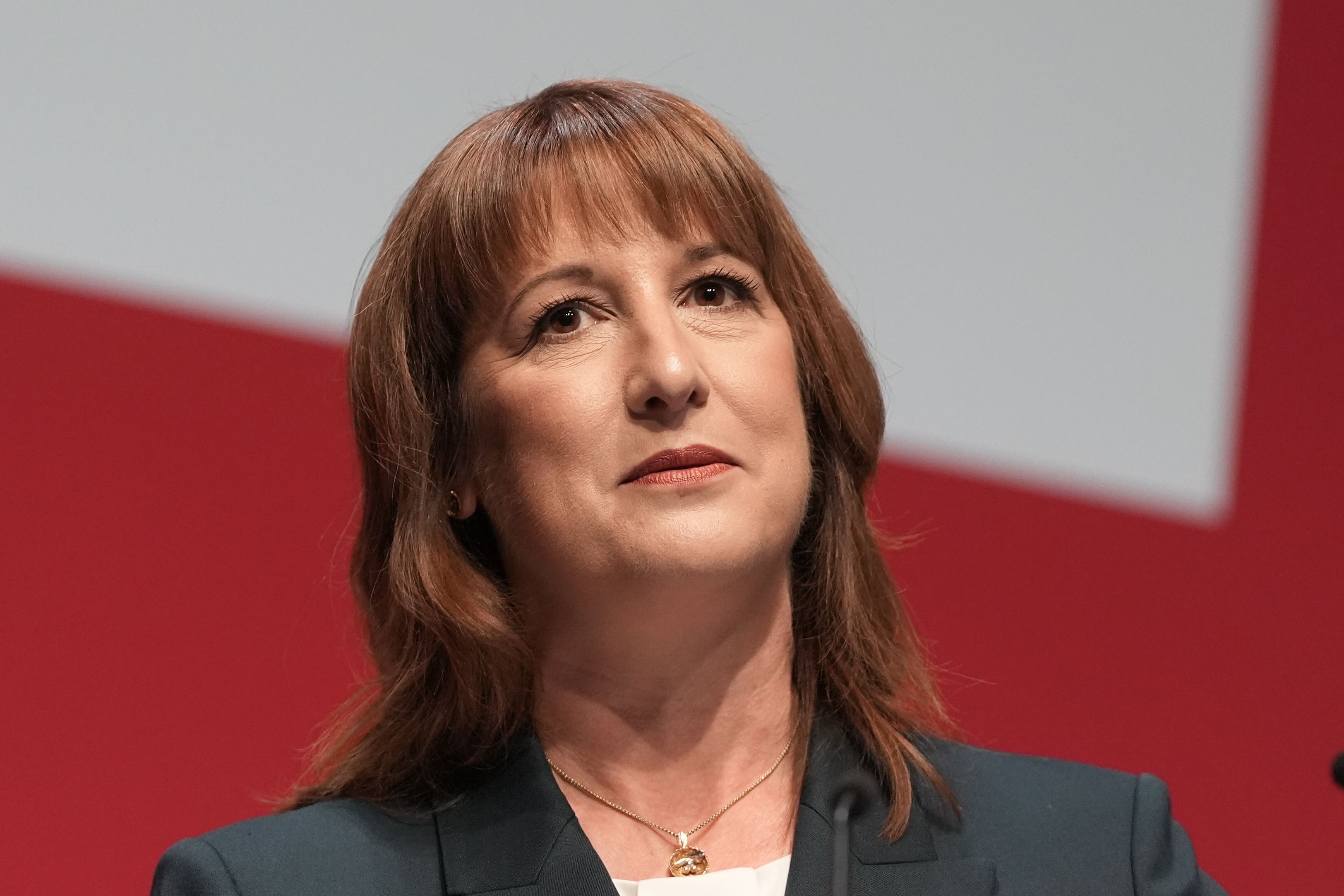
With a month to go before the Budget, the scuttlebutt is in full swing. Among the wild rumours about what measures Rachel Reeves might announce to turn around the stagnant economy, and amid all the talk of wealth taxes, spending cuts and pension raids – she has let slip only that higher taxes for the better off will be “part of the story” – there’s one move that has a ring of authenticity about it: reducing the amount that savers can put into tax-free cash ISAs.
A report in the Financial Times suggested that the Treasury is considering halving the £20,000-a-year ISA allowance – which, if true, would annoy millions of savers (and Martin Lewis).
Reeves’s motives are that she wants more people to put their savings in riskier stocks and shares, to better support the UK economy, but also to encourage British companies not to hotfoot it across the Atlantic into the welcoming arms of Wall Street. This is an entirely legitimate aim.
I support the move, because cash ISAs are dismal products. Most of them fail to beat inflation, which is currently 3.8 per cent and is set to rise to the highest in the G7 next year, if IMF forecasts prove correct.
Even the tax-free cash ISAs at the top of the “best buy” tables barely do the job, and their headline rates are usually “teasers” – good for a year or so, at best.
The cash ISA is a tax break that does far more for the banks, such as Barclays, and for building societies – both of which lend the money out at much higher rates than they pay – than it does for the punters.
But anyone who is able to use up their entire annual £20k allowance can easily afford to take a few risks in pursuit of a better return. I am far from loaded, but it is what I have done whenever I’ve had any spare cash to squirrel away – and, given the US-style returns on your investment, I’ve never regretted my decision to look beyond the ISA.

The easiest way to do so is via an investment fund tracking a share index such as the FTSE 100. It’s cheap and largely cheerful. And they tend to beat funds run by stock-pickers, which are pricier and require you to shop around and spend time on research.
Brokers such as AJ Bell or Hargreaves Lansdown offer a wide range of choices. Or you can go direct to a provider such as Legal & General, which specialises in this very product. All you need is a mobile phone and the usual personal details (address, bank account, national insurance number, etc).
The best way to minimise risk is to save monthly, which reduces the danger of putting all your money in when the FTSE is at the top of the mountain and primed for a fall.
Past performance is no guide to the future, as regulators are fond of telling us, but I’m pleased to report that my equity-linked savings have done much better for me than leaving my money to rot in a cash ISA.
The government of Margaret Thatcher had an ideological purpose in mind when it set up the first tax-free savings account, the personal equity plan, in 1986. It wanted to create a “shareholding democracy”. It was one of Thatcher’s better ideas, as those with the first PEPs can probably testify, given the size of the nest egg they will be sitting on today.
John Major’s government followed it up with the Tax Exempt Special Savings Account, the first tax-free cash savings plan, but these were complicated and fiddly. The Blair government built upon both with the ISA. It offered a strictly limited cash component at first. But this was subsequently expanded until you could put your entire annual allowance in cash, and allow the banks to make money off you by so doing.
Cutting the ISA threshold in half would definitely encourage savers to think seriously about their savings – and to seek out something better. It wouldn’t be popular, but it would be a beneficial move for many individuals, as well as for the nation at large. The chancellor should be bold.
Join our commenting forum
Join thought-provoking conversations, follow other Independent readers and see their replies
Comments
Bookmark popover
Removed from bookmarks