Domestic abuse increasing in Jordan with refugees most at risk: ‘Pandemic has turned lives upside down’
The magnified pressures and stresses of daily life because of Covid-19 are leading to higher levels of gender-based violence, Maya Oppenheim reports

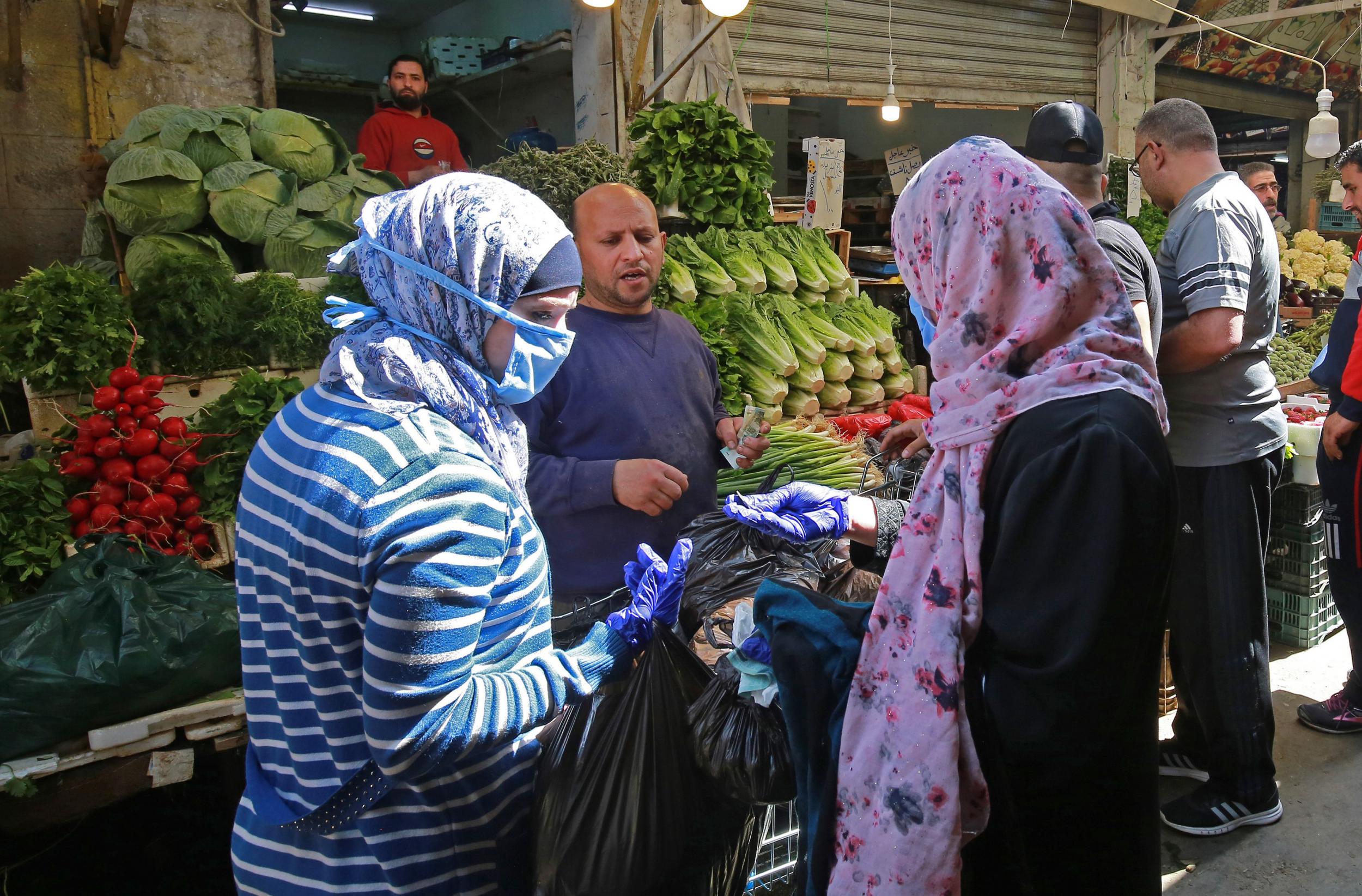
Incidents of domestic abuse have increased in Jordan during the coronavirus pandemic with women living in refugee camps at gravest risk, a report has found.
Plan International, who carried out the research with the United Nations Population Fund, said they are particularly concerned about teenage girls who they say face a greater threat of being abused due to the Covid-19 crisis turning their lives “upside down”.
The global children’s charity found 69 per cent of those polled said gender-based violence has risen since the public health crisis began. Psychological and physical abuse by a romantic partner or relative were the most frequently reported.
The report warned girls and young women are “bearing the brunt” of the Covid-19 lockdown and are finding it increasingly difficult to access sexual and reproductive health services. The crisis is also said to be hitting girls and young women in refugee camps and other poverty-stricken areas the hardest – making it difficult for many to make any money. Some 90 per cent of the women and girls interviewed said they did not have any access to income generating activities.
The Arab country is home to more than 700,000 registered refugees – the majority of whom have escaped the war in Syria. However, the government says the number is likely to be far higher if you take into account those who have not registered.
Most refugees generally have to share a room with three others which makes social distancing completely unfeasible, researchers said.
Muna Abbas, Plan International’s country director in Jordan, said: “Many of the girls and women in Jordan’s poorest communities have already endured displacement and conflict. Now the lockdown has severely disrupted their livelihoods and access to support such as family planning services, leaving them with even less control over their lives and bodies than they had before.
“On top of this, the pressures and stresses of daily life have been magnified, and we know this has led to higher levels of gender-based violence, and particularly intimate partner violence.
“In short, the pandemic is a profound threat to the rights of women, girls, and young people in the country’s poorest communities, and there is an urgent need for concerted, assertive action on the part of the UN, civil society, the government, and donors to ensure the protection and empowerment of women and girls.”
The amount of women who are totally blocked from family planning services has risen by 10 to 20 per cent contingent on the age group, researchers said.
Plan UK, which has launched an emergency appeal urging Britons to support its work to help those hit by the Covid-19 emergency around the world, carried out interviews with almost 400 teenagers and adults from five different areas in Jordan – Irbid, Karak, Amman governorates and Azraq and Za’atari refugee camps. Researchers also interviewed healthcare professionals, community and youth workers, and government officials.
The pandemic is a profound threat to the rights of women, girls and young people in the country’s poorest communities
The report says the combination of deeply-entrenched “shame, stigma, and social pressure” coupled with strict rules forbidding free movement are major obstacles blocking girls from reporting gender-based violence.
Campaigners around the world say trends in Jordan are reflected on an international level – with domestic abuse rocketing as social isolation measures have been rolled out.
Police in the UK have reported a rise in domestic violence incidents directly linked to coronavirus chaos, while China saw a threefold increase in cases of domestic abuse reported to police stations in February in comparison with the year before.
Join our commenting forum
Join thought-provoking conversations, follow other Independent readers and see their replies
Comments
Bookmark popover
Removed from bookmarks