Only in Britain: Could this M&S strawberries and cream sandwich be taxed?
Experts say M&S’s viral summer sando could be hit with 20 per cent VAT for looking a bit too much like dessert. Hannah Twiggs unpacks the deliciously British absurdity of a system that taxes joy – one picnic item at a time


In a courtroom somewhere sometime soon, it’s entirely possible that a very serious-looking barrister is preparing to argue that a strawberries and cream sandwich should be classified not as food, but as confectionery. A tax tribunal might soon hear evidence on the composition of its bread; its “snackability”; whether it’s eaten with fingers or cutlery; whether it’s lunch or dessert. All so the government can decide whether to slap 20 per cent VAT on it.
Only in Britain, where even your picnic isn’t safe from bureaucracy.
This latest fiscal farce centres on a new product from Marks & Spencer: a dainty little summer number made with sweet milk bread, lightly whipped cream and strawberries. Inspired by the Japanese “sando”, it’s become a social media darling – Instagram’s answer to Wimbledon.
So far, HMRC hasn’t confirmed whether it is looking into the product, but VAT expert Simon Knivett from HW Fisher has pointed out that the sandwich appears to tick several boxes that would make it liable for the tax: “If the bread is sweetened and the product is held in the hand while being consumed, it falls within the definition of confectionery for VAT purposes and is therefore standard-rated.”
Confectionery is standard-rated for VAT. Sandwiches, by contrast, are zero-rated. Unless, of course, they’re sweet. Or small. Or, frankly, look a bit too enjoyable.


At the heart of the issue is a peculiarly British obsession with form over function. Tax law doesn’t just ask what something is made of – it asks how it’s eaten. Is it picked up with fingers? Does it resemble a dessert? Could it be nibbled at a school fete, ideally off a paper plate? If so, it might well be confectionery. And that means it’s taxable.
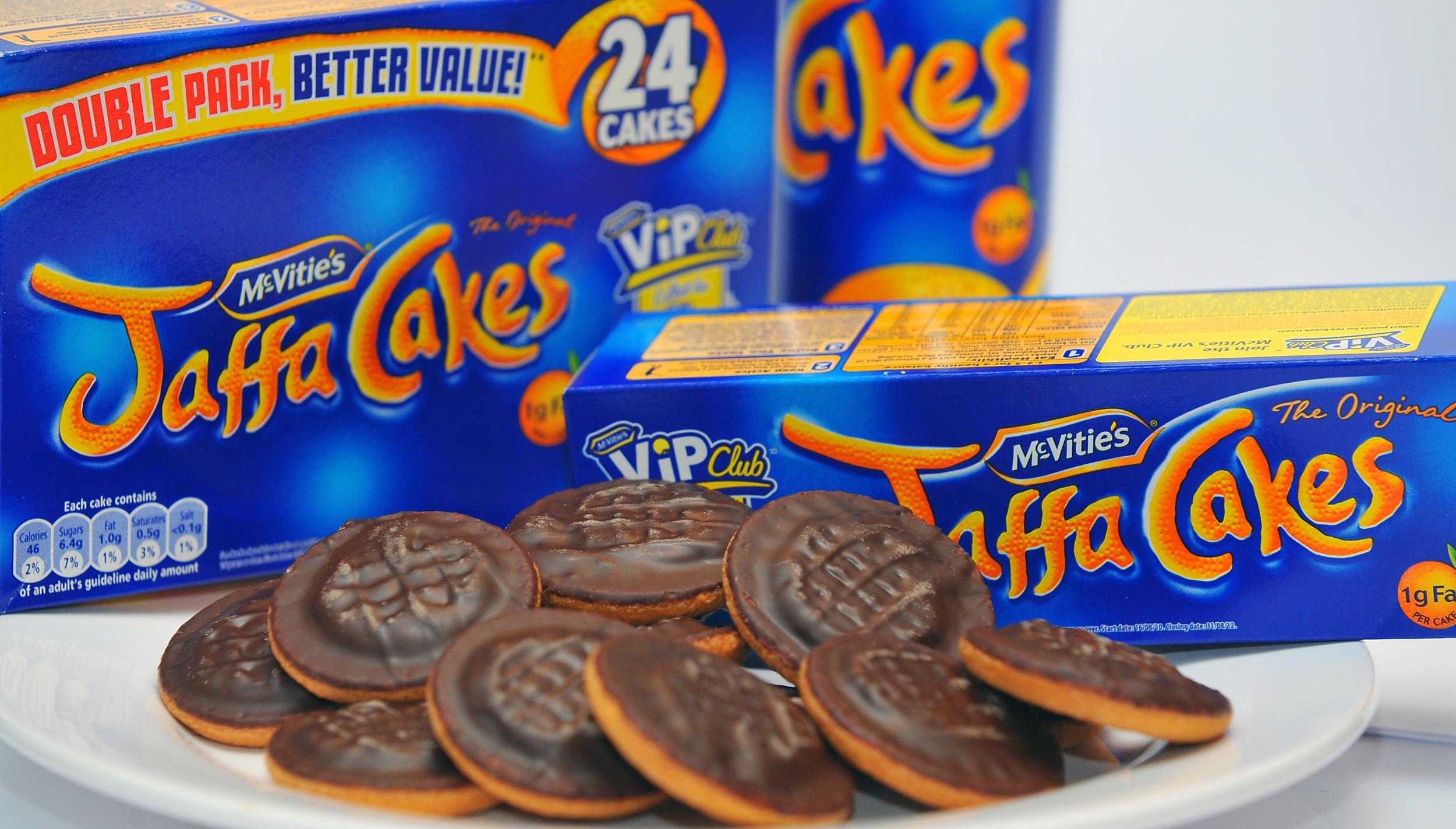
This logic – if we’re calling it that – isn’t new. It’s the latest chapter in a long and surreal saga of VAT disputes involving everyday British snacks. Take the 1991 case of McVitie’s Jaffa Cakes. HMRC insisted they were chocolate-covered biscuits (taxable). McVitie’s argued they were miniature cakes (not taxable), citing the crucial fact that cakes go hard when stale, while biscuits go soft. The court agreed. Sponge wins.
Then there was the 2012 “pasty tax” debacle, in which the Treasury attempted to impose VAT on hot takeaway food that wasn’t intended to be hot – like sausage rolls that happened to still be warm. Greggs and the Great British public revolted. David Cameron was forced into an awkward show of solidarity, declaring he liked a pasty from Leeds station. The U-turn was swift and total.
Even good old Mr Kipling hasn’t escaped scrutiny. HMRC once tried to argue that his individually wrapped mini cakes should be treated as confectionery, citing their sweet flavour and grab-and-go convenience. Their “snackability”, if you like. You know we’ve lost the plot when a civil servant is weighing up whether an angel slice is too handy to be cake.
Oh, it gets better. In 2019, a tax tribunal judge ate a raw chocolate brownie alongside Mr Kipling’s French Fancies and Tunnock’s teacakes in order to decide whether it was a cake (zero-rated) or a chocolate snack (taxable). Reader, it was deemed a cake. It’s the “is it cake?” meme elevated to a legal proceeding, and yet another example of how the fate of our snacks rests in the hands, and occasionally the mouths, of the judiciary.
There are countless other examples: iced buns, finger rolls, cream-filled pastries. Each one carefully categorised in the dusty annals of tax code, all in the name of drawing a line between “essential” nourishment and taxable indulgence. In practice, though, that line is blurry. And in an age of so-called food innovation – where slicing strawberries into a sandwich now counts as avant-garde – it’s only getting blurrier.
Which brings us back to the strawberries and cream sandwich. Is it a sandwich because it has bread? Or is it a dessert because the bread is sweet and the filling is creamy? Is it a treat or a meal? And perhaps more importantly: do we even care? The bigger question, surely, is who’s walking into M&S, seeing strawberries and cream between two slices of bread, and thinking: “Yes, that’ll do for my midday sustenance.”
Only the most cynical shopper is pondering VAT rates as they grab lunch, analysing the crumb structure of their snack to determine whether HMRC might be quietly taking a cut. But they are paying the price. If the sandwich is deemed confectionery, M&S will either have to absorb the 20 per cent hike or pass it on, meaning yet another item inching out of meal deal territory.
The bigger issue here isn’t just the sandwich. It’s the tendency of British bureaucracy to legislate the joy out of things. To pore over the finer details of a scone or a sausage roll in the name of tax revenue. It’s a system that treats a jam doughnut like a legal quandary and demands a tribunal over the icing on your bun.
And yet, there’s something sort of poetic about it. Food, in Britain, has always been more than sustenance. It’s social shorthand. It’s memory. It’s identity. And, occasionally, it’s a battlefield for semantic warfare. Cake or biscuit? Roll or bap? Sandwich or taxable offence?
As for the M&S strawberries and cream sando, we await HMRC’s next move with bated breath and a plastic fork. In the meantime, let’s all take a moment to appreciate the unique national pastime of overthinking a cream-filled sandwich – and remember that in Britain, the only certainty in life is death, taxes and food classification tribunals.
Join our commenting forum
Join thought-provoking conversations, follow other Independent readers and see their replies
Comments
Bookmark popover
Removed from bookmarks