The Independent's journalism is supported by our readers. When you purchase through links on our site, we may earn commission.
Gwyneth Paltrow is the original anti-science influencer – and her success has come at a cost
She’s the Hollywood icon who became a blueprint for a new kind of consumerism – and who gave the multitrillion-pound wellness industry a language and a face. Amy Odell, whose explosive new book ‘Gwyneth: The Biography’ is out now, reveals the inner workings of a character far more complex – and more powerful – than many would like to believe…


As told to Zoë Beaty
Who is Gwyneth Paltrow? That depends on who you ask. She is, of course, an Oscar-winning actress. A fashion icon. The daughter of Hollywood royalty. She’s a businesswoman and tastemaker. She’s captivating, complex, and unwittingly hilarious – but also polarising. To some, she’s a pioneer – to others, she’s a problem. Love her or hate her, Paltrow is the rare public figure who has had a real cultural impact.
It’s easy to underestimate Gwyneth. Or at least to reduce her to punchlines about jade eggs or bone broth. But the truth about her is far more complicated. Over the last few years, I’ve interviewed more than 220 people from her childhood, her acting career, and former and current employees of her lifestyle brand, Goop, about what makes her so compelling.
I learnt that Gwyneth isn’t just a celebrity, or just a brand, but a blueprint for a new kind of consumerism – one that blurred the lines between personal belief, public persona and profit-driven “wellness” ideology.
Gwyneth was the cool, ethereal blonde at the centre of late-Nineties Hollywood long before she became the high priestess of “clean” beauty and adaptogens. I remember watching her collect her Academy Award for Shakespeare in Love in that famous pink, custom Ralph Lauren dress back in 1999 when she was just 26 years old. Her relationships with the likes of Brad Pitt, Ben Affleck and Chris Martin were tabloid shorthand for elite romance.
She projected a kind of aspirational ease that was relentlessly copied, or at least attempts were made. All of it was – remains – iconic.


The perfect foundation, then, for her epic venture or, more accurately, leading role in wellness culture. Gwyneth didn’t actually invent it but in some ways, she may as well have done. She single-handedly helped shape the $6.3 trillion global wellness industry by giving it a language – encouraging to rid their bodies and environments of “toxins” through so-called clean living – and an aesthetic: serene, minimalist, neutral, luxurious and, crucially, expensive.

Goop began as a simple newsletter and website in 2008, at a time when social media was in its infancy and many actors were wary of setting up accounts. Gwyneth had been endorsing other brands like Estée Lauder. She was one of the first celebrities to see the power of using her image to build her own audience and brand online. Well before “affiliate marketing” became part of everyday lexicon, Goop forged a partnership with J Crew that was just that.
Gwyneth soon started sharing her wellness philosophy with Goop subscribers. Only, a lot of it wasn’t backed by science.
Take the infamous jade egg. The $66 stone was meant to be worn vaginally to “increase feminine energy,” Goop claimed. Doctors and medical experts refuted the claims. Eventually, Goop paid a $145,000 fine for misleading advertising.
The jade egg wasn’t a one-off. Goop promoted coffee enema kits by the brand “Implant O’Rama”. It published the musings of “healers” like Shaman Durek (Verett), who claimed in his book that doctors push chemotherapy in part for profit. Gwyneth lent her brand and endorsement to self-proclaimed health experts with no medical training, and in doing so, gave fringe ideas a mainstream spotlight. Immunologist and microbiologist Andrea Love told me: “Facts aren’t profitable. And they’re not sexy.”
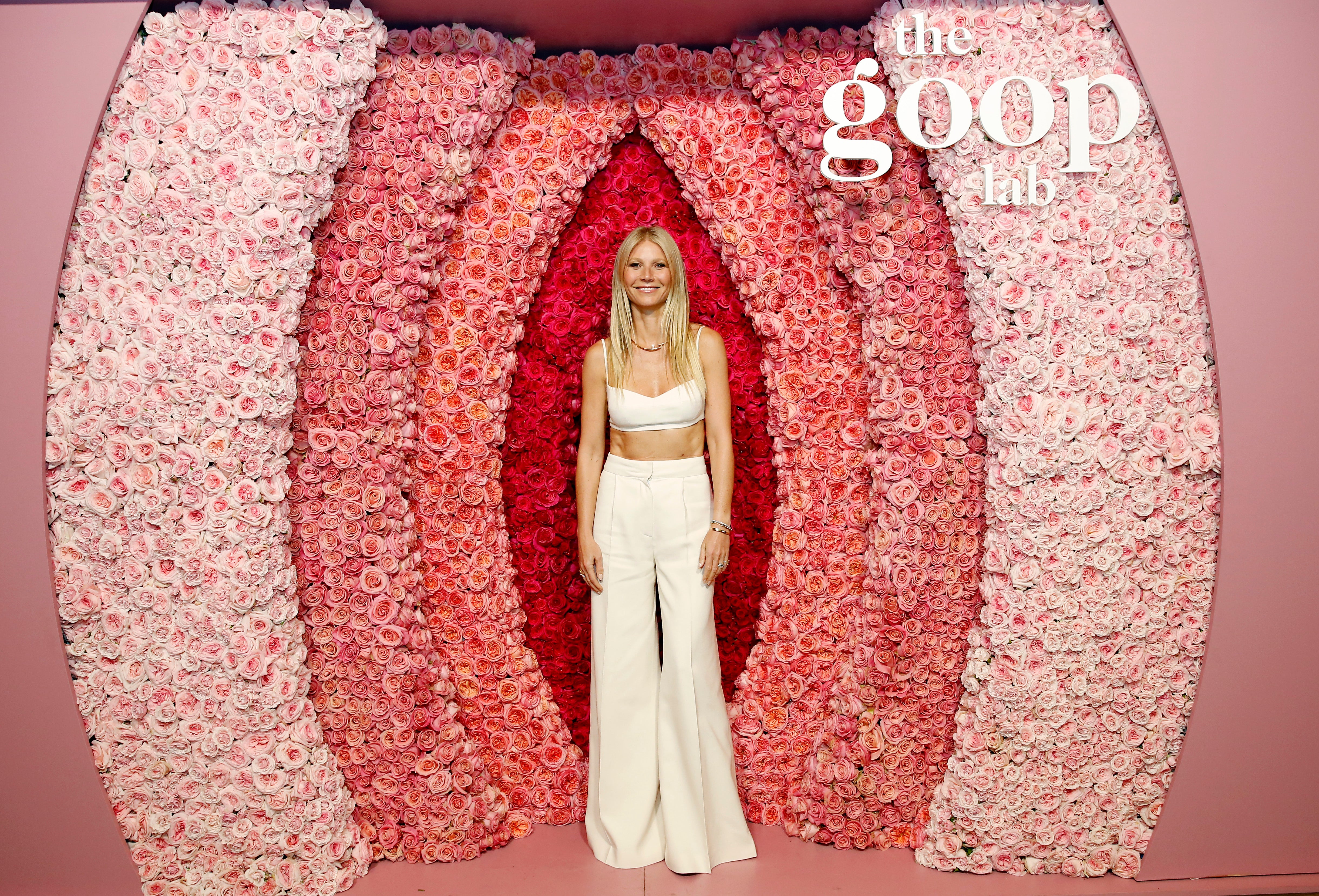
It’s not hard to see how this fed into the wider crisis of health misinformation. Goop didn’t just suggest what moisturiser to buy. It helped fuel a distrust of science and Western medicine. The healthcare system is hardly perfect, but experts caution that we won’t fix it with pseudoscience.
That isn’t to say Gwyneth set out to harm. I don’t believe she did. By every account, she’s intelligent, charismatic, and incredibly driven. She learns fast. She absorbs information quickly. I loved hearing from sources about how her acting experience helped her create Goop – her ability to charm, to know what to say to potential investors and deliver it perfectly, like reciting lines from a script.
It was also fascinating to hear about her everyday demeanour, which, I’m told, can be pretty icy and cold. She’s impatient, and she hates time being wasted – one person told me that if she gives a directive on email, and they reply with “Thanks!”, or “On it!”, she’ll tell them it’s a waste of time to send emails like that.
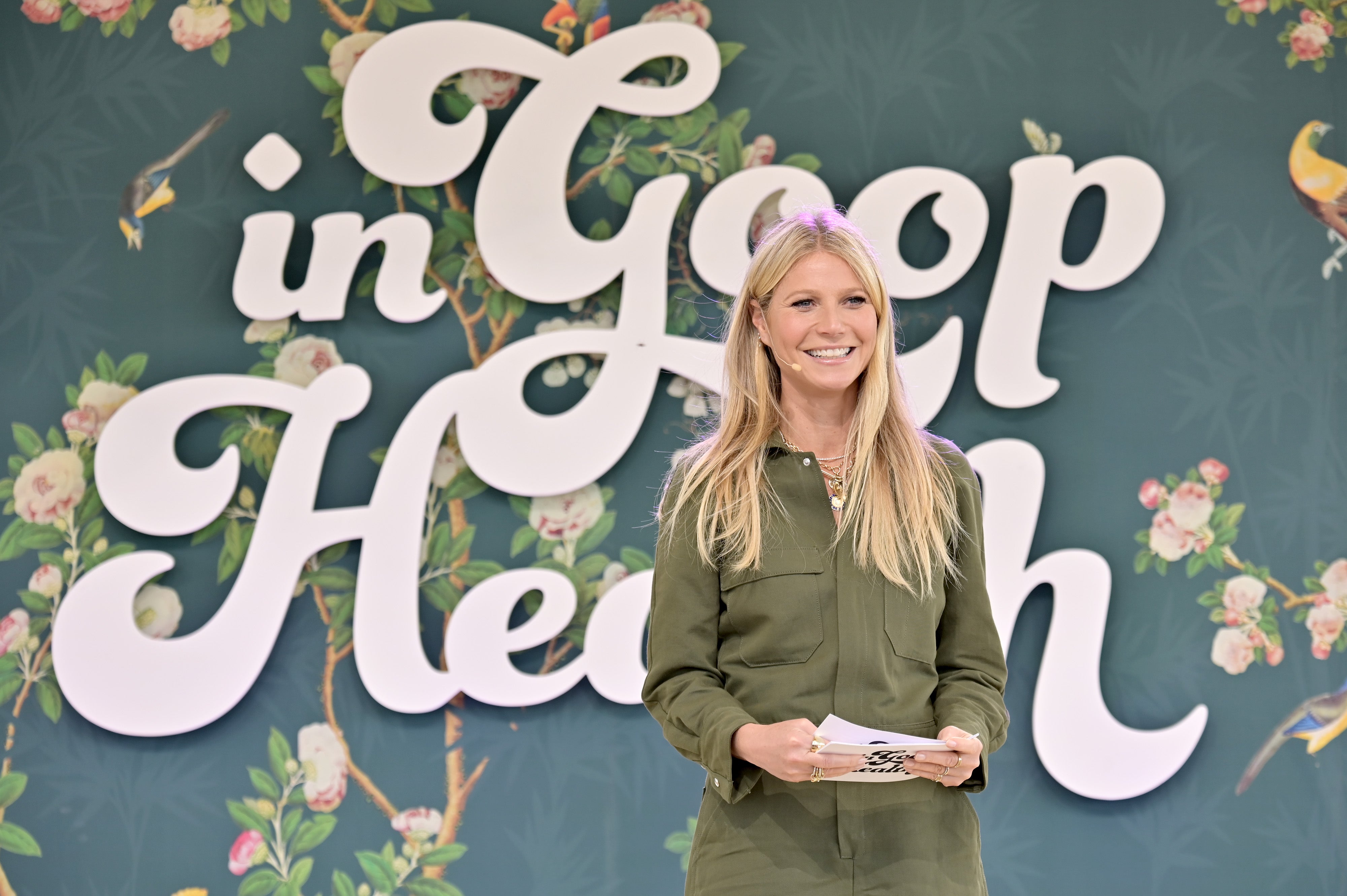
Gwyneth never pretends to be someone that she’s not. There is something truly authentic about her. She got a lot of flak for promoting expensive things in Goop. Though Vogue was doing the same, it never faced the same backlash. “I can’t pretend to make $25,000 a year”, Gwyneth said.
Her comments seem to trigger people most when she tries to understand the average person. As I write in the book, she has been part of the milieu of stars and tastemakers and cultural influencers her whole life. She attended the Spence School in New York City, which is a very prestigious Upper East Side private school. She had a foothold in New York society before she became famous – she certainly doesn’t have a rags-to-riches story.

After filming Shallow Hal, for which she wore a fat suit to make her look around three times her size, she said that “every pretty girl should be forced to do that,” trying to make the point that it gave her valuable perspective on the realities of living in a different body. She also once commented that working movie stars like herself had it harder than those with nine-to-five jobs, which was poorly received. These statements strike me less as malicious than her not knowing but speaking anyway.
Experts told me again and again that the wellness industry – which is now much bigger than Big Pharma – profits off fear and unproven solutions. Goop has served as a template for how to gorgeously package wellness.
In the end, Gwyneth may be remembered not for Shakespeare in Love or Iron Man, but for being the original influencer who showed the world how much people will spend to feel well, no matter what science tells us. She showed how profitable and desirable wellness can be. But the question we should keep asking is – at what cost?
‘Gwyneth: The Biography’ by Amy Odell is out now (Atlantic Books, £20)
Join our commenting forum
Join thought-provoking conversations, follow other Independent readers and see their replies
Comments
Bookmark popover
Removed from bookmarks