The Independent's journalism is supported by our readers. When you purchase through links on our site, we may earn commission.
Is Amazfit’s $99 subscription-free tracker a challenger to Whoop’s $200 a year band? I found out
The budget alternative collects lots of the same data, without requiring a subscription
When Whoop came on the market in 2015, it ushered in a new era of fitness tracking. Rather than showing you what’s going on during your workouts, the screenless device tells you how prepared your body is to work out — or not. It does this by measuring the degree to which your various activities (whether at the gym, a board meeting, or a bar) cause stress on your body and how well you sleep. It then analyzes biomarkers, such as heart rate variability (HRV), to determine how your body is handling all that stress. The idea is that by following its daily suggestions, you can maximize your fitness without overdoing it and risking injury.
Originally designed for pro athletes, a Whoop band has become a common sight on the wrists of everyday gym-goers. But it’s not cheap. Access to your data requires an annual membership, which costs anywhere from $149 to $359 per year.
Earlier this year, however, Amazfit, known for its budget-friendly fitness trackers, debuted the helio strap, which costs just $99 with no subscription required. (You can upgrade to a $69.99 subscription for more premium insights, but it’s not necessary to get the bulk of your info.)
The helio strap is clearly modeled after Whoop, tracking similar data from a similar screenless band. But is it actually as good? I tested both at the same time to find out.
Read more: Best sleep trackers, tried and tested by a coach
How I tested
As a certified running coach and a health and fitness writer who regularly covers fitness trackers, I’ve tested both Whoop (various models over the years) and the Amazfit helio strap multiple times. For this review, I have directly compared the two, wearing both on either wrist 24/7, while sleeping, working out, and even showering to test their water resistance. I tested a Whoop MG with a life membership, which is the brand’s most comprehensive option, worth $359 per year. Lower-priced memberships offer less robust health data, but the sleep, strain, and recovery insights are the same. I also wore an Oura ring at the same time, giving me another input to compare the metrics against when they disagreed.
I checked both apps every morning when I woke up, after workouts, and at least once more before bed, taking note of the numbers captured and any discrepancies between the two. I explored every section in each app, considering how user-friendly it was to navigate, how helpful the statistics and their presentation were, and whether the insights made a meaningful impact on my activities or sleep. I also considered whether the device itself was something I’d actually want to wear long-term.
Read more: Whoop 5.0 promises to help you age backwards — so I put it to the test
Whoop MG vs Amazfit helio strap: Design
Both the Whoop and the Amazfit helio strap are screenless trackers generally designed to be worn on the wrist (although either can also be worn as an armband). But the Whoop can also be placed in compatible underwear, T-shirts, or shorts.
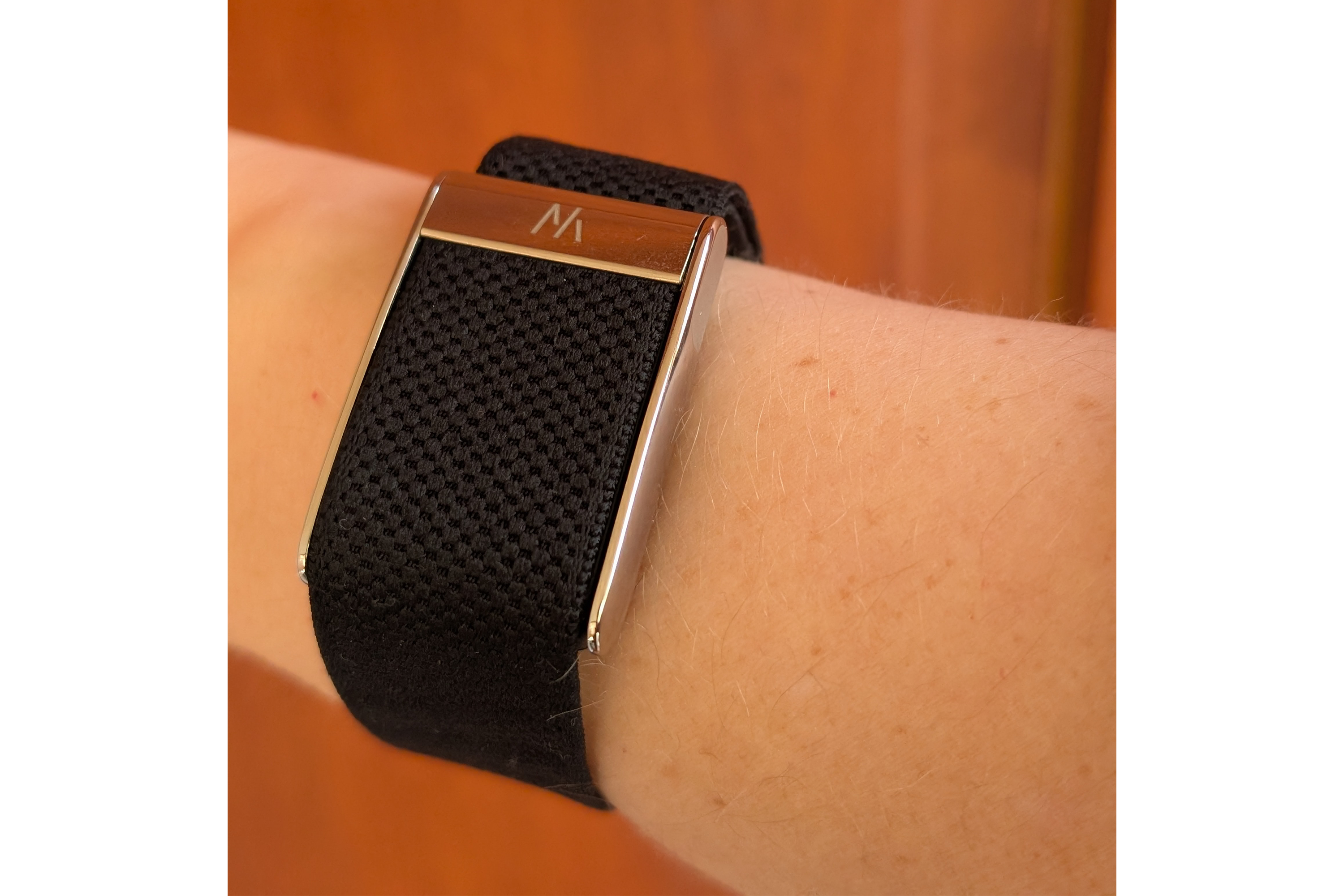
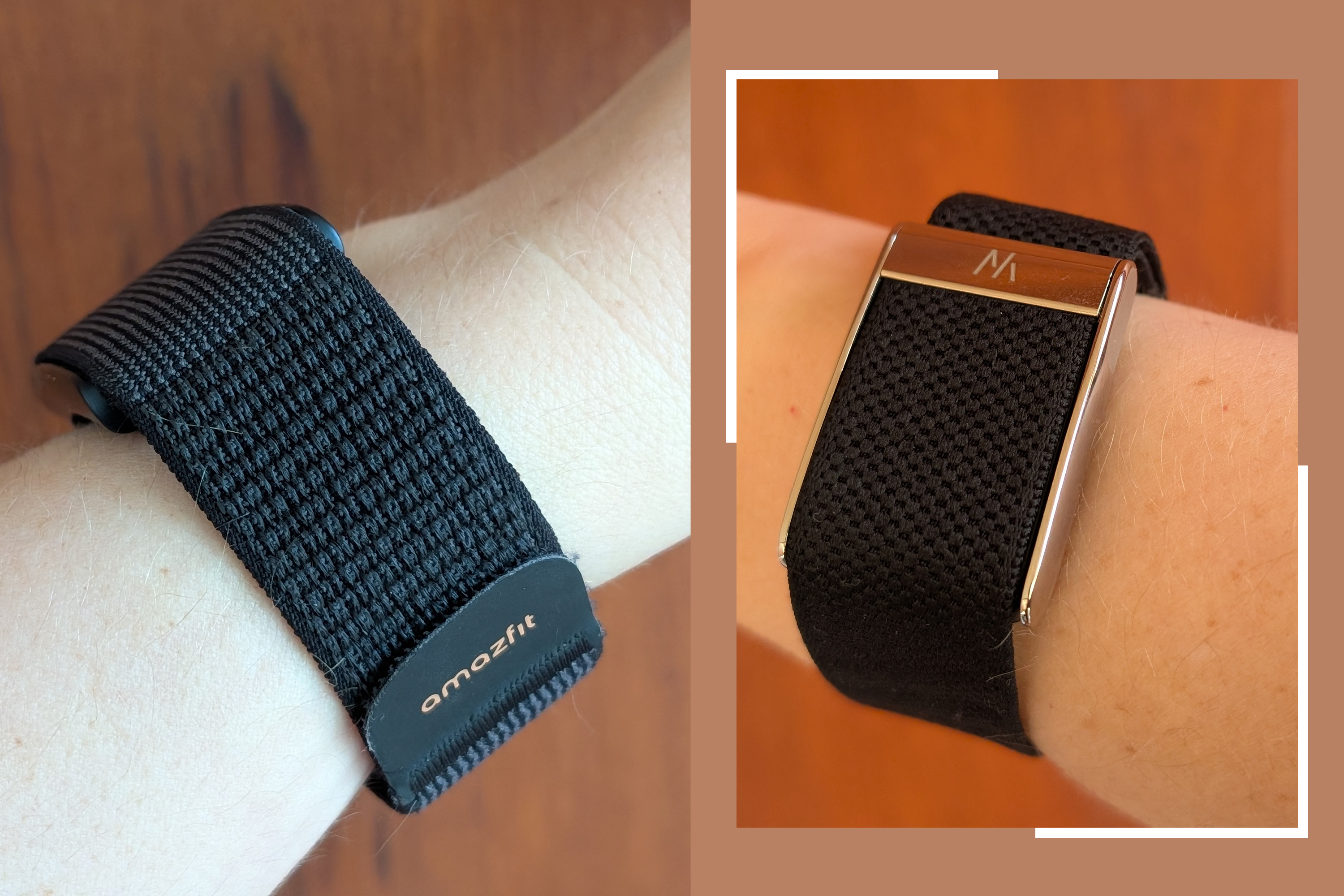
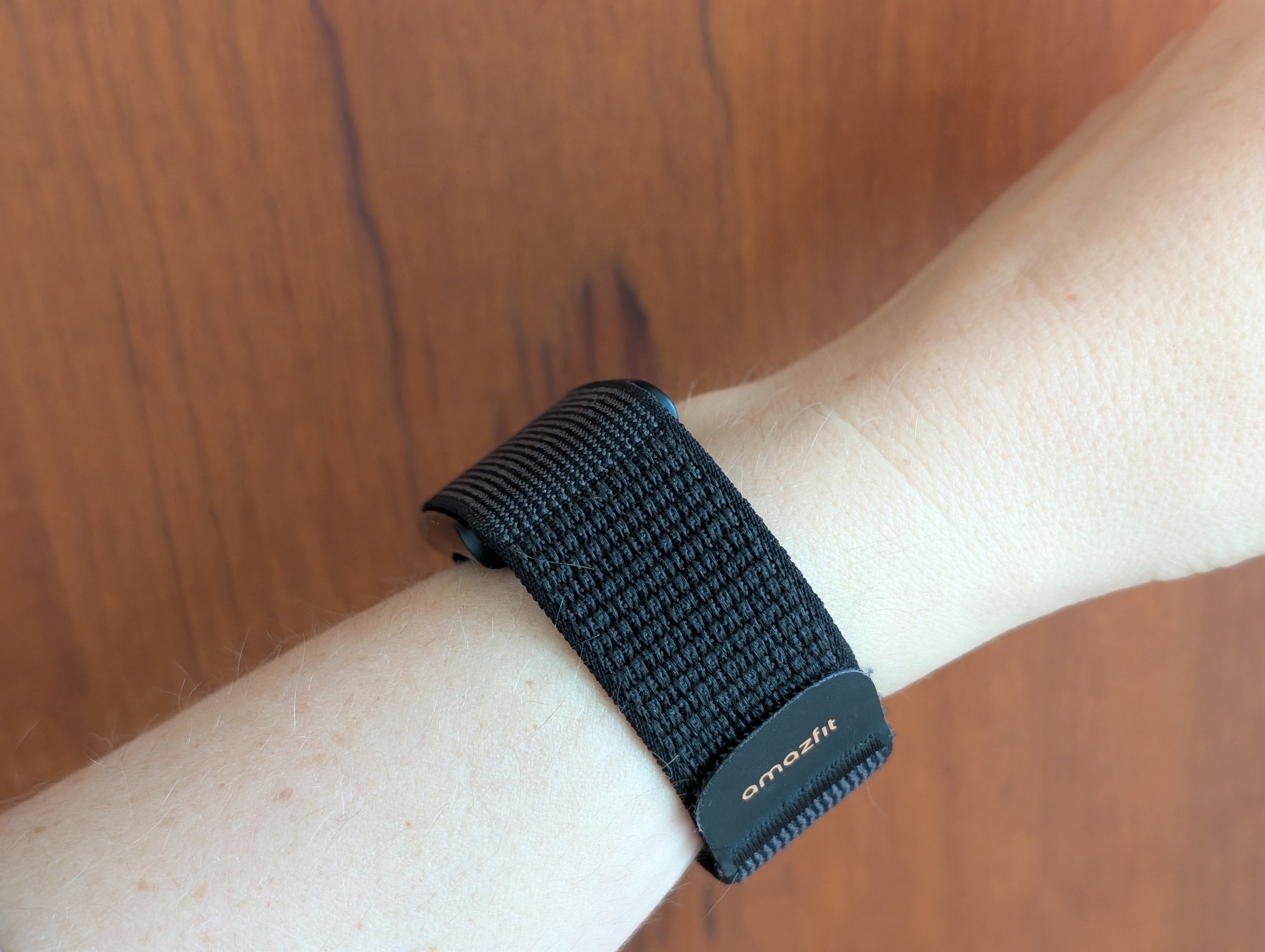
At first glance, both trackers look pretty similar. There is, however, a clear difference in quality. The Whoop is slim and so comfortable that I rarely notice it on my wrist. In contrast, the helio strap connects with velcro (which has caught on my clothes a few times) and is made with plastic that squeaks when I move my wrist around. But they are very similar in size.
Whoop MG vs Amazfit helio strap: Data insights
These screenless wearables aren’t just accessories; the important part is the data. Both track the same three metrics: sleep, activity, and “recovery” (Whoop) or “biocharge” (helio strap), and provide you with a lot of stats, broken down into multiple charts and graphs to help you easily visualize patterns over time.
Within the three core data categories, Whoop measures a few extra metrics that I found helpful (and actually missed when using the helio strap). For instance, it tracks your sleep debt over time. It also breaks down how many weekly minutes you’ve spent in high vs low heart rate zones, as well as how much strength training you’ve done. A Whoop life membership also gives you access to additional health information, such as blood oxygen saturation, ECG reports, and even blood pressure insights. (Those who spring for Whoop advanced labs, which costs $349 per year, also get access to blood testing.)
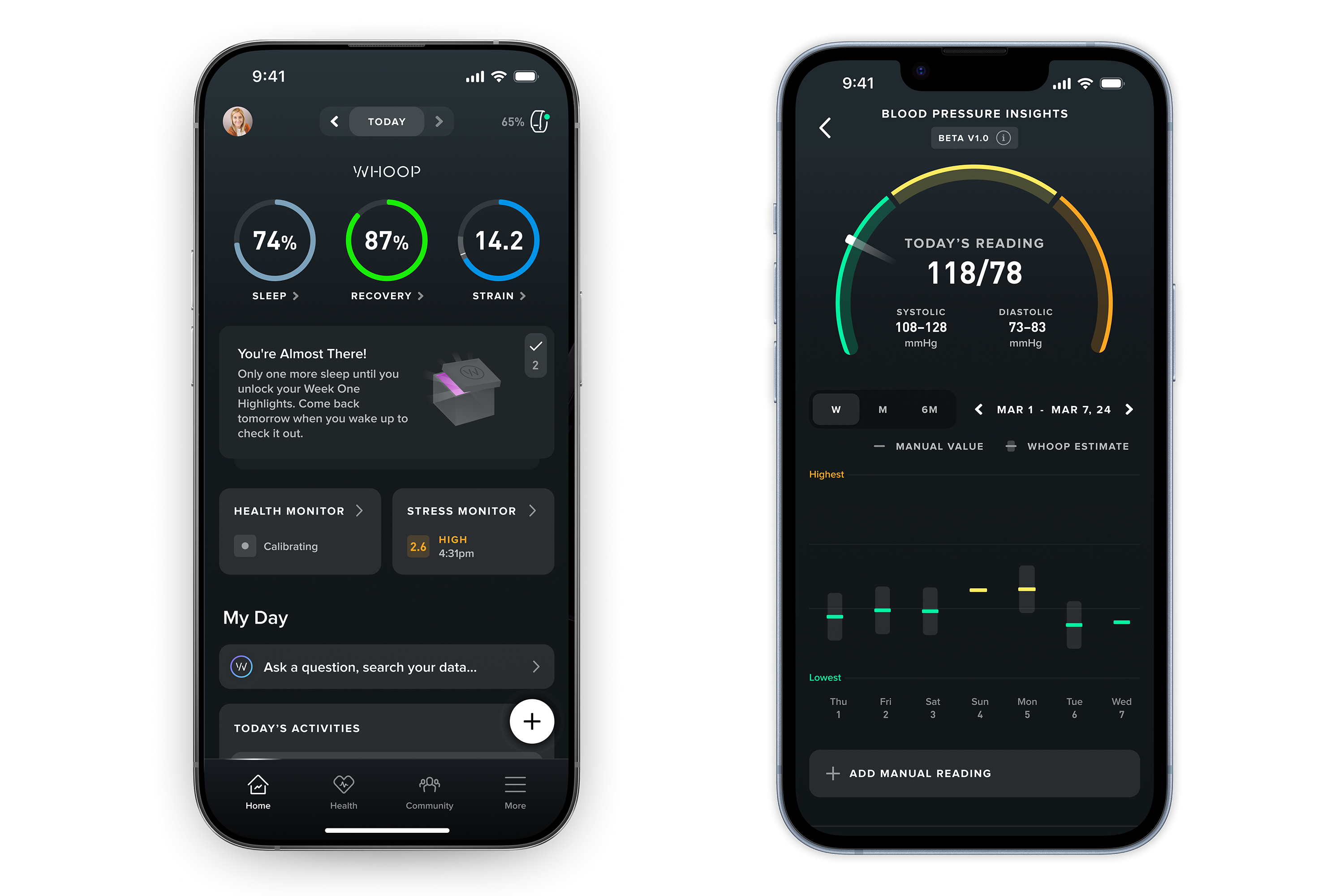
That said, where the helio strap excels on the Whoop is that it updates your biocharge score throughout the day, giving you credit for naps or showing how workouts drain your “battery.” Whoop, on the other hand, provides you with just one recovery score for the day based on overnight data.
Of course, though, all these metrics are only worthwhile if you can trust them. Whoop has a pretty good reputation for accuracy. One independent study by the Australian Institute of Sport in 2022 on a previous iteration of Whoop (the 3.0) found its heart rate and HRV measurements 99 percent accurate — the highest of all trackers tested at the time. Meanwhile, it was 86 percent accurate in detecting whether people were awake or asleep, though just 60 percent accurate at detecting particular sleep stages (yet even the best in this study only got it right 65 percent of the time). Since then, Whoop says internal testing has shown improved sleep stage detection by seven percent and sleep/wake classification by three percent.
Amazfit’s helio strap hasn’t been around long enough for any research studies to back it. I found it consistently shows my heart rate and HRV within a few points of my Whoop — maybe not perfect, but close and consistent enough to offer insights on patterns over time. When it comes to sleep, though, it often provided me a good deal more credit than Whoop or my Oura ring, sometimes by a full hour. Another area that was definitely suspicious was the step count, which was sometimes two or three thousand steps lower than the other two trackers.
Another area the helio strap could improve on is auto-detecting workouts, something the Whoop mostly does — I found that I had to manually enter them on Amazfit’s app, which is a pain. Other times, it doesn’t think I’ve finished my workout until after I’ve cooled down, walked home, showered, eaten, and sat on the couch, resulting in incorrect stats, with most of the time spent in a low heart rate zone.
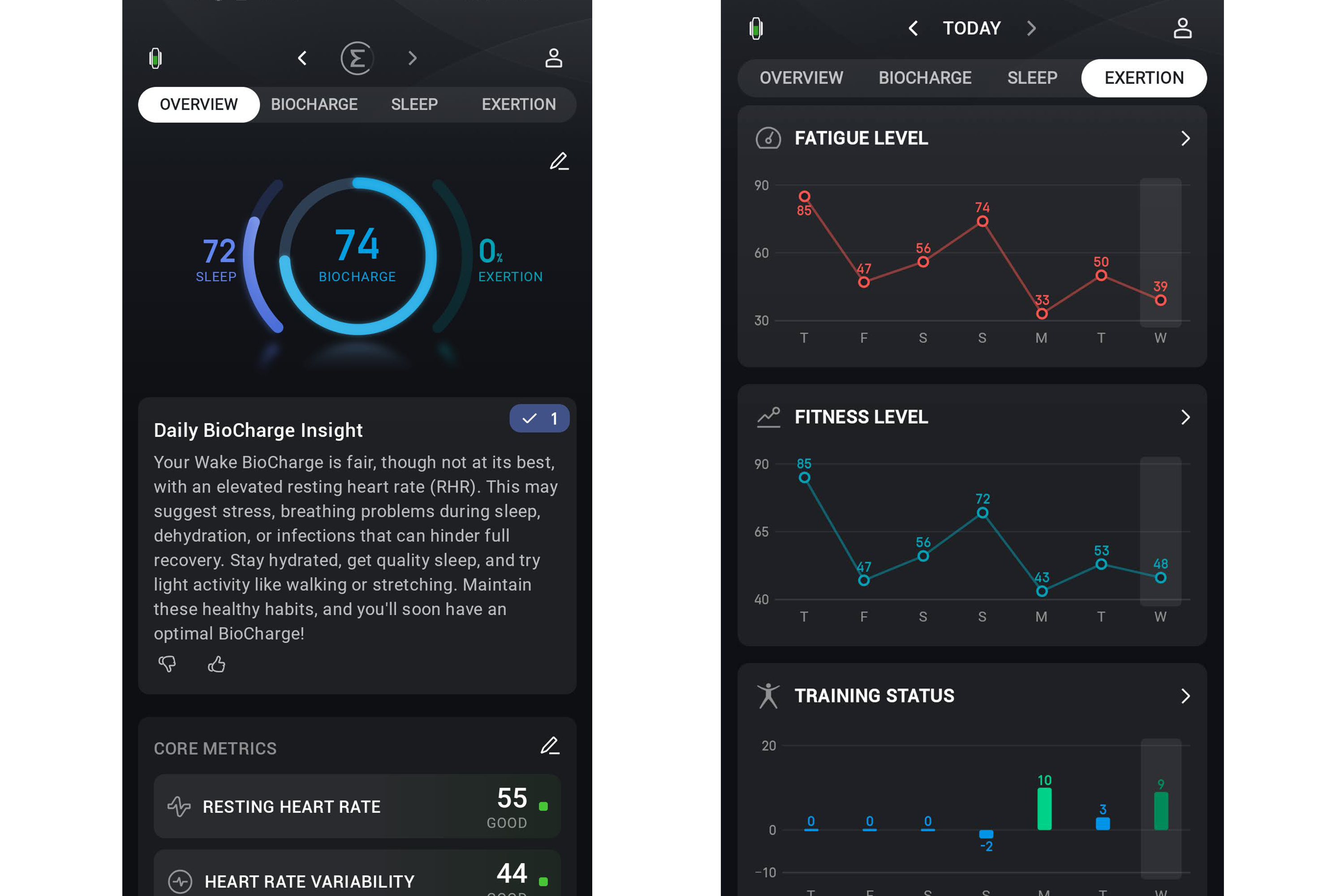
Both apps provide you with lots of data points. I did find that the way Amazfit added everything up and the takeaways it offered were a bit confusing. For instance, more than once, it told me I was in my “best state,” so I should challenge myself, but then the daily workout suggestion was a 21-minute low-intensity workout, which doesn’t add up.
In general, I get a lot more out of Whoop. The language is clear, and almost every metric comes with additional context that you can open up to see exactly what it means, how it’s calculated, and what might cause a high or low score. It’s easy to understand what you’re seeing and get useful suggestions to improve fitness. In contrast, with the helio strap, the user has to interpret what all the numbers mean. But if you’re not someone who needs much hand-holding when it comes to this kind of data, you do get most of the same insights for a much cheaper price over time.
Read more: Oura ring 4 review: The smart ring has taken my health and wellbeing to new heights
Whoop MG vs Amazfit helio strap: What is the best screenless fitness tracker?
If you’re just looking for bare bones data on your sleep, workouts, and recovery, the Amazfit helio strap is a reliable way to get the job done for just a one-time fee of $99. But if you have room in your budget for a yearly subscription, Whoop goes a few steps further in putting your stats into a helpful context, and it gives you even more health insights, particularly with the top-end Whoop Life membership. Its accuracy is also backed by independent, third-party testing, so you know you can trust the numbers you’re seeing.
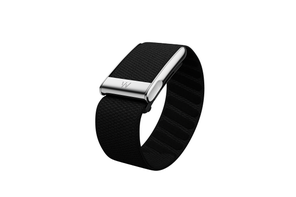
Whoop MG
The Whoop is a reliable wearable that can track almost anything you ask it to. It provides you with loads of health and fitness stats, which are easy to analyze and understand. It’s also comfortable to wear for long periods of time, which is crucial for collecting the data. The downside, however, is that it requires an annual membership, which costs anywhere from $149 to $359 per year.
What to know
- Dimensions: 33.97mm x 24.3mm x 10.59mm
- Weight: 20g
- Battery life: Up to 10 days
- Subscription required: No, but more in-depth analysis is available for $69.99 per year
- Water resistance: Up to 50 meters
Why we love it
- User-friendly app
- Loads of health and fitness stats
- Reliable data (mostly)
- Can be worn in multiple places
- Comfortable, elegant strap
- Portable charger
Take note
- Requires an annual membership
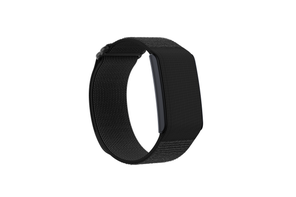
Amazfit helio strap
While the data the helio strap provides can be a little confusing to analyze, if you’re just looking for bare bones data on your sleep, workouts, and recovery, the Amazfit helio strap is a reliable way to get the job done for just a one-time fee of $99. It provides you with a biocharge score updated throughout the day, and it comes with 50 sport modes, including Hyrox.
What to know
- Dimensions: 33.97mm x 24.3mm x 10.59mm
- Weight: 20g
- Battery life: Up to 10 days
- Subscription required: No, but more in-depth analysis is available for $69.99 per year
- Water resistance: Up to 50 meters
Why we love it
- Under $100
- No ongoing membership fee
- Comes with 50 sport modes, including Hyrox
- Biocharge score updated throughout the day
- Loads of health and fitness stats
Take note
- Strap made with velcro and plastic
- AI recommendations can be confusing
- Not the most user-friendly app
- Doesn’t always auto-detect workouts
How I tested Amazfit’s helio strap and the Whoop MG
I wore the Amazfit helio strap and Whoop MG simultaneously for two weeks (after previous experiences using both trackers separately). During testing, I considered the following criteria:
- Health and fitness insights: I assessed all the data each device provided, including sleep stats, steps, heart rate variability, and more. I compared the numbers on each app and checked them against input from an Oura ring to look for any discrepancies.
- Usability: I noted how easy it was to navigate the app and make sense of the data provided — including how the AI suggestions translated into actionable changes I could make to optimize my sleep or activity habits.
- Comfort: I considered what the device felt like on my wrist.
- Battery life: I took note of how long the battery lasted and how long it took to recharge.
Why you can trust IndyBest U.S. reviews
Jennifer Heimlich has more than a decade of experience as a journalist within the wellness industry — and has written everything from the best fitness trackers to shoes for standing all day for IndyBest. But above all, she is a reliable and knowledgeable voice when it comes to fitness gear recommendations. When not writing, she’s a UESCA-certified running coach and hosts running tours, and has personally completed multiple ultramarathons and more than a dozen marathons, making her the perfect fit to review the Amazfit Helio Strap and Whoop.
Want to compare these straps to more? These are the best fitness trackers, tested by a running coach
Bookmark popover
Removed from bookmarks