Doctor reveals why cold weather affects your body – and how to stay healthy
How to keep your body healthy throughout the winter months – according to a GP
As a cold snap brings plummeting temperatures, a leading medical expert has detailed the profound effects chilly weather can have on various parts of the body.
Dr Claire Agathou, a co-founding GP at The Wellington Hospital's A–Z General Practice, part of HCA Healthcare UK, has outlined five critical ways the cold can intensify its impact.
She also provided essential practical advice to help individuals remain warm and healthy throughout the winter months.
1. Immune system
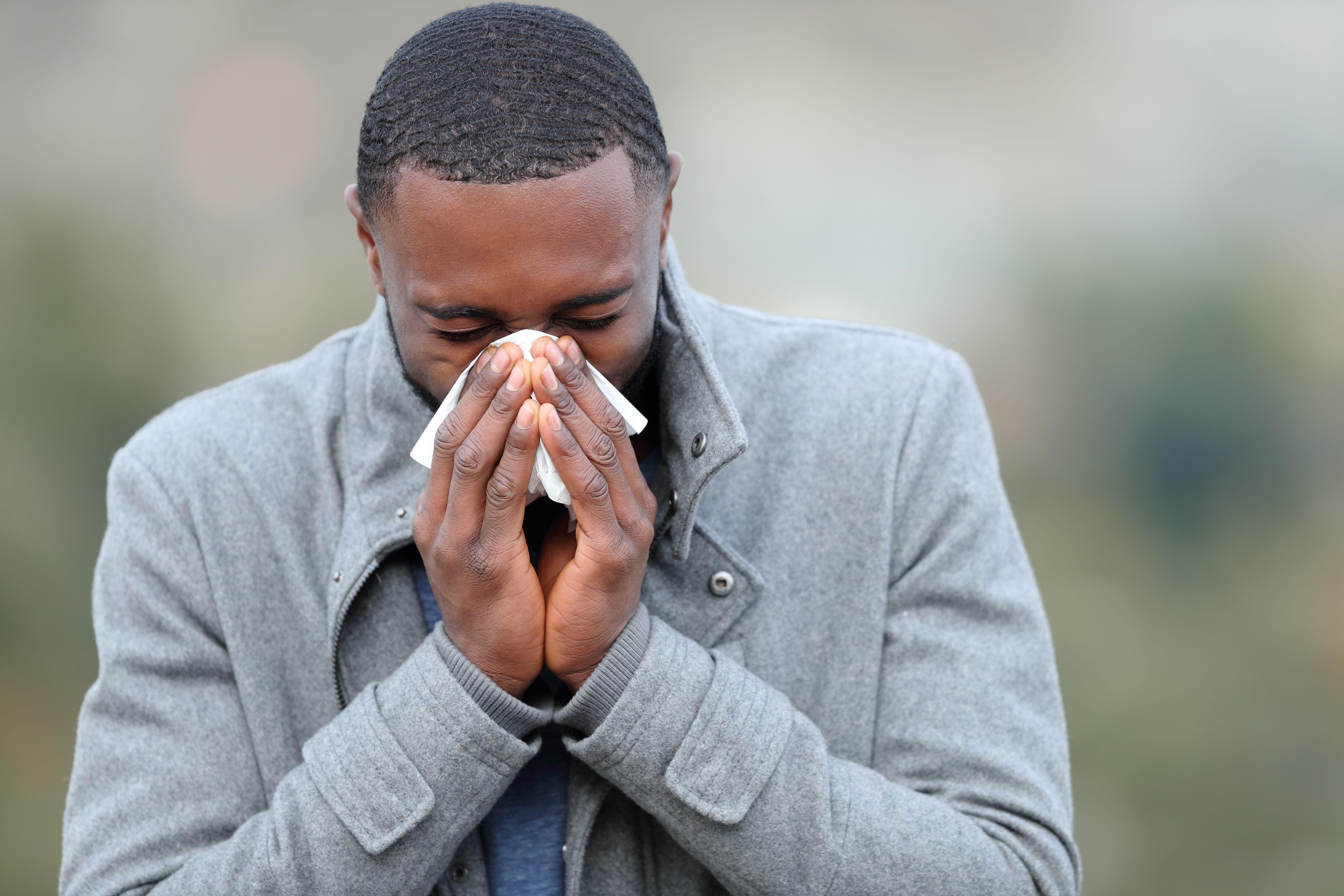
Cold weather creates the perfect environment for viruses to thrive.
“Viruses can survive and circulate more easily in the cold, dry air and we also spend more time indoors which increases close contact and transmission,” explains Agathou. “Cold air can also reduce the nose’s local defences by slowing down mucus and the tiny hairs called cilia that track viruses.
“In addition, sudden drops in temperature can also increase stress hormones, which can temporarily reduce a person’s immunity. So, with that overall effect, there tends to be more coughs, flu, and respiratory infections in the winter.”
2. Cardiovascular system
“Cold weather causes something called vasoconstriction, which is when the blood vessels narrow, especially in the hands, feet and skin,” explains Agathou. “That can increase blood pressure and can increase heart rate and how hard it has to work.”
People with a history of heart attacks, hypertension, heart disease, diabetes, plus smokers are particularly vulnerable to these effects, she adds.
3. Respiratory system
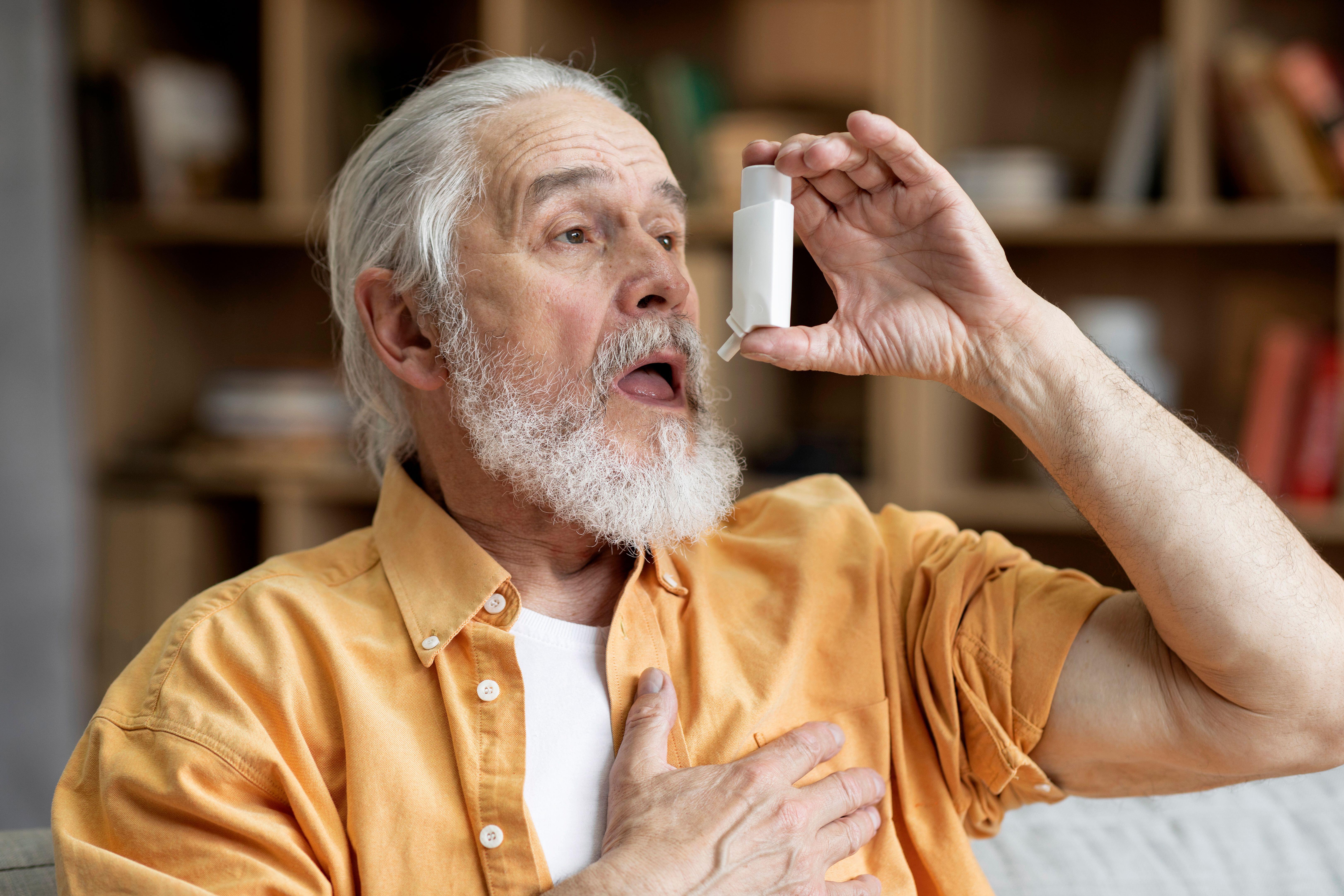
“Cold, dry air can irritate the airways and trigger bronchospasm which is the sudden tightening of the airway muscles. This can make the chest feel tight and lead to breathlessness or coughing fits, particularly when you move quickly from a warm environment into the cold,” says Agathou.
People with pre-existing lung conditions such as asthma or chronic obstructive pulmonary disease (COPD) are particularly vulnerable because cold weather can significantly worsen their symptoms, adds the GP.
“Their airways are already more inflamed and narrower at baseline, so exposure to cold air can trigger what we call airway hyper-reactivity. This means they’re much more likely to experience a wheeze, cough or breathlessness during colder months,” she explains.
4. Skin

“Winter conditions are a classic trigger of eczema,” says Agathou. “The cold air is dry, indoor heating is dry and, with that combination, you get this reduced skin barrier function, more water loss and you get irritated patches of inflamed skin.
“Even people who don’t have severe eczema can get flare-ups of very dry skin, itchiness and inflamed patches.”
Cold temperatures are also a common trigger for Raynaud’s flare-ups.
“Raynaud’s a condition where the small blood vessels in the fingers and toes overreact to cold temperatures and causes the vessels to temporarily narrow,” explains the GP. “This can lead to colour changes where people can sometimes see their hands going from white, to blue to red. Then as the blood flow returns, some people can experience a really bad throbbing and pins and needles.”
5. Joint pain and stiffness

“One of the reasons is because blood flow is reduced to the muscles and the soft tissue in the cold, we can generally get more stiff,” says Agathou.”People also tend to be less active in winter and inactive days can increase joint pain, especially in arthritis.
“A lot of people with conditions such as osteoarthritis, rheumatoid arthritis or chronic pain conditions, commonly report worsening symptoms in the winter.
“In addition, we also know that cold make nerve endings much more sensitive, which can amplify pain signals.”
Top tips for staying warm and healthy this winter
Wrap up warm
“It’s really important to keep warm and layer properly,” says Agathou. “Multiple thin layers trap heat better than thick ones.”
Make sure to keep your head and hands covered.
“Remember to protect your hands and your head as we do lose lots of heat out of our heads and peripheries,” says Agathou.
Bring medication with you
“If you’ve got a respiratory condition, don’t go out anywhere without your prescribed inhalers,” advises Agathou.
Stay hydrated
“Many people don’t think they need to drink as much in the cold months but it is really important to stay hydrated,” says Agathou. “Fluids support immunity and energy.”
Eat well
“Eating well is key,” says Agathou. “Take the time to ensure that you are getting good nutrition, such as warm meals and good amounts of protein and vitamin D.”
Stay active
“Movement is important for circulation, immunity and joint stiffness,” says Agathou. “However, if you do have respiratory conditions, be very cautious about exercising outdoors in the extreme cold and very dry air, as it could worse your symptoms.”
Keep your home warm
“Try to keep your house warm and at least 18 degrees Celsius, especially if you are elderly,” says Agathou.
Check if you are eligible for vaccinations
“Check with your GP to see if you are eligible for the flu and Covid boosters, especially if you are in a vulnerable group who is more at risk,” says Agathou.
Join our commenting forum
Join thought-provoking conversations, follow other Independent readers and see their replies
Comments
Bookmark popover
Removed from bookmarks