How to ease back into exercise as a new mum
Whether you’re looking to rebuild strength or boost your mood, easing back into exercise after childbirth doesn’t have to be a daunting task

Researchers are advising new mothers to get back into exercise within the first 12 weeks of giving birth, as it has been shown to improve mental health and sleep.
After reviewing 574 previous studies, experts from the Canadian Society for Exercise Physiology have recommended that new mothers aim for at least 120 minutes of exercise per week, spread across four or more days.
The guidelines, published in the British Journal of Sports Medicine, also strongly advise daily pelvic floor muscle training to help prevent urinary incontinence.
However, amidst sleepless nights, feedings, and the whirlwind of new responsibilities, the thought of getting back into exercise can feel overwhelming.
We spoke with some experts who have outlined some gentle and realistic ways to reintegrate fitness into your life, to help nurture your body and mind as you embark on this new chapter of motherhood.
 Are ice baths actually good for women? Experts explain the effects
 The belly fat myth and the common fitness mistake that we are all making
 This one-move workout from Anne Hathaway’s trainer builds core stability in just three minutes
 How to strengthen your abs after pregnancy with gentle core exercises
How soon after childbirth can women begin exercising?
The NHS website states that if you had a straightforward birth, you can start gentle exercise as soon as you feel up to it – which could include walking, gentle stretches, pelvic floor and tummy exercises.
However, it also adds that it’s a good idea to wait until after your six-week postnatal check before you start any high-impact exercise, such as aerobics or running.
“Start slow with gentle, low-impact movements and focus on core and pelvic floor recovery/rehabilitation initially before high-impact activities or with weights,” recommends Sarah Campus, personal trainer and founder of LDN MUMS FITNESS.

What types of exercises are most beneficial for postnatal recovery?
“The most beneficial postpartum exercises include pelvic floor exercises (kegels) that strengthen core stability, and core activation exercises (such as deep breathing, pelvic tilts) that restore abdominal function,” says Campus. “Bodyweight exercises (such as squats, glute bridges and modified push-ups) are also good to build strength safely.”
Resistance band work (for rows, clamshells, gentle deadlifts etc) can also be beneficial to support posture and muscle recovery.
“Resistance training is helpful for postpartum recovery when started gradually,” says Campus. “Start light, focus on form, and progress gradually.
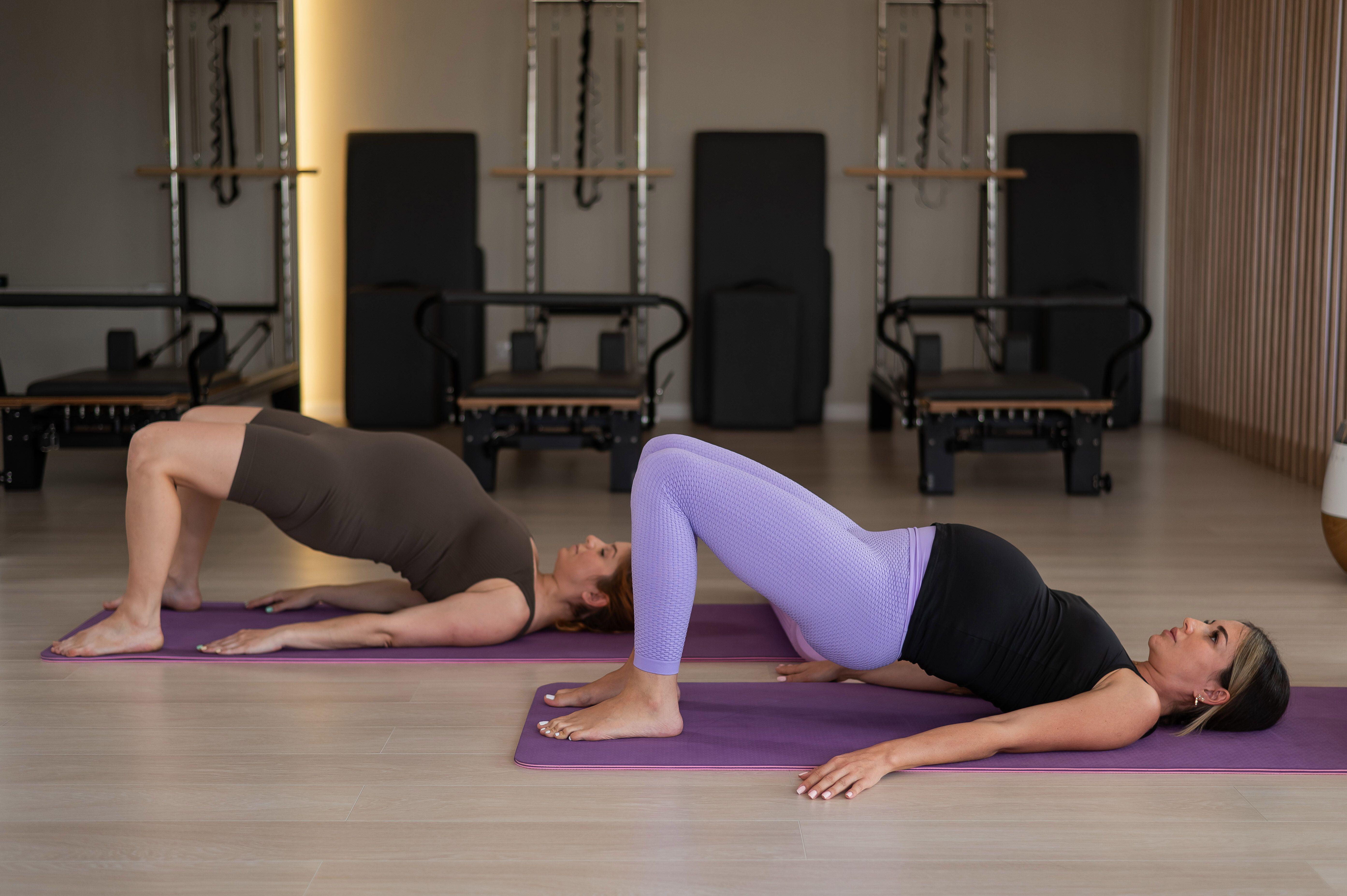
“It helps strengthens core and pelvic floor, improves posture after pregnancy-related changes, boosts metabolism, helps with postpartum weight management, reduces injury risk by rebuilding muscle strength and enhances mental wellbeing.”
What are some cardio exercises that new mothers can try?
“I recommend walking and low-impact cardio exercises that improve endurance without strain,” advises Campus. “For example, try some low-impact cycling, swimming, low-impact dance or aerobics.
“As always start slow, listen to your body, and gradually increase intensity. Remember it took nine months to grow a baby – there is no rush. Enjoy the newborn bubble.”
How can new mums balance exercise with caring for a newborn?
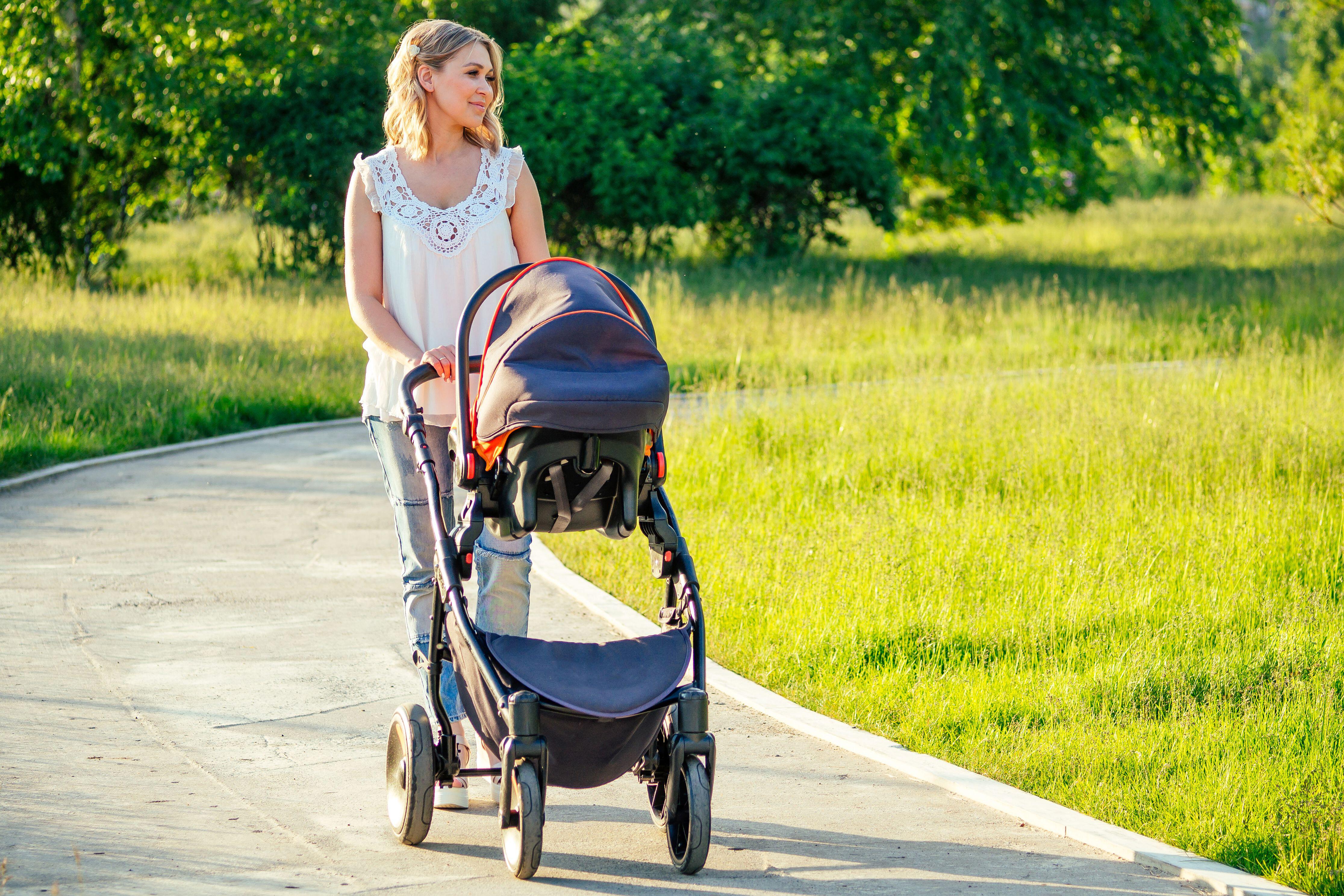
“Consistency over perfection is key here, and new mums can balance exercise by doing short workouts (10-20 min) for efficiency or use nap time for quick workouts,” suggests Campus. “You can also try exercising with the baby, for example, pram walks and baby-wearing workouts such as squats and lunges.”
There are also many postnatal baby classes designed specifically for new mums.
“Carrifit and Buggyfit are really useful classes, where you bring your baby along and are taught by trained postpartum professionals who can help you gradually regain strength,” says Camilla Stewart, managing director for The Bump Class.
How can a new mum prevent injury?
“The most important thing is to get advice based on your body, your fitness level and your birth from a trained professional,” says Stewart. “Women’s health physios are amazing for this, and we strongly encourage each woman to go and get checked around six weeks, before they start doing anything more than a brisk walk.
“We often find mothers have done things like given themselves prolapses by going too hard too soon, so it really is important to build up gradually.”

What mental health benefits can regular exercise offer?
“Regular exercise is hugely beneficial to new mums during the postpartum period, helping to manage stress, improve mood and support your overall wellbeing,” says Stewart. “Studies show that exercise helps to reduce postpartum depression and anxiety, by releasing endorphins.
“Teaming up with a friend can also help prevent feelings of isolation.”
Campus agrees and adds, “exercise can also help boost energy levels, combat fatigue and enhance sleep quality.”
Read more: How to stay fit during pregnancy – the health benefits and best exercises to do
Bookmark popover
Removed from bookmarks