How military personnel have been helping the fight against Covid-19
A collective effort of grand proportions has seen the workforce across the public sector help British nationals both at home and abroad
The Government has mobilised vital pillars of the public sector in its response to the Covid-19 crisis. From the military personnel who’ve helped with everything from driving ambulances to delivering important medical supplies to the Foreign & Commonweath Office officials who have collaborated closely with international authorities to repatriate citizens, the collective effort has been on a huge scale.
Meet the Millers
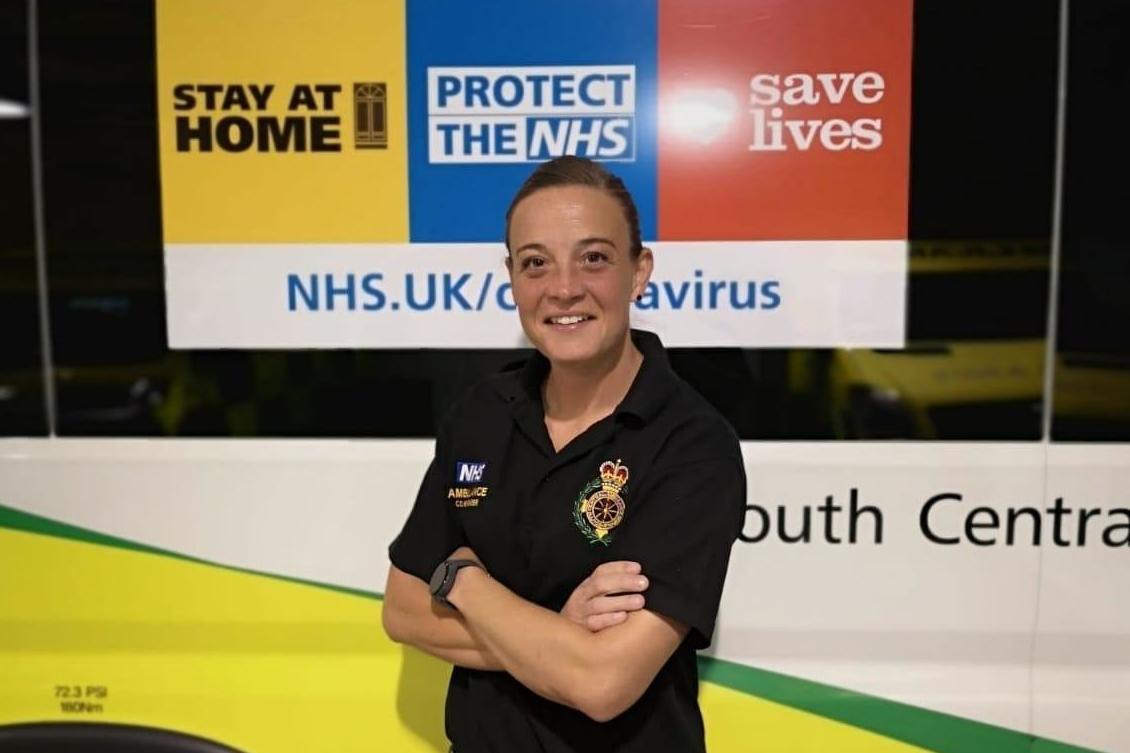
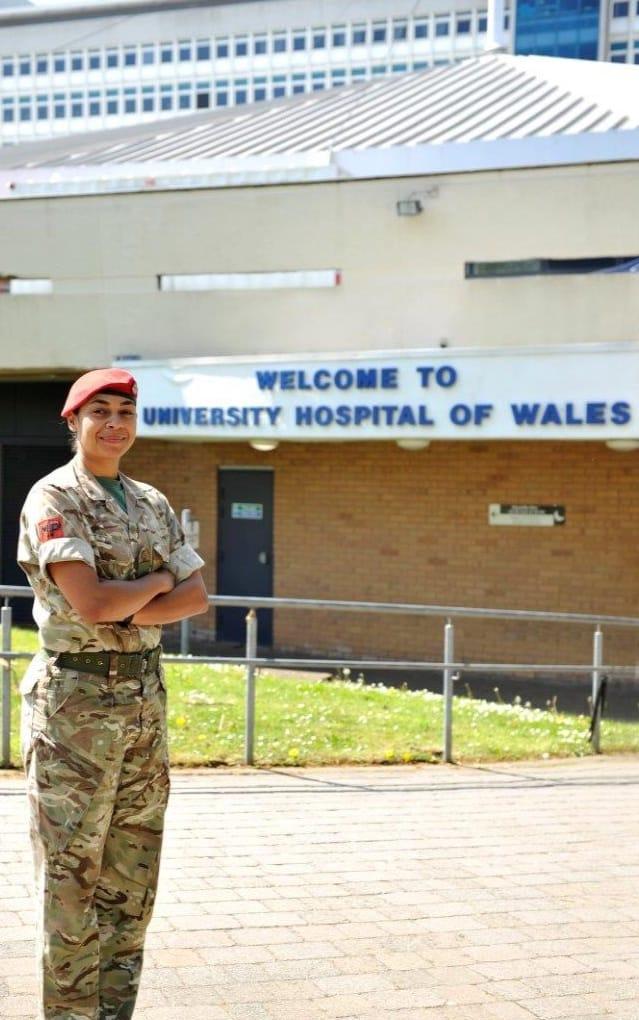
Major Chantelle Miller (pictured below) of the Royal Military Police and her wife staff sergeant Tara Miller (pictured top) have both been part of the response. Both have signed up and been deployed as part of the Armed Forces Covid Support Force.
Major Miller is working as a military liaison officer: “I’m a military planner working hand in hand with Cardiff and Vale [University] Health Board, supporting them on the ground doing crisis response and developing their contingency plans in response to Covid-19.”
Her role involves supporting the development of testing capabilities across the South Wales area, and she worked on the development of the 1,500-bed Dragon's Heart Hospital in the centre of Cardiff.
Meanwhile, staff sergeant Tara Miller is working as a frontline responder with the South Central Ambulance Service.
“Ninety per cent of the time has been with Patient Transport,” she says. “The first five weeks it was mainly Covid patients we were picking up from hospital and taking home or to care homes because they’d beaten it, ranging from people in their mid-30s up to a lady who was 96. It’s been an emotional roller coaster.”
The couple are working in different locations, but they are used to spending time apart due to their military roles.
“When we both joined the military, we joined to serve; we joined to help others,” says major Miller. “So when we knew this was going to become the Army’s main effort, its highest priority, we both volunteered because we just wanted to do a small part to help the real heroes on the frontline: the healthcare workers.”
Testing and planning
Over in Thames Valley, a team of Royal Engineers have been working round the clock to design a mobile testing unit (MTU) for coronavirus. Lieutenant Chris Stock of the Royal Naval Reserve is among those who are helping to ensure as many people as possible can access them.
He has been mobilised as a military planner into the Thames Valley area to help manage Covid-19 testing in the area. "Testing people for coronavirus is one of the means to ensure we keep our infection rate down and protect the NHS, while keeping as many key and essential workers working," he explains.
Within just seven days, the mobile unit prototype was created using a crew transport van. Having stripped panelling, removed seating and covered the walls and surfaces with wipeable materials to help prevent contamination, the Royal Engineers then installed shelving and storage for the kit, including PPE.

Next, the Royal School of Military Engineering upgraded the van, including replacing the floor with cleanable stainless steel and adding room for cool boxes to store test samples, as well as a hand wash unit.
"By being able to improve access to testing centres by having a mobile one come to a small town or village where you can walk to if necessary greatly increases the access people have to testing,’ says lieutenant Stock. A highlight for him was seeing the MTU being well-used even on day one: "Seeing people being tested, who without the military’s involvement would most likely not have been, was a real motivator, and a visible output of the positive effect the military is having on local society."
However, this is just a fraction of the immense work that has been conducted both in the UK and around the world.
Global effort
Over the past few months, the Foreign & Commonwealth Office has worked with both international governments and the airline industry for the safe repatriation of thousands of British travellers.
This includes 13,500 Brits who have returned home from India on 58 flights since 8 April, more than 1,500 from New Zealand since 25 April, and more than 4,000 from Pakistan.
What’s more, the Department for International Development (DFID) is playing a key role in the global fight against Covid-19. Through the DFID aid budget, the UK is the largest single contributor by any country to CEPI’s (the Coalition for Epidemic Preparedness innovations) international efforts to find a vaccine.
Help more close to home has involved the Government’s roll-out of comprehensive financial support for UK businesses. The Job Retention Scheme has helped almost a million businesses protect 7.5 million jobs, while low-risk loan schemes, VAT deferrals and the Coronavirus Statutory Sick Pay Rebate Scheme have assisted cash flow.
Bookmark popover
Removed from bookmarks