When celebrities share their cancer journeys, they help us face our own fears – and feel less alone
Drawing on both her reporting and personal experience, music editor Roisin O’Connor reflects on how celebrity cancer diagnoses can raise awareness, prompt vital conversations and support organisations like Macmillan Cancer Support


When I was about 10 years old, I became obsessed with Girls Aloud. They’d just formed on the ITV show Popstars: The Rivals, with their debut single, “Sound of the Underground”, winning the battle for Christmas No 1 in 2002. The song was everywhere, and so were the group’s five members: Cheryl, Nadine Coyle, Sarah Harding, Nicola Roberts and Kimberley Walsh.
Almost two decades later, I found myself wiping away tears as I wrote a tribute to Harding, who had died from breast cancer aged 39. The Stockport-raised singer had always been my favourite in the group – her irrepressible nature and absolute refusal to dial her personality down struck a chord. I loved the story of how she’d cornered Boy George – after he dismissed Girls Aloud as “just a bunch of pretty girls prancing around on the stage” – and forced him to apologise. I also admired her openness; where other pop groups were so squeaky clean and sanitised, she was frank about her issues with anxiety and self-doubt.
Over the 11 or so years I’ve worked at The Independent, I’ve had to report extensively on celebrity deaths, many of them from cancer. It’s a strange feeling, particularly when it’s someone whose music you were raised on. And in that same time, cancer has been a near-permanent presence in my own life, too, from close relatives to much-loved friends.
It’s a strange feeling when someone whose music raised you dies
I’ve noticed that when it comes to that latter, at least in my own family, the word “cancer” almost becomes taboo, as though by not saying it, it might slip away unnoticed and leave us alone. When it’s a public figure, however, perhaps it’s the combination of familiarity and distance that enables us to talk more openly about the complex feelings and fears that surround such a rotten disease. And while you wouldn’t wish poor health on anyone, seeing someone you look up to go through the same thing as you can be a strange source of comfort. Pop stars or Hollywood actors often appear untouchable – illness is one of the few truly unifying experiences that reminds us that, at the end of the day, we’re all human.
Whoever You Are, Whatever It Takes
Whether you’re a rock star or a fan, a patient or a loved one, cancer doesn’t discriminate, and neither should the support available.
Macmillan’s new campaign, Whoever You Are, Whatever It Takes, shines a light on the real experiences of people living with cancer in the UK today. It aims to break down harmful misconceptions and make sure everyone can access the right information and support, no matter who they are or where they live.
Find out more at macmillan.org.uk/whoever-you-are
Celebrities going through cancer already have “communities” of fans – but by being open about their experiences they encourage their followers to engage with one another, too. There’s frank discussion about early symptoms, lifestyle and experiences with the NHS, both positive and negative. “Sharing is caring” is a cliche, yes, but a very true one – celebrities sharing their diagnoses generates widespread media coverage and discussion. Often publications will expand on their coverage with resources and information about how to check for symptoms, citing organisations such as Macmillan Cancer Support or the NHS.
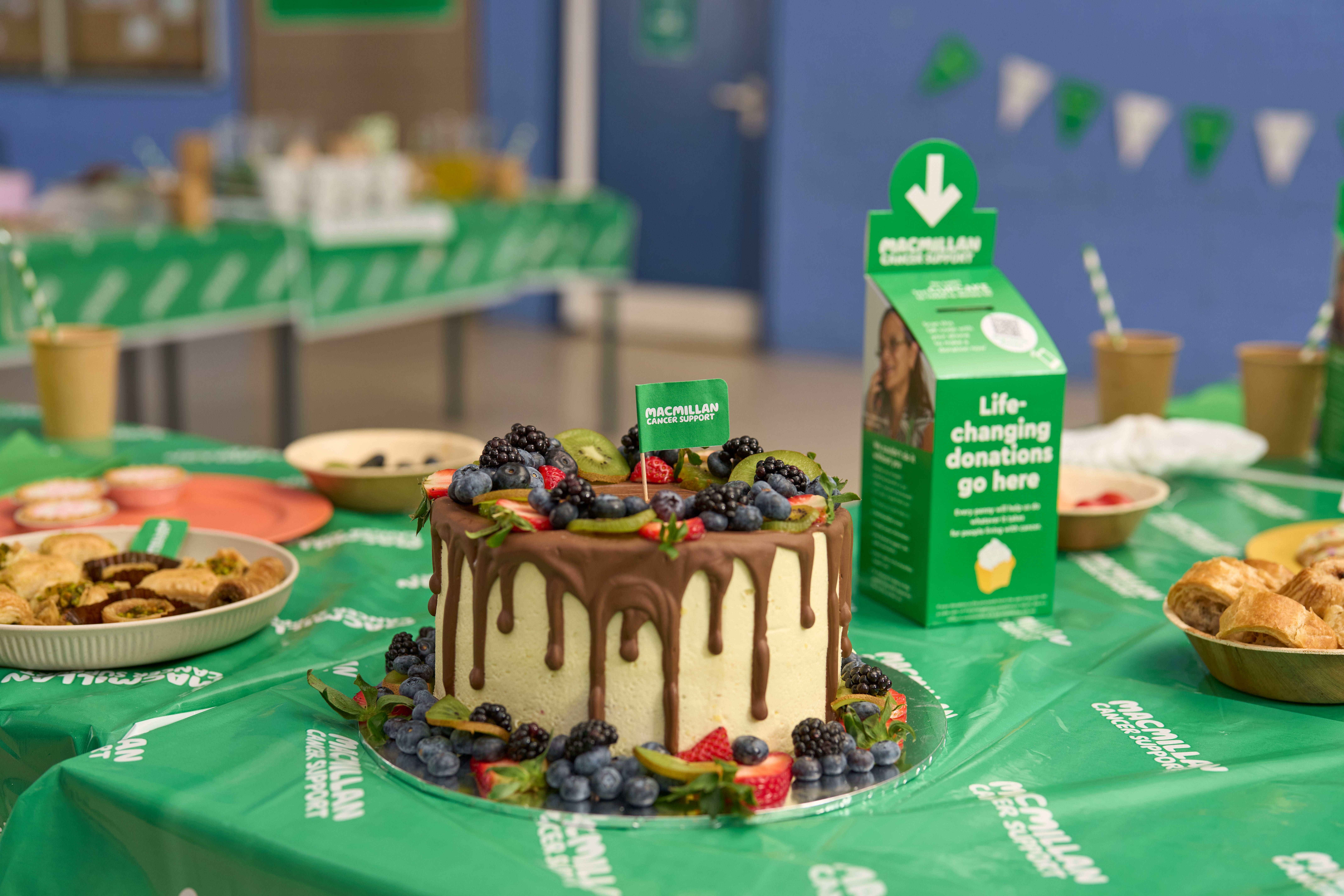
A recurring message I’ve noticed, too – whether it’s coming from a rock star or a pop singer – is that it’s essential to accept that “putting on a brave face” is not always an option. There will be days of tears, rage and frustration – and that’s OK. Because as I’m sure anyone who has experienced this disease will tell you, it can be isolating. Events such as Coffee Mornings (whether that’s an actual coffee, a brunch, afternoon tea or a cocktail evening) are essential resources that remind people they’re not alone.
I don’t think they realise how many lives they’ve helped save
I’m not sure any of these incredible musicians will have realised the effect they had in raising awareness of their symptoms, diagnoses and treatments, as well as the vital work of charities such as Macmillan. But I have no doubt that they have saved countless lives without even realising it.
Find out how you can help raise vital funds by hosting a Macmillan Coffee Morning. Sign up now on the Macmillan website
Macmillan Cancer Support, registered charity in England and Wales (261017), Scotland (SC039907) and the Isle of Man (604). Also operating in Northern Ireland.
Bookmark popover
Removed from bookmarks