The hidden way potholes could influence your next car purchase
Are potholes secretly shaping car design? EV editor Steve Fowler explores how the UK’s road nightmare could affect your next purchase in this week’s DriveSmart newsletter
The article below is an excerpt from The Independent’s Steve Fowler delivered straight to your inbox, simply enter your email address in the box above.
I didn’t realise I’d missed it, but just a few weeks ago it was National Pothole Day (15 January, to be precise). You might argue that it seems like every day is pothole day right now, and I’d agree – although we probably all think our local area is the worst in the UK.
According to the RAC, 29 per cent of drivers say their vehicles have suffered pothole-related damage over a 12-month period, while the average cost of a repair for anything worse than a puncture is £590.
The government has promised £1.6 billion for road repairs and pothole filling, which reportedly goes beyond its original manifesto pledge. This funding will cover the repair of more than 7 million extra potholes during 2025–2026, but is that enough? Not according to the Asphalt Industry Alliance, which says that the backlog of local road repairs in England and Wales stands at £16.8 billion, with an average of six potholes per mile, according to the RAC.
So, as car buyers and car fans, is there another solution? Should we think more carefully about the cars we buy, and should car companies start thinking more about the cars they sell?
Much as cars look great with big wheels and low-profile tyres, I’m constantly frustrated by what they do to the ride quality – and how poorly they handle potholes.
There is a technological solution. Last year I drove the Nio ET9, a Chinese-built car developed with potholes in mind – not surprising when you learn that much of the development work for that car was carried out at Nio’s engineering base here in the UK.
The ET9 uses an advanced active suspension system developed by a company called ClearMotion – a similar system is also available on the Porsche Panamera – and it genuinely feels like a magic carpet ride, miraculously flattening out undulations and ignoring potholes. I described it when I drove the ET9 as being like noise-cancelling headphones for ride quality, dialling out all the nasty bumps.
Sadly, the ET9 isn’t yet available here, and a Porsche Panamera with Porsche Active Ride is quite expensive, but one car I’ve been driving recently does a better job than most at tackling the UK’s horrendous roads – the Citroen C5 Aircross.

ADVERTISEMENT
ADVERTISEMENT
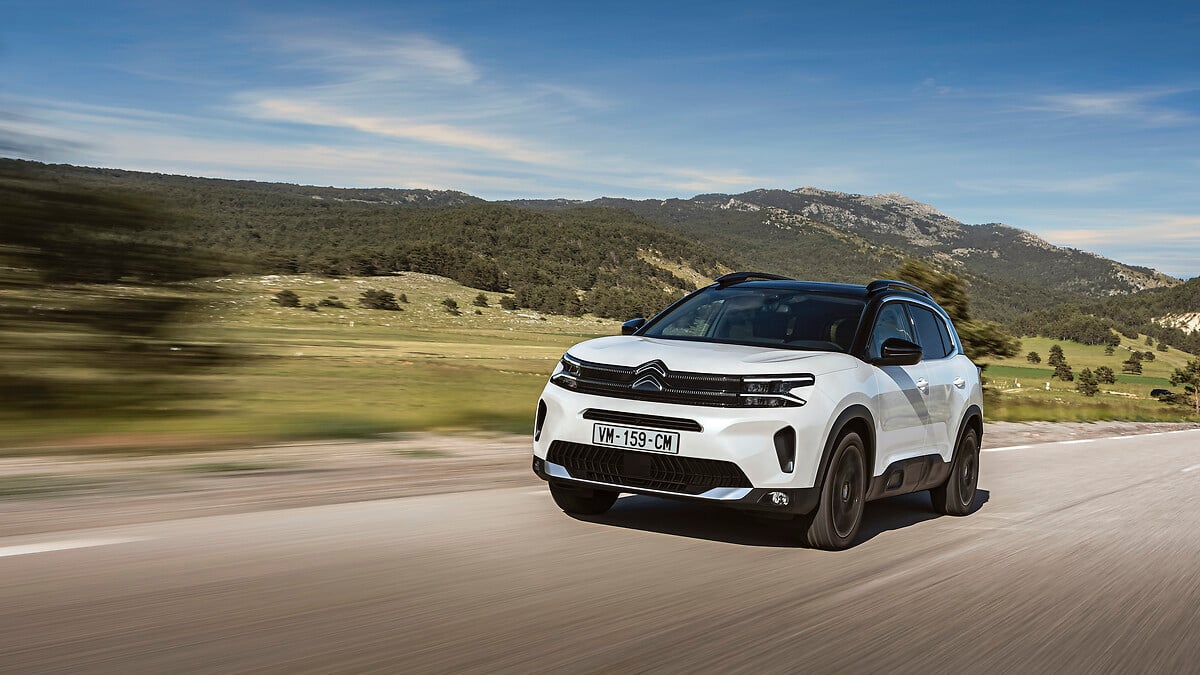
Citroen is taking a different approach to many car companies, with an unerring focus on comfort rather than Nürburgring lap times. The Citroen C3 and C3 Aircross are another couple of my favourites, with comfy seats and supple suspension.
Key to much of this is Citroen’s choice of tyre size. The C5 Aircross still has large, attractive wheels, but with large, comfy tyres rather than the ribbon-thin tyres many cars have these days. On the sidewall of the Michelins were the numbers 235/50 R20. That means the tyre width is 235mm, the (crucial for comfort) tyre height equates to 50 per cent of the width, and the rim diameter (the size of the wheel) is 20 inches. It’s a strange system that combines metric and imperial, but that’s how tyres are measured.
The Citroen’s suspension is set up for comfort, but the extra sidewall depth helps tremendously.
Those sexy big wheels may make a car more attractive – and come as standard with higher trim levels – but smaller wheels with bigger tyres tend to make for more comfortable cars that may even withstand potholes better.
Off-roaders tend to have bigger tyres, too, that cope better with rugged terrain, which makes it all the more amazing when I see 4x4s with huge wheels and low-profile tyres!
So, what can you do? There’s not much you can do to pothole-proof your car other than an expensive wheel-and-tyre change to get more rubber between you and the road. But choose your car carefully and check the wheel and tyre size. Sometimes the cheaper trim levels have smaller wheels and bigger tyres that may not look as sexy but will provide more pothole protection and improve ride quality, too.
Other than that, let’s just hope the pothole plague that’s infecting the UK eventually wanes. Although I don’t see that happening any time soon.


Sign up for the DriveSmart newsletter
To get the latest motoring insights from EV editor Steve Fowler delivered straight to your inbox, simply enter your email address in the box at the top of this page.
Each edition of DriveSmart offers clear, expert guidance on the fast-moving world of electric vehicles and modern motoring, from trusted reviews and practical tips to the biggest industry news of the week.
You can also head to our newsletter preference centre to sign up for the email.
Join our commenting forum
Join thought-provoking conversations, follow other Independent readers and see their replies
Comments
Bookmark popover
Removed from bookmarks