Chinese cars are on the rise – and yes, as an EV editor, I’d buy one
Chinese cars: are they really any good? Steve Fowler explores the Chery Tiggo 7 in this week’s DriveSmart newsletter, asking whether value and tech are enough to win over sceptics

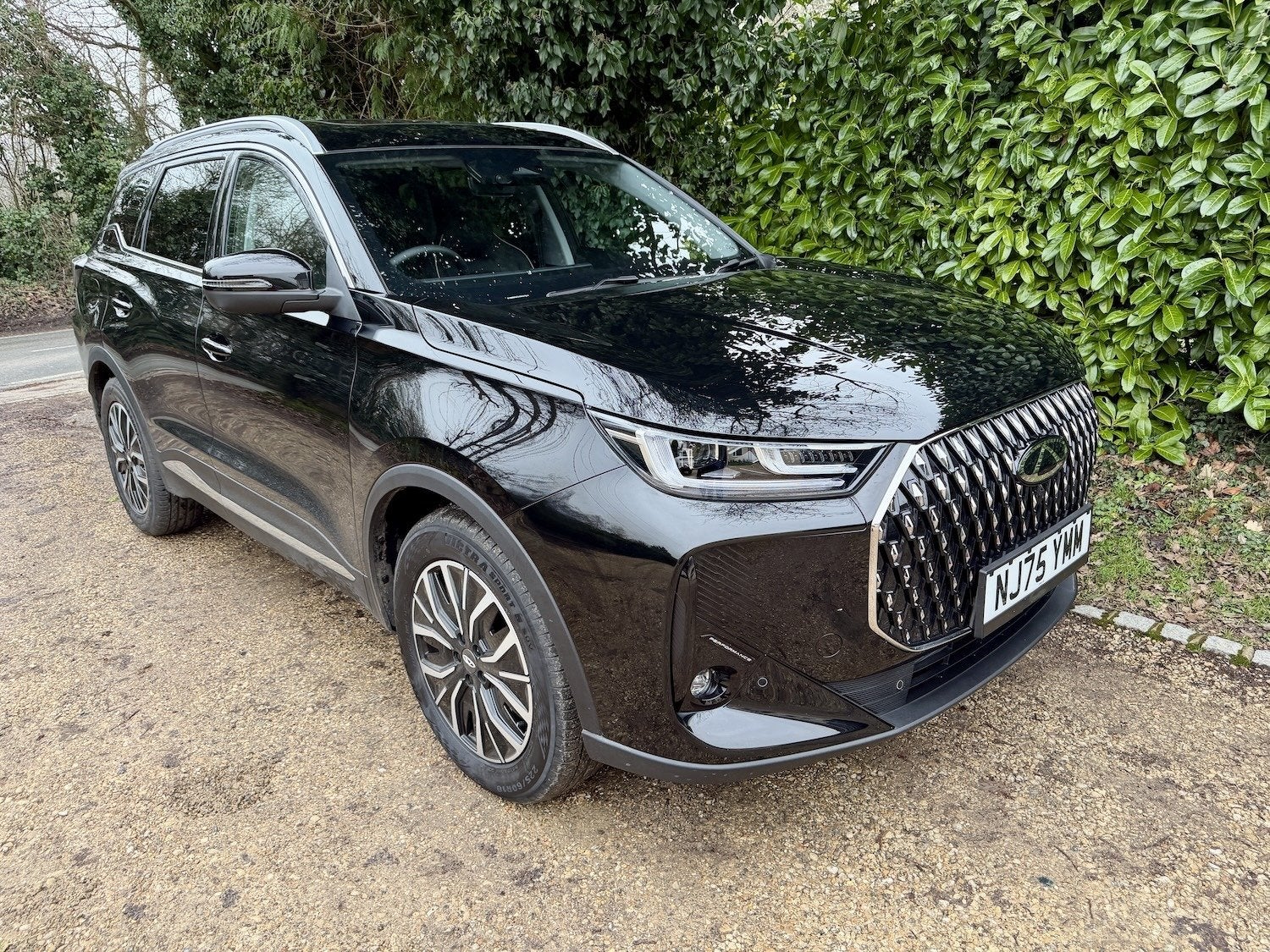
I’ve spent the past seven days driving a Chery Tiggo 7 – one of the latest plug-in hybrids from Chinese manufacturers to arrive in the UK.
The Tiggo 7 is part of a small but growing group of £30,000-ish plug-in hybrid SUVs that are proving popular with buyers. Whether it’s the Tiggo 7 (or the seven-seat Tiggo 8), BYD Sealion 5, Geely Starray, Omoda 7 (also from the Chery group) or the MG HS, these cars offer strong kit, efficiency, quality, and excellent value – so it’s no surprise they’re in demand.
Plug-in hybrids are increasingly popular, too, with sales up 35 per cent in 2025. But spotting a meaningful difference between these lookalike Chinese models can be tricky. It often comes down to price (which varies little), specification (likewise) and efficiency claims.
Then there’s the brand factor. MG clearly has an advantage here, being more established in the UK and benefiting from instant name recognition.
What I found most interesting this week, though, was how other people reacted to the Tiggo 7. One friend – who works in the car business – initially thought it was an Infiniti, Nissan’s luxury brand that left the UK a few years ago. He said the badge looked familiar and the styling was “very Audi.”
Another industry contact spent time exploring the interior, describing it as “a bit BMW,” while trying to “spot the gaps” in quality – he couldn’t find any. He was also impressed with the tech, immediately noticing that the over-zealous beeps and warnings (which plagued earlier Chinese models) have been toned down.
I also took my car-owning kids for a spin. My son was impressed that, after a 405-mile round trip to Liverpool on Saturday, we still had well over 100 miles of fuel range left. He thought the seats could have been more comfortable, though we did spend roughly eight hours in the car.
My daughter, who admits to having the three-year itch with her MINI, might soon be looking for something larger to accommodate her fast-growing Labrador puppy. She had her eye on a Volkswagen Tiguan, but didn’t believe me when I told her the Tiggo 7 starts at under £25,000 for a petrol model, or under £30,000 as a plug-in hybrid – with very low leasing costs. “I’d have to get a well-used Tiguan for that,” she said.
Being a somewhat brand- and fashion-conscious 27-year-old, I asked if the Tiggo 7 or any of its Chinese rivals might appeal to her. She mentioned that a friend already had – and loved – an MG, so her answer was: “why not?”
Then she turned the question on me: would I buy a Chinese car?
There are areas where these Chinese models lag behind European rivals – ride quality immediately springs to mind, based on my week in the Tiggo 7 and a recent drive in the BYD Sealion 7. Bizarrely, for a nation so tech-focused, the tech in these cars sometimes falls short, particularly when it comes to usability.
That’s not to say these issues are deal breakers. The ride in the Tiggo 7 isn’t bad at all, and much of the tech can be upgraded over the air.
What’s impossible to ignore, however, is the value these cars offer. The price, efficiency, specification, and impressive build quality make them genuine showroom standouts.
So, to answer the question: yes, I would buy a Chinese car. I’d choose carefully – some are stronger than others – but if I were buying today, with value high on my list of priorities, these new brands are extremely appealing.
And let’s not forget that many drivers are already behind the wheel of Chinese-made EVs without even realising it. The MINI Aceman, Polestars, a couple of Lotuses, and some older Teslas were all built in China – and in terms of build quality, they’re very well made.
Sign up for the DriveSmart newsletter
.png)
The article above is an excerpt from The Independent’s DriveSmart newsletter.
Each edition offers clear, expert guidance on the fast-moving world of electric vehicles and modern motoring, from trusted reviews and practical tips to the biggest industry news of the week.
To get the latest motoring insights from EV editor Steve Fowler delivered straight to your inbox, simply enter your email address in the box at the top of this page.
You can also head to our newsletter preference centre to sign up for the email.
Once there, all you need to do is press the ‘+’ button and enter your email address to sign up.
Join our commenting forum
Join thought-provoking conversations, follow other Independent readers and see their replies
Comments
Bookmark popover
Removed from bookmarks