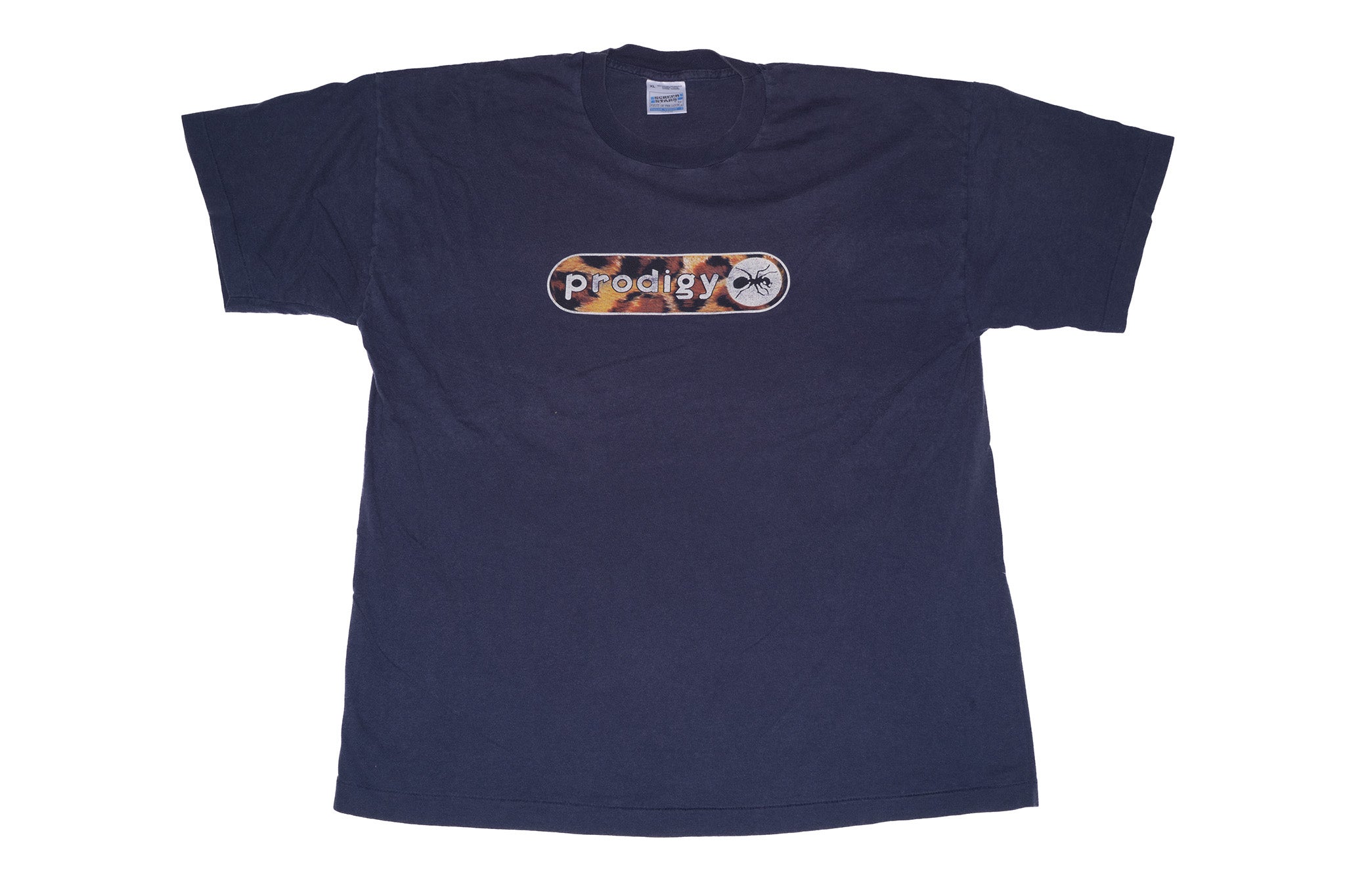
An old Prodigy T-shirt is going for £1,000 in Selfridges, so are you sitting on concert merch gold?
In the 30-year rule of cool, Nineties band T-shirts are being sold for hundreds, sometimes thousands, of pounds. Stephen Armstrong reports on the merchflation trend which has left him regretting not buying that Oasis T-shirt in 1995 and throwing away his Massive Attack tee now worth £500…

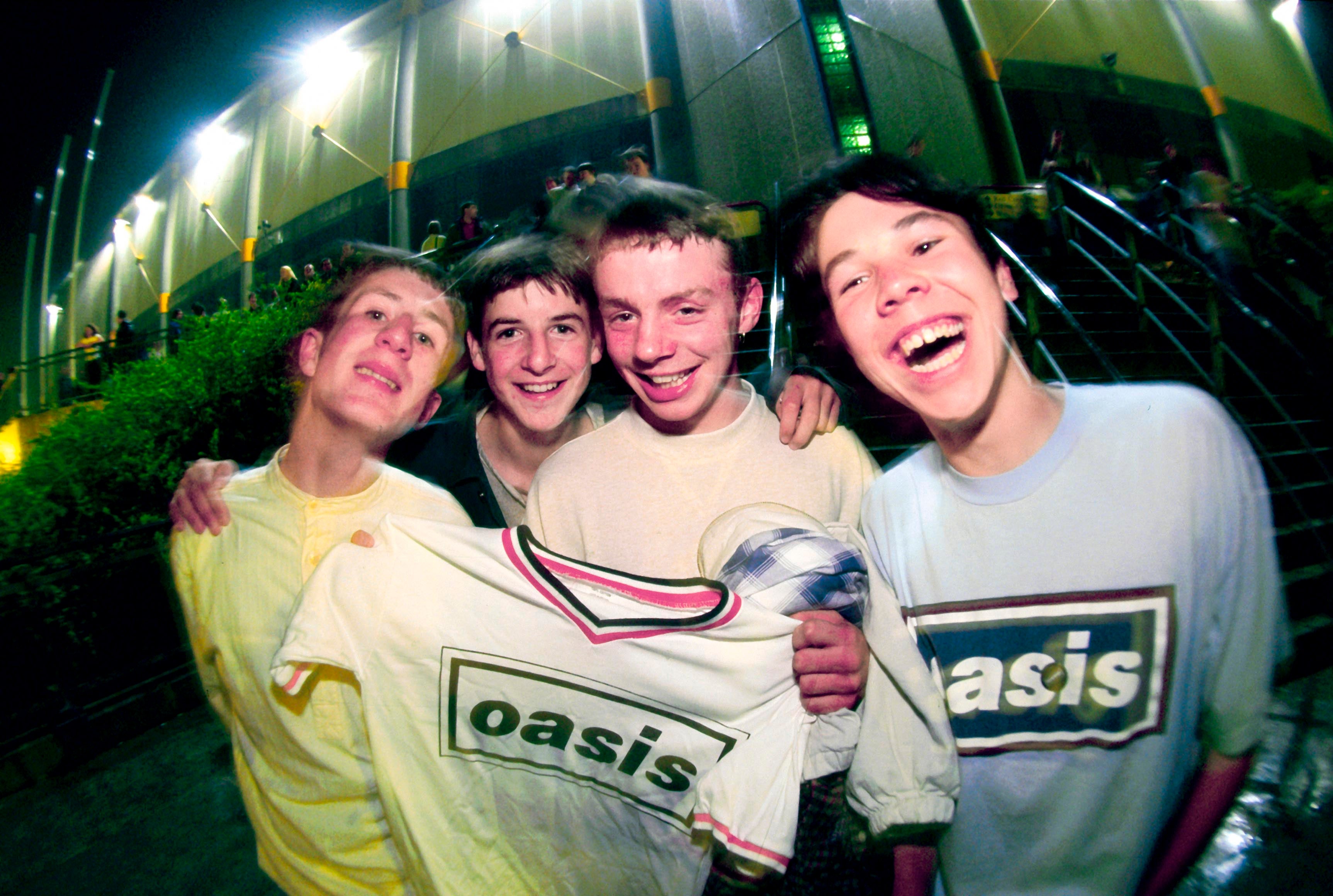
Dan O’Connell, the Radio X evening show DJ, has a cheerful Instagram page filled with clips from and promos for his show, but two weeks ago, he filmed himself in Selfridges, where he found a second-hand Prodigy T-shirt on sale for £995 and an original Oasis Definitely Maybe top for an eye-watering £1,280.
“I had a £50 Selfridges voucher so I was wandering around looking at what I could get for that,” he explains. “I saw these two rails and the prices and thought – they’re just band T-shirts, what’s going on here? It was the Prodigy T-shirt that caught my eye. Everyone had that. So I talked about it on the show because merch matters to our listeners and they were as shocked as me.”
If only the Gallagher brothers had kept a few crates of old merch, they wouldn’t have to go on tour. But Oasis aren’t even in the super top tier of vintage merch. On Etsy, you can find a Stone Roses top for £2,720, a Nineties Death Row Records shirt for £3,106, and a 1991 Nirvana Nevermind album cover tee for a cool £3,882. Hopefully it’s not been overworn, or it’ll need a blast of Teen Spirit to get rid of the smell.
If you read a certain weary bitterness in that last paragraph, dear reader, there’s a good reason. I went to see Oasis at Earl’s Court in 1995 just after the release of (What's the Story) Morning Glory?
There was a merch stand there. I’m pretty sure there were some Definitely Maybe tops alongside the Morning Glory tat. And you know what? I didn’t buy anything.


All I have left over from my Nineties gig merch is a floppy long-sleeved Jesus Jones top for which there appears to be no market. And that’s still with me by accident. I’ve chucked away a Massive Attack T-shirt (at least £500!) and, less depressingly, a Blur T-shirt (Sorry Damon… just £26). I just didn’t expect them to be worth hundreds of pounds by the time I was getting concerned about my pension.
“The world is awash with brand new Ramones, Nirvana and Motorhead T-shirts available from Primark, which makes an original one, with an original tag, not just attractive in its own right, but something carrying the authenticity that the bands themselves had,” argues Andrew Harrison, group editor of Podmasters and former editor of Nineties music mag Select.
“The 30-year rule of cool applies, which is why, in 1986, when I was just starting at university, Levi’s jeans were sold through Fifties ads using ‘Stand by Me’, and by the time I was working in the early Nineties, Britpop was bringing the Kinks back. So now it’s the Nineties that everyone wants to have a splinter of the True Cross.”
The price bump, he argues, is twofold. Because music is free, the pie chart of where fans spend money has moved from three-quarters on actual vinyl or CDs and the remainder on other things to almost nothing on the music, so all the money goes on concert tickets and merch. But also…
“A huge factor here is clearly that they are being bought by the kind of more-money-than-sense herberts who shop at Selfridges and not your average, real music fan,” Harrison sighs. “It’s symptomatic of the fact that people think they can buy anything now. Spending £1,280 to buy authenticity – how paradoxical is that?”
The label on display in Selfridges is Not/Applicable, and it’s one of those I-wish-I’d-thought-of-that-and-had-the-contacts businesses that Londoners specialised in when those T-shirts were made.
Brit Natasha Advani cut her teeth as a buyer for stores like Harvey Nichols, most recently serving as head of menswear at Selfridges before moving to LA in 2016 and starting to trade in vintage clothing. She picked her moment – the fashion industry was reframing rock tees as luxury items, curated alongside high fashion and making them comparable to trainers or handbags as cultural investments. The price, she explains, has soared so fast that an LA store, H Lorenzo, which also stocks vintage Rolexes and Cartier watches, was selling her tees for more than the watches.
“It’s Gen Z and millennials driving the demand, treating these garments as a form of unattainable luxury,” she explains. “A £3,000 Nirvana tee or a rare 2Pac bootleg isn’t just clothing; it’s cultural currency.” It’s a mix of provenance and scarcity – no one can make an original 1992 Nirvana shirt again by definition. Like gold, there’s a limited supply. But unlike gold, it’s sustainable to sell second-hand fashion.
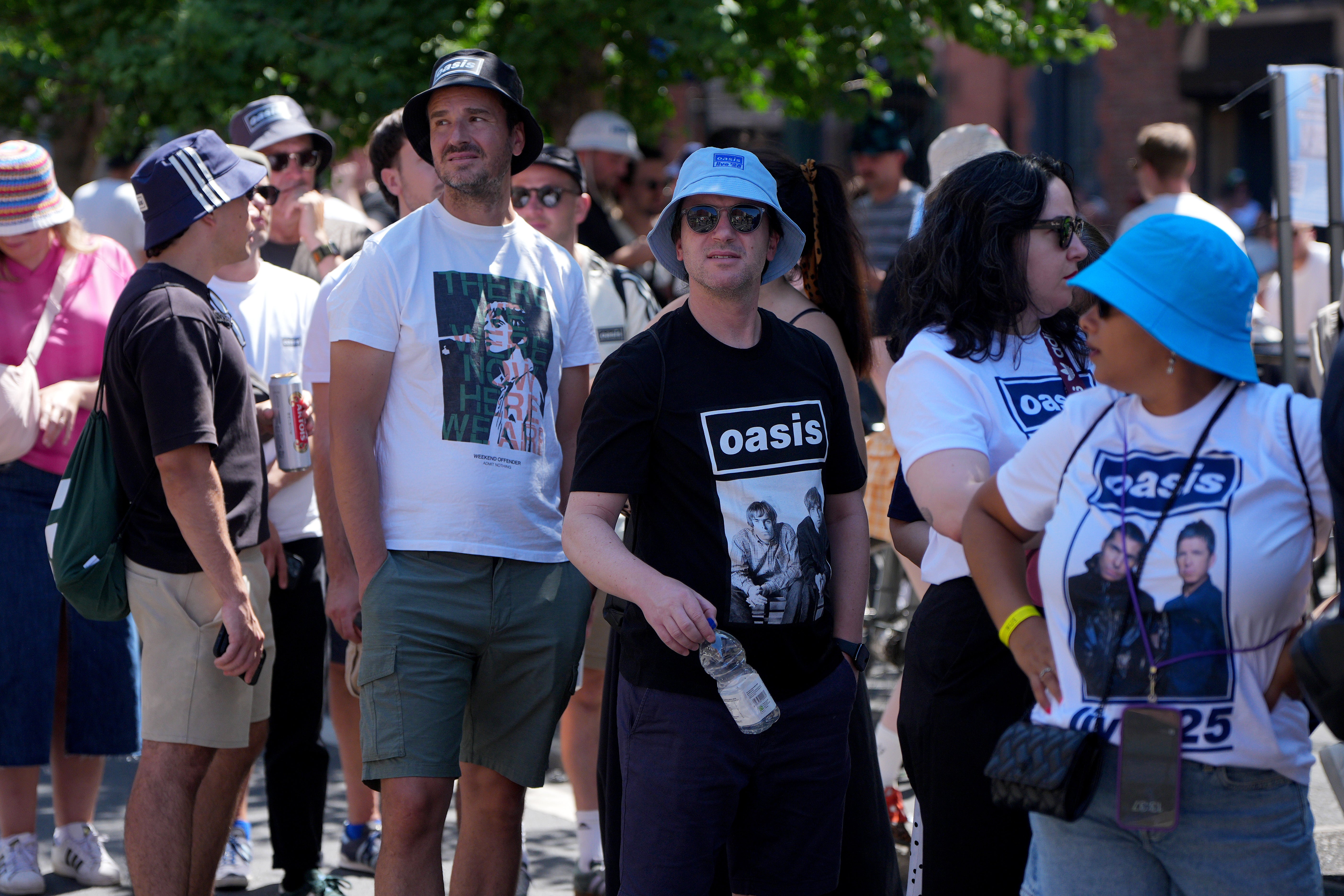
In the US, she explains, it’s niche grunge and punk bands like Black Flag, Fugazi, Nirvana, and Alice in Chains, as well big names like Fugees, 2Pac, and The Notorious B.I.G., that have the £5,000 prices. In the UK, the appetite leans toward David Bowie, the Sex Pistols, and there’s a surge of interest in Nineties acts like Oasis. If you are about to plunder your collection, take a look at eBay first – a 1992 Nirvana smiley tee is just £311. Only certain shirts get the big bucks.
In a happy codicil to the story, O’Connell reports that some of his listeners have since done deals for their old band T-shirts. “I had one woman who said she had a hand-printed Hare Krishna T-shirt made by George Harrison, and asked me to broker her selling it. I was like, I’m really sorry, I’m just a person who made an observation on the internet. I hope she made a bit of money but really, how are you going to price that?”
Join our commenting forum
Join thought-provoking conversations, follow other Independent readers and see their replies
Comments
Bookmark popover
Removed from bookmarks