The payments your bank doesn’t show you - and how to find and cancel them
Streaming services are a good example of payments which can easily be overlooked
Unlike direct debits, card payments don’t appear in one neat, centralised list on your bank statement. Instead, they are scattered among everyday transactions, making it far easier for forgotten subscriptions, free trials and recurring charges to slip under the radar.
From streaming services and fitness apps to cloud storage and delivery passes, millions of people now pay for subscriptions using their debit or credit card.
These are known as continuous payment authorities (CPAs), and while they are convenient, they can also be surprisingly hard to track.
Research by Revolut suggests the problem is widespread. An independent survey commissioned by the digital bank found that Brits waste more than £3.5bn a year on subscriptions they pay for but do not use, with more than half admitting they are still paying for services they no longer need.
The average person loses £66 a year, according to the research, driven largely by procrastination, forgetfulness and the hassle of cancelling.
With household budgets under pressure and many people trying to cut unnecessary spending, understanding how these payments work - and how to stop them - has never been more important.
What is a continuous payment authority?
A CPA allows a company to take regular payments from your card after you have given permission. Unlike a direct debit, which is linked to your bank account and appears in a dedicated list in most banking apps, CPAs are attached to your card details.
This means they show up simply as card transactions, often mixed in with supermarket shops, coffee purchases and online orders.
According to the Payment Systems Regulator (PSR), consent is central to how these payments should operate.

Get a free fractional share worth up to £100.
Capital at risk.
Terms and conditions apply.
ADVERTISEMENT
Get a free fractional share worth up to £100.
Capital at risk.
Terms and conditions apply.
ADVERTISEMENT
“As with any payment, it’s important that consumers should be able to recognise who is taking money from their account,” a spokesperson said. “We expect firms to ensure consent is clear and that payments cease when it is withdrawn.”
The regulator says businesses can only take recurring card payments with the customer’s permission, and that consent “should be clear, specific and informed”.
That means companies should explain how much will be taken and how often, so customers understand what they are signing up to.
Why do some payments look unfamiliar?
One of the biggest frustrations with CPAs is that the name on your statement does not always match the service you remember signing up for.
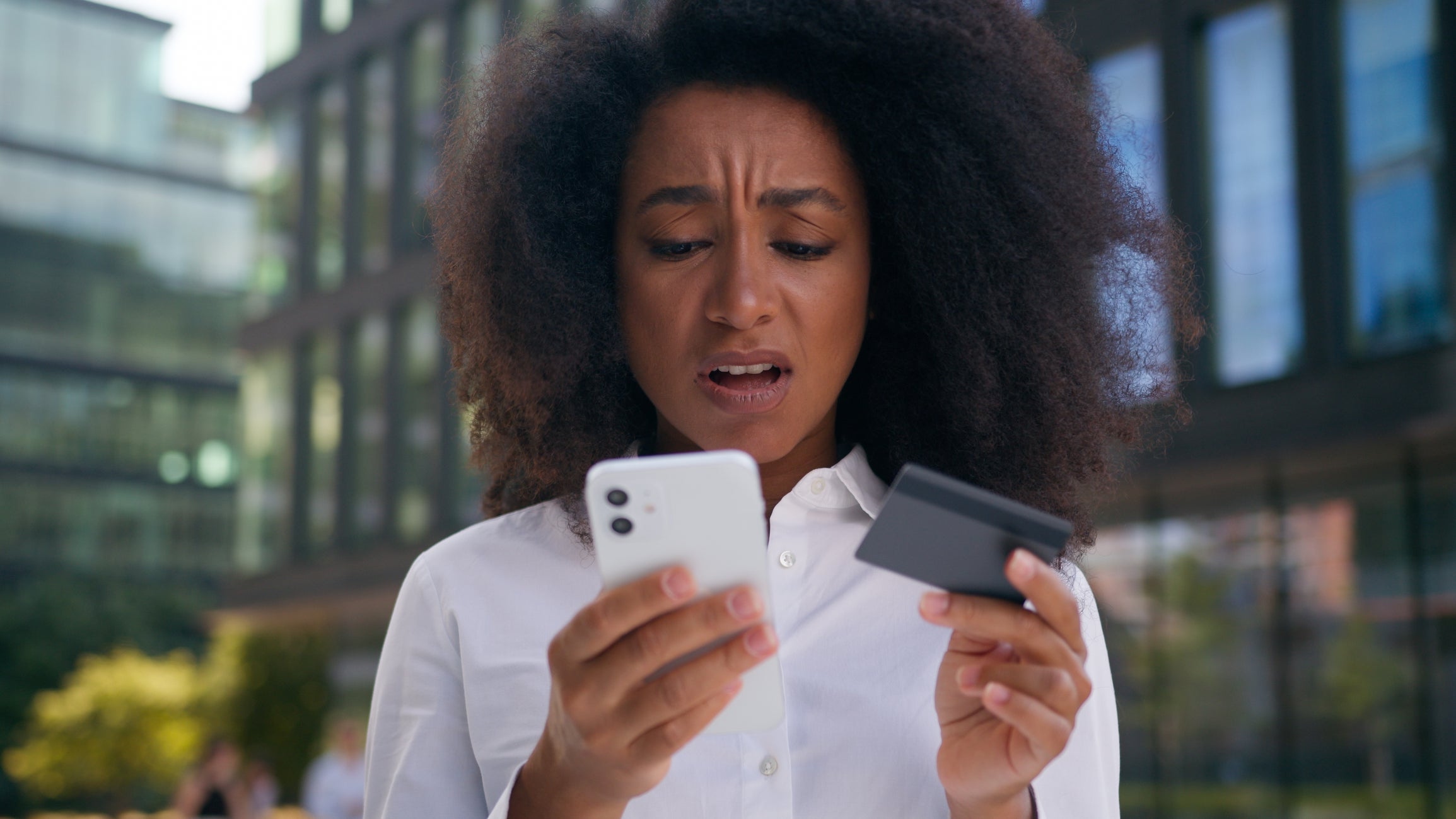
The PSR explains that while it does not directly regulate this payment type, it does oversee the card schemes, which set rules on how merchant names appear. In some cases, a third party is involved in processing the payment, which can distort how it looks. Examples, the PSR says, include entries such as “PaypalH&M” or “Square*Merchant123ABC”.
These can be truncated or formatted in ways that make them hard to recognise. Some merchants choose to show customers in advance how the payment will appear, partly to reduce false fraud reports.
Still, for many people scanning their statements quickly, unfamiliar names are easy to miss.
How to find your hidden subscriptions
The first step is to review your card transactions carefully, ideally over several months.
Look for payments that repeat at the same amount and interval - monthly charges of £7.99, £9.99 or £14.99 are often subscriptions.
Many banks are now trying to make this easier. Starling Bank, for example, offers a “scheduled payments” section in its app, which shows recurring card payments linked to subscriptions.
“Customers can click on any recurring card payment and cancel the recurring payment in seconds,” a Starling spokesperson said.
Its Bills Manager provides a summary of direct debits and regular bills, while its Spending Insights tools let customers browse transactions by category. “Customers could ask how much they spend on subscriptions each month before receiving an instant answer,” the spokesperson said.
How to cancel a continuous payment
You usually have two options for cancelling these payments. The first is to cancel directly with the company, through its website or customer service team. This is often required under the terms of service and avoids disputes later.
The second is to ask your bank to stop the payment.
Under UK rules, banks must cancel a CPA if you request it, even if the company says you still owe money. Any dispute over fees should then be dealt with separately.
If a payment continues after you have withdrawn consent, you may be entitled to a refund.
The PSR stresses that payments should stop when permission is removed, and banks and card providers are expected to enforce this.
Can virtual cards help?
Some digital banks now offer virtual cards that can be created and deleted instantly.
In theory, people could use these for free trials and then remove them to prevent charges.
.jpeg)
Starling offers this feature but is cautious about how it is framed. “We offer these for their budgeting and security benefits,” its spokesperson said, adding that customers “should still cancel free trials with the supplier”.
Relying on card deletion alone can lead to missed bills or disputes, so it is not a substitute for proper cancellation.
Regular reviews are crucial
Continuous payment authorities are legal and widely used, but their low visibility makes them easy to forget.
With subscription spending quietly draining accounts, regular reviews are essential.
Check your statements, use your bank’s tools, question unfamiliar names and cancel anything you no longer need.
In a cost-of-living squeeze, those small monthly charges can quickly add up, and unlike direct debits, they will not flag themselves unless you go looking.
When investing, your capital is at risk and you may get back less than invested. Past performance doesn’t guarantee future results.
Join our commenting forum
Join thought-provoking conversations, follow other Independent readers and see their replies
Comments
Bookmark popover
Removed from bookmarks