Rachel Reeves U-turns on plan to cut Isa limit to £4,000
The chancellor will not drop the £20,000 per person limit currently allowed
Rachel Reeves has confirmed she will not reduce the £20,000 annual limit for individual savings accounts (Isas) in a move set to benefit savers across the country.
The chancellor had faced pressure from banks not to press ahead with plans to cut the limit in a bid to kickstart growth, which is one of the government’s key objectives.
Earlier this year, Emma Reynolds, the economic secretary, pointed out that “hundreds of billions of pounds in cash Isas” were preventing money from being invested in the London Stock Exchange, fuelling speculation that the annual limit could be cut.
But Ms Reeves told the BBC: “I’m not going to reduce the limit of what people can put into an Isa, but I do want people to get better returns on their savings, whether that’s in a pension or in their day-to-day savings.
“And at the moment, a lot of money is put into cash or bonds when it could be invested in equities, in stock markets, and earn a better return for people. But I absolutely want to preserve that £20,000 tax-free investment that people can make every year.”
Cash Isas, which are held by 18 million people, who added a combined total of almost £50bn to them last year, allow households to save without paying income tax on the interest.
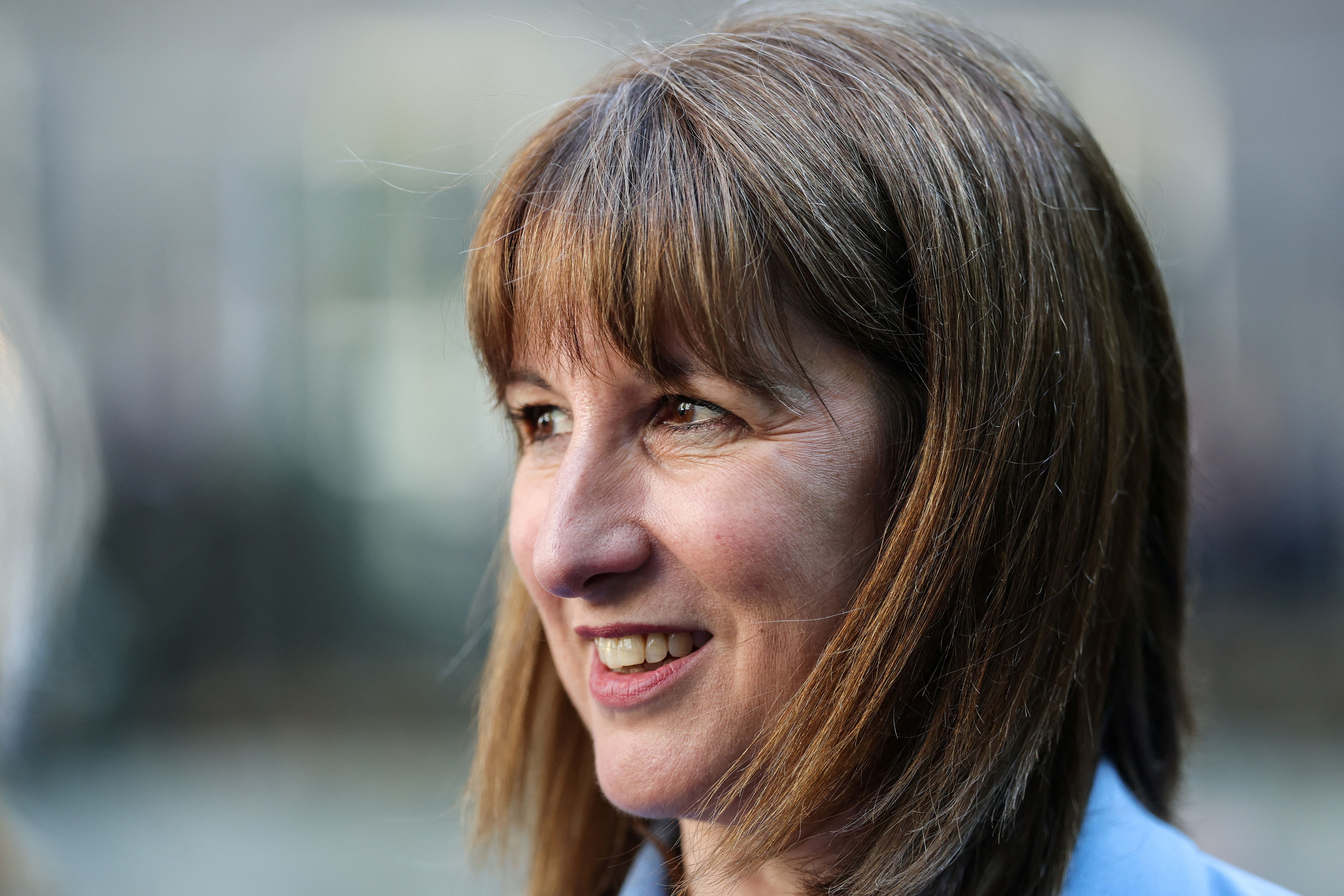
But there are also Lifetime Isas (Lisas) for property, innovative finance Isas and stocks and shares Isas for investing – and it is the latter which Ms Reeves hopes to encourage more people to use. Any money saved, generated, earned or created within any Isa is tax-free.
Over longer periods of time, investing in equities outperforms holding cash, as interest rates can remain low for prolonged stretches, while stock markets have historically grown. However, shares, funds and other types of investing offers no guaranteed return and losing money is possible – while cash kept in bank accounts offers a fixed and familiar return rate, with funds not depleting unless spent.
Building societies have also pointed out how they utilise some of the money saved in cash Isas to back the mortgages they hold, and removing a portion of that cash could limit how much they can lend in future.

Get a free fractional share worth up to £100.
Capital at risk.
Terms and conditions apply.
ADVERTISEMENT
Get a free fractional share worth up to £100.
Capital at risk.
Terms and conditions apply.
ADVERTISEMENT
Changes to the cash Isa or the overall Isa model could still be forthcoming later this year. Simplification of the ecosystem has been pushed for over the years, including combining the cash and investing Isas into a single product.
“One of the reasons why we’re looking at advice and guidance that financial firms can give to their customers is to make sure that people are making informed decisions about how to invest their money, whether that’s their pension savings or their Isa savings,” Ms Reeves added.
Join our commenting forum
Join thought-provoking conversations, follow other Independent readers and see their replies
Comments
Bookmark popover
Removed from bookmarks