Six surprising reasons your mortgage application could be rejected - and expert tips for success
Little errors, accidental missteps, and harmful habits that can derail your property purchase
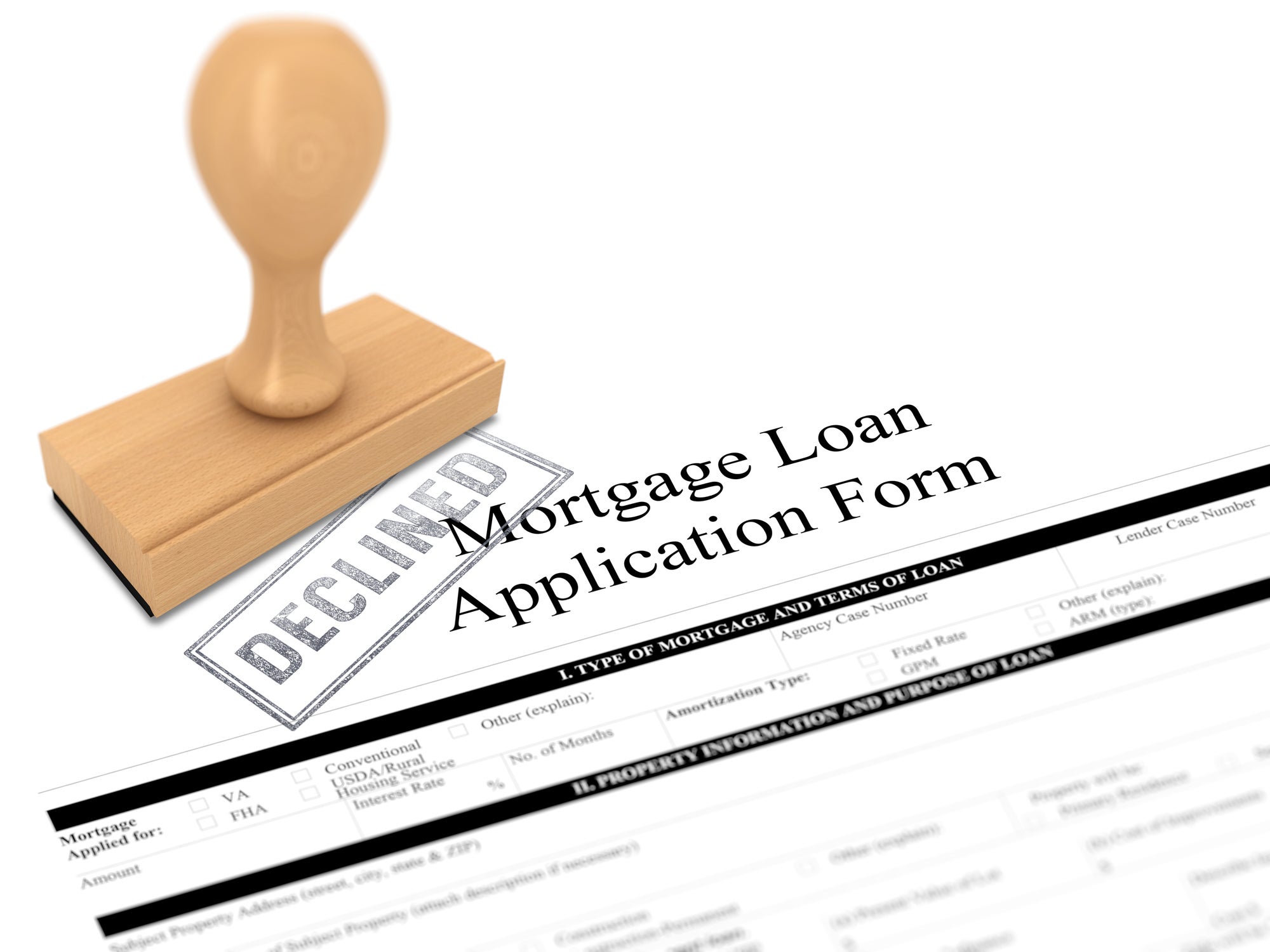
Having an offer accepted on a home you love, only to have your mortgage application rejected, can be crushing.
There are several common reasons this occurs, often relating to your financial situation, such as high debts, or the property itself, perhaps with a short lease, or a valuation that’s below the agreed price.
But your application could also be denied for a variety of surprising reasons that are easy to overlook.
Make sure to consider the following.
1. Buy-now-pay-later transactions
While usage of buy-now-pay-later (BNPL) services, like Klarna and Zilch, is on the rise, mortgage lenders take a very negative view of it.
If they spot regular BNPL transactions in your bank statements, they’ll see this as irresponsible and could refuse your application.
Occasional usage may be overlooked, especially if you’ve paid off the loans within the interest-free period. But if you relied on BNPL to get you through the holiday season, it might be sensible to wait a few months before making an offer on a home.
2. Online gambling
Other transactions that lenders will look out for in your bank statements include payments to online gambling sites. They’ll see this as a sign of financial carelessness, particularly if the payments are large or frequent.
Before applying for a mortgage, it’s smart to reduce or avoid gambling for at least a few months.
If you find this difficult, you can seek help from GamCare and GambleAware.
3. Joke payment references
A friend may consider it a harmless joke to send you some money with a payment reference referring to irresponsible or illegal behaviour, but this is highly likely to flag your application for further review.
Your lender could consider this a genuine risk, if you’re unable to prove the funds came from a legitimate source, or simply a sign of an immature attitude to money.

Get a free fractional share worth up to £100.
Capital at risk.
Terms and conditions apply.
ADVERTISEMENT
Get a free fractional share worth up to £100.
Capital at risk.
Terms and conditions apply.
ADVERTISEMENT
Either way, it will cause delays to your application and, potentially, rejection.
4. No borrowing history
You might think that lenders would look positively on applicants who have never previously borrowed money, since this shows that they live within their means.
Unfortunately, a complete lack of credit history provides very little evidence of how you’ll behave when given credit, and lenders might not want to be the first to find out.
It can be possible to get a mortgage without much credit history, but it may improve your chances if you start to make everyday transactions with a credit card, paid off at the end of every month.
It’ll take three to six months before lenders will take this behaviour into account.
5. A new job
Starting a new job often comes with a salary increase, which you might think would improve your chances of mortgage approval.
In the long term, it probably will, but if you’ve made the move fairly recently, you may find things more difficult.

That’s because you’ll need to pass a probation period, and you’ll have less protection from dismissal in the first two years. Plus, you won’t be eligible for statutory redundancy in these first two years, and new employees are often the first to go.
Mortgage providers will consider all these factors as risks of non-repayment.
6. Not registering to vote
Whether you vote and who you vote for will have absolutely no bearing on your mortgage application – but not being registered to vote at all can be a factor.
Lenders consider the electoral roll to be the most reliable way to verify your identity.
If you’re not on it, they’ll have to work much harder to confirm that you are who you say you are.
This can cause problems ranging from slight delays to mortgage refusal (usually in combination with other factors). Simply search ‘register to vote’ to avoid these issues quickly and easily.
Setting yourself up for success
Besides the issues we’ve mentioned above, there are a few other easy ways to improve your chance of mortgage approval:
- Check your credit report with Experian, Equifax or TransUnion to make sure there are no errors
- Try to limit your outgoings in the months before the application, avoiding larger-than-normal payments
- Double-check every detail in your application, and make sure all the dates and figures you’ve provided are accurate
- Gather evidence for the source of your deposit, such as bank statements, gift declarations, or sales contracts
Spending a little extra time on the finer points before making your application can save you weeks of waiting in anguish for a decision.
When investing, your capital is at risk and you may get back less than invested. Past performance doesn’t guarantee future results.
Join our commenting forum
Join thought-provoking conversations, follow other Independent readers and see their replies
Comments
Bookmark popover
Removed from bookmarks