Stay up to date with notifications from The Independent
Notifications can be managed in browser preferences.
Thank you for registering
Please refresh the page or navigate to another page on the site to be automatically logged inPlease refresh your browser to be logged in
-(1)-1-(2).png)
These are the countries shaping tomorrow’s culture
South Korea has shown how a relatively small nation can shape global culture, from K-pop and K-dramas to cars, cuisine and consumer tech. But who’s next? From Nigeria’s Afrobeats to Turkish dramas the race to define the next cultural wave is already underway…


BTS. Blackpink. Samsung. LG. Hyundai. Kia. Son Heung-Min. Global brands from a relatively small country.
With just 52 million people, South Korea is only the 30th largest country in the world by population, smaller than Sudan, Colombia and Tanzania. Yet Korean music is on every channel and a K-pop themed film is number one on Netflix. Korean electronics are in every home and Korean cars on every street. Korean food has exploded in popularity: I now count ten Korean restaurants in the centre of Manchester where I live.
What made South Korea such a strong global success and powerful cultural influencer? And where might we look for future sources of influence - and opportunity?
The Korean wave
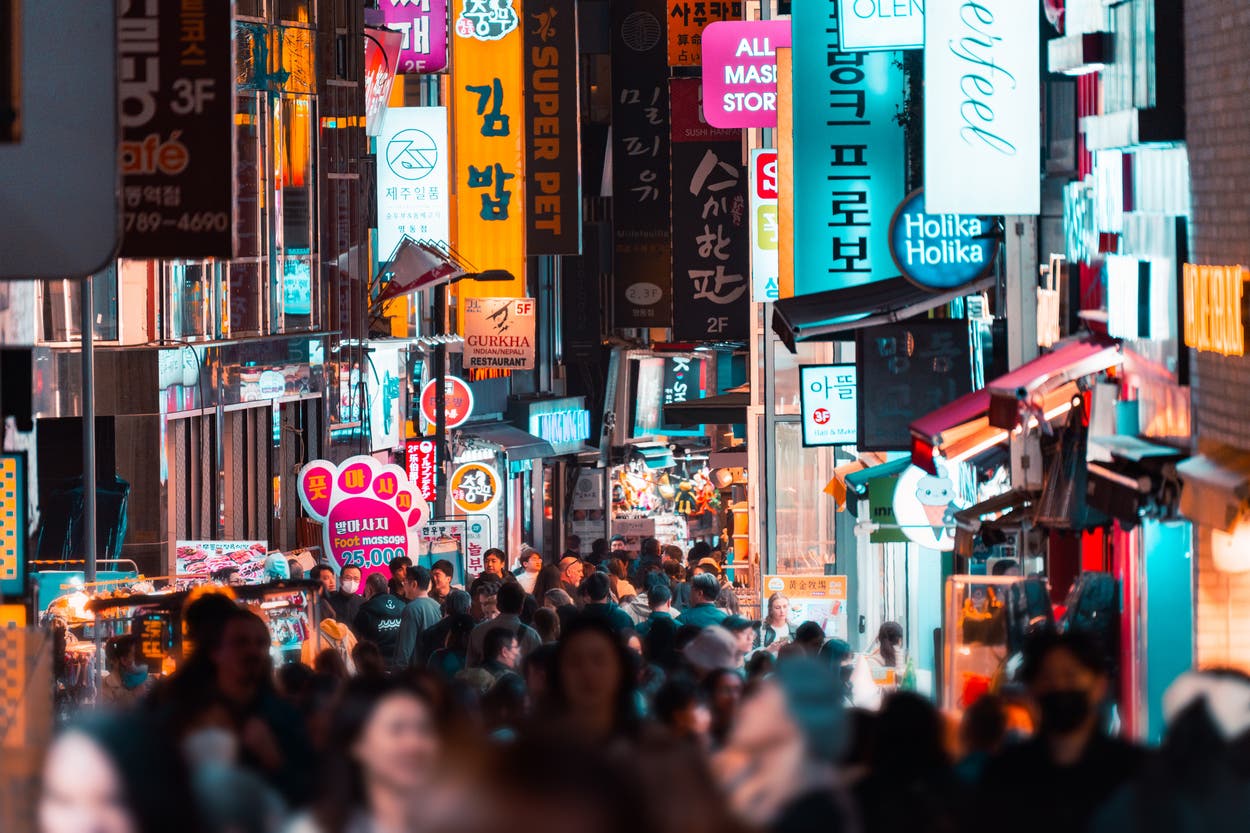
The spread of Korean media, manufacturers, food and sports stars is not a new phenomenon. Nor is it one that was first seen in the UK, Europe, or the US. It started in the late 1980s when the government opened up its borders to allow foreign travel for most Koreans for the first time in thirty years. Pent-up demand saw a wave of Koreans begin to travel abroad, returning with new influences. In the late 1990s as Korea and the rest of Asia emerged from a financial crisis, Korean industry underwent major reforms and started to grow. And Korean films and TV shows started to find a foreign audience across Asia.
The government quickly latched on to the potential of such media to rebrand what had until recently been a poor country. To redefine its image on the international stage. It gave its domestic media industry wholehearted support to produce and distribute more, and not just video.
The Ministry of Culture, Sports and Tourism has played a significant role in funding K-pop concert tours, film festivals, and cultural exchange programmes.
The Korean cultural and industrial product spread across Asia, gaining the Chinese nickname of “Hallyu” or ‘the Korean wave’. The wave then spread to the Middle East, and ultimately to the US and Europe, and has continued to build for over 25 years now, to the point of incredible reach and power that we see today.
High appeal, low friction
It’s not just government intervention that allowed this very rapid expansion of reach and influence...
Thank you for registering
Please refresh the page or navigate to another page on the site to be automatically logged inPlease refresh your browser to be logged in
Bookmark popover
Removed from bookmarks