Dozens of children suffer toxin poisoning symptoms following baby formula recall
Thirty-six babies are thought to have been affected so far
There have been 36 reports of children suffering toxin poisoning symptoms linked to recent baby formula recalls, according to the UK Health Security Agency (UKHSA).
Last month, food and drink giant Nestlé recalled more than 60 batches of its SMA formula due to concerns about the presence of a heat-resistant toxin, cereulide, which can cause symptoms such as vomiting and diarrhoea.
Following the recall, which included powdered and premixed formulas for babies and toddlers, the UKHSA said it has received 24 notifications in England, seven in Scotland, three in Wales, one in Northern Ireland and one from the crown dependencies of children who had consumed implicated batches, developing symptoms consistent with cereulide toxin poisoning.
The Food Standards Agency (FSA) confirmed on 30 January that arachidonic acid (ARA) oil, vital for infant development and added to formula for non-breastfed babies, was the affected ingredient.
The latest batch recalled is 800g packs of SMA Advanced First Infant Milk (best before December 2027, marked 53390346AB), which the FSA confirmed was distributed only in Northern Ireland.
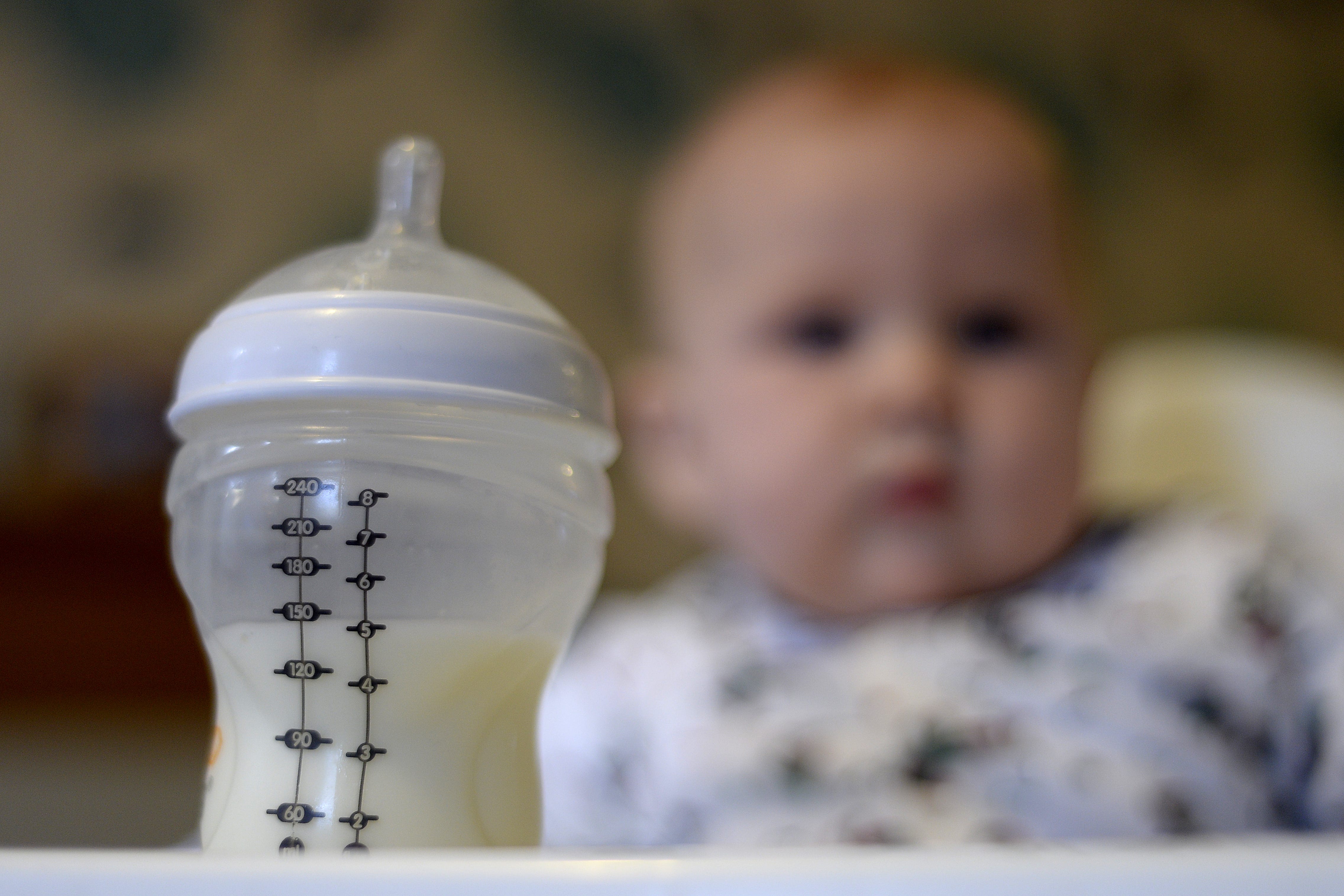
Other Nestlé products affected by the recall include: SMA Advanced Follow-On Milk, SMA Anti Reflux, SMA Alfamino, SMA First Infant Milk, SMA Little Steps First Infant Milk, SMA Comfort and SMA Lactose Free.
Danone also recalled a batch of its Aptamil baby formula product on 23 January over concerns it could contain cereulide.
At the time, the FSA said only one batch sold in the UK was affected, but additional batches in other countries were also affected.
It emerged last week that the contamination that led to both recalls originated from a shared, third-party ingredient supplier.
The FSA urged people with any affected products to stop using them, switch to an alternative and contact their GP or NHS 111 if their baby has already consumed the formula.
Bacillus cereus is a spore-forming bacterium that can contaminate a range of food products. When allowed to grow, certain strains can produce the cereulide toxin, the UKHSA said.
Symptoms of Bacillus cereus food poisoning and cereulide toxin poisoning are most commonly vomiting, but may include stomach cramping and diarrhoea. They usually have a rapid onset, between 15 minutes and six hours after ingestion.
The symptoms usually resolve within 24 hours, provided there is no ongoing exposure to the toxin.
Although ingestion of the toxin rarely causes more significant illness, a “few” cases of liver or kidney injury, muscle breakdown and multi-organ failure have been reported, the UKHSA said.
Individuals at high risk of complications include young children and the immunocompromised.
The FSA said it is continuing to investigate the source of the contamination.
Join our commenting forum
Join thought-provoking conversations, follow other Independent readers and see their replies
Comments
Bookmark popover
Removed from bookmarks