Freezing weather caused 2,500 UK deaths as pensioners struggle to heat homes
Winter fuel payment debacle was ‘deadly’ campaigner says, as figures show hundreds died from cold weather
Hundreds of people died in their homes during freezing temperatures last year, laying bare the “awful reality” facing many pensioners living in cold and damp homes, campaigners have warned.
Figures published for the first time by the UK Health Security Agency (UKHSA) revealed that 2,500 deaths were linked to cold weather last winter, with the most deaths occurring in those over 85, and linked to a six-day cold snap in January 2025.
Of those who died, 864 died in their own homes, with UKHSA experts suggesting factors including home insulation and lack of heating, access to healthcare, and awareness of cold weather, may have driven cold-related deaths.
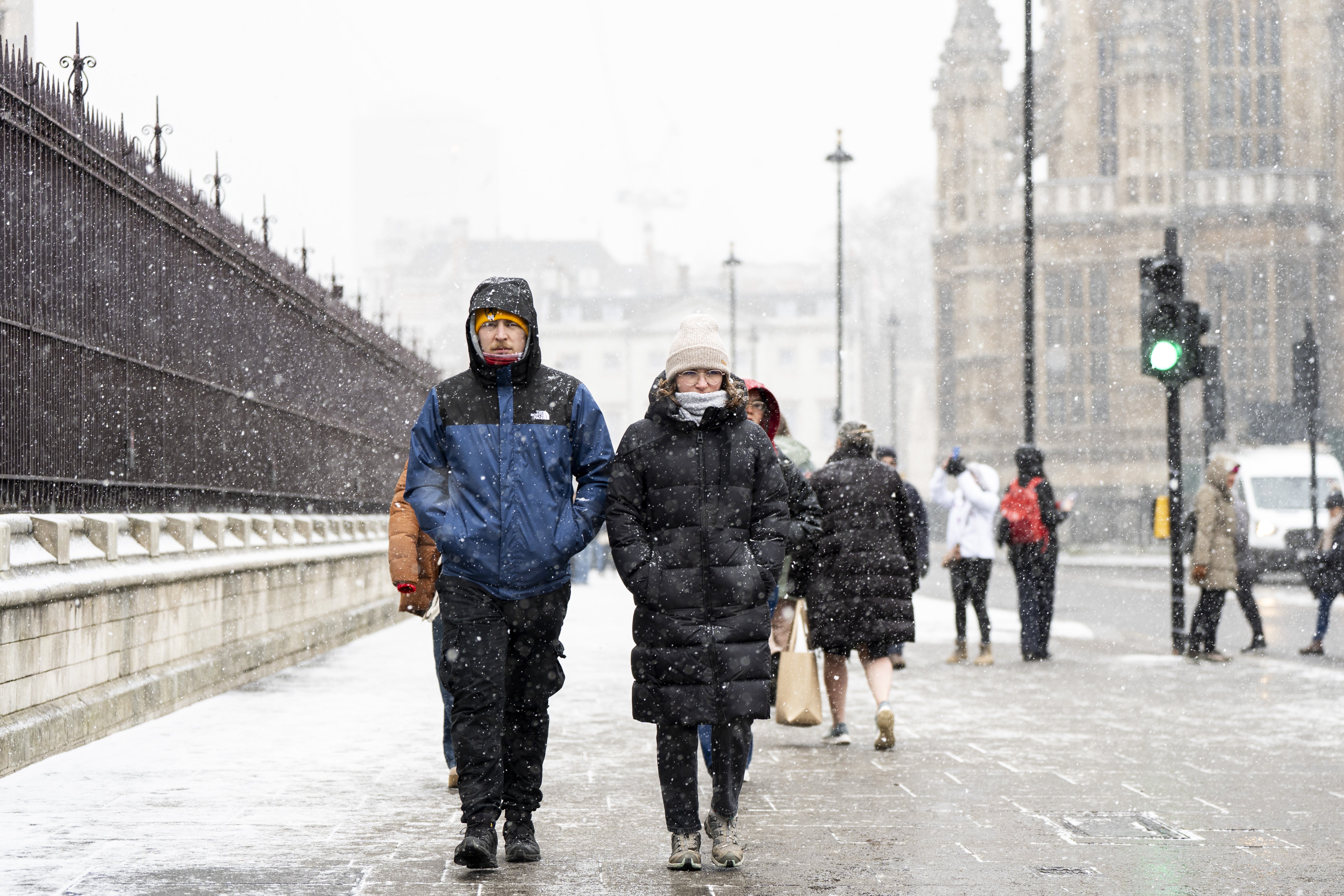
The number of deaths comes as the UK is gripped by cold weather, with fresh weather warnings that Storm Pedro could bring snow, ice and heavy rain over the next few days.
Simon Francis, coordinator of the campaign group, End Fuel Poverty Coalition, said the data on cold weather deaths last year “lays bare the awful reality that far too many pensioners are still trapped in cold, damp homes that put their health and lives at risk”.
He said: “Volatile gas prices, poor quality housing and a lack of adequate support have all contributed to this crisis. And in 2024/25 the situation was made worse by decisions to remove winter fuel payments from many pensioners.”
In May 2025, the government was forced to U-turn on plans to strip 10 million pensioners of poverty fuel payments – a £300 payment to help with energy costs in the colder months – after backlash over its plans to remove them from anyone but those receiving pension credits or other means-tested benefits.
Mr Francis said: “We warned this would leave vulnerable older people exposed, and these figures show the deadly consequences of failing to protect those most at risk.”
End Fuel Poverty Coalition has urged ministers to treat fuel poverty as a “public emergency” and said health secretary Wes Streeting must now also prioritise the fight to tackle cold homes.
The new data is the first linking deaths to cold weather published by UKHSA, which has previously published reports on hot weather-related fatalities.
The report examines three cold episodes – the first a two-day cold snap on 20-21 November 2024; the second two days on 2-3 January 2025, and the third lasted six days from 7-12 January 2025. During this final cold snap, there was an amber cold health alert in place across the whole of England, warning that the weather is “likely” to cause significant impacts across health and social care services, including a “rise in deaths” among those with health conditions or aged 65 or over.
During these three periods, there were an estimated 2,544 cold-associated deaths, with 1,630 of these deaths linked to the six-day cold snap.
The report says that cold-associated deaths were seen in all regions except the North East.
It adds that circulatory diseases caused the highest number of cold-related deaths, with 834 deaths linked to conditions such as heart disease.
“Cold weather remains a serious and preventable risk to public health,” said Dr Agostinho Sousa, head of extreme events and health protection at UKHSA.
“The findings suggest that even short periods of cold can lead to significant increases in mortality, often days or weeks after the temperature drops.”
Experts also analysed cold deaths from the five-year period to 2024/25 and compared them to deaths linked to cold temperatures in 2013/4 to 2017/18.
During the earlier period studied, low temperatures were associated with a “less rapid” increase in mortality, the authors said.
They said this suggested that “vulnerability to cold weather episodes has increased,” adding: “This may indicate that the population had greater vulnerability to cold weather and its impacts in the more recent five-year period. It may also be affected by changes in influenza season severity.”
Join our commenting forum
Join thought-provoking conversations, follow other Independent readers and see their replies
Comments
Bookmark popover
Removed from bookmarks