Midwives call for limits on ‘dangerously long’ working hours putting mothers and babies at risk
14,000 sign petition calling for legal restrictions on midwives’ working hours
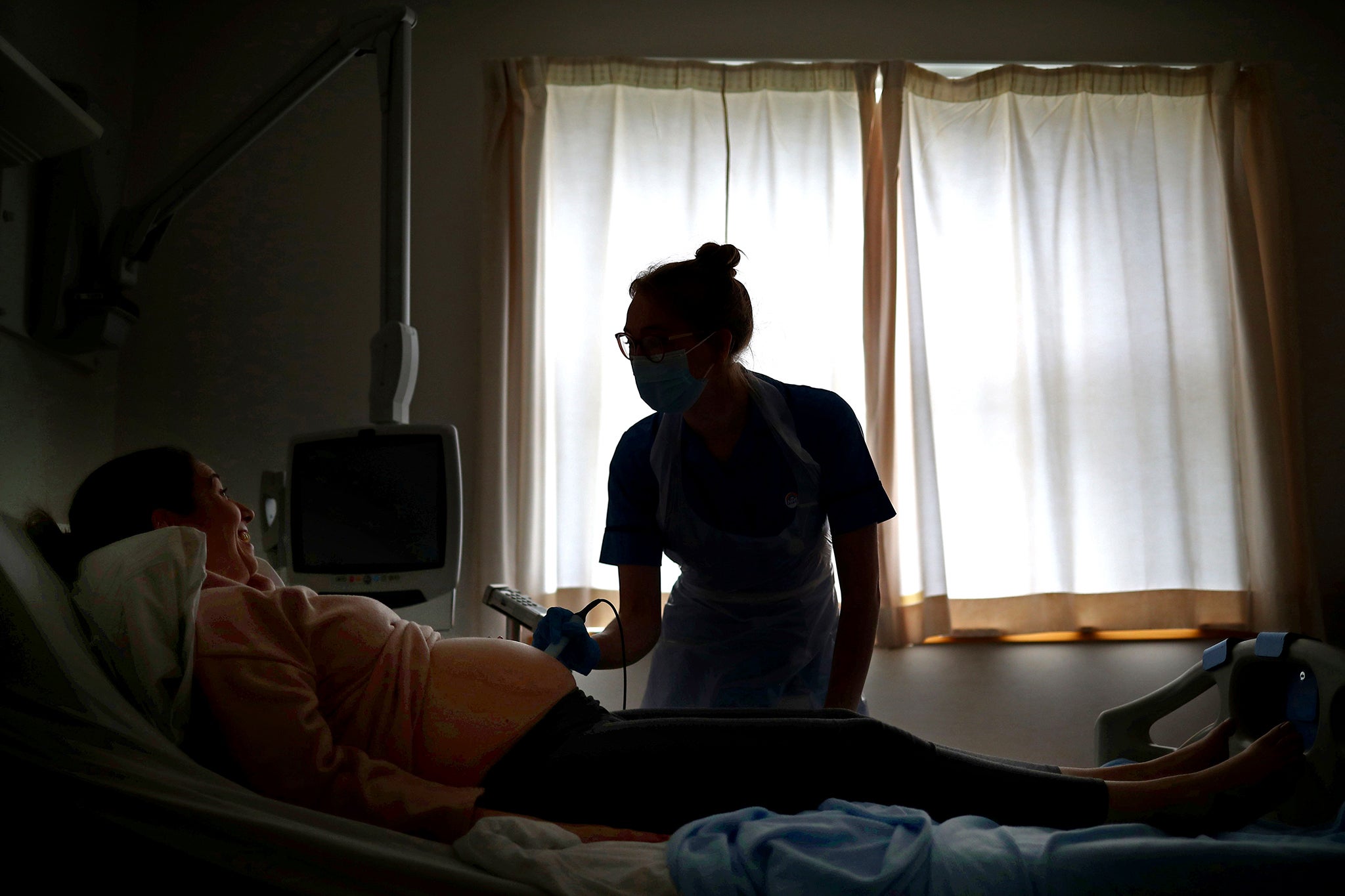
When Jo* became a midwife, it was because she had long dreamed of working with women to improve their healthcare and rights.
But she, like countless others in the profession, now fears that the “dangerously long shifts” she is sometimes forced to work are putting the safety of her and her patients at risk.
Jo explained how, as a community midwife, she will sometimes work a full day shift before being put on call through the night.
This means she could be asked to work for over 24 hours, delivering vital care to mothers and babies.
“It’s not safe, and no other profession is expected to stay awake, give care and concentrate for that long,” the midwife of 19 years told The Independent. “So why is it that midwives, who have such a high level of responsibility, are expected to do that?
“Working these sorts of hours is not safe for midwives or for mothers.”

She is one of the more than 14,000 people who have signed a petition calling for legal restrictions on midwives’ working hours to be implemented.
Midwife and author Leah Hazard started the petition after reading about Jennifer Cahill, 34, who died shortly after giving birth to her second child, Agnes Lily Wren Cahill, at home.
The coroner’s report found “gross failure” in her care led to her death, and also that the two midwives at her delivery had been awake for over 30 hours.
“I know what it’s like as a midwife for you to do a night shift and to be sleep deprived, but then to have been awake or even working the whole day before that, I thought, ‘Oh, this is really unconscionable’,” Ms Hazard said.
“Of course, that will affect people’s competence because it’s well evidenced that sleep deprivation can cause cognitive impairment similar to alcohol consumption. You don’t want anybody looking after you who’s operating with that level of impairment.”
After sharing the story on social media, she received an “overwhelming” response from more than 100 midwives sharing their own experiences of “extremely long” working hours, some of whom had tried to raise concerns within the NHS about how it is impacting care.
“Some of them were really heartbreaking, with stories of real harm coming to midwives and women,” she said.
“Midwives, community midwives especially, are being asked to work all day and then being called out overnight, not just for home births but also over short staffing within the main hospital unit. They’re often working all night, and then some the next day are even expected to work all day as well.
“This is inhumane, unsafe, completely unacceptable and in very sharp contrast to other safety-critical and historically male-dominated roles such as bus and lorry driving, rail driving, pilots and air traffic controllers, who have very strict protections on the number of hours they can work.”
She is calling for midwives to have similar legal restrictions imposed on their working hours, such as protections preventing them from having less than 11 hours in between shifts.
“For midwives, it would be absolutely transformative, because they’ve suffered real serious physical and mental harm from working these shift patterns,” she said.
“I’ve had an alarming number of stories from midwives who’ve crashed their cars on their way home from work because of excessive fatigue, who have inadvertently harmed women and babies because they’ve known they’ve been too tired to work and they’ve asked to be relieved and that’s been refused.”

She added: “For women and people having babies, it would just give them the confidence that the people looking after them can bring their A-game, are really well rested, are safe, and are supported to do the job that they’ve been trained to do.”
Midwifery is covered by the UK’s working time regulations, which mean employees shouldn’t work more than 48 hours a week and should have 11 hours in between shifts.
However, midwives have said their on-call shifts and pressure due to short staffing mean these rules are regularly overlooked.
Some midwives, such as Millie*, have been pushed into leaving the profession altogether by the excessive working hours and pressures.
The 33-year-old recalled a shift she worked as a midwife on bank (flexible/temporary shifts), where at the end of her shift at 1.30am, she was told she could not go home due to short staffing.
She worked a further eight hours, until 8.30am, having not slept for over 24 hours.
“That shift pushed me into one of the deepest holes I’ve ever fallen into. I remember doing another IV drip at about 6am and just breaking down,” she said.
“It’s so difficult, but you just have to get on with it, because if anything happens to that labouring woman, you have to be there. I’ve cried in cupboards and splashed cold water in my face to keep it together.”
Speaking about the petition, she said she believes restrictions on working hours may make it less likely that other midwives leave the profession, adding it will “make mistakes less likely” and that “people using the service will automatically benefit because we will benefit because we’ll be safer and rested”.

The comments from midwives come after a renewed focus on maternity services, as a damning review earlier this month found women have been left to “bleed out” in bathrooms and babies have suffered avoidable deaths in NHS maternity units.
Baroness Valerie Amos, who is leading the national maternity and neonatal investigation (NMNI), found that changes within maternity care have been “too slow” despite being necessary and urgent in her initial findings.
The report highlights a number of issues which Baroness Amos said she has “heard about consistently”.
These include women not being listened to, not being given the right information to make informed choices about their care, and discrimination against women of colour, working-class women, younger parents and women with mental health problems.
Gill Walton, chief executive of the Royal College of Midwives, said midwives are facing “extreme pressures” and are “exhausted, overstretched and working in unsustainable conditions”.
“The fundamental issue is that you cannot deliver safe maternity care with exhausted and overstretched staff. Well-rested midwives who have manageable workloads provide better, safer care,” she said.
A Department of Health and Social Care spokesperson said: “There are legal limits to working hours to protect staff and their patients from unsafe conditions, and any circumstance where employers are contravening this is unacceptable.
“The secretary of state has ordered a rapid, independent investigation into maternity and neonatal services to understand deep-rooted issues, led by Baroness Amos.
“It will seek to understand the experiences of staff and healthcare professionals working across maternity and how they can be better supported to provide high-quality, safe and compassionate care.”
An NHS spokesperson said: “NHS terms and conditions set out clear requirements on working hours, rest breaks and shift patterns. Trusts are expected to have robust local policies in place to comply with working-time regulations and support staff wellbeing.”
You can sign the petition here.
*Names have been changed
Join our commenting forum
Join thought-provoking conversations, follow other Independent readers and see their replies
Comments
Bookmark popover
Removed from bookmarks